Iffa Jayyana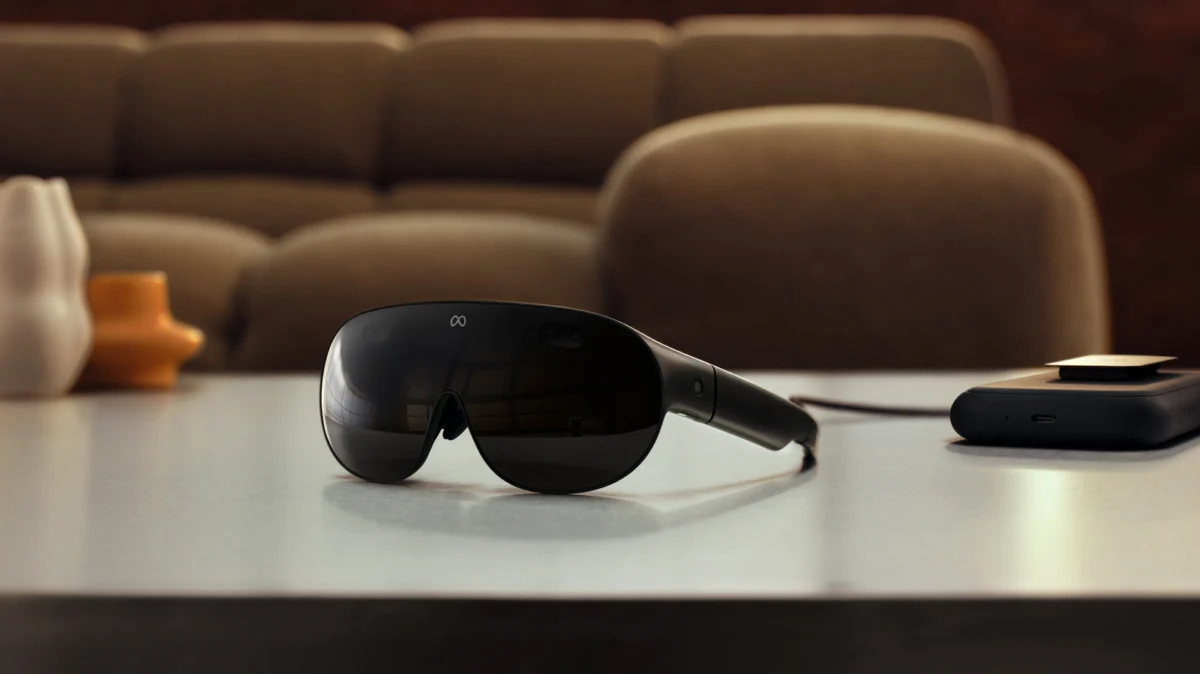
Meta has officially kicked off the 2026 fall hardware season, delivering one of the most comprehensive product lineups in the company’s history. During this year’s Meta Connect, held in the heart of Silicon Valley, CEO Mark Zuckerberg unveiled a strategic shift in hardware: moving beyond the bulky, standalone headsets of the past toward a diverse ecosystem of lightweight glasses, audio-centric wearables, and pocket-sized AI companions.
From the highly anticipated Meta VR Glasses to a bold, "Tamagotchi-style" AI keychain, the company is betting heavily that the future of personal computing is not just mobile—it is spatial and ambient.
The Core Announcements: A Breakdown of the Hardware Suite
The Flagship: Meta VR Glasses
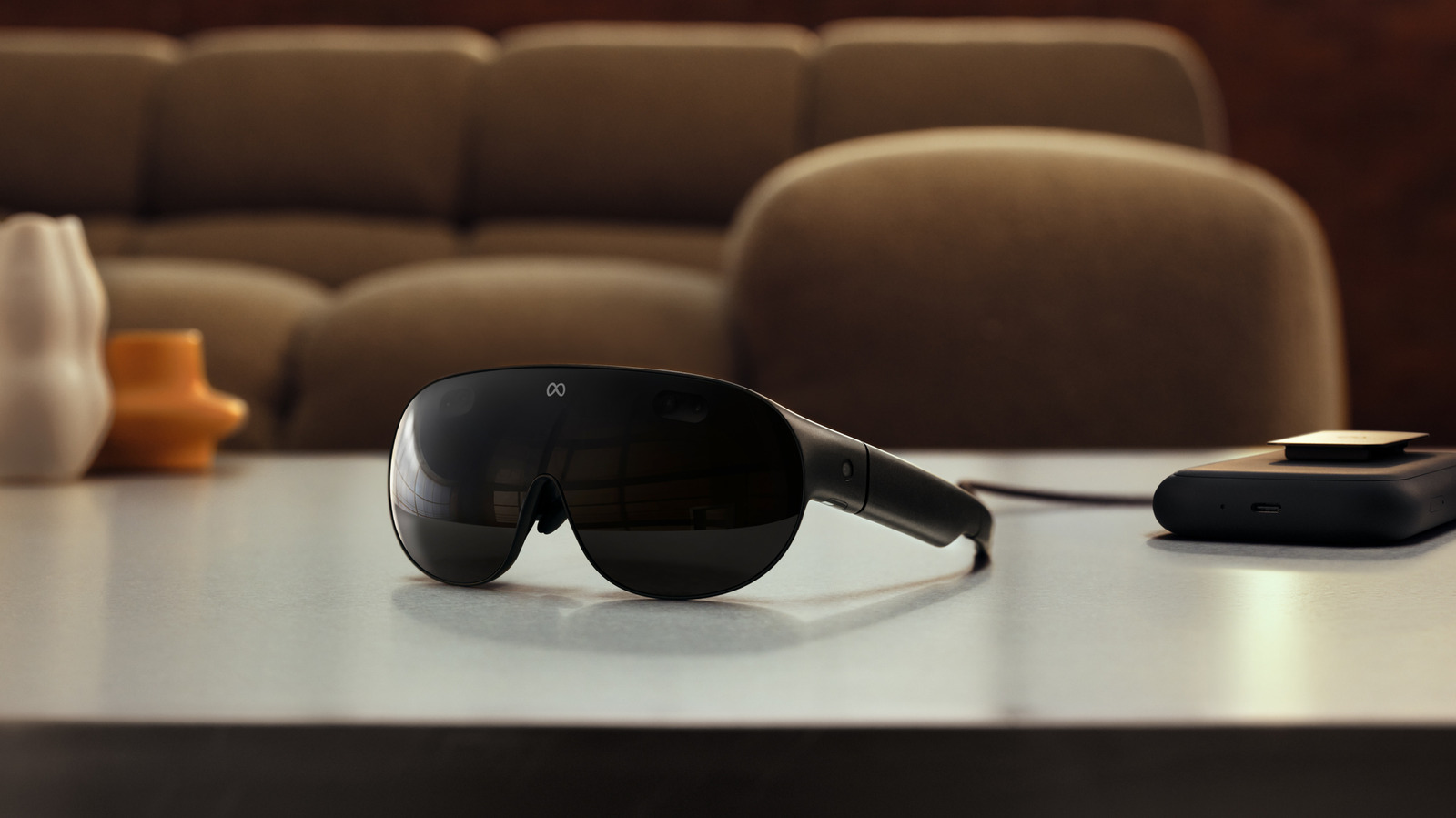
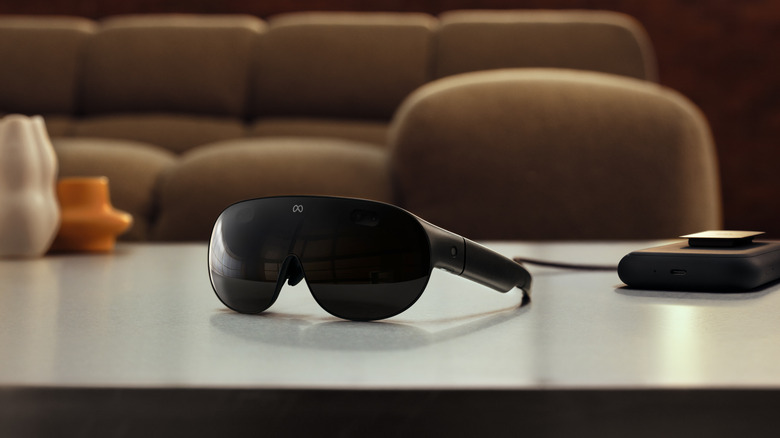
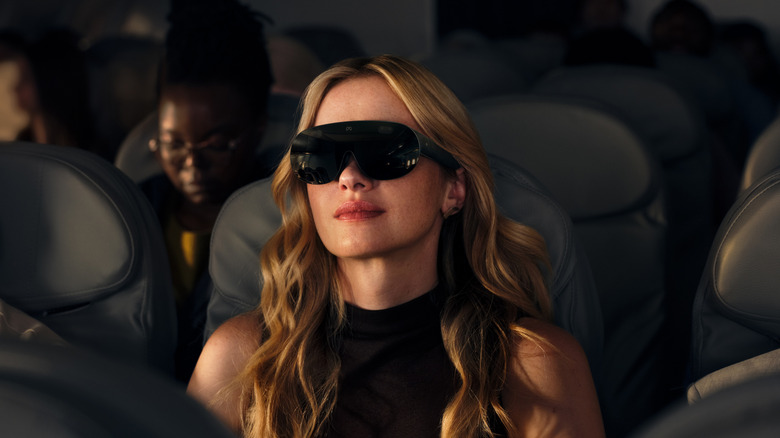
The centerpiece of the event was the reveal of the Meta VR Glasses, a product that aims to bridge the gap between heavy virtual reality headsets and the casual convenience of daily eyewear. Slated for a spring 2027 release with a price point of $1,300, these glasses are designed to compete directly with high-end spatial computing devices like the Apple Vision Pro.
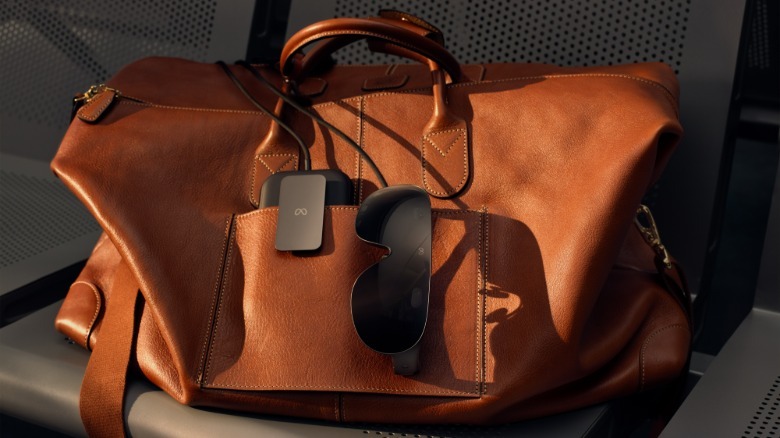
Weighing in at a mere 100 grams—five times lighter than the current Meta Quest 3—the glasses feature a sleek magnesium alloy frame and advanced pancake lenses. Powered by Qualcomm’s Snapdragon Reality Elite chipset, the device relies on a tethered "puck" to handle battery and storage, allowing the frames themselves to remain slim and comfortable for extended use. The display supports 5K resolution with full-color passthrough, Dolby Vision, and spatial audio, making it the first IMAX Enhanced certified VR device.
Ray-Ban Meta Audio and Gen 3 Smart Glasses
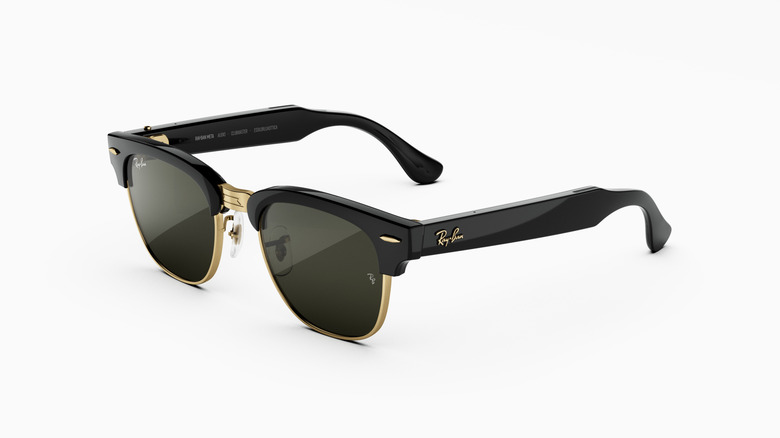
In a strategic pivot to address privacy concerns surrounding camera-equipped wearables, Meta introduced the Ray-Ban Meta Audio glasses. Priced at $349, these frames forgo cameras entirely, focusing instead on high-fidelity audio, podcast playback, and AI-driven voice interaction. Designed for all-day wear, they offer 12 hours of battery life, with a charging case providing an additional 48 hours of power.
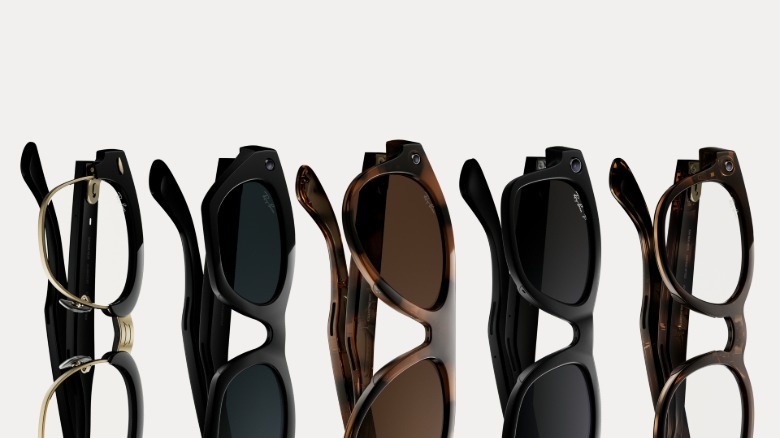
Simultaneously, the Ray-Ban Meta Gen 3 lineup arrived with a refined aesthetic and enhanced technical specs. Featuring a slimmer profile, a dedicated button for Meta AI, and a 12MP camera capable of 3K video capture, the third-gen model is designed for the creator economy. With the inclusion of Dolby Atmos spatial audio recording and a sophisticated six-mic array that suppresses over 90% of background noise, these glasses solidify their position as the industry standard for smart eyewear.
The Muse Charm: The "One More Thing"
Perhaps the most unexpected reveal was the Muse Charm, a keychain-sized hardware device that acts as a physical vessel for the Muse AI agent. Featuring a small display, built-in speakers, and a fingerprint sensor, the device offers a "always-on" AI assistant that fits in the palm of your hand. While details remain sparse, Zuckerberg described it as a way to pack the full Muse experience—including real-time voice and avatar interaction—into an ultra-portable form factor.
Chronology of the Ecosystem Expansion
The rollout of these products marks a multi-year trajectory for Meta. The journey began in 2023, when early rumors suggested a 2027 release for the company’s first "true" AR-capable glasses. By sticking to this timeline, Meta has demonstrated a disciplined approach to R&D.
- September 2026: Official unveiling of the hardware lineup and opening of pre-orders for the Ray-Ban Meta Audio and Gen 3 specs.
- October 2026: Launch of the Ray-Ban Meta Audio in retail stores; rollout of hearing enhancement features in the US.
- Spring 2027: Official release of the Meta VR Glasses, accompanied by a major update to the Beat Saber gaming ecosystem.
Supporting Data: Performance and Accessibility
Meta’s commitment to accessibility and performance is evident in its new software features. The Hearing Enhancement tool, which utilizes a flow similar to clinical hearing aid calibrations, allows users to tune their audio environment in real-time. By saying "Hey Meta, start hearing enhancement," users can isolate voices in noisy settings. The feature will be a paid add-on ($149) or included in the "Meta One" subscription, and notably, it is eligible for HSA/FSA reimbursement in the US.
In terms of gaming, Meta is revamping the Beat Saber experience. The new "Flux" mode allows for hand-tracking, eliminating the need for controllers, and adds a narrative-driven campaign with 35 new tracks. This is part of a broader push to make VR gaming more intuitive, with titles like Phoenix Wright Ace Attorney: Dual Destinies bringing voice-activated "Objection!" gameplay to the platform next year.
Official Responses and Corporate Strategy
The atmosphere at Meta Connect 2026 was one of tempered confidence. Following a year of significant restructuring—which included the closing of several internal VR studios—Meta’s leadership is eager to prove that their investments in the "Metaverse" and AI are yielding tangible consumer value.
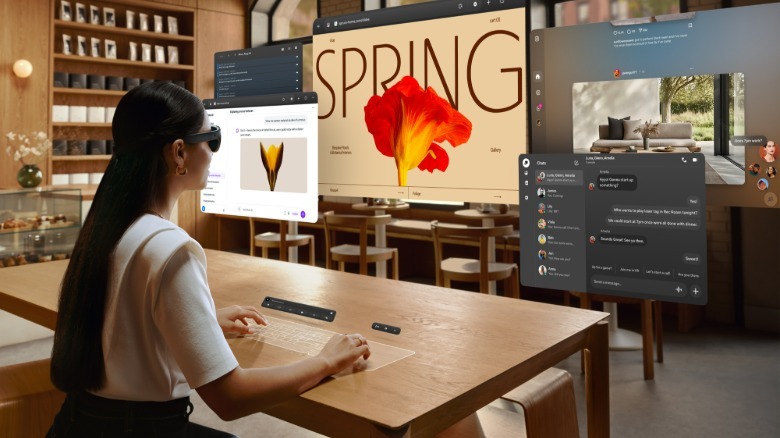
"We are moving from a world of looking down at screens to looking up at the world," said a Meta spokesperson during the post-keynote press briefing. The company emphasizes that its partnerships—ranging from Disney+ for 3D content to Xbox Cloud Gaming for streaming—are designed to make the glasses a viable productivity tool. By enabling virtual desktops for Windows and Mac, Meta is positioning its hardware as a potential replacement for the traditional monitor setup.
Implications: The Shift Toward Ambient Intelligence
The most significant implication of Meta Connect 2026 is the normalization of Ambient Intelligence. By diversifying its hardware—from the high-end, productivity-focused VR Glasses to the audio-only Ray-Ban frames and the ultra-portable Muse Charm—Meta is attempting to capture every segment of the user’s day.
The Privacy Landscape
By releasing a camera-less "Audio" version of its popular Ray-Ban glasses, Meta is implicitly acknowledging the "pervert glasses" stigma that has hampered the growth of earlier wearables. This move suggests a more nuanced understanding of social friction. If users feel less self-conscious about wearing the devices, adoption rates in public spaces are likely to increase.

The Competition
With Apple already entrenched in the premium spatial computing space with the Vision Pro, Meta’s $1,300 price point for the VR Glasses feels like a tactical strike. It is expensive enough to signify quality, yet significantly more accessible than the competition. Furthermore, by leaning into cross-platform compatibility (Android/iOS, PC/Mac, and gaming consoles), Meta is opting for an "open ecosystem" approach to stave off the "walled garden" accusations often leveled at Big Tech.
Long-term Economic Impact
The integration of Muse AI across all devices signals a move away from screen-based interaction. If the Muse Charm succeeds, it could fundamentally change how users interact with the internet—shifting from search queries to conversational, AI-driven assistance that understands the user’s physical context.
Conclusion
Meta Connect 2026 did not just announce new gadgets; it signaled a pivot in the company’s vision. While the dream of a fully immersive "Metaverse" remains, it has been tempered by the reality of hardware limitations. By focusing on lightweight, glasses-based form factors and AI-integrated audio, Meta is building a foundation for a future where digital and physical realities are seamlessly layered.
As we look toward the spring 2027 release of the Meta VR Glasses and the ongoing development of the Muse AI agent, one thing is clear: Meta is no longer just a social media company—it is a wearable-first, AI-driven hardware juggernaut. Whether the public is ready to wear their AI on their faces, on their ears, and on their keychains remains to be seen, but the hardware is finally ready to make the case.


 Suro Senen
 Reynand Wu