Ali Ikhwan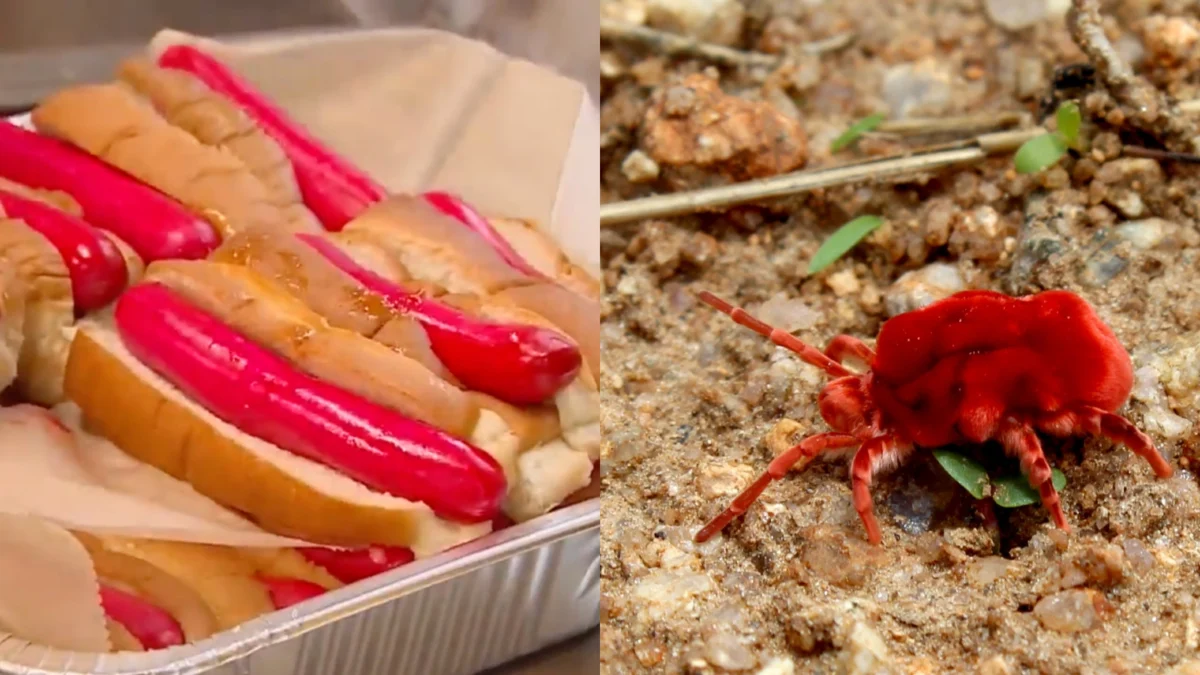
For over a century, the sight of a "Red Snapper"—a brilliantly crimson, natural-casing hot dog—has been synonymous with Maine’s culinary identity. Produced by W.A. Bean & Sons in Bangor, these hot dogs are more than just a snack; they are a cultural artifact of New England tradition. However, the venerable frankfurter is undergoing a significant metamorphosis. Faced with impending federal regulations regarding synthetic additives, the family-owned company has announced it is abandoning Red Dye 3 in favor of an extract derived from crushed insects.
This transition marks a pivotal moment in the history of a brand that has survived six generations, proving that even the most deeply ingrained food traditions must adapt to modern scientific and regulatory realities.
The Regulatory Impetus: Why Red Dye 3 is on the Way Out
The impetus for this change is not a whim of the manufacturer, but a directive from the U.S. Food and Drug Administration (FDA). In recent years, the FDA has been under mounting pressure from public health advocates and environmental scientists to re-evaluate the safety of various synthetic food dyes. Among these, Red Dye 3—technically known as FD&C Red No. 3—has been the subject of intense scrutiny due to historical studies linking it to thyroid tumors in animal models.
While the FDA has maintained a complex stance on its safety for decades, the regulatory tide has turned. The agency has formally notified manufacturers that they must phase out the use of Red Dye 3 by January 15, 2027. This deadline leaves companies like W.A. Bean with a narrow window to reformulate their products without compromising the signature appearance that consumers have come to expect. For a product as visually iconic as the Red Snapper, finding a substitute that mimics that specific, fiery hue without altering the flavor profile or the structural integrity of the casing was a formidable technical challenge.
A Chronology of the Red Snapper Tradition
To understand why this change is making headlines, one must appreciate the history of W.A. Bean. Established in 1863, the company has operated in Bangor for over 160 years.
- 1863: W.A. Bean & Sons is founded, beginning a long legacy of meat processing in Maine.
- The 20th Century: The "Red Snapper" becomes a staple at summer barbecues, roadside stands, and local grocery stores across Maine. The bright red color, achieved through synthetic dyes, becomes its trademark "snap"—a result of the natural sheep casing and the curing process.
- 2024–2025: Mounting concerns regarding the health impacts of synthetic food dyes lead to increased FDA activity. W.A. Bean begins internal testing to find a "clean label" alternative that satisfies the federal mandate while maintaining brand loyalty.
- September 2026: W.A. Bean officially announces the transition to carmine extract, ensuring compliance well ahead of the January 2027 FDA deadline.
- Late 2026/Early 2027: The reformulated Red Snappers begin to hit store shelves, marking a new chapter for the Maine delicacy.
The Science of the Switch: Embracing Carmine
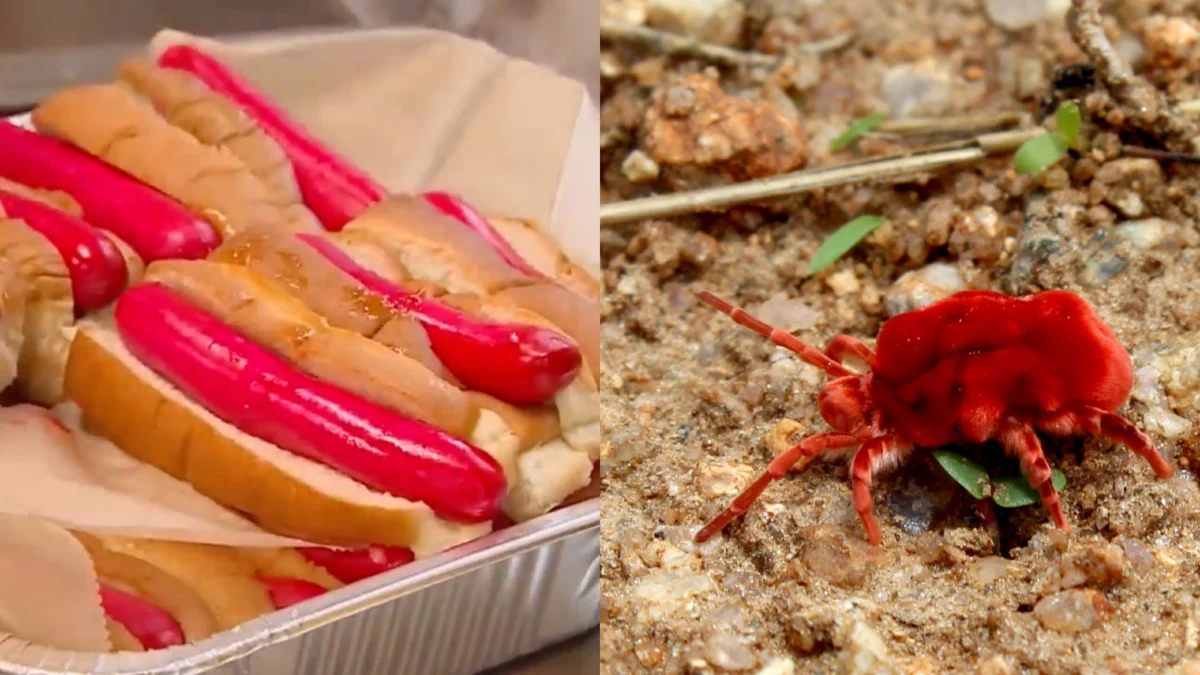
The substitute selected by W.A. Bean is carmine extract, a natural pigment derived from the cochineal insect (Dactylopius coccus). While the prospect of consuming insect-derived additives may sound jarring to some, it is a well-established practice in the global food industry. Carmine is a standard, FDA-approved coloring agent found in everything from fruit-flavored yogurts and jams to high-end candies and cosmetics.
The process involves drying and pulverizing the cochineal insects, which are native to tropical and subtropical regions of South America and Mexico. The resulting powder provides a stable, vibrant red pigment that is remarkably resilient to heat and light—essential qualities for a product like a hot dog that is often grilled over open flames or boiled in industrial settings.
By making this switch, W.A. Bean is effectively transitioning from a synthetic chemical dye to a biological one. This aligns with a broader consumer trend toward "natural" ingredients, even if those ingredients come from an entomological source.
Official Responses and Corporate Philosophy
In a press release detailing the shift, W.A. Bean & Sons emphasized that the move is not merely a bureaucratic necessity, but a strategic evolution of their brand identity.
"By making the switch to a natural red color, we’re continuing to evolve our products while staying true to the tradition, quality and integrity that have defined our family business for more than six generations," the company stated. "The Maine Red Snapper is more than a hot dog—it’s a piece of Maine’s food heritage."
Sean Smith, the Director of Sales at W.A. Bean, has been quick to reassure the public that the "snapper" experience remains untarnished. In interviews following the announcement, Smith confirmed that extensive sensory testing has been conducted to ensure that the texture—specifically the signature "snap" of the casing—and the savory flavor profile remain identical to the legacy version.
Furthermore, the company has addressed concerns regarding the economic impact on the consumer. Despite the fact that carmine extract is significantly more expensive to source and process than the synthetic Red Dye 3, W.A. Bean has indicated that it does not intend to pass these costs on to the customer, choosing to absorb the price difference to protect the brand’s accessibility.
Implications for the Food Industry and Consumers
The move by W.A. Bean serves as a microcosm of the challenges facing regional food producers in the 21st century. As federal regulations tighten, smaller, heritage-focused businesses are forced to navigate the balance between tradition and innovation.
1. Consumer Perception and the "Yuck Factor"
One of the primary hurdles for W.A. Bean is the potential psychological barrier regarding the use of insects in food. While the food industry is familiar with carmine, the general public is often unaware of its origins. Transparent communication, as demonstrated by the company’s recent press outreach, is vital. By framing the change as an upgrade to "natural ingredients" rather than a concession to "bug juice," the company is attempting to steer the narrative toward quality and safety.
2. Supply Chain Complexity
Carmine is a commodity that is subject to the volatility of global agricultural and climatic conditions, unlike synthetic dyes which can be produced in a laboratory with consistent cost and availability. W.A. Bean’s decision to commit to carmine suggests that they have secured a reliable supply chain, though this will be a metric to watch as the company scales its production to meet statewide demand.
3. The Future of Synthetic Dyes
The FDA’s crackdown on Red Dye 3 is likely the beginning of a larger trend. As the agency continues to evaluate the safety of artificial food additives, more regional brands will be forced to pivot. W.A. Bean is acting as an early adopter, potentially positioning itself ahead of the curve and avoiding the last-minute scramble that many larger, slower-moving corporations may face in 2027.
4. Preserving Local Heritage
There is a profound sense of regional pride attached to the Red Snapper. In Maine, these hot dogs are a staple of summer fairs, Fourth of July celebrations, and local diners. By maintaining the visual identity of the product, W.A. Bean is ensuring that the cultural experience of eating a "Red Snapper" remains uninterrupted for future generations of Mainers. The successful transition of this product could provide a blueprint for other regional food icons that find themselves on the wrong side of evolving safety regulations.
Conclusion: A Traditionalist’s Modern Solution
The transition at W.A. Bean is a testament to the resilience of family businesses that have stood the test of time. While the substitution of a laboratory-made dye for an insect-derived extract may seem like a radical change, it is, in many ways, a return to the use of natural pigments that predate the synthetic era of the 20th century.
As the company looks toward its seventh generation of management, the "Red Snapper" continues to snap, sizzle, and hold its place as an essential component of Maine’s culinary identity. By prioritizing regulatory compliance and product consistency, W.A. Bean has ensured that the only thing changing about their iconic hot dog is the source of its color—a move that ultimately safeguards both the health of their customers and the longevity of their brand.

 Iffa Jayyana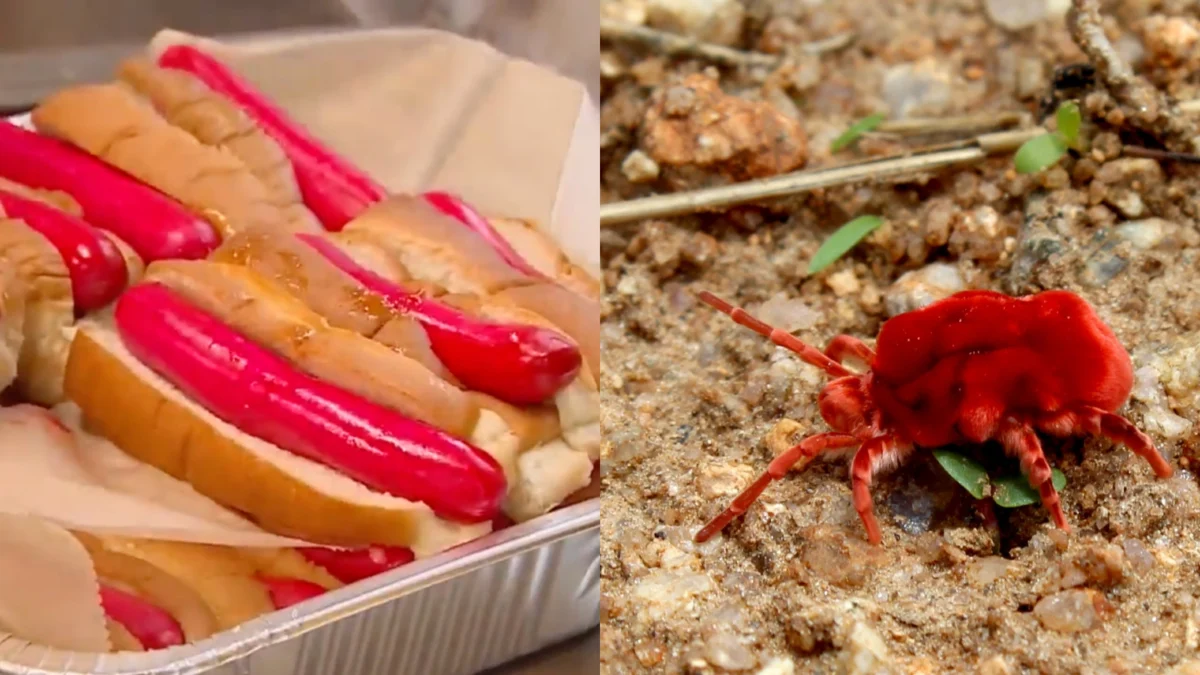
 Rifan Muazin