Suro Senen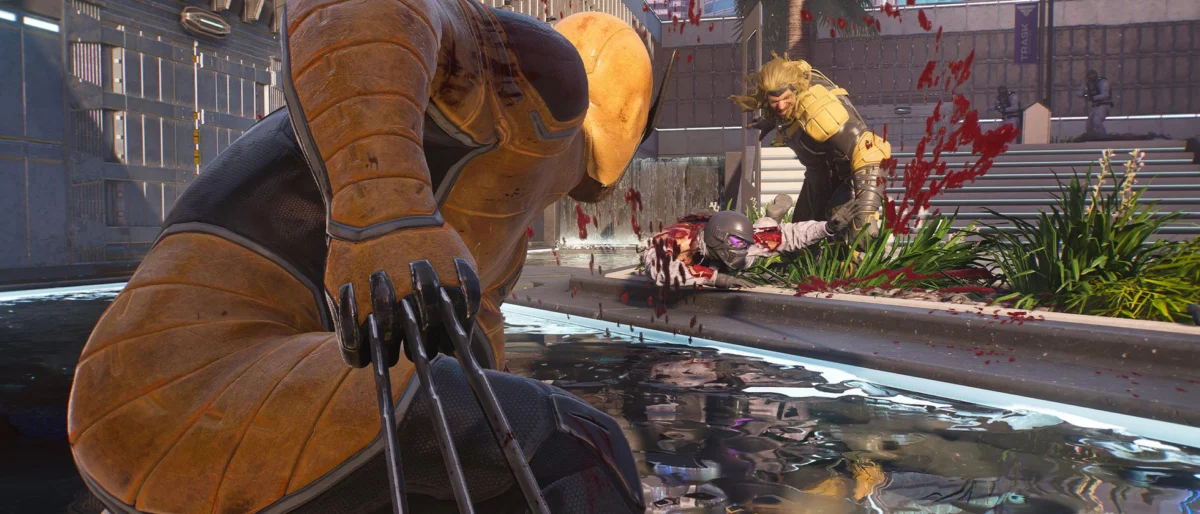
By Editorial Staff
Marvel’s Wolverine, developed by the powerhouse team at Insomniac Games and published by Sony Interactive Entertainment, arrives with the weight of immense expectation. As the studio that redefined the superhero genre with its Marvel’s Spider-Man series, Insomniac has turned its attention to one of the most iconic anti-heroes in comic book history. Released for the PlayStation 5, the game offers a gritty, linear, and character-focused journey that attempts to translate Logan’s feral intensity into an interactive medium. While the title is a triumph of visual fidelity and narrative pacing, it ultimately struggles with a core gameplay loop that feels remarkably safe in its design.
The Core Narrative: A Gritty Descent into the Weapon X Legacy
The story of Marvel’s Wolverine is arguably its strongest asset, serving as the primary incentive for players to push through the repetitive nature of its combat. Set three years after Logan’s departure from the infamous Team X, the narrative quickly pulls him back into a web of conspiracy. Alongside familiar faces such as Mystique and Sabretooth, Logan finds himself tasked with confronting Bolivar Trask—a billionaire whose obsession with human superiority serves as the perfect foil for the mutant struggle.
The narrative scope is refreshingly global, moving away from the "New York-only" trope of modern superhero titles. Players are whisked away to Canada, the lawless streets of Madripoor, and the atmospheric landscapes of Japan. The inclusion of Jean Grey adds a necessary layer of emotional grounding, preventing the story from devolving into a one-note affair of angry men shouting about memory loss. The rapport between these characters is handled with the kind of cinematic care that Insomniac has become famous for, providing the game with a warmth and depth that its protagonist—a character defined by his permanent scowl—could not provide on his own.
Gameplay Mechanics: Spectacle Over Agency
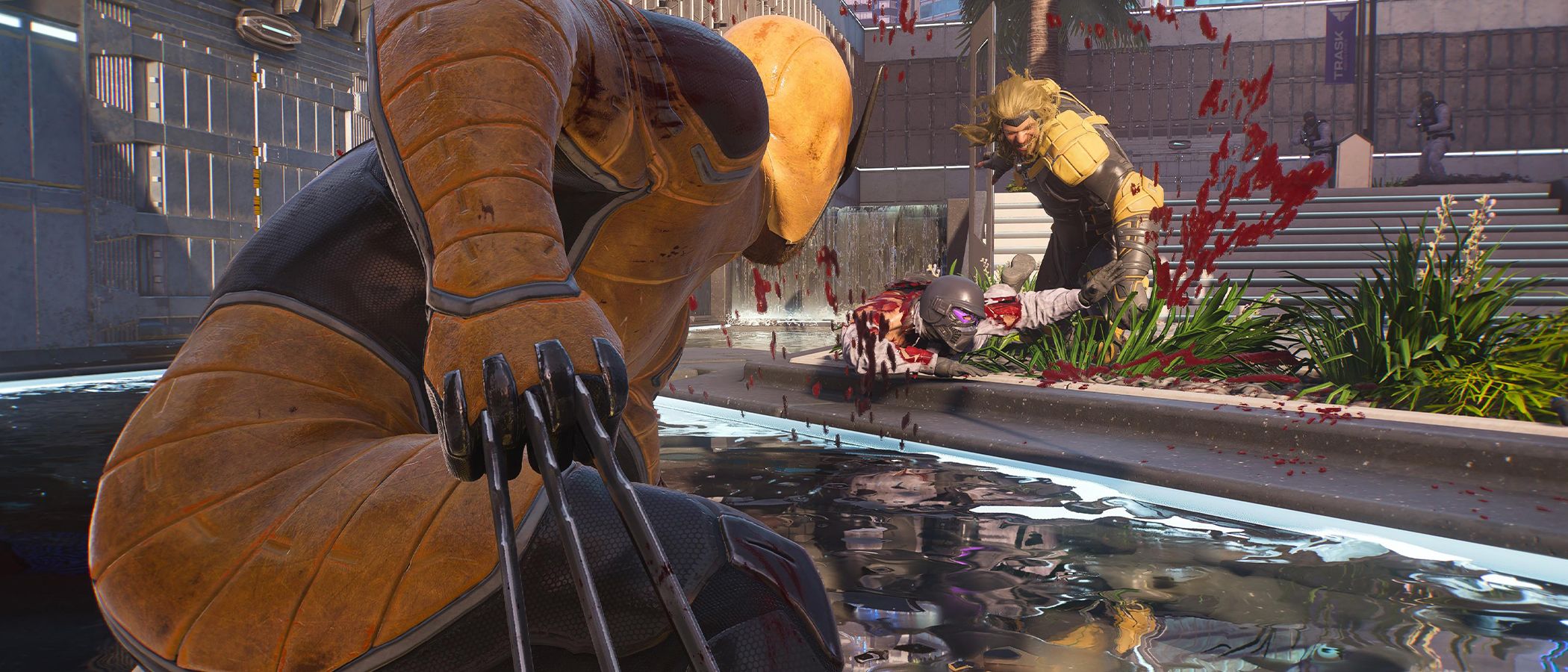
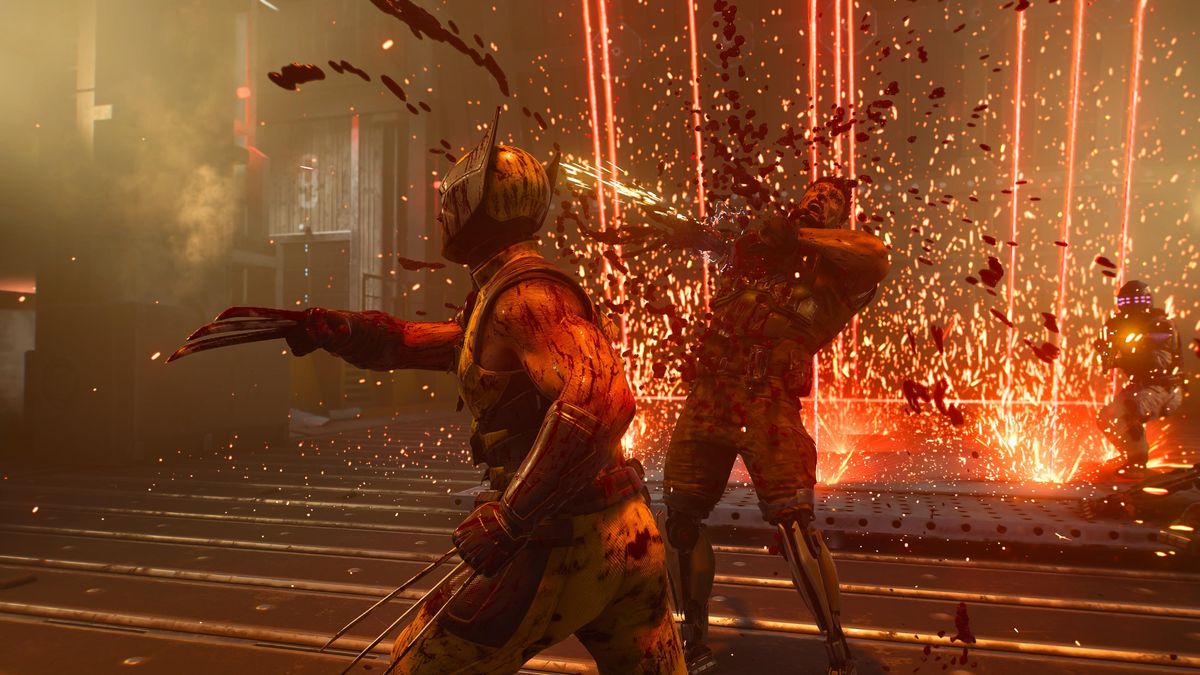
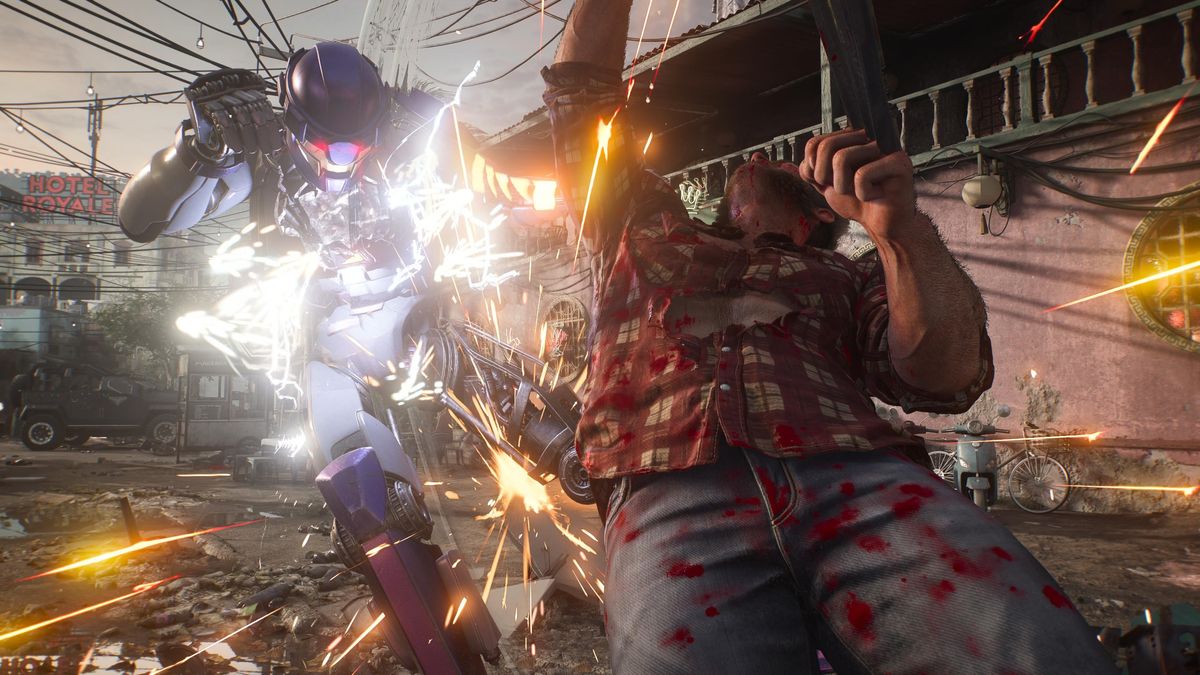
When the gameplay of Marvel’s Wolverine clicks, it is nothing short of transformative. The animation team deserves immense praise for capturing the sheer physicality of Logan; he is heavy, messy, and leaves a trail of destruction in his wake. The initial experience of launching into a room, claws extended, is a masterclass in visceral action.
However, beneath this veneer of high-octane violence, the game suffers from a lack of mechanical depth. On paper, the systems appear robust:

- Combat Foundations: Basic attacks, parries, and dodges are standard, but they are supplemented by "Special Techniques" like the Tornado Spin and Knee Breaker.
- Rage System: A three-tier meter that allows for critical, devastating hits.
- Adaptations: A modification system that allows players to tweak parry windows and health management.
Despite these components, the actual experience of playing the game often devolves into a repetitive "wait, parry, strike" loop. While boss encounters are visually spectacular and choreographed with care, they rely heavily on the same rhythmic requirements as standard grunt battles. Unlike titles such as Ninja Gaiden 4 or Hi-Fi Rush, which reward player creativity and combo-string experimentation, Wolverine often feels as though it is playing itself. The combat prioritizes spectacle over agency, leading to a sense of detachment as the player executes pre-ordained animations rather than mastering a complex system.
Technical Performance and The "Sony Formula"
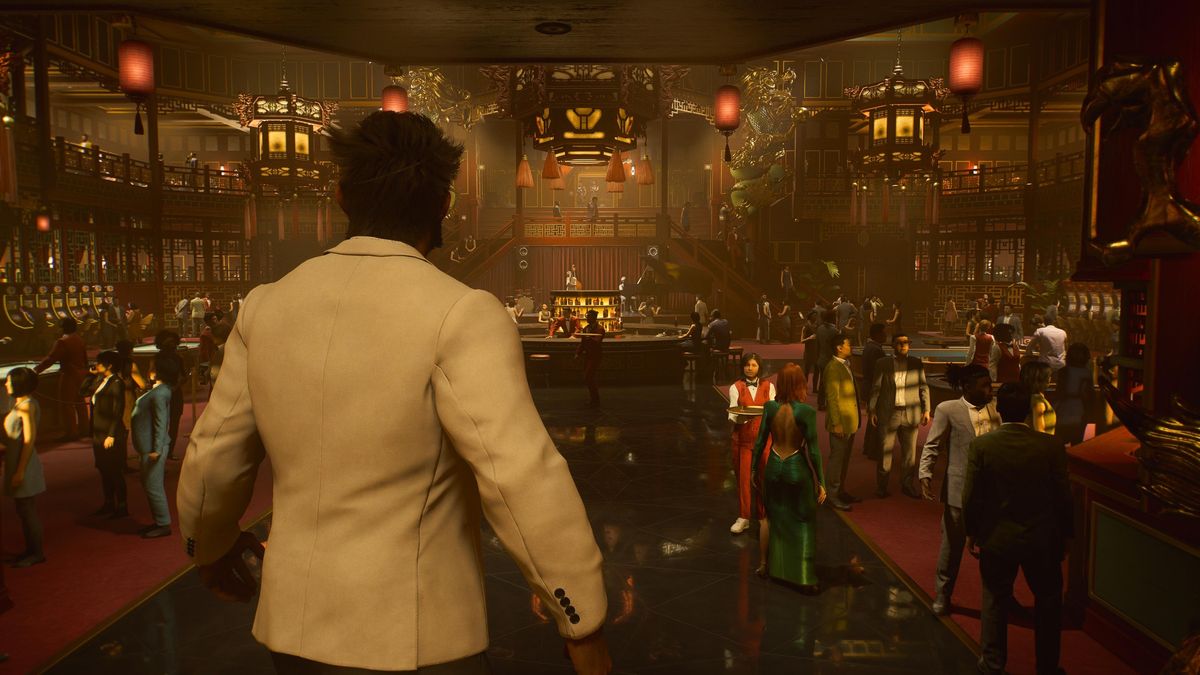
The production values are, as expected from Sony Interactive Entertainment, top-tier. From the detailed environments of a nightclub to the sweeping vistas of Madripoor, the game is a visual feast. However, this is the first major Insomniac title in recent memory where the "Sony formula"—the studio’s tendency to prioritize accessibility and cinematic flow over mechanical depth—begins to show cracks.
Furthermore, the game is marred by occasional technical inconsistencies. Floating NPCs, pathfinding glitches where enemies become lodged in geometry, and noticeable AI stuttering serve as jarring reminders of the game’s limitations. While these bugs are not game-breaking, they disrupt the immersion that the title otherwise works so hard to build.
The "leash" is a recurring theme in Wolverine. When the game opens up—such as during brief moments on the rooftops of Lowtown—it provides a tantalizing glimpse of what a truly open or semi-open Logan experience could look like. Yet, these moments of freedom are short-lived. The game frequently resets players who wander too far, pulling them back into a rigid, linear corridor that, while beautiful, feels restrictive for a character as wild and untamed as Wolverine.
Character Design and Customization
One of the highlights for long-time Marvel fans is the extensive collection of unlockable costumes. Drawing from decades of comic book history, the films, and various animated series, these models are rendered with loving detail. However, this is largely a cosmetic affair. Unlike RPG-heavy titles that allow for meaningful build-crafting, the outfits and claw variants in Wolverine offer little in the way of gameplay variation. The Adaptation system, while functional, never evolves into the robust customization suite that could have elevated the combat beyond its current constraints.
Implications: A Lesson in Restraint
The core issue with Marvel’s Wolverine is the friction between its premise and its execution. Logan is a character defined by chaos and raw, unfiltered power. By placing him in a structure that demands rigid, safe, and "accessible" design, Insomniac has inadvertently diluted the very essence of the hero.
The game’s reliance on the DualSense controller for environmental puzzles—such as using one’s senses to track a lead or feel for hidden mechanisms—is a brilliant use of haptic feedback. It proves that the developers have the creative vision to make Logan feel unique. Yet, these features are underutilized. When the game does offer a moment of player-driven choice, such as using environmental hazards to clear a room, it feels like a highlight. Unfortunately, such moments are the exception rather than the rule.
Final Verdict: Is It Worth the Claws?
Marvel’s Wolverine is a game of two halves. On one hand, it is a beautifully directed, well-acted, and emotionally resonant story that honors the source material. For fans of the character, the narrative journey alone makes it a title worth playing. On the other hand, the gameplay remains stubbornly one-note, shackled by a desire to be as broadly appealing as possible.
Key Takeaways:
- Pros: Outstanding narrative and character work; beautiful visual design; strong environmental interaction in limited bursts.
- Cons: Repetitive combat loop; lack of mechanical depth; restrictive linear design that limits player agency; occasional technical bugs.
Ultimately, Marvel’s Wolverine is a solid, spectacular experience that plays it remarkably safe. It succeeds as a piece of interactive media but leaves the player yearning for a version of the game that trusts its audience enough to let them truly unleash the beast. It is a polished, professional, and visually stunning game that, unfortunately, lacks the razor-sharp edge one would expect from a character with adamantium claws.
For those looking for a cinematic experience, Wolverine delivers. For those looking for the definitive, deep-dive action experience for the character, the search continues. It is a successful foundation, but one that desperately needs to evolve if future iterations are to reach the heights of its potential.


 Asep Darmawan
 Nana
Nana