Lina Irawan
In an era of rapid technological turnover, the lifecycle of a smartphone is often dictated by its battery health. For years, the "batterygate" scandal of 2017 cast a long shadow over Apple’s reputation, forcing the tech giant to reckon with how it manages performance on aging devices. Today, as hardware designs evolve and software becomes increasingly demanding, the question remains: Can a high-end smartphone truly last three years without feeling like a relic?
After putting an iPhone 15 Pro Max through 1,000 charge cycles, the experience offers a compelling look at the intersection of chemical battery degradation, software optimization, and hardware durability.
The Core Facts: Understanding Battery Chemistry
To understand the current state of the iPhone 15 Pro Max, one must first understand what constitutes a "charge cycle." A cycle is completed when a user has used an amount that equals 100 percent of the battery’s capacity—not necessarily from a single charge. If a user drains their phone from 100 percent to 50 percent and recharges it fully, a full cycle is only logged once that additional 50 percent is depleted later.
Historically, Apple designed its batteries for the iPhone 14 series and older models to retain 80 percent of their original capacity at 500 charge cycles. However, the iPhone 15 series marked a significant engineering shift, with Apple rating these units to retain 80 percent of their original health at 1,000 cycles. Having reached this milestone, the device sits at 81 percent capacity. While it has avoided the dreaded "Service Recommended" notification in iOS, the real-world performance drop is palpable. The 4,422 mAh battery, once a two-day endurance champion, now struggles to carry the user through a single demanding day.
A Chronological Perspective: From Launch to Longevity
The Honeymoon Phase (iOS 17)
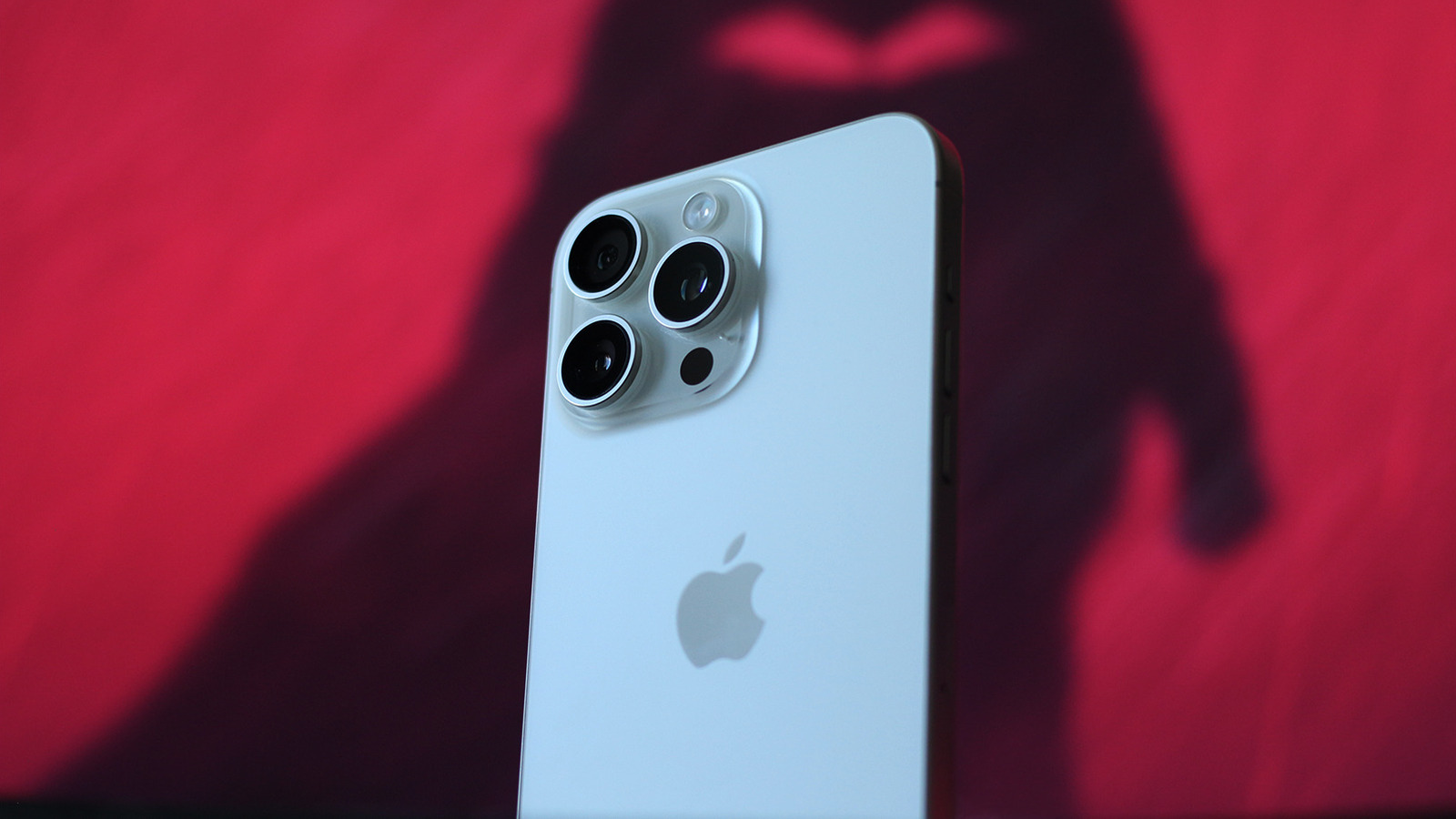
Upon its release, the iPhone 15 Pro Max was a breath of fresh air. With its move to a titanium frame and the introduction of USB-C, the hardware felt premium and modern. During the early days of iOS 17, the device was a performance beast, capable of delivering over 12 hours of screen-on time. Everything was fluid, and the integration of features like the Dynamic Island made the transition from Android feel seamless.
The Software "Slump" (iOS 18 and iOS 26)
The trajectory of the device’s usability took a sharp downturn with the arrival of iOS 18. Users reported erratic battery drain and thermal throttling, particularly when using early iterations of Apple Intelligence. The device would frequently run warm, a byproduct of aggressive background processing that exacerbated the battery’s natural wear.
The situation arguably worsened with the introduction of iOS 26. Touted for its "Liquid Glass" design aesthetic, the software was plagued by stuttering animations and inefficient memory management. For a full year, users were forced to choose between the latest security patches and a stable user experience. During this period, battery health became a secondary concern; the primary issue was that the device simply didn’t feel "Pro" anymore.
The Resurrection (iOS 27)
The narrative shifted significantly with the rollout of iOS 27. Apple, seemingly acknowledging the widespread complaints regarding the instability of the previous OS, pivoted its development focus toward core performance and stability. The improvements were immediate: app launch times increased by 30 percent, photo rendering was 70 percent faster, and AirDrop reliability saw an 80 percent boost. For the iPhone 15 Pro Max, iOS 27 acted as a "second wind," making a three-year-old device feel revitalized.
Supporting Data: Hardware Resilience
While the battery has inevitably degraded, the physical construction of the device remains a testament to Apple’s engineering. The move from stainless steel to titanium in 2023 was a calculated risk that paid off in terms of weight and, as it turns out, durability.
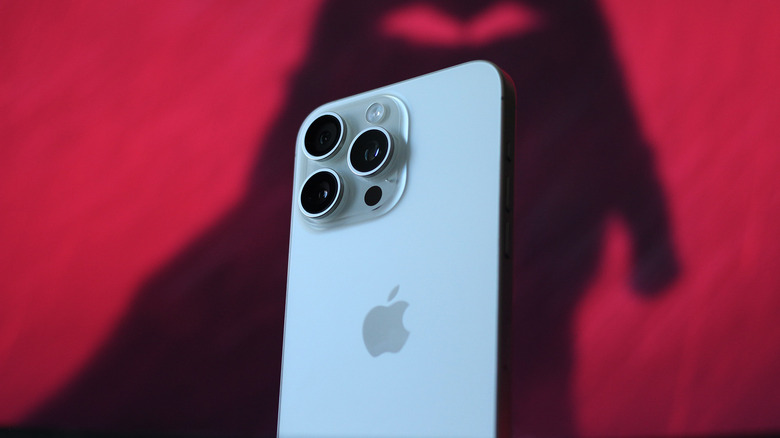
In testing, the titanium frame of the iPhone 15 Pro Max has proven remarkably resilient. Despite regular use without a protective case, the chassis remains free of significant dents or deep scratches. This contrasts sharply with reports concerning the newer iPhone 18 Pro, which has faced scrutiny for its susceptibility to cosmetic damage. While the screen has collected minor micro-abrasions, the structural integrity of the device remains top-tier.
The triple-camera system continues to produce industry-leading imagery, and the haptic feedback and speaker quality have not degraded in the slightest. These components—often overlooked in favor of screen specs or processor benchmarks—are the silent heroes of the device’s three-year longevity.
Official Responses and Industry Standards
Apple’s approach to battery management has evolved significantly since the 2017 controversy. The introduction of the "Battery Health" menu and the cycle count tracker (starting with the iPhone 15 series) represents a shift toward radical transparency.
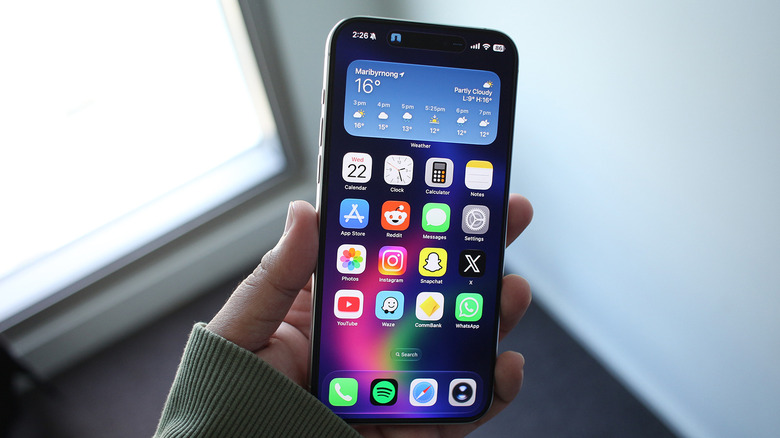
Apple’s official stance remains that batteries are consumable components. By engineering the iPhone 15 and newer models to withstand 1,000 cycles, Apple is effectively signaling a longer support window for its hardware. When the health eventually drops below 80 percent, Apple recommends a battery replacement to restore "peak performance capability." This approach allows users to extend the life of their device for several additional years, provided the software remains optimized.
The Implications: Is Three Years the New Standard?
The experience of using an iPhone 15 Pro Max at the 1,000-cycle mark highlights a critical reality of modern consumer electronics: software longevity is just as important as battery chemistry.
- The Software Ceiling: No matter how well a battery is engineered, poor software optimization can force a premature upgrade. The "lost year" of iOS 26 serves as a reminder that Apple’s software team holds the power to effectively "kill" a phone by making it feel sluggish, regardless of the battery’s health.
- The "Right to Repair" Era: With the device now sitting at 81 percent capacity, the decision to replace the battery becomes a logical economic choice. A battery swap costs a fraction of a new flagship device, potentially extending the utility of the 15 Pro Max for another two to three years.
- Hardware Over-Engineering: The durability of the titanium frame suggests that the physical phone is capable of outlasting the internal power source. If Apple continues to prioritize repairability, these devices could easily remain in circulation for five years or more.
Conclusion
My iPhone 15 Pro Max at 1,000 cycles is not the same phone it was at launch. It requires more frequent charging, and it certainly feels the weight of its years when handling the most intensive tasks. However, thanks to the stabilizing updates in iOS 27 and the robust build quality of the titanium chassis, it remains a highly capable device.
For the average user, the takeaway is clear: do not fear the 1,000-cycle milestone. With proper software maintenance and a potential battery replacement on the horizon, the flagship iPhones of today are built to be kept, not replaced. The "consumed" battery is not a death sentence; it is simply a reminder that even the most advanced machines require periodic maintenance to continue their journey.

 Pevita Pearce
 Nana
Nana