
 Reynand Wu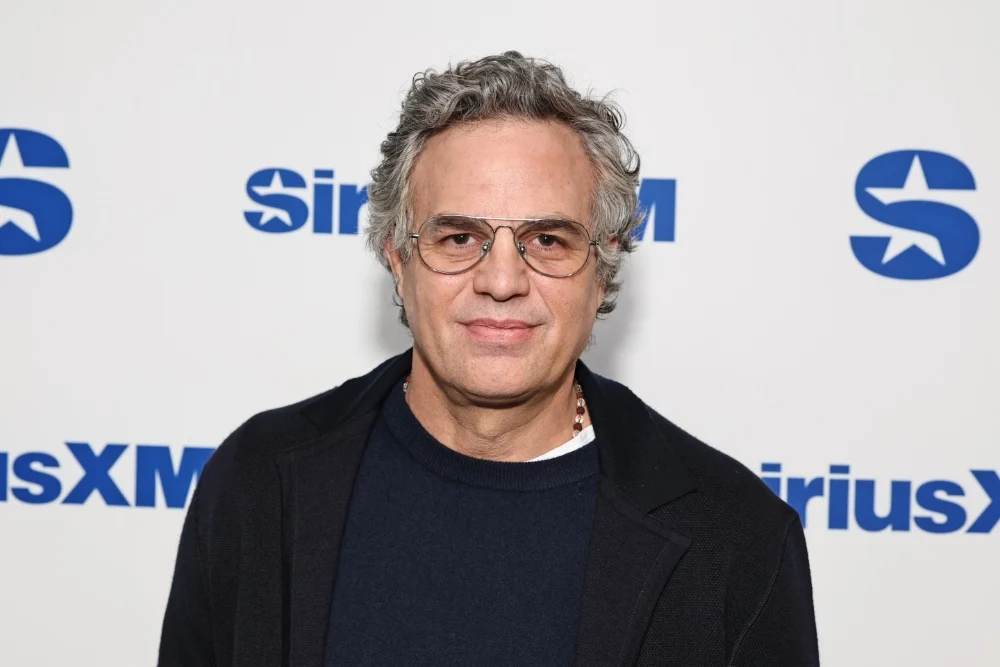
In a development that has sent shockwaves through the corridors of Hollywood and Washington D.C., the long-contested merger between Paramount Global and Warner Bros. Discovery has officially received judicial approval. Following the announcement on Wednesday that the deal is tentatively slated to close next week, the industry finds itself on the precipice of a seismic shift in media consolidation. Standing firmly in opposition to this historic union is actor and activist Mark Ruffalo, who has emerged as the public face of a grassroots movement aimed at curbing the unchecked power of media conglomerates.
The Approval: A Legal Milestone
The approval of the merger represents a significant victory for the executive teams at Paramount and Warner Bros. Discovery, effectively clearing the final legal hurdle that has stalled the transaction for months. Despite fierce resistance from labor unions, creative guilds, and high-profile industry figures like Ruffalo, the court’s decision signals that federal and state regulators have ultimately deemed the consolidation within the bounds of antitrust law.
For the stakeholders involved, this merger is framed as a necessary survival tactic in an era defined by the dominance of streaming giants and the decline of traditional linear television. However, critics argue that the consolidation will result in a homogenized landscape where competition is stifled and the diversity of creative voices is sacrificed on the altar of quarterly earnings.
A Chronology of Opposition: From Whispers to a Roar
The journey toward this merger has been fraught with tension. The initial whispers of a potential deal were met with skepticism, but as negotiations progressed, the skepticism hardened into organized resistance.
- Early Speculation: Throughout 2025, reports began to surface regarding potential acquisition talks between the media titans. The prospect of such a massive consolidation prompted immediate alarm from industry guilds.
- The Mobilization: By early 2026, the movement gained significant momentum. Mark Ruffalo, utilizing his platform to bridge the gap between A-list advocacy and labor activism, began consistently targeting the regulatory bodies tasked with oversight.
- The Legal Stand: A coalition of 12 state attorneys general, led by California Attorney General Rob Bonta, launched a lawsuit aimed at blocking the deal. The legal challenge centered on the potential for reduced market competition and the subsequent harm to consumers and workers.
- The "Don’t Cave" Campaign: Earlier this month, the discourse reached a fever pitch. Ruffalo issued a direct, impassioned public plea to Attorney General Bonta, urging him and his colleagues to hold the line against settlement negotiations. The actor highlighted the collective voice of over 5,670 filmmakers and a petition signed by more than 75,000 citizens.
- The Final Ruling: On Wednesday, the court approved the settlement, effectively silencing the legal challenges and greenlighting the closing of the deal.
Ruffalo’s Stance: A Fight for the Soul of Cinema
In a statement posted to Threads immediately following the verdict, Ruffalo did not mince words. He framed the outcome as a "deeply disappointing" chapter in the history of American media, yet emphasized that the defeat in court does not equate to the end of the movement.
"This merger will stifle creativity, weaken free speech, and cost people their jobs—it is a bad deal for this country and should never have been approved," Ruffalo wrote. His message was a call to action for the thousands who have stood in solidarity with his cause, framing the struggle as a broader fight against "corrupt oligarch billionaires" who prioritize personal wealth over the cultural health of the nation.
Ruffalo’s activism represents a rare moment where a top-tier Hollywood star has leveraged their capital to challenge the very corporate structures that employ them. By shifting the narrative from a dry business transaction to a matter of public interest and labor rights, he has successfully mobilized a demographic that is typically disengaged from antitrust litigation.
Supporting Data and Economic Implications
The concerns raised by Ruffalo and his allies are grounded in substantial economic data. Antitrust experts have long warned that media consolidation leads to "vertical integration," which can act as a barrier to entry for independent creators. When two of the largest production and distribution houses merge, the power dynamic shifts heavily toward the entity, allowing them to control the "pipeline" from development to streaming distribution.
The Human Cost
Labor organizations have echoed Ruffalo’s concerns regarding job security. Historically, major media mergers are followed by rounds of "synergy-driven" layoffs. In an industry already reeling from the aftermath of the 2023 WGA and SAG-AFTRA strikes, the promise of further job losses is a volatile issue. Estimates from industry analysts suggest that the redundant departments—including marketing, distribution, and corporate operations—could face significant staff reductions in the first 18 months post-merger.
The Competitive Landscape
Furthermore, the merger reduces the number of "major" studios in Hollywood. As fewer entities control a larger percentage of content production, the negotiating power of talent—actors, writers, directors, and below-the-line crew—diminishes. The fear is that a monolithic entity will dictate terms that prioritize low-cost, high-yield content, ultimately stifling the "prestige" filmmaking that has defined the American cinematic tradition.
Official Responses and Corporate Strategy
In response to the criticism, representatives for Paramount and Warner Bros. Discovery have maintained that the merger is a proactive step toward fiscal responsibility. Their official statements emphasize:
- Technological Integration: The need to combine streaming infrastructure to better compete with global tech giants like Netflix, Amazon, and Apple.
- Financial Stability: The necessity of eliminating debt and streamlining operations to ensure the long-term viability of their vast content libraries.
- Investment in Content: Executives argue that a stronger, merged company will have a greater capacity to fund high-budget productions and innovate in the digital space.
Despite these assurances, the "empty promises" mentioned by Ruffalo remain a central point of contention. Critics point to previous mega-mergers—such as the AT&T/Time Warner deal—which promised innovation but ultimately resulted in massive divestitures and failed strategic pivots.
Implications for the Future of Media
The fallout from this merger will likely be felt for years to come. If the anticipated layoffs and creative stagnation occur, it may provide the political capital necessary for a renewed legislative push toward more stringent antitrust regulations in the entertainment sector.
A New Era of Activism
Ruffalo’s involvement signals a changing of the guard in Hollywood. The traditional "star system" is evolving into a model where talent is increasingly aware of the corporate machinery that dictates their work environment. Whether this grassroots movement can evolve into a lasting legislative force remains to be seen, but the precedent has been set.
The Regulatory Precedent
This case will undoubtedly be studied by legal scholars and antitrust regulators as a landmark moment. It raises critical questions: At what point does a media company become "too big to fail" or "too big to innovate"? As the industry continues to consolidate, the tension between corporate efficiency and the democratic ideal of a diverse media landscape will only intensify.
Conclusion: The Fight Continues
As the ink dries on the Paramount-Warner Bros. merger agreement, the industry stands at a crossroads. Mark Ruffalo’s final words on the matter—"We’re still in that fight"—serve as a rallying cry for those who believe that the future of storytelling should not be dictated solely by the balance sheets of billionaires.
While the court has ruled in favor of the merger, the court of public opinion remains deeply divided. The months ahead will be a litmus test for the industry. If the promised synergies do not materialize into tangible benefits for the public, the backlash currently being led by Ruffalo and his coalition may transform into a sustained political movement, forcing Washington to reckon with the unchecked power of the modern media oligarchy.
For now, the focus shifts to the transition period. Employees, filmmakers, and audiences alike will be watching closely to see if this marriage of giants creates a new beacon of innovation or if it fulfills the grim predictions of those who fought so hard to stop it. One thing is certain: the era of "business as usual" in Hollywood has effectively come to an end.


 Pevita Pearce
 Asep Darmawan




