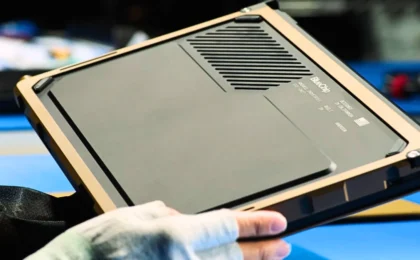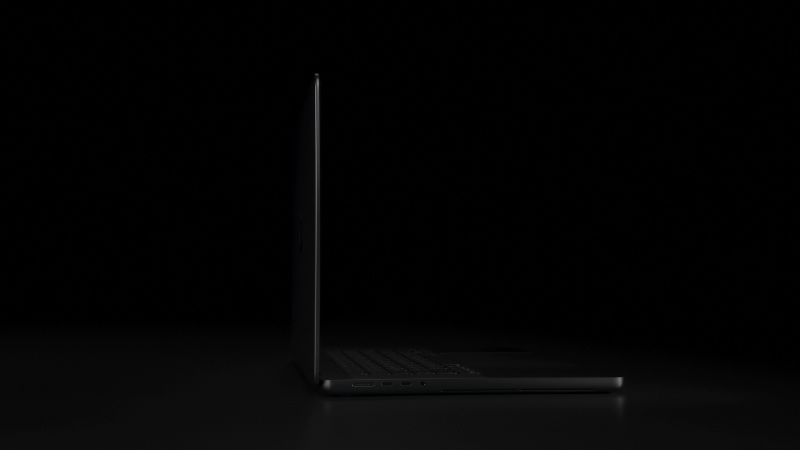
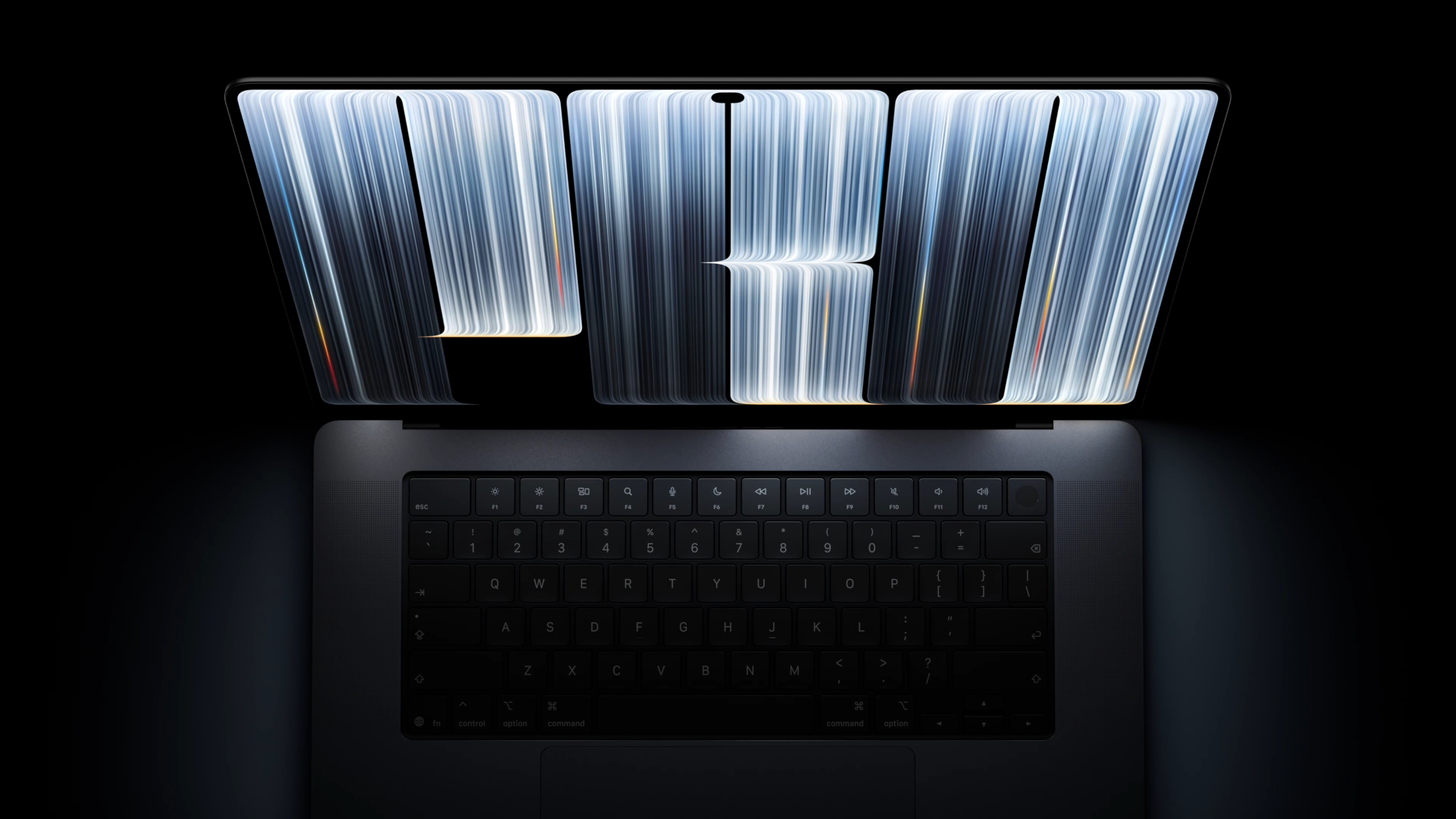
In a move that marks one of the most significant departures from Apple’s long-standing hardware philosophy, the technology giant has officially entered the touchscreen laptop market. During a high-profile keynote event in Los Angeles, Apple unveiled its latest generation of MacBook Pro models, finally integrating interactive touch-interface capabilities into its flagship portable workstations.
For years, Apple’s leadership—most notably the late Steve Jobs—had famously dismissed the utility of a touchscreen on a laptop, arguing that the ergonomics of reaching out to touch a vertical screen were fundamentally flawed. However, the new 14-inch and 16-inch MacBook Pros represent a decisive pivot, combining the tactile fluidity of iPadOS-inspired navigation with the raw, professional-grade power of Apple Silicon.
The Hardware: OLED XDR and Touch Integration
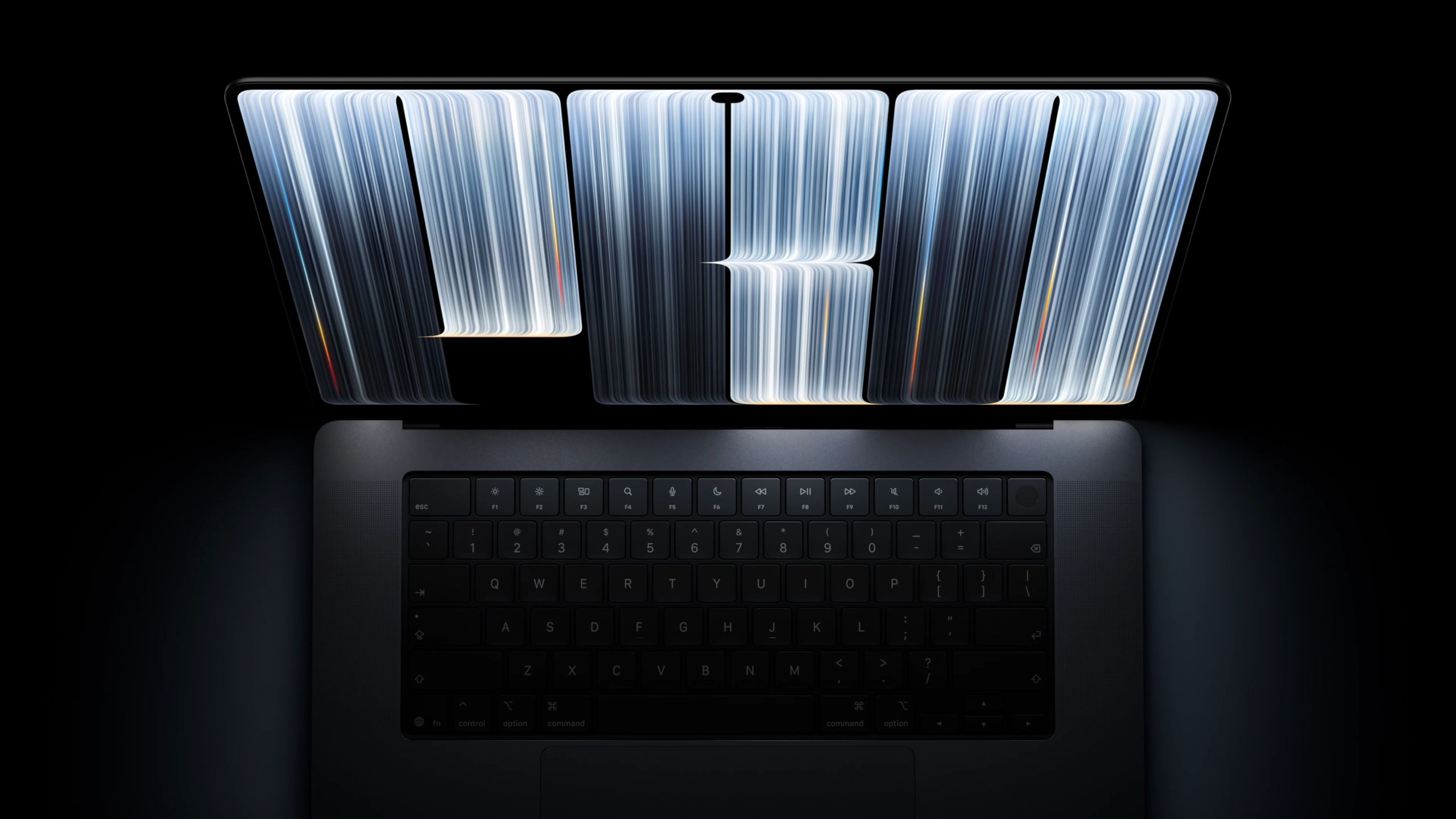
The centerpiece of this announcement is the new OLED XDR display technology. By moving away from traditional LED-backlit panels to a sophisticated OLED architecture, Apple has achieved deeper blacks, higher contrast ratios, and significantly improved power efficiency. More importantly, this display layer has been engineered to support precise multi-touch input, a feature Apple has dubbed "Pro-Touch."
The touch integration is not merely a gimmick; the company has overhauled the macOS interface—provisionally dubbed "macOS Touch"—to accommodate touch-friendly hit targets without sacrificing the dense, efficient layout that professional power users demand.
Technical Specifications at a Glance:
- Processor: Equipped with the latest M5 Pro and M5 Max chips.
- Display: OLED XDR with integrated multi-touch.
- Memory: Configurable up to 128GB of unified memory.
- Storage: Scalable to an industry-leading 16TB of internal SSD storage.
- Availability: Pre-orders are currently open, with shipping scheduled for November 6.
- Pricing: The 14-inch model starts at $2,899, while the 16-inch variant begins at $3,399.
A Chronology of the "Touch" Debate
To understand the magnitude of this release, one must look at the historical friction between Apple’s product design and the industry’s trajectory.
2010: The Early Skepticism
In October 2010, Steve Jobs famously characterized touch-based laptops as "ergonomically terrible." He noted that "touch surfaces don’t want to be vertical," suggesting that users would experience "gorilla arm"—fatigue caused by holding one’s arm in the air for extended periods. For over a decade, this sentiment remained a cornerstone of Apple’s marketing.
2016: The Touch Bar Compromise
Apple experimented with a middle ground in 2016 by introducing the "Touch Bar," an OLED strip above the keyboard. While it offered some contextual shortcuts, it failed to gain widespread developer support and was ultimately discontinued, leaving many users wondering if a true touchscreen would ever materialize.
2020: The Silicon Transition
The launch of the M1 chip fundamentally changed the power-to-thermal ratio of MacBooks. By bringing the efficiency of mobile architecture to the desktop, Apple began closing the gap between the iPad and the Mac.
2024: The Pivot
With the integration of the M5 series chips, the architectural limitations that previously made a high-performance touchscreen difficult to implement—specifically regarding thermal management and battery drain—have been solved. The launch in Los Angeles serves as the final, official reversal of the 2010 stance.
Supporting Data: Why Now?
The decision to introduce touch is rooted in both shifting consumer expectations and significant advancements in hardware efficiency.
According to internal benchmarks provided by Apple, the M5 Max chip offers a 30% increase in computational performance over the M4 generation while maintaining the same thermal envelope. This headroom has allowed engineers to dedicate additional resources to the display stack without compromising the system’s longevity.
Furthermore, market research indicates that the "creative pro" demographic—Apple’s core MacBook Pro user base—has increasingly gravitated toward hybrid devices. By introducing touch, Apple is aiming to reclaim market share from high-end Windows competitors like the Microsoft Surface Laptop and various 2-in-1 workstation devices that have successfully integrated touch input for creative workflows like photo editing and digital illustration.
The jump to 16TB of storage and 128GB of memory also positions these machines as mobile server-grade workstations, suggesting that Apple is betting on AI-driven workflows and high-fidelity video editing, where direct manipulation of assets on the screen provides a tangible productivity boost.
Official Responses and Industry Outlook
Initial reactions from the tech community have been a mixture of validation and intense curiosity. In a statement following the event, Apple’s SVP of Hardware Engineering noted: "We have spent years refining the interaction model for Pro-Touch. This is not about bringing the iPad experience to the Mac; it is about extending the Mac’s capabilities. We have focused on ergonomic workflows that enhance the precision of our creative tools, such as timeline scrubbing in Final Cut Pro or vector manipulation in Illustrator."
Critics, however, remain divided. Some traditionalists argue that the touch interface will inevitably lead to smudges on the high-end OLED panel, while others are concerned about the long-term viability of the hinge mechanism under the pressure of repeated touch input. Apple has countered these concerns by introducing a new "Nano-Texture" glass option, which they claim is more resistant to fingerprints and glare than traditional glass surfaces.
Implications for the Future of macOS
The introduction of touchscreen hardware has profound implications for the software ecosystem. Developers are now tasked with updating their applications to support "Touch-First" interaction patterns. This suggests that the line between iOS/iPadOS and macOS is destined to blur further.
If the MacBook Pro’s touch integration succeeds, we may see a transition where macOS apps become increasingly modular. We could eventually witness a "converged" OS environment where the software adapts dynamically based on whether the user is utilizing a keyboard and trackpad or direct touch input.
The Impact on the Professional Workflow
For creative professionals, the implications are immediate. The ability to manipulate 3D models in software like Blender, or perform color grading in DaVinci Resolve using touch, could reduce reliance on external peripheral devices like drawing tablets. This integration transforms the MacBook Pro from a passive display device into an active canvas.
Economic and Market Shifts
By pricing the entry-level 14-inch model at $2,899, Apple is clearly targeting the enterprise and high-end creative sectors. This is a premium play, intended to solidify the MacBook Pro as the "ultimate" device for those who demand both power and versatility. The competition will now have to contend with an Apple ecosystem that finally offers a complete, premium touchscreen experience, potentially forcing a price correction or a feature arms race among premium Windows laptop manufacturers.
Conclusion
The release of the touchscreen MacBook Pro is a milestone that closes a long chapter of design dogma and opens a new era of flexibility. By reconciling the power of the M5 architecture with the intuitive nature of touch, Apple has once again shifted the goalposts for the laptop industry.
As we approach the November 6 shipping date, the industry will be watching closely. Whether this integration becomes the new standard for all future computing or remains a luxury feature for the professional tier, one thing is certain: the way we interact with our computers has fundamentally changed, and the "gorilla arm" debate has been officially laid to rest in favor of a more tactile, immersive future.