In a move that further blurs the lines between third-party AI assistants and proprietary platform ecosystems, OpenAI has officially expanded ChatGPT’s capabilities to include native support for Apple’s iCloud Mail and iCloud Calendar. This integration, rolled out in late October 2026, allows users to bridge the gap between their personal digital organization and the sophisticated reasoning engines of OpenAI’s language models.
By enabling these new plugins, users can now task ChatGPT with managing their schedules, summarizing correspondence, and surfacing specific information buried within their iCloud accounts. This update brings parity to ChatGPT’s cross-platform utility, effectively placing Apple’s services on the same footing as Gmail and Google Calendar, which have long been supported within the OpenAI ecosystem.
The Mechanics of the Integration
The new functionality is designed for seamless accessibility across the entire ChatGPT landscape. Whether a user is operating from a desktop browser, the dedicated web interface, or the mobile application on iOS, the plugins function as a connective layer between the user’s Apple ID and the AI’s processing core.
To activate these features, users must navigate through a security handshake. Because Apple mandates rigorous privacy standards, the integration requires users to log in with their Apple account and generate an "app-specific password." This credential, distinct from one’s primary Apple ID password, provides the necessary authentication for the plugin to interface securely with iCloud’s API endpoints without compromising the user’s primary account security.
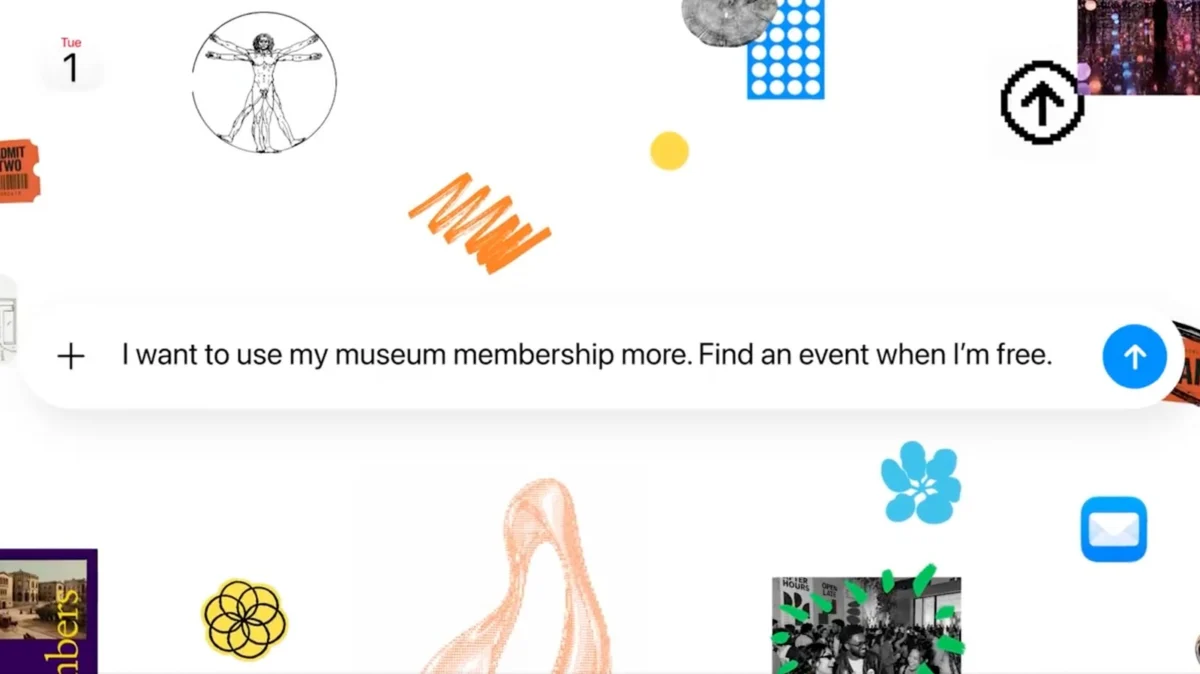
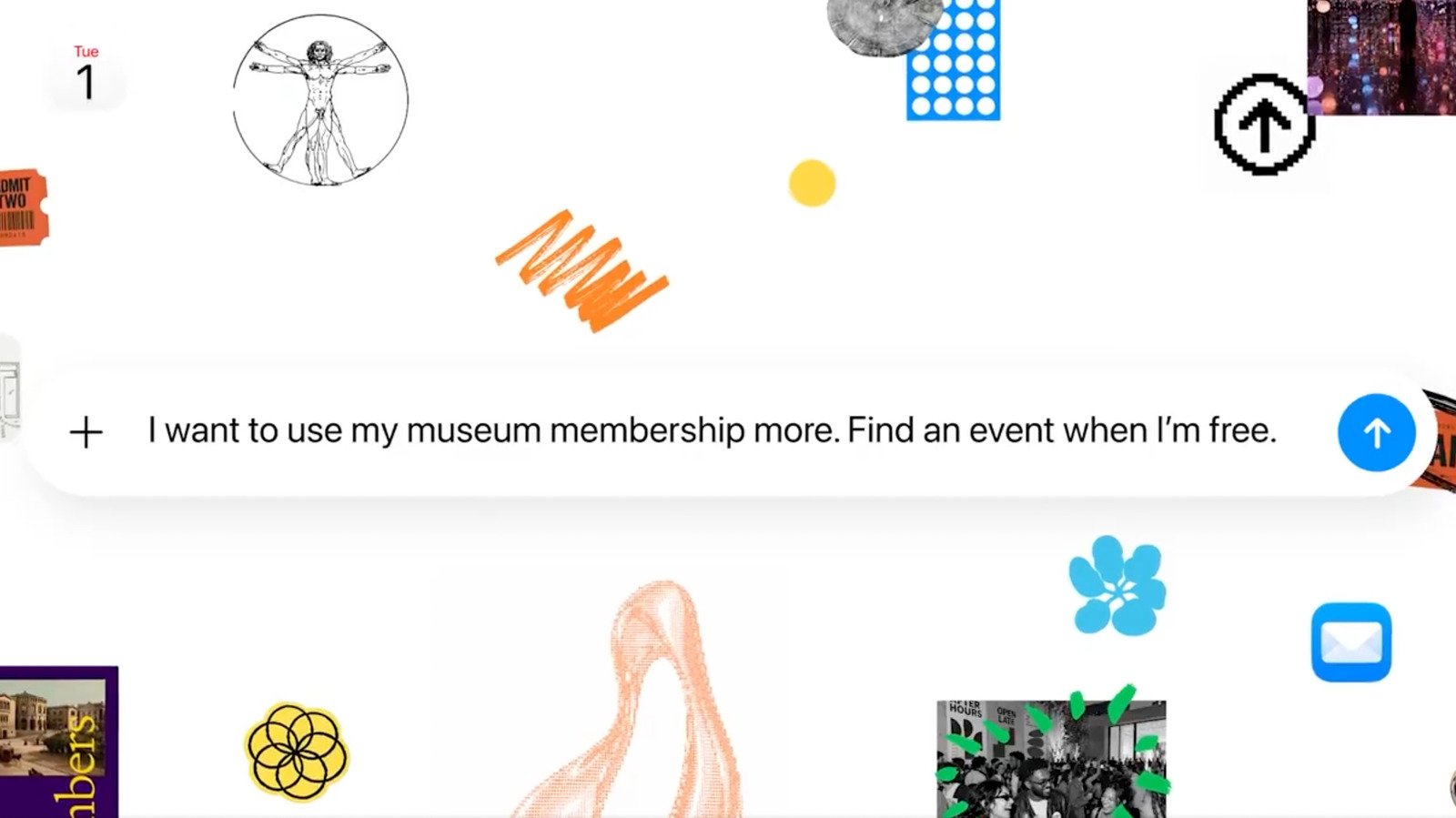
Once authenticated, the utility of the tool becomes immediately apparent. Users can issue natural language prompts such as, "Find the confirmation email for my flight next Tuesday," or "Check my calendar and let me know if I have any conflicts on Thursday afternoon." The AI then retrieves, interprets, and acts upon the data, effectively turning the inbox and calendar into a queryable, actionable database.
Chronology: A Relationship of Convenience and Contention
The arrival of these plugins occurs against the backdrop of one of the most complex corporate relationships in Silicon Valley history. The history of OpenAI and Apple’s collaboration—and subsequent friction—is a case study in how "coopetition" shapes the modern technology landscape.
- Initial Synergy: Following the early explosion of ChatGPT, Apple sought to leverage generative AI to revitalize its own assistant, Siri. Initially, OpenAI was the primary partner for this integration, positioning ChatGPT as a cornerstone of the broader "Apple Intelligence" initiative.
- The Pivot to Gemini: Mid-2026 marked a significant turning point when industry reports confirmed that Apple had expanded its AI strategy to include a deep partnership with Google, specifically utilizing Gemini models for certain system-level tasks. This maneuver was widely interpreted as an attempt by Apple to avoid over-reliance on a single AI provider.
- Legal Escalation: The tension reached a boiling point in July 2026, when Apple filed a high-profile lawsuit against OpenAI. The litigation alleged that former employees of Apple had leaked proprietary trade secrets to OpenAI, which were subsequently used to bolster the development of its large language models. Apple’s public rhetoric during this period was sharp, with legal filings describing OpenAI’s infrastructure as "rotten to its core."
- The October Reconciliation: Despite the legal hostilities, October 2026 brought a strange twist. Alongside the unveiling of the M6-powered iMac and MacBook Pro lineup, Apple announced updates to its Creator Studio suite. In a surprising development, these professional-grade tools for Pages, Numbers, and Keynote began incorporating features powered by OpenAI models.
This current rollout of iCloud plugins suggests that, despite the courtroom battles, the functional necessity of these services—for both the consumer and the companies—trumps political optics.
Supporting Data and Accessibility
A key feature of this release is its democratic availability. Unlike some premium-tier features that are gated behind expensive subscription walls, OpenAI has confirmed that the iCloud Mail and Calendar plugins are available to all users across all tiers of service. This includes:
- Free-tier users: Enabling basic access to inbox and calendar queries.
- Pro-tier subscribers: Access to the full suite of features, including the ability for "Dots"—OpenAI’s autonomous personal agents—to leverage these plugins to perform multi-step tasks.
For example, a Pro user might instruct their "Dot" to "look at my calendar for tomorrow, find my lunch meeting, and send an email to the participant confirming the time and location." The integration of the agentic layer with iCloud data represents a significant step toward the "automated assistant" paradigm that has been the industry’s "holy grail" for over a decade.
It is important to note, however, that this integration is not a universal bridge. These plugins are specifically designed to interact with iCloud-hosted services. If a user utilizes Apple’s Mail app on macOS to manage a non-Apple service (such as an Outlook, Yahoo, or enterprise-hosted Exchange account), the ChatGPT plugin will not have visibility into those mailboxes. It is strictly an iCloud-to-OpenAI data bridge.
Official Responses and Strategic Positioning
OpenAI’s official communication surrounding the launch has been deliberately understated, focusing on the utility for the end-user rather than the geopolitical implications of the partnership. The official ChatGPT X (formerly Twitter) account framed the update as a direct response to customer feedback: "Much requested, and now yours to connect."
The messaging emphasizes the reduction of "cognitive load," positioning the tool as a way to "catch up on your inbox" or "check what’s next" without the manual friction of switching between applications.
Apple has remained largely silent on the specific technical details of the integration, adhering to its policy of allowing third-party developers to build on top of its secure APIs so long as they adhere to user-privacy protocols. However, industry analysts suggest that Apple’s decision to allow this deep-level integration is a strategic concession. By allowing OpenAI to function within its ecosystem, Apple ensures that its users remain within the Apple hardware environment, even if they choose to utilize a non-Apple AI service.
Implications: The Future of the "Agentic" OS
The implications of this integration are profound for both the user experience and the future of the operating system.
1. The Death of the Application Silo
Historically, data has been locked within the confines of specific applications. Your email lived in Mail, and your schedule lived in Calendar. By providing an AI layer that can traverse these silos, the OS becomes less of a collection of apps and more of a unified, searchable environment. This is a significant move toward the vision of the "Agentic Operating System," where the software anticipates and fulfills needs rather than simply awaiting commands.
2. Privacy vs. Convenience
This update inevitably raises questions regarding data privacy. Entrusting an external AI model with access to one’s private communications and calendar is a significant leap of faith. OpenAI has emphasized that these plugins operate within the existing privacy framework of their service, but for privacy-conscious users, the decision to grant an AI model read/write access to a personal iCloud account will be a major point of deliberation.
3. The Future of the Apple-OpenAI Relationship
The fact that these plugins were released even as legal proceedings continue suggests that the two companies are locked in a "frenemy" dynamic. Apple needs the best AI models to keep its hardware relevant in the age of AI, and OpenAI needs access to the vast, high-quality data ecosystems that Apple controls to train and improve its models.
As we move further into the M6 hardware cycle, it is likely that we will see further "deep integrations." Whether this signals an eventual thaw in the legal tension or simply a pragmatic acceptance that both companies need each other to win the AI arms race remains to be seen. For now, users can enjoy a more connected digital life—one where their AI assistant finally has a seat at the table of their personal data.