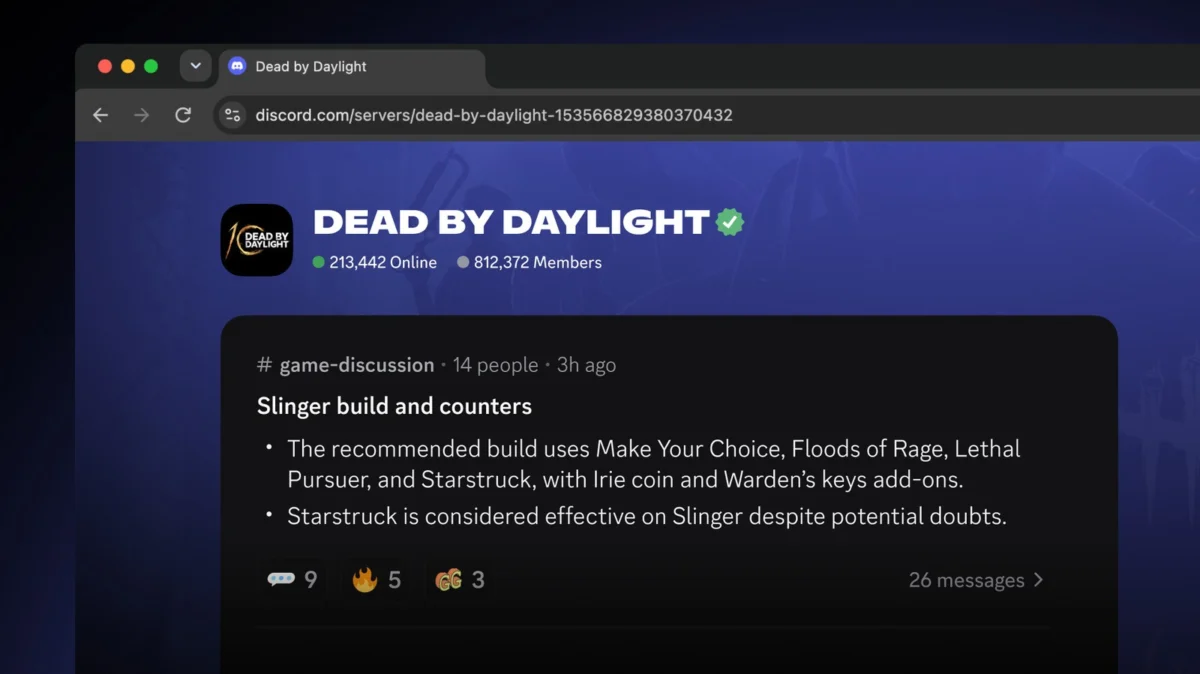
In a significant shift toward broader internet integration, Discord has announced a major update to its "Discoverable Servers" infrastructure. Beginning November 16, the platform will roll out new "Server Web Pages" for its largest public communities, effectively transforming previously walled-off conversations into indexed web content. By mid-December, messages posted in these public channels may begin appearing in Google and other search engine results, marking a departure from Discord’s long-standing reputation as a "dark social" space—a platform where conversations happen away from the reach of search engine crawlers.
This strategic pivot aims to treat Discord communities more like Reddit threads or specialized forums, allowing users to find specific answers, game discussions, or hobbyist advice through standard web searches. However, the move has reignited intense debates regarding digital privacy, the boundaries of user-generated content, and the complexities of consent in an increasingly transparent social landscape.
The Chronology of the Update
Discord’s transition toward searchability is a measured, multi-phase rollout designed to mitigate user backlash while ensuring compliance with international data protection laws.
- Initial Announcement (October/November): Discord formally disclosed the policy change via its official blog, outlining the introduction of "Server Web Pages."
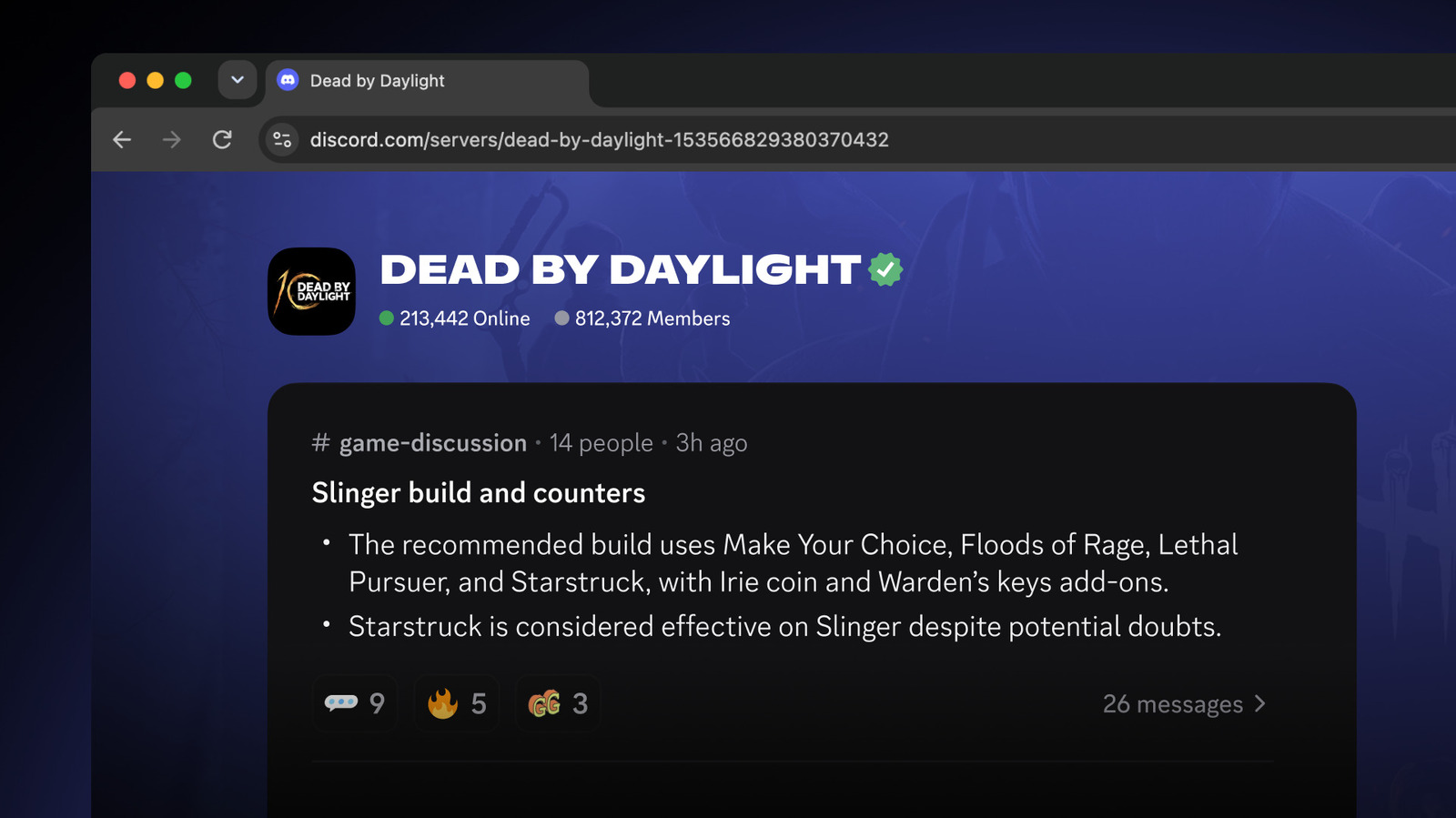
- November 16: The official launch of Server Web Pages begins. These landing pages act as a bridge, displaying descriptions and summaries of ongoing conversations within public, discoverable channels.
- Mid-December: The transition to full indexability commences. Discord will begin allowing search engines to crawl these specific public channels, meaning individual messages—previously visible only to server members—will become searchable via the open web.
- The Regulatory Buffer: Recognizing the stringent privacy expectations in specific global markets, Discord has adjusted its rollout for the EU, UK, Canada, Brazil, Australia, and South Korea. In these regions, the feature is disabled by default, requiring users to manually opt-in if they wish for their content to be public.
Understanding the Scope: What Changes, and What Remains Private
To understand the implications of this change, it is vital to distinguish between the types of digital spaces Discord hosts. The platform has been careful to emphasize that this change does not apply to the entirety of the application.
The "Discoverable" Definition
The policy is strictly limited to Discoverable Servers. These are communities with at least 1,000 members that have opted into Discord’s discovery features, meaning they are publicly listed and do not require an invitation link to join. These servers are often centered around massive fandoms, software development communities, or gaming groups.
Private Sanctuaries
Private servers, Direct Messages (DMs), and Group DMs remain completely unaffected. The platform’s core ethos of "your place to talk" remains intact for these categories, which will continue to be invisible to search engine crawlers and public web pages.
Anonymized Visibility
Crucially, Discord has implemented a layer of obfuscation. While the messages themselves will be indexed by search engines, they will not be tethered to a user’s identity. The posts will appear without the author’s username or avatar, theoretically protecting the individual user from being doxed or targeted based on a single search result.
Supporting Data: Why Now?
Discord’s move is largely viewed as a response to the "Knowledge Gap." Currently, if a user has a highly specific technical question—such as a niche bug in a video game or a complex coding issue—they are more likely to find the answer on a legacy forum or a Reddit thread. By indexing its content, Discord is positioning itself to become a primary repository of tribal knowledge.
The platform is essentially attempting to capture the SEO (Search Engine Optimization) traffic that currently bypasses it. By allowing a user to search "How to fix X in [Game Name]" and having a Discord message appear in the results, the company increases its utility as a search engine, potentially driving more traffic and new sign-ups to the platform.
Official Responses and Privacy Safeguards
Discord’s management has framed the change as an evolution of its discovery mission, but they have also provided several "off-ramps" for those uncomfortable with the change.
Opt-Out Mechanisms
- For Admins: Server administrators have the authority to opt-out specific channels from being indexed. If a community leader feels that a particular channel is too sensitive for public viewing, they can toggle that channel’s "Search Engine Indexing" settings to "Off."
- For Individual Users: In their personal "Data and Privacy" settings, users can opt out of having their contributions indexed entirely. This acts as a global kill-switch for the user’s history within discoverable servers.
- The "Teen" Exclusion: In a move to comply with child safety regulations and industry best practices, Discord has excluded teen accounts from this feature. Users identified as teens cannot turn on the "index my messages" feature until they reach adulthood, effectively shielding them from the potential risks of public internet exposure.
Implications: The End of "Dark Social"?
The shift represents a fundamental change in the internet’s structure. For years, "Dark Social" (content shared in private groups, DMs, or non-indexed forums) has been a safe haven for users to express themselves without the permanent, searchable weight of the "Open Web."
The Privacy Conundrum
While Discord claims the removal of names and avatars provides sufficient anonymity, privacy advocates remain skeptical. "The content itself can be identifying," says one cybersecurity expert. "If a user discusses their specific job title, their city, and their unique personal struggle in a public channel, it doesn’t matter if their username is stripped. The message itself acts as a fingerprint."
The Burden of Consent
The fact that many users are being "opted in" by default (outside of the protected international markets) places a significant burden on the user to stay informed. Many casual users may not realize their contributions to a gaming chat are now permanent fixtures of the global search index. This has led to concerns that the average user—who may not read Discord’s updated Terms of Service—will be caught off guard when their past comments appear in a Google search.
Implications for Community Management
For server moderators, this change introduces a new layer of work. Moderators will now have to act as curators of content for the general public, not just their members. They must ensure that the "summaries" generated by Discord’s automated systems are accurate and that the content being indexed does not violate safety guidelines or contain sensitive information.
Conclusion: A New Era for Discord
Discord is walking a fine line. By embracing the open web, it seeks to grow its influence and utility, moving from a chat app to a search destination. However, in doing so, it risks alienating a user base that migrated to the platform precisely because it wasn’t Facebook, Twitter, or Reddit.
The success of this initiative will likely depend on how effectively Discord communicates the opt-out features to its user base. If the platform prioritizes transparency and gives users genuine, easy-to-use control over their data, it may successfully bridge the gap between private community and public information hub. If, however, it is perceived as prioritizing growth over the privacy of its members, the platform may face another wave of user dissatisfaction, potentially stifling the very communities it hopes to showcase.
As of late 2024, the digital landscape is watching closely. Discord is effectively testing whether a "walled garden" can be partially opened without losing the trust that allowed it to grow so rapidly in the first place. Whether this becomes the future of social search or a cautionary tale of platform overreach remains to be seen.