Main Facts: A New Chapter in the Sun
In a major lifestyle and professional pivot, the world-renowned cosplay duo Benni and Kamui have officially relocated their operations from Bavaria, Germany, to the Portuguese island of Madeira. This move marks the end of an era in their German studio and the beginning of a fresh, sun-drenched chapter for the creators. Driven by a desire to escape the seasonal depression caused by long, dark German winters and an increasingly burdensome bureaucratic landscape, the duo sought a location renowned for its temperate climate and artistic inspiration.
After meticulous research into global climate rankings, the pair settled on Madeira, a region famous for its eternal spring. This relocation is not merely a change of address; it is a fundamental reconfiguration of their creative process. By trading cold, confined workspaces for a light-filled, purpose-built environment, the pair aims to revitalize their passion for art and streamline the logistics that previously hampered their productivity.

Chronology: The Journey of Transformation
The transition from a German workshop to a Mediterranean creative hub was a multi-phased project that spanned several months of intense planning and logistics.
- The Decision (Late 2023): Facing burnout fueled by both the climate and the stifling administrative demands of self-employment in Germany, the duo decided that a radical change was necessary to sustain their twenty-year career.
- The Migration: The logistical challenge of moving a professional studio—which included massive costume builds, delicate props, life-sized mannequins, and heavy industrial machinery—was managed through a large-scale shipping operation. The process required container rentals and extensive inventory management.
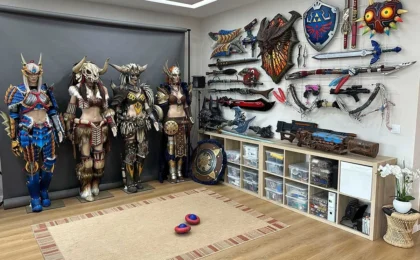
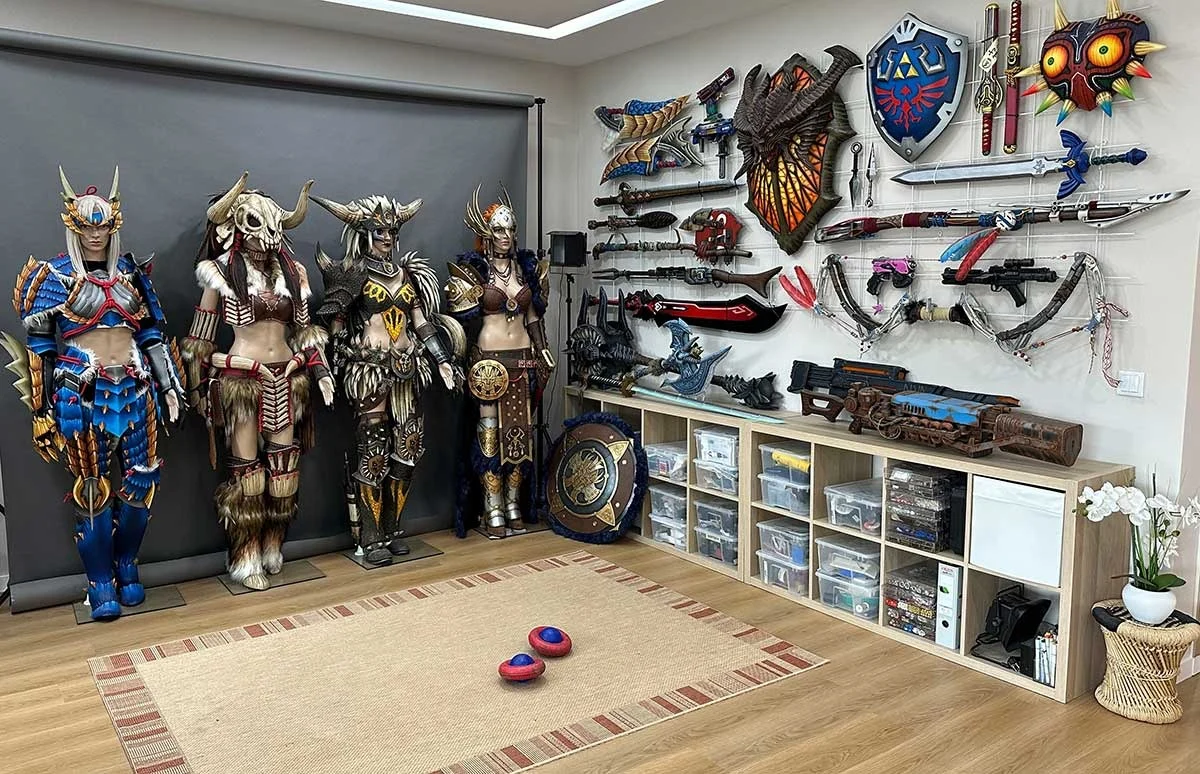
- Strategic Planning (Winter 2024): Upon arrival in Madeira, the pair prioritized finding a living space that could accommodate their professional needs. They opted to flip traditional floor plans, repurposing a large living room as their primary studio and converting the largest bedroom into their living area.
- Digital Blueprinting: Leveraging their 3D modeling expertise, the duo utilized Blender to construct a virtual replica of their new space. This allowed for precise placement of shelves and equipment, ensuring that the "dirty" work—such as 3D printing and sanding—was isolated from the "clean" areas used for filming and display.
- Final Setup: With the physical move complete and their organizational systems in place, the studio is now fully operational, serving as the new headquarters for their global creative output.
Supporting Data: The Anatomy of a World-Class Workshop
Building a professional-grade workshop is an exercise in efficiency and foresight. Kamui Cosplay emphasizes that a functional space does not require a massive square footage, but rather a disciplined approach to organization.

The Power of 3D Planning
Why rely on standard room-planning apps when you have 3D modeling skills? The duo chose Blender for its precision. Unlike consumer-grade interior design software, Blender allowed the creators to measure every centimeter of their space. This level of granularity proved vital when fitting heavy industrial equipment into a residential footprint. Furthermore, separating the workshop into two distinct zones—a "clean" showroom for video production and a "dirty" zone for chemical-heavy tasks—mitigates health risks associated with 3D printing fumes and sanding dust.
Furniture and Storage Solutions
The duo advocates for a modular approach to furniture. Their setup relies heavily on versatile, accessible storage systems like IKEA’s Kallax and Ivar lines.

- Kallax Systems: Utilized for heavy-duty display and structured storage, these units house everything from fabric rolls to complex electronic components.
- Ivar Systems: These are preferred for storing raw materials such as EVA foam, thermoplastic rolls, and paint supplies.
- Accessibility: A core tenet of their organizational philosophy is visibility. By using translucent boxes and attaching fabric swatches to the outside of storage containers, they eliminate the "hoarder’s trap" of forgetting what materials are already in stock, thereby preventing redundant purchases and reducing waste.
Material Management and Sustainability
With two decades of experience, the pair has learned that the most effective workshop is one that is lean. During the move, the duo undertook a massive "decluttering" phase, donating surplus fabric, paints, and tools to local cosplay clubs in Germany. This act of community contribution highlights an essential lesson: growth in artistry requires the courage to let go of unused supplies.
Official Perspectives: The Philosophy of the Craft
For Kamui, the evolution of a workshop is a reflection of the artist’s own career arc. Reflecting on twenty years of creation, the duo notes that their studio was not built in a day. It began as a small, shared corner of a room, evolved into a dedicated craft space, and has finally matured into a multi-room professional facility.

"Your workshop will grow with you just as you grow as an artist," the duo notes. This perspective serves as a reminder to beginners that the lack of a professional studio should not be a barrier to entry. The focus should remain on the passion for the craft, with infrastructure developing incrementally as skills and professional demands scale.
Regarding the "necessity" of tools, they advocate for a curated collection. While they maintain a massive inventory—ranging from faux leathers and high-quality fake furs to advanced airbrush paints and primers—they stress that the "holy grail" for any foam armor maker remains high-quality contact cement and a reliable heat gun.

Implications: A New Era for the Cosplay Community
The relocation of Kamui Cosplay to Madeira serves as a case study in the intersection of mental health, professional efficiency, and geographic mobility. By openly sharing their move, the duo has provided the global cosplay community with a blueprint for how to professionalize their creative environments.
Implications for Aspiring Creators
- Environment Matters: The correlation between environment and mental well-being cannot be overstated. A workspace that is organized, well-lit, and climate-controlled directly correlates to the quality of output and the longevity of the artist.
- Strategic Planning: The use of 3D modeling to plan a physical space is an underutilized strategy in the DIY community. It minimizes errors and prevents the purchase of furniture that doesn’t fit the actual workflow.
- The "Accessible Hobby" Debate: As the cost of materials and space continues to rise, the duo’s emphasis on community donation and the reuse of older, reliable equipment offers a sustainable path for those concerned about the accessibility of the hobby.
Looking Ahead
The move to Madeira is not just a change of scenery; it is an investment in the next twenty years of Kamui Cosplay’s career. By creating a space that optimizes both their physical health and their creative output, the duo has set a new standard for what a professional, independent creative studio looks like in the digital age.

As they settle into their island home, they continue to document their processes, offering fans and fellow creators a transparent look at the reality of professional crafting. Their journey serves as a poignant reminder that even the most established artists must periodically reinvent their environment to keep the flame of creativity burning bright. Whether you are working from a small desk in a shared apartment or building out a full-floor studio, the principles of clear organization, purposeful material management, and intentional growth remain the keys to a thriving creative life.