Since the global launch of Genshin Impact in 2020, the game has evolved from a popular open-world RPG into a cultural phenomenon that has redefined the standards of digital fashion. Among the game’s vast roster of characters, Captain Beidou of the Crux Fleet stands out as a symbol of maritime strength and elegance. For world-renowned cosplayer Kamui Cosplay, this character was not just a design inspiration, but a complex engineering challenge. This report explores the eight-week journey of bringing a digital warrior into the physical realm, blending traditional craftsmanship with cutting-edge manufacturing technology.

The Genesis of the Crux Captain
The project began with a personal connection. A Genshin Impact player since 2021, Kamui—known for her deep involvement in the cosplay community—found immediate resonance with the character of Beidou. The character, a mighty claymore-wielding warrior and captain of the Crux, presented a visually intricate design that often proves deceptive.

While mass-produced, low-cost versions of this costume are readily available on the global market, the ambition here was different: to recreate the character’s aesthetic with the precision and quality expected of professional-grade prop and costume design. The collaboration was catalyzed by an official outreach from HoYoverse, the developers behind Genshin Impact, marking a significant intersection between the game’s commercial branding and the grassroots creative energy of the cosplay community.

Chronology of Construction: An Eight-Week Odyssey
Phase 1: Patterning and Material Sourcing
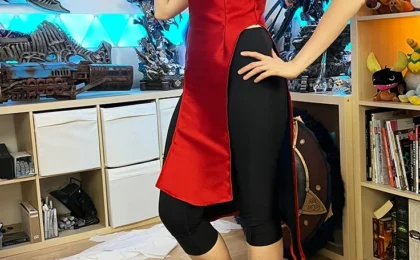
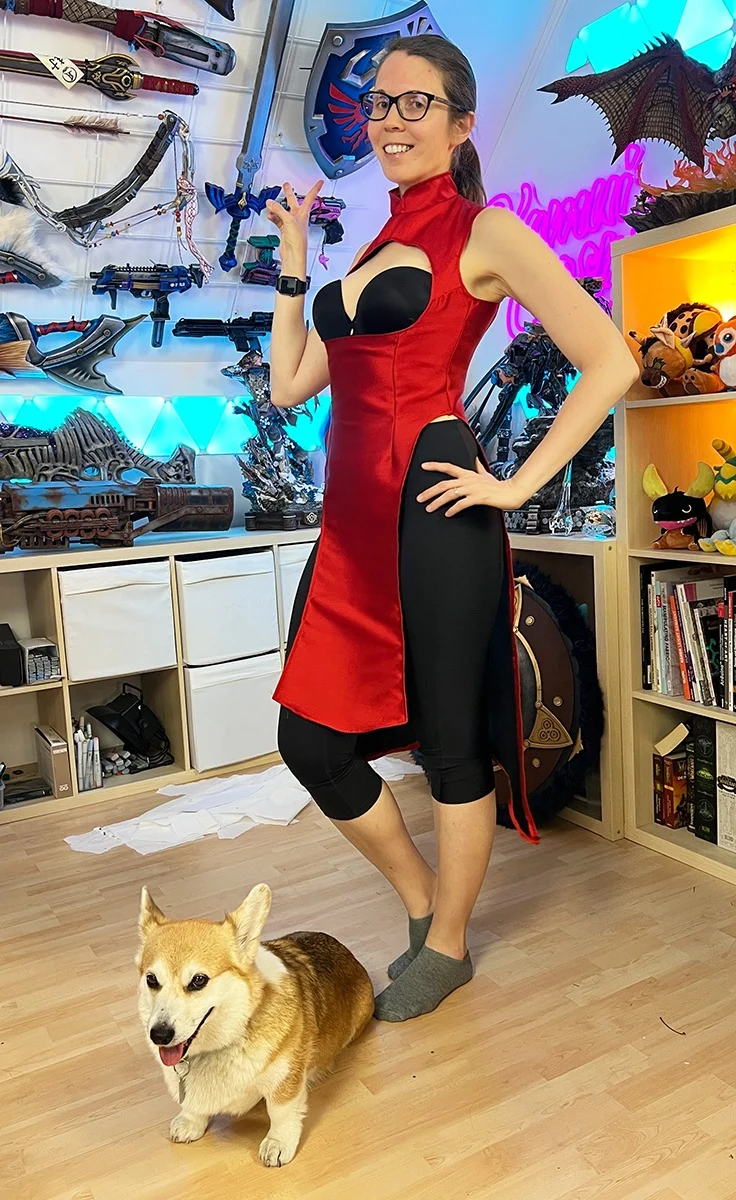
The process kicked off with the “duct tape pattern technique,” a tried-and-true method for achieving a bespoke fit. By wrapping the body in layers of duct tape and drafting the garment’s contours directly onto the surface, the team ensured the costume would fit with surgical precision. These templates were then transferred to linen fabric for a preliminary fitting.

Seeking authenticity, the search for fabric led away from online vendors to a local boutique in Düsseldorf. Avoiding the unpredictability of online textile shopping, the choice landed on a heavy, shimmering silk that provided the necessary gravitas for a captain’s attire.

Phase 2: Sewing and Assembly
With the patterns locked, the assembly utilized dual sewing machines—a Brother Innovis 550 SE for primary tasks and a Brother Innovis 50 for backup. Contrary to popular belief, the project emphasizes that high-end equipment is secondary to pattern accuracy. To maintain a professional finish, the cape and dress were meticulously hand-stitched, an aesthetic choice that prioritizes invisible seams over the efficiency of a machine.

Phase 3: Laser Precision and 3D Engineering
A critical aspect of Beidou’s design is her ornate, metallic detailing. To meet the project’s tight deadlines, Benni, a key collaborator, utilized a Flux laser cutter. By converting character assets into vector files, the team was able to rapidly produce the intricate golden and black vinyl accents that define the outfit.

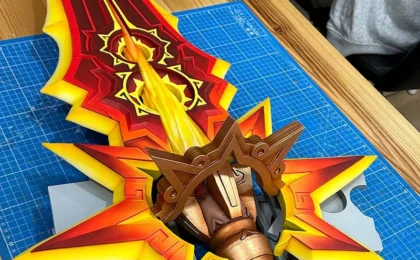
Simultaneously, the weaponry—the iconic "Blackcliff Slasher" claymore—underwent a massive 3D-printing process. Using two Zortrax m200 printers, the team spent two weeks running continuous prints. The assembly of the sword was a masterclass in prop finishing: three weeks of sanding, priming, and airbrushing were required to achieve the realistic metallic luster, demonstrating the significant labor-intensive nature of high-fidelity prop creation.

Phase 4: Final Touches and Wig Styling
The final stage focused on the “human element.” Collaborating with Florence from Bakka Cosplay, the team developed a custom, high-durability wig. A unique, pragmatic design decision was made during this phase: because the creator deals with limited vision in her right eye, the costume’s design—including the eyepatch and hair-parting—was mirrored. With HoYoverse’s approval, the team flipped the character’s design, ensuring both visual accuracy and physical safety while navigating the dense crowds of a convention floor.

Technical Data and Tooling
The success of this project relied on a fusion of hardware and traditional techniques. The following inventory highlights the tools utilized throughout the production cycle:

- Primary Fabrication: Brother Innovis 550 SE & Brother Innovis 50 sewing machines.
- Rapid Prototyping: Flux Laser Cutter for vinyl appliqués; Zortrax m200 3D printers for the claymore.
- Adhesion Systems: Guetermann HT2 fabric glue, noted for its ten-year track record in extreme-stress costume environments.
- Digital Integration: The use of Games Fashion Archive for 3D model references and Unreal Engine for environmental post-production during the photoshoot.
Official Collaboration and Community Implications
The collaboration between a major developer like HoYoverse and an independent creator like Kamui Cosplay speaks to a shifting paradigm in the gaming industry. Official developers are increasingly recognizing that the "fan-made" ecosystem is a crucial component of their marketing and community engagement strategies.

By providing the creative space for such high-end renditions, developers essentially validate the investment of time and money that top-tier cosplayers put into their craft. This creates a feedback loop: the game becomes more visible through high-quality photography and social media content, while the cosplay community gains institutional recognition.

The Future of "Digital Reality"
One of the most compelling aspects of this project was the final photoshoot. Rather than relying on weather-dependent outdoor locations, the team utilized a green screen combined with Unreal Engine backgrounds. This technique allows for the creation of immersive, high-fantasy environments that would be impossible to capture in the real world.

This hybrid approach—blending physical costume work with digital background rendering—represents the next frontier for professional cosplay. It effectively bridges the gap between the game’s virtual world and the physical presence of the wearer.

Conclusion: Is the Effort Justified?
When asked whether it is worth creating a costume from scratch—especially when commercial options exist—the answer lies in the nuance of "craftsmanship vs. consumption." The eight-week duration, the two weeks of 3D printing, and the endless hours of sanding and sewing culminate in a result that mass-produced garments simply cannot replicate.

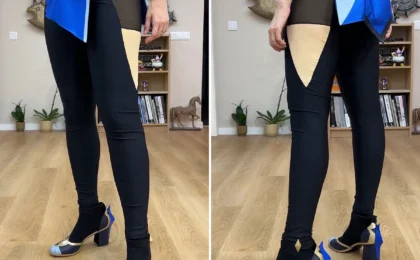
For the serious artisan, the value is not just in the final photo, but in the problem-solving journey: the comfort of custom-fit shoes, the safety of a mirrored wig, and the durability of hand-stitched seams. While buying a costume is an accessible entry point for fans, the "Kamui" method proves that there is an entire industry of engineering, art, and innovation waiting for those willing to pick up a needle, a printer, and a vision of their own. As cosplay continues to grow, this level of technical dedication will likely remain the gold standard for those looking to truly "become" their favorite characters.