In an era where generative AI is rapidly transforming the landscape of creative industries, many emerging artists and designers are feeling the weight of uncertainty. From headlines announcing widespread layoffs to the introduction of "time-saving" software that threatens to replace human intuition with algorithmic output, the horizon of film production appears increasingly digitized. However, for industry veteran Christopher Glass, the narrative that technology will render the human designer obsolete is not just premature—it is fundamentally flawed.
With over two decades of experience shaping the visual language of feature films, television, and high-end commercials, Glass stands as a staunch advocate for the enduring power of tactile, practical design. As an Art Directors Guild (ADG) Award-winner and Gold Cannes Lion recipient, Glass has built a career on the belief that while the tools of the trade may evolve, the core necessity of the human spirit in storytelling remains immutable.
The Architect of Ambience: Defining the Role
Despite his impressive portfolio, Glass acknowledges a recurring challenge: the pervasive misunderstanding of what a production designer actually does. Even within his own inner circle, the nuances of the role remain elusive.
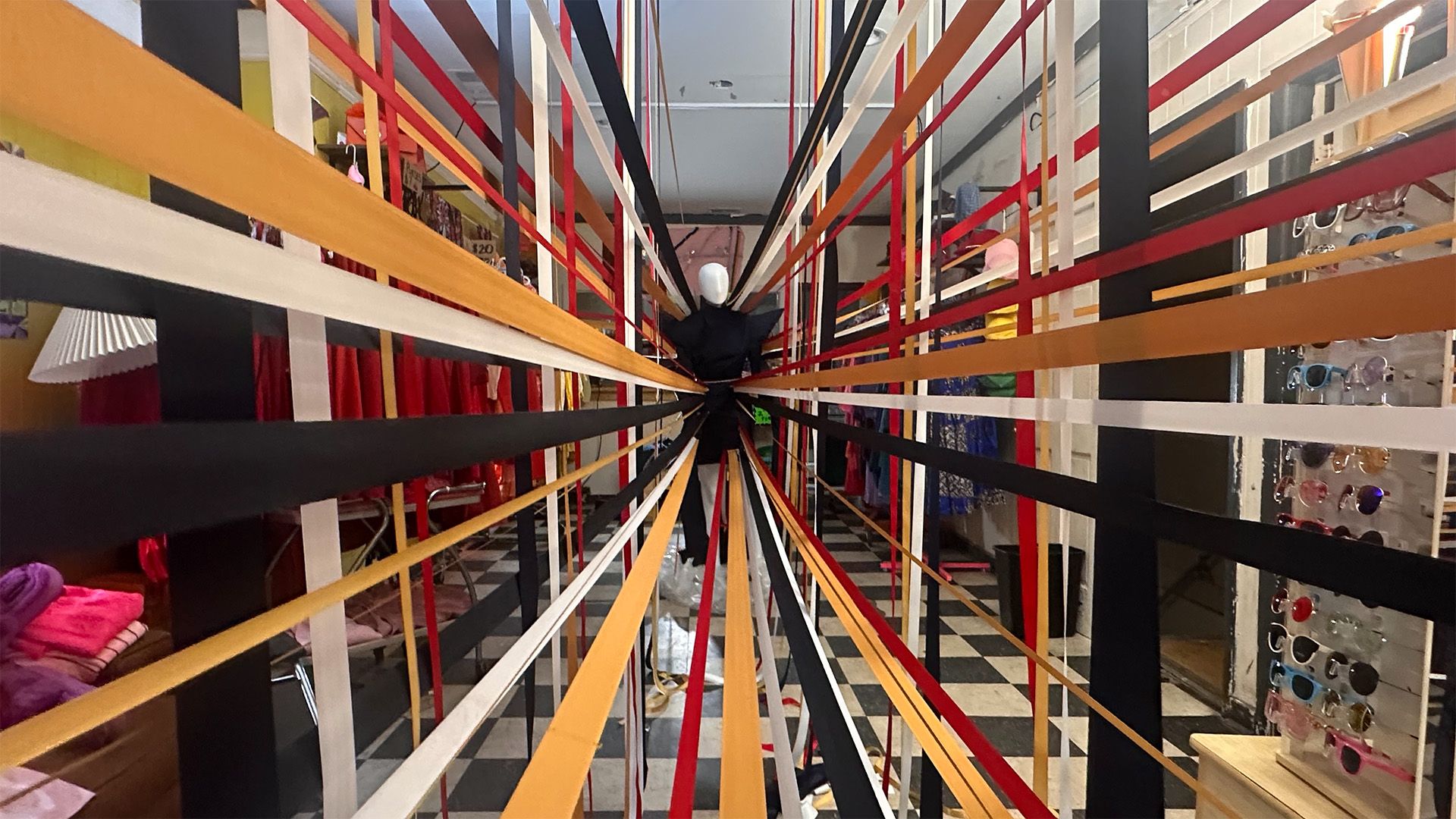
"I wish people knew what production designers do," Glass notes. "A lot of my own family don’t understand what I do for a living. It’s easy to say we are responsible for the look of everything in a film except the costumes, cinematography, and the off-camera lighting, but even that sounds ambiguous."
At its core, production design is the synthesis of narrative and environment. It is the bridge between the director’s abstract vision and the tangible, physical reality that appears on screen. While the public often conflates the role with art direction or set decoration, the production designer is the primary architect of a film’s "emotional geography." They are the individuals who decide how a room should feel, how light should interact with texture, and how the physical space can either impede or empower the characters moving through it.
The Evolution of the Craft: From Practicality to Pixels
Glass’s career has spanned the transition from the golden age of physical construction to the current "post-digital" era of filmmaking. Having collaborated with some of the most influential directors in both cinema and advertising, he has witnessed the rise of CGI, the dawn of the LED volume, and now, the encroachment of generative AI.
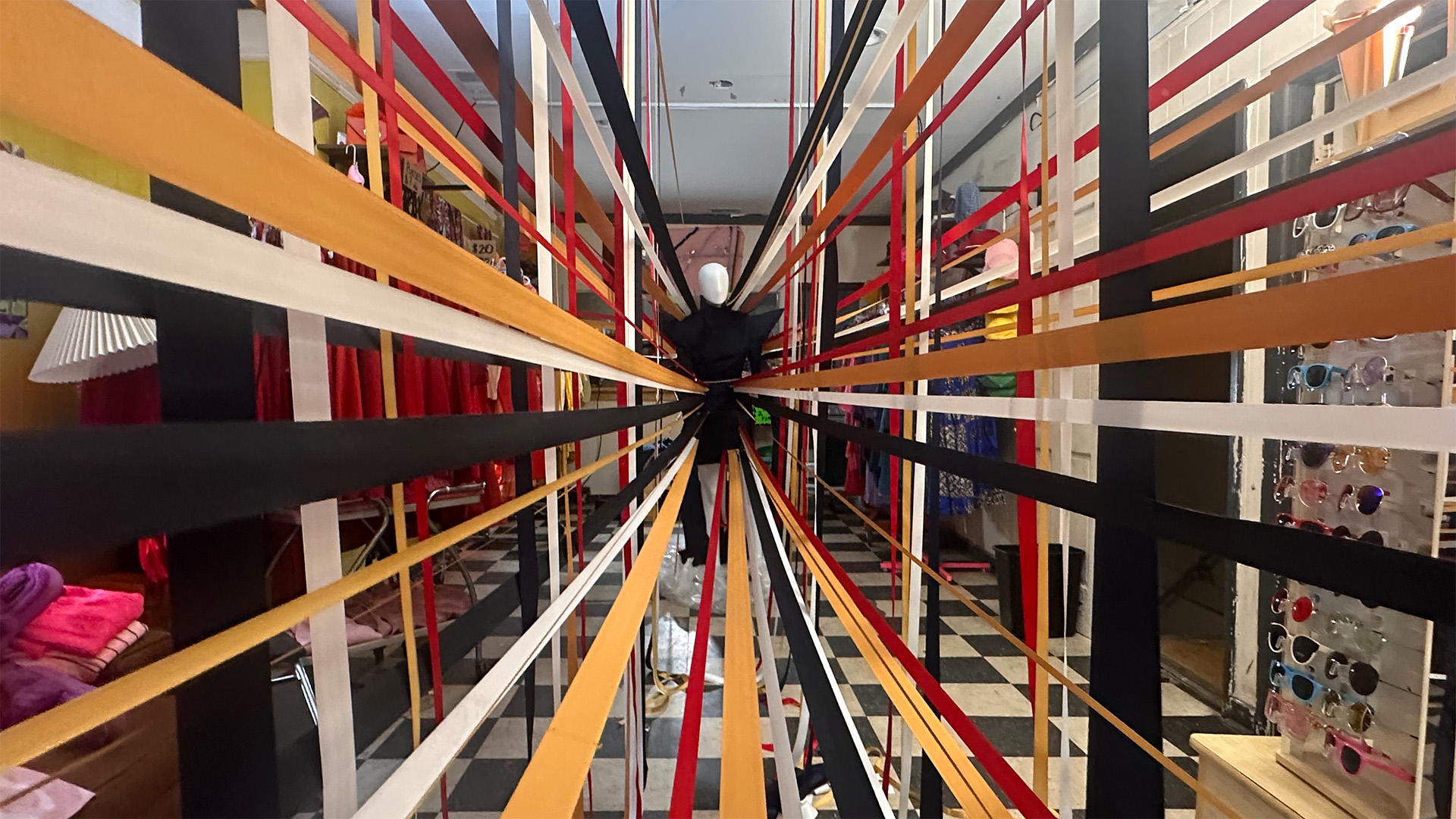
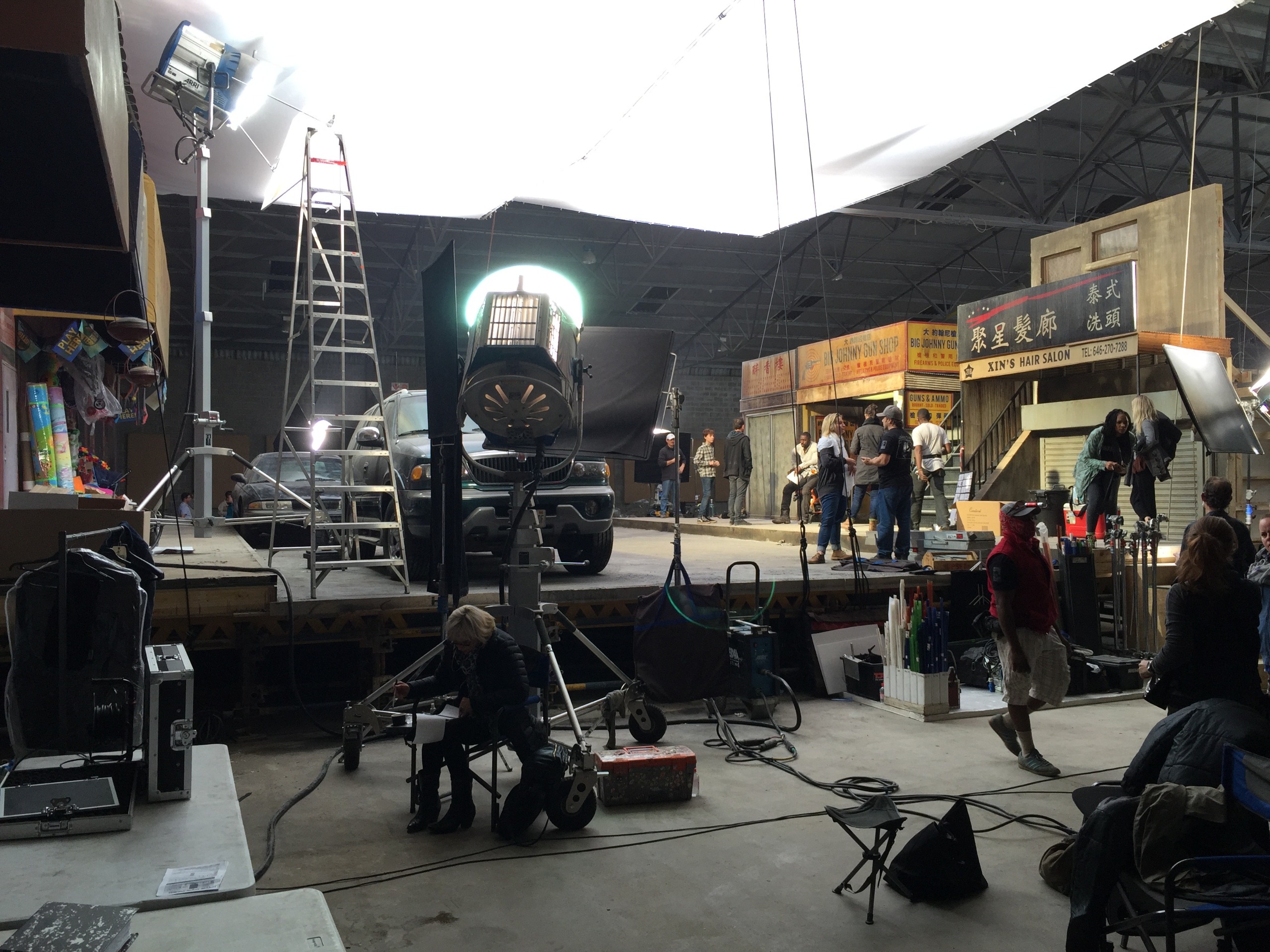
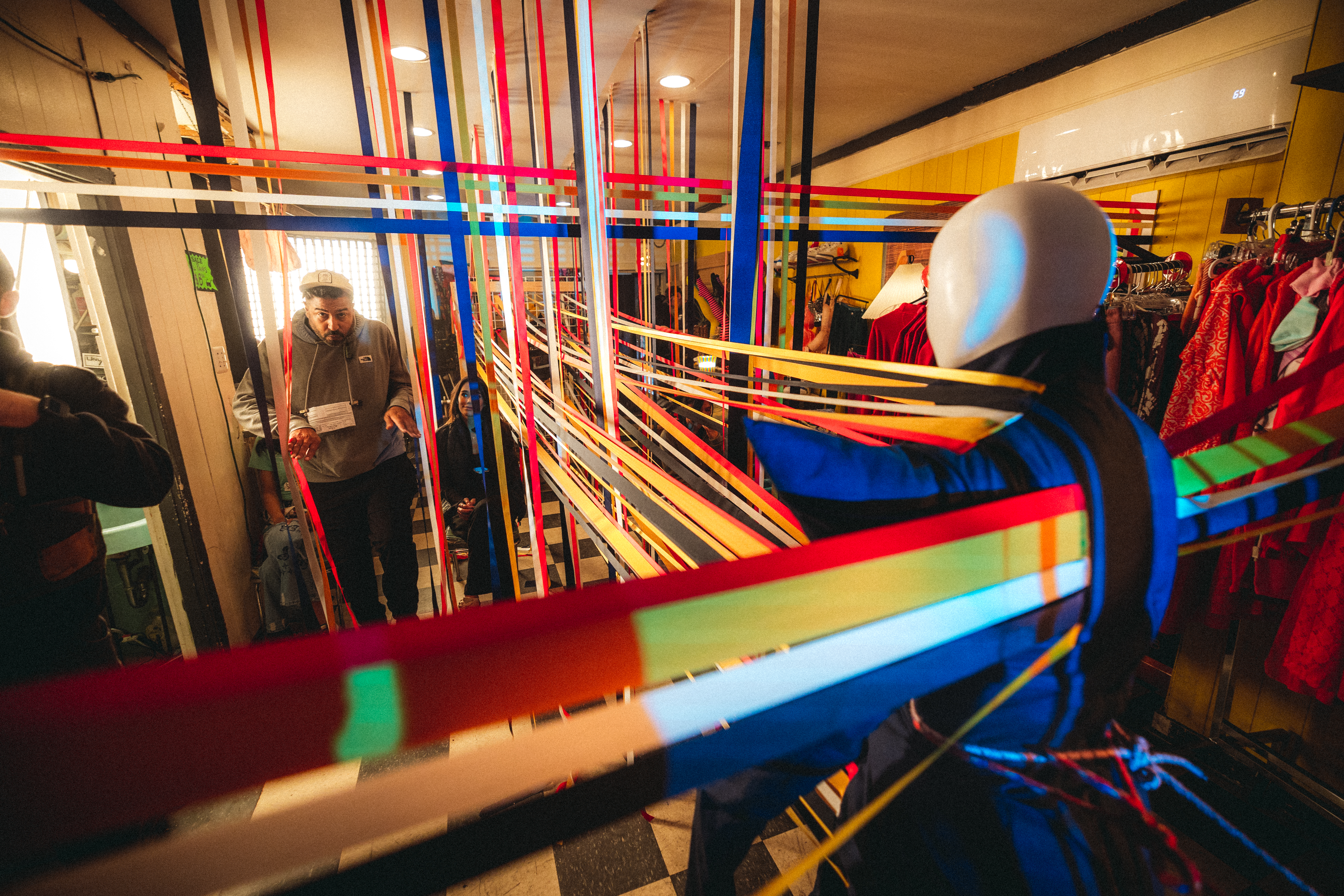
Throughout these shifts, Glass has maintained a consistent philosophy: actors thrive in reality. While modern performers are masters of their craft, capable of conjuring immense emotional depth against a blank green screen, there is an undeniable shift in energy when they step onto a built, tangible set.
"Actors always respond better to real sets, people and FX," Glass explains. "It’s simple. They have incredible imaginations; however, nothing beats having something there to interact with."
This tactile philosophy is the cornerstone of his work. By prioritizing physical textures, real lighting, and practical effects, Glass creates a feedback loop of authenticity that informs the actor’s performance, which in turn influences the camera work, ultimately resulting in a more grounded cinematic experience.
The AI Paradox: A Tool or a "Monster"?
The central tension in the current creative discourse is the integration of Artificial Intelligence. For Glass, the relationship with AI is complex and fraught with nuance. He does not view it as a singular, monolithic threat, but rather as an economic force that is being "forced upon" the industry without a consensus from the creators themselves.
"AI is the antithesis of feelings," Glass argues. "It is a removal of humanity. It is something we, as designers, feel forced and obligated to use due to economics and survival."
The Technical Utility
Glass is not a luddite; he acknowledges the raw, technical efficiency of these tools. He predicts a near-future where traditional obstacles—such as green screens and massive LED volumes—become obsolete. The ability to perform instantaneous rig removal and rapid set extensions offers undeniable economic advantages. In the fast-paced world of advertising and commercial production, these tools can serve as high-speed sketchpads for communicating visual intent between directors and production teams.
The Human Vacuum
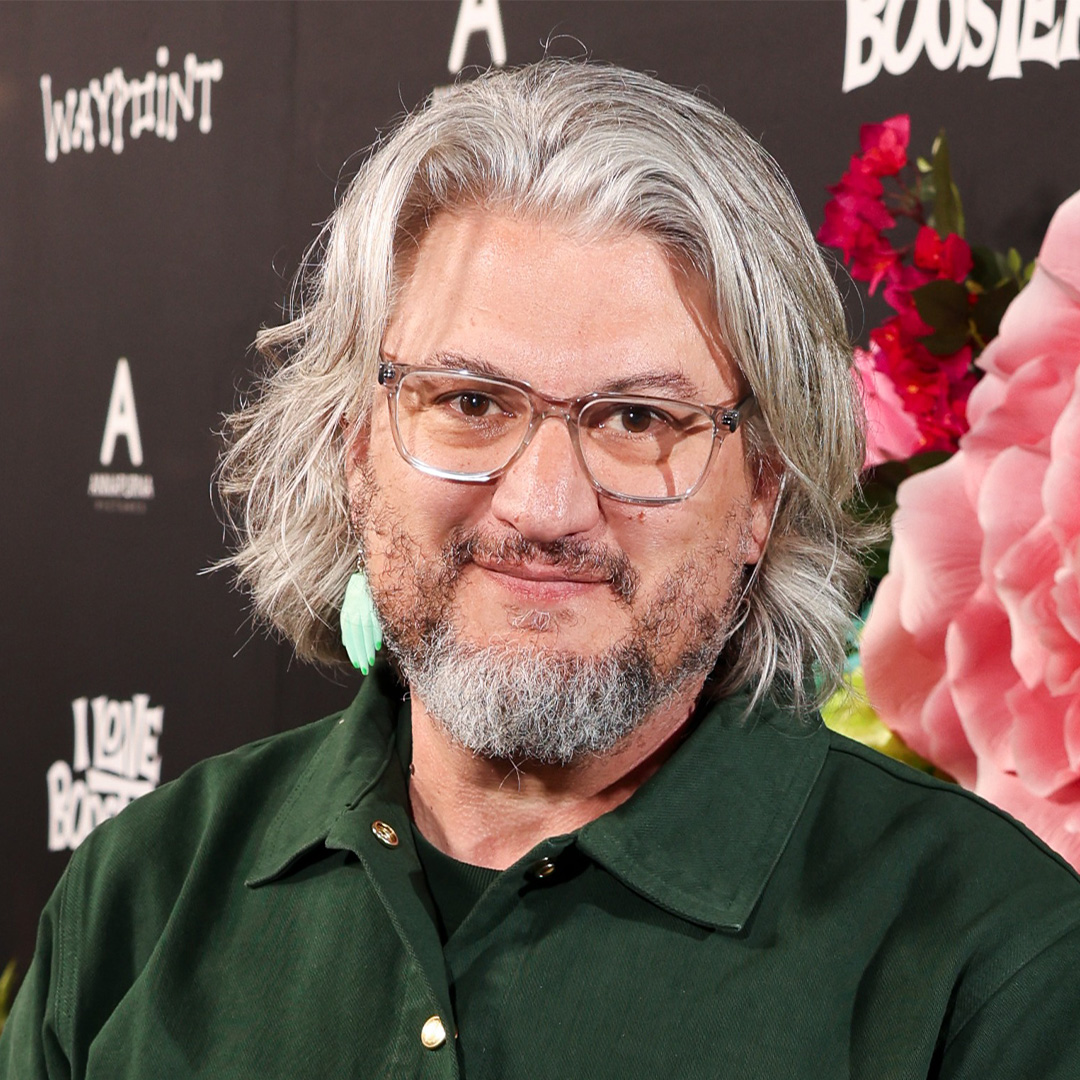
However, Glass draws a sharp line between technical utility and creative soul. The risk, as he sees it, is the "vacuuming" of human experience. He points out that AI models are trained on the vast history of human creative output—our memories, our tragedies, our triumphs—yet they possess none of the lived experience that imbues those works with meaning.
"At the end of the day, humans are more capable of coming up with novel ideas," Glass says. "We have lives, memories, true emotions and experiences that haven’t ever been posted onto a forum or social media platform for the AI vacuum machines to suck up and regurgitate with a prompt."
Chronology of a Changing Industry
To understand the current anxiety, one must look at the rapid acceleration of the last decade:
- 2010–2015: The rise of digital set extensions and the dominance of the green screen. Production design begins to shift from building full sets to building "pieces" that CGI will later complete.
- 2016–2020: The introduction of "The Volume" (LED walls). This allowed for real-time rendering, bringing the "virtual" world onto the physical set.
- 2021–Present: The generative AI boom. Tools like Midjourney, DALL-E, and Sora enter the pipeline, threatening to automate everything from conceptual storyboarding to final asset creation.
For many professionals, this chronology feels like a narrowing window of opportunity. Yet, Glass remains optimistic about the resilience of the human designer.
Implications for the Next Generation
What, then, is the advice for the next generation of production designers? How does one survive in a landscape that seems to be automating the very skills they are currently studying?
Glass’s advice is both pragmatic and defiant. He encourages young designers to resist the narrative of extinction. "Don’t let the tech weenies make you think we will become extinct as designers and artists," he asserts. "Don’t let them decide. Use their tools against them."
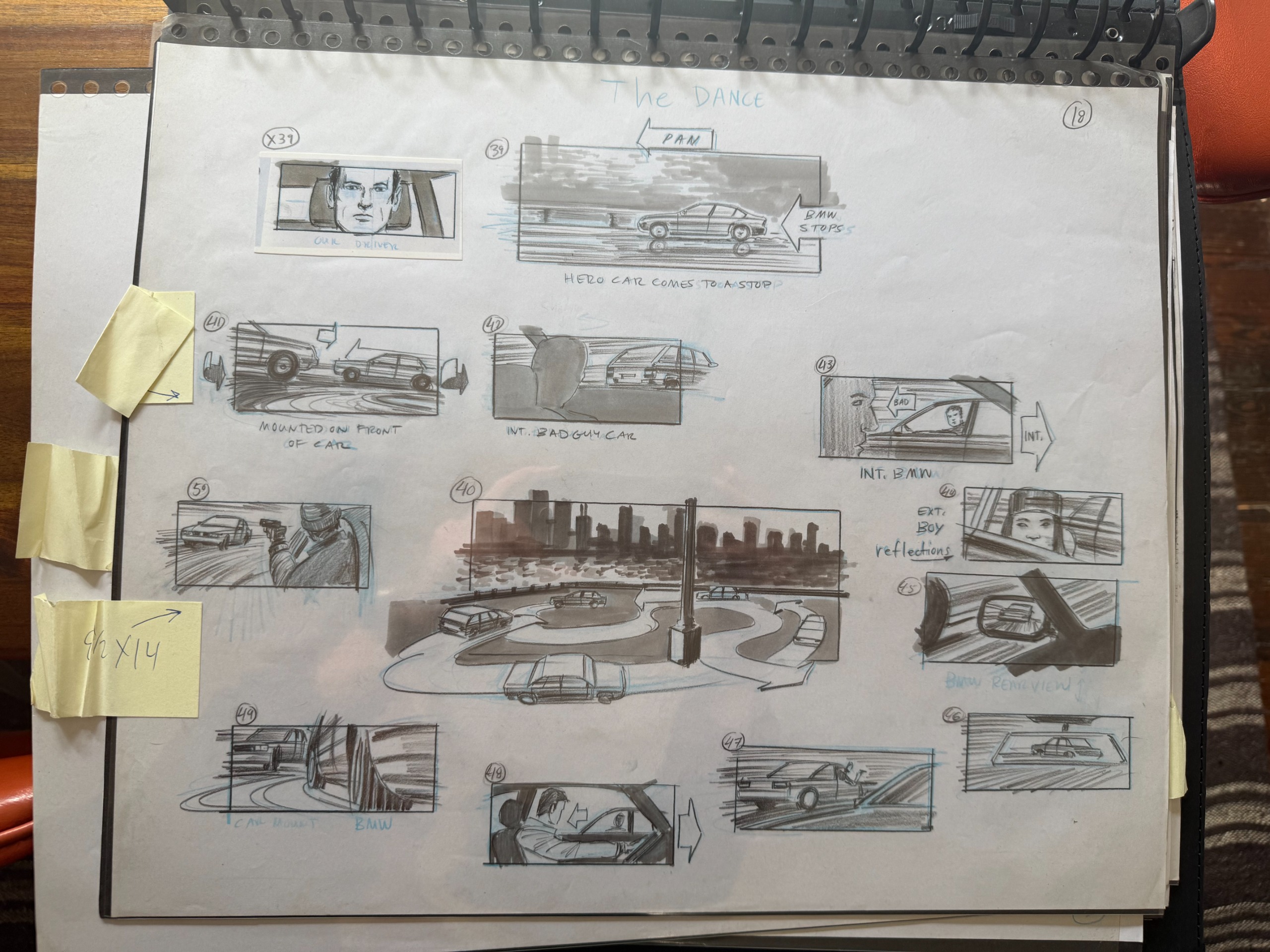
His roadmap for the future includes:
- Strategic Adaptation: Learn to use AI as a tool for speed and reference, but do not let it dictate the creative soul of the project.
- Radical Collaboration: Film is a communal medium. The ability to listen, to admit ignorance, and to build consensus with a team is a human skill that software cannot replicate.
- Intellectual Depth: Go to museums, study art history, and observe the world. The more a designer pulls from their own diverse, lived experiences, the more "un-promptable" their work becomes.
- Financial Literacy: Glass emphasizes the importance of understanding the business side—specifically budgeting. A designer who understands the economics of a production is a designer who remains indispensable.
Conclusion: The Persistence of Emotion
Ultimately, Christopher Glass’s perspective serves as a reminder that the film industry is, and always will be, a medium of human empathy. An algorithm can simulate the lighting of a 1940s noir office, but it cannot understand the crushing loneliness of the character sitting in that chair unless it has felt the weight of that emotion.
As the industry continues to grapple with the "monster" of automation, the role of the production designer is poised to shift back toward its roots: the creation of tangible, emotional, and human-centric environments. The technology may get faster, cheaper, and more efficient, but the spark of creation—the "why" behind the "what"—remains firmly in the hands of the people who dream it. For those entering the field, the message is clear: be humble, be courageous, and above all, keep creating things that no machine can truly understand.