For many, the transition into adulthood signals the end of the traditional trick-or-treating era. The days of roaming neighborhoods in plastic masks with pillowcases stuffed with fun-sized chocolate bars often fade into nostalgic memory. However, Halloween 2026 has proven that the holiday has evolved far beyond the doorstep. This year, the spirit of All Hallows’ Eve has undergone a sophisticated transformation, fueled by high-concept cosplay, viral digital trends, and a growing emphasis on community-driven spectacle.
While the candy-collecting days of youth may be over, the allure of transformation remains a powerful cultural force. Whether you are navigating the circuit of high-end costume parties or chaperoning a new generation of trick-or-treaters, the act of donning a costume remains a quintessential October ritual. This year, social media platforms served as the primary theater for this evolution, transforming the holiday into a global showcase of craftsmanship, humor, and pop-culture commentary.
The Evolution of the Modern Costume: From Simple to Cinematic
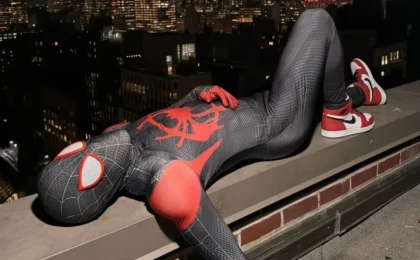
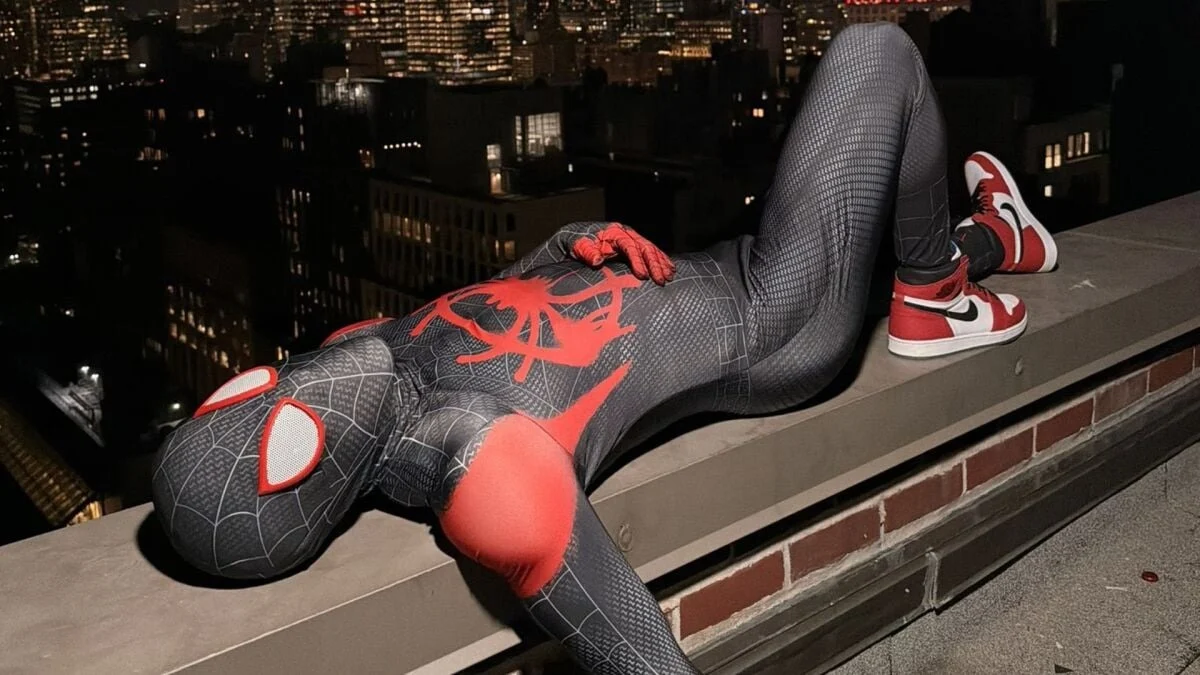
The landscape of Halloween costumes has shifted dramatically over the last decade. Gone are the days when a store-bought, bagged costume was the standard. In 2026, the emphasis is on "cosplay-level" execution, characterized by intricate DIY techniques, 3D printing, and professional-grade makeup application.
This shift is largely attributed to the democratization of specialized skills via platforms like TikTok and Instagram. Tutorials on prosthetic application, garment sewing, and prop fabrication have turned amateur enthusiasts into masters of disguise. This year’s trends have leaned heavily into "nostalgia-core"—a collective yearning for the media of the late 90s and early 2000s—mixed with high-octane internet meme culture.
Chronology of a Cultural Phenomenon: How Halloween 2026 Took Shape
The lead-up to Halloween 2026 was not a sudden burst of activity but a calculated, months-long buildup.
- August 2026: Retailers and independent creators began teasing costume lines earlier than ever. Data from major e-commerce platforms suggested that pre-orders for specialized costume components increased by 22% compared to 2025.
- Early September 2026: The first viral costume reveals hit social media. Influencers began documenting their "builds," turning the preparation phase into a serialized form of entertainment.
- Mid-October 2026: The "Nostalgia Wave" peaked. Public interest in reviving characters from defunct children’s television programs reached an all-time high on search engines.
- October 31, 2026: The night of the event saw a record-breaking surge in real-time content sharing. Streaming platforms hosted massive "costume reveal" events, turning the holiday into a global digital broadcast.
Supporting Data: The Economic and Social Impact
Halloween is no longer just a holiday; it is an economic powerhouse. According to the National Retail Federation’s seasonal analysis, consumer spending on Halloween-related goods—including costumes, decorations, and party supplies—has reached record highs in 2026, exceeding $13 billion in the United States alone.
The "Costume-as-Content" Economy
The rise of the "creator economy" has directly impacted how we celebrate. Many participants are no longer just dressing up for their local friends; they are dressing up for an international digital audience. The investment in costumes—which often reaches hundreds of dollars per individual—is justified by the potential for viral engagement. A successful costume post can translate into significant social media growth, reinforcing the cycle of high-budget, high-concept dressing.
Demographic Shifts
While children remain the core demographic for trick-or-treating, the 18–34 age bracket is the primary driver of the "costume party" and "pop-culture homage" segments. This group is prioritizing aesthetic quality and niche references, often opting for "obscure" characters that serve as conversation starters in online forums.
Official Perspectives and Cultural Commentary
Sociologists and pop-culture historians have been closely monitoring this shift. Dr. Elena Vance, a professor of media studies, notes that the move toward high-concept costumes is a reaction to an increasingly digital world.
"We are seeing a desire for tactile, physical creation in a world that feels increasingly ephemeral," Dr. Vance explained in a recent interview. "When someone spends weeks crafting a costume, they are reclaiming a sense of agency. They aren’t just consuming content; they are becoming the content. It’s a performative act that bridges the gap between the screen and the street."
Retail industry experts also note that the "throwback" trend is a direct result of the current economic climate. "Nostalgia is a powerful emotional anchor," says market analyst Marcus Thorne. "When the world feels uncertain, people gravitate toward the media and memories that provided comfort in their youth. Seeing a well-executed costume from a 2000s-era show acts as a communal touchstone."
Notable Triumphs: A Spotlight on Creative Excellence
While thousands of costumes circulated, a select few stood out for their creativity and technical execution.
The Nostalgia Tributes
This year saw a massive influx of costumes referencing cult-classic children’s animation. These were not mere approximations; they were precise, frame-by-frame recreations of iconic character designs. The commitment to accuracy—down to the specific fabric textures and prop dimensions—demonstrated a deep reverence for the source material.
The Streaming Phenomenon
High-profile streamers and content creators used Halloween as a platform to showcase their production capabilities. By utilizing professional lighting, custom-built sets, and in-character performances, these creators transformed their digital broadcasts into cinematic experiences. This "streamer-as-performer" model has set a new bar for what a Halloween costume reveal looks like, forcing mainstream media to take notice of the talent operating within the gaming and streaming sectors.
The Silver Screen Homages
Art-house and classic cinema also saw a resurgence. Homages to legendary actors, such as the iconic Willem Dafoe, proved that horror and character study remain staples of the season. These costumes often required complex makeup prosthetics, further highlighting the "pro-level" trajectory of modern Halloween.
Implications: The Future of the Holiday
The transformation of Halloween into a high-concept, digital-first event has significant implications for the future of seasonal celebrations.
- The Professionalization of Craft: As the standard for costumes rises, we are likely to see more collaboration between influencers and professional designers. The "DIY" spirit may eventually give way to "D-I-T" (Do It Together), where creators partner with skilled artisans.
- The Digital-Physical Hybrid: We can expect to see more costumes that utilize augmented reality (AR) or integrated technology. Imagine a costume that interacts with a mobile app or changes color based on ambient sound—these are the logical next steps in the evolution of the "spectacle."
- The End of "Low-Effort" Halloween: As social media continues to reward high-effort content, the pressure to "go big" will increase. This may create a divide between those who celebrate casually and those who view the holiday as a professional showcase, potentially leading to a bifurcation of the holiday itself.
Conclusion
Halloween 2026 has solidified its place as a year of immense creative output. By blending the warmth of nostalgia with the cutting edge of digital performance, participants have redefined what it means to "dress up." While the candy may be left for the younger generation, the magic of the holiday—the ability to suspend reality and step into the shoes of another—has never been more alive.
As we look toward the future, the holiday serves as a testament to human ingenuity. Whether you are a casual observer, a dedicated cosplayer, or a digital creator, Halloween remains a vital, evolving space for expression, connection, and, above all, the joy of the performance. The costumes may change, and the platforms may evolve, but the core human need to play, create, and share remains the heartbeat of the season.