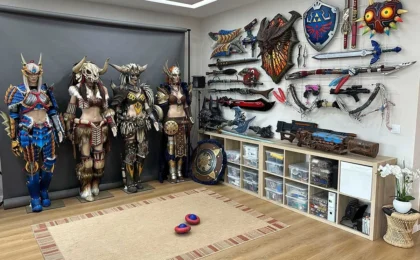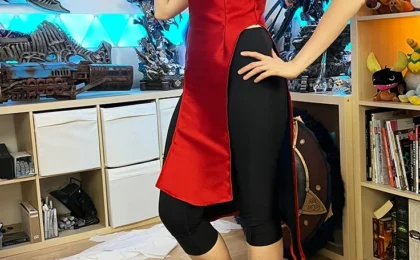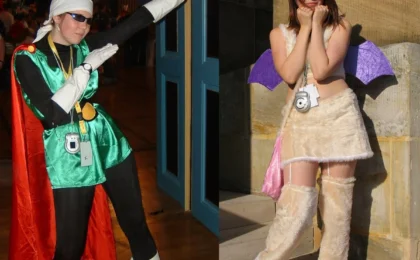
For the past two decades, the world of cosplay has undergone a radical transformation. What was once a niche subculture defined by makeshift armor, hand-stitched fabric, and the creative repurposing of household trash has evolved into a sophisticated industry of professional-grade craftsmanship. As high-end technology—from 3D printers and laser cutters to specialized thermal plastics—becomes the new standard for elite costuming, a pressing question has emerged within the community: In an era of digital fabrication, is cosplay still an accessible hobby for the average fan?
A Chronology of Craft: From Paper Mache to 3D Printing
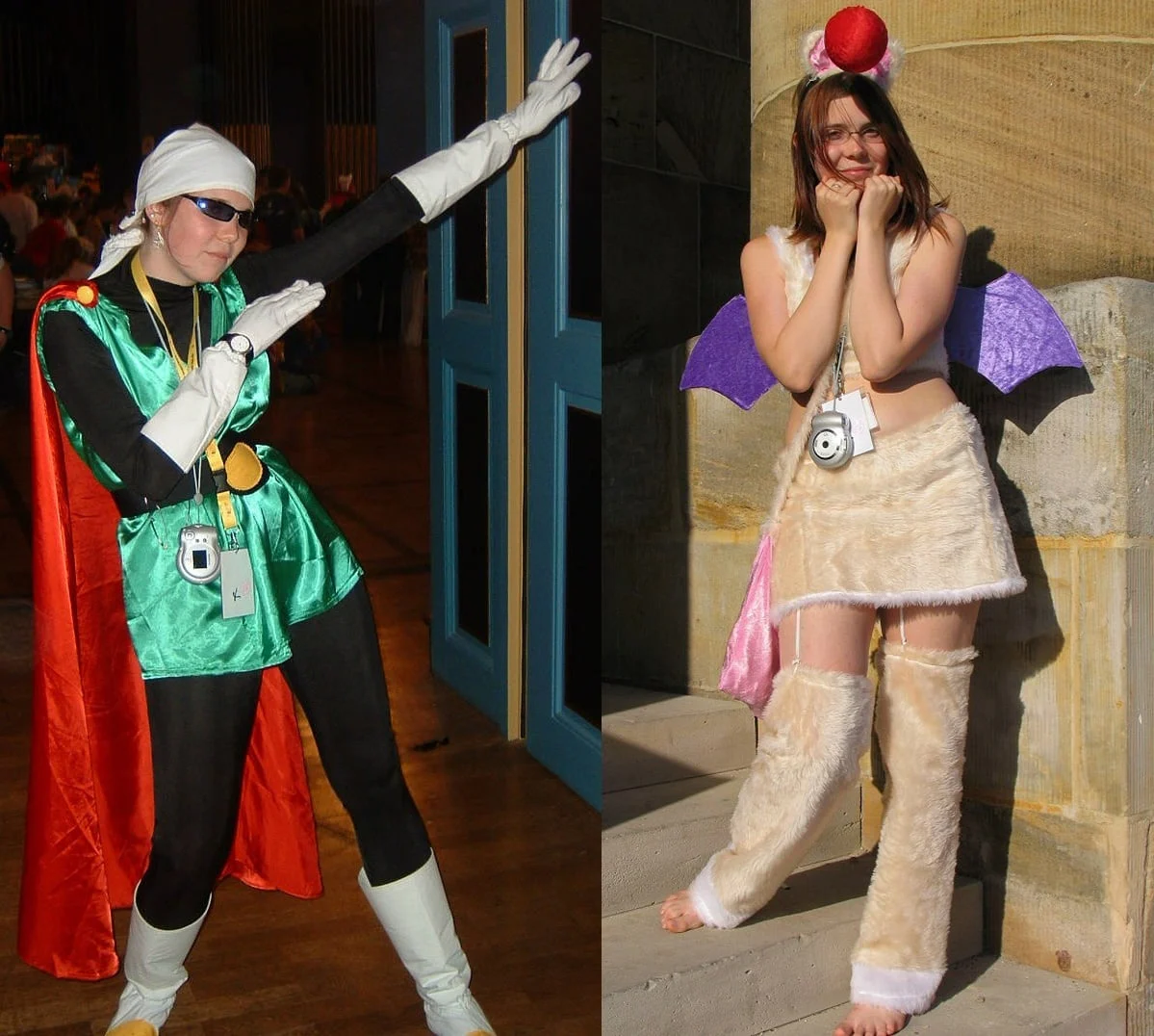
To understand the current state of the hobby, one must look at its roots. When Svetlana Quindt, the professional crafter behind the renowned brand Kamui Cosplay, first entered the scene in 2003, the barrier to entry was defined by ingenuity rather than capital. "My first crafting materials were simple paper mache, expanding foam, and cheap, shiny satin fabric," Quindt recalls.

In the early 2000s, the "cosplay toolkit" was modest. It consisted of a hot glue gun, a utility knife, and a second-hand sewing machine—often prone to breaking. The craft was a game of trial and error, where the primary challenge was finding non-traditional materials that could mimic the aesthetic of fictional armor.
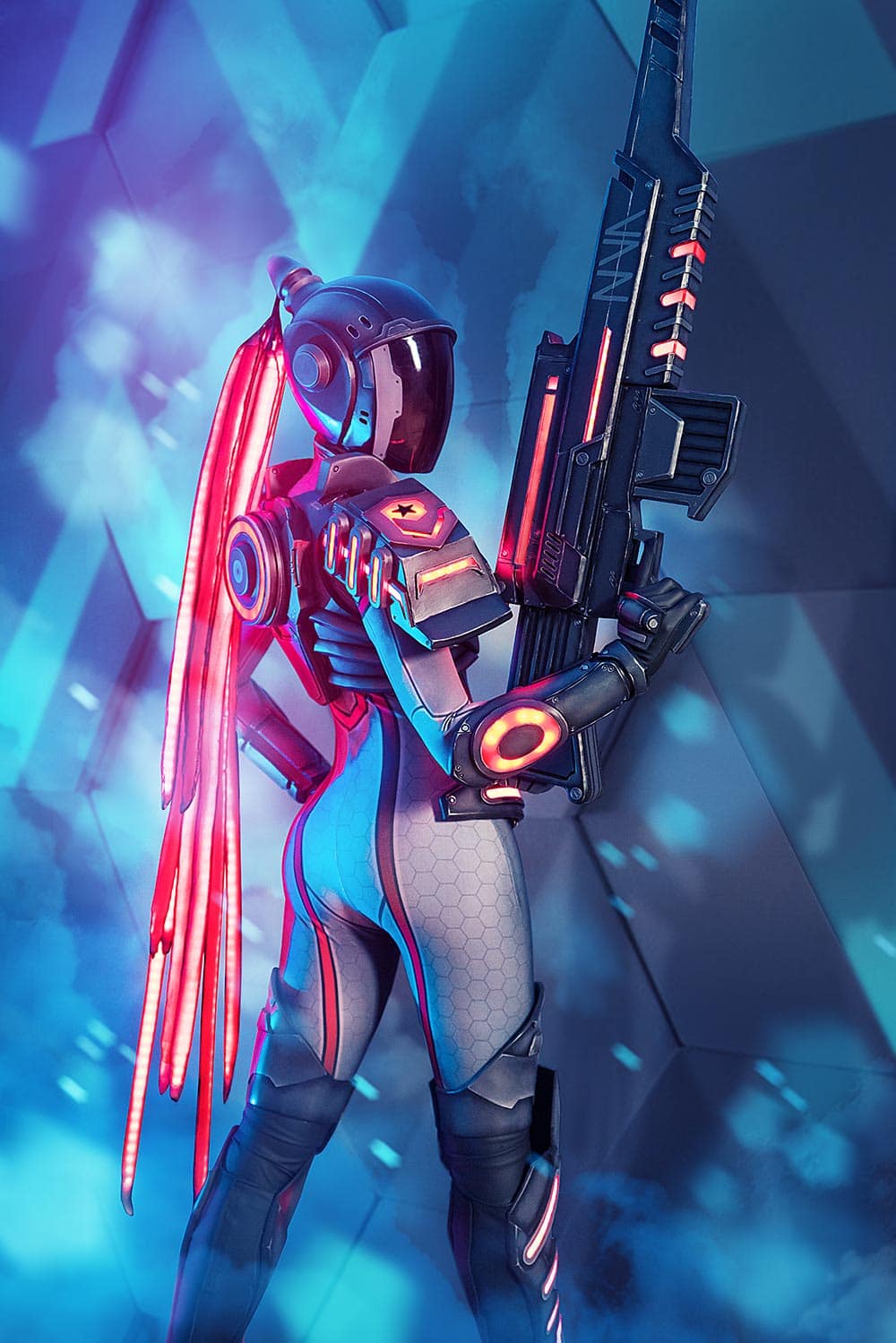
By the mid-2010s, the introduction of thermoplastic materials like Wonderflex changed the landscape, allowing for more durable, heat-moldable structures. However, the most significant shift occurred within the last five to seven years. The integration of 3D printing and laser cutting into the DIY sphere has turned professional workshops into miniature manufacturing plants. Today, characters from complex titles like Genshin Impact or Horizon Zero Dawn are no longer built solely by hand; they are rendered in software like Blender, printed in high-definition resin or filament, and precision-cut by lasers to ensure perfect symmetry and sharp, geometric edges.

The Technological Divide: Efficiency vs. Accessibility
The rise of advanced machinery has undoubtedly revolutionized the efficiency of the craft. For professional creators, these tools are not mere luxuries; they are essential for meeting the high-demand schedules of full-time artistry.
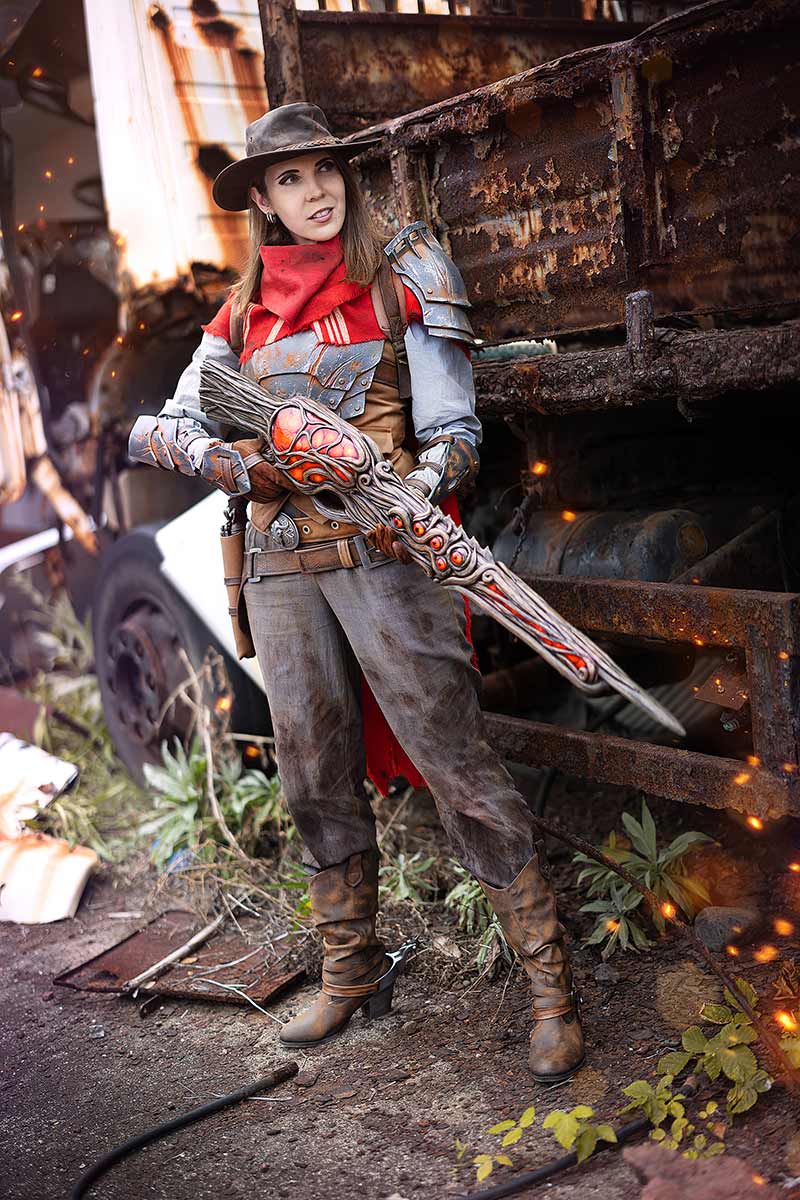
"When it comes to time-critical projects, the 3D printer allows my husband, Benni, to support me while I’m busy with other parts of a costume," Quindt explains. "Without it, building massive weapons like the Blackcliff Slasher would be a significantly more grueling, manual endeavor."

However, this technological leap creates a psychological and financial barrier for newcomers. Social media platforms like Instagram and TikTok showcase a "highlight reel" of pristine, machine-perfected armor, which can lead to a sense of inadequacy among beginners. When followers see influencers using industrial-grade laser cutters to slice hundreds of foam scales in minutes, the prospect of hand-cutting those same pieces feels daunting—even archaic.
Supporting Data: The Cost of Creativity
The economic reality of modern cosplay is undeniable. While the entry point remains low, the "ceiling" for investment has skyrocketed.
- Material Inflation: While basic EVA foam is relatively affordable, high-end fabrics, specialized LED electronics, and industrial-grade adhesives can inflate the cost of a single project into the hundreds or even thousands of dollars.
- The "Pro" Standard: The perceived requirement for 3D printers, embroidery machines, and laser cutters creates a "gear gatekeeping" phenomenon. If a beginner believes they need a $500 printer to be taken seriously, they are less likely to start at all.
- Income Disparity: Despite the high cost of tools, global data suggests that passion outweighs capital. In regions like Cuba, where the average monthly income is approximately $150, crafters continue to produce high-level work, such as complex Monster Hunter armor, proving that necessity remains the mother of invention.
The Professional Verdict: Skill Outweighs Machinery
Despite the prevalence of expensive equipment, the consensus among veteran artists remains firm: tools do not make the artist. Quindt emphasizes that a 3D printer is not a "magic button" that produces a costume. It is a tool that requires its own complex skillset, including 3D modeling, file troubleshooting, and post-processing.
"A good chef doesn’t need a professional kitchen and the best ingredients to prepare something delicious," Quindt notes. "A good artist is defined by the passion and love they put into their work, not by the tools they own."

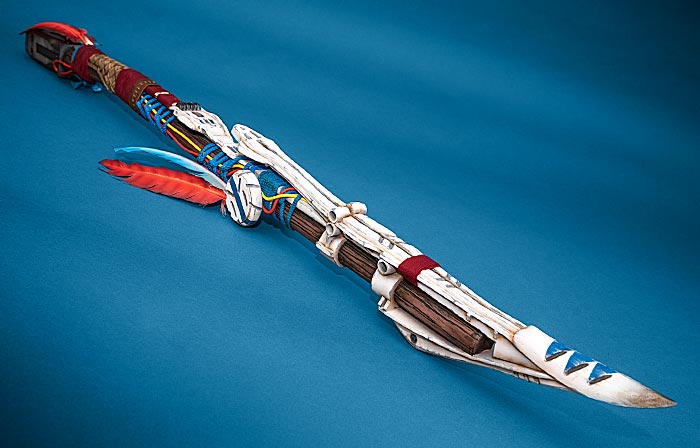
This sentiment is supported by the resurgence of "low-tech" builds. Many cosplayers are returning to the roots of the hobby, creating hyper-realistic armor out of recycled materials like cardboard, paint buckets, and floor mats. When comparing a 3D-printed prop to a hand-crafted one, the difference in quality is often negligible to the average viewer; the difference lies only in the hours of labor spent.
Implications for the Future of the Community
The "accessibility" of cosplay is currently in a state of flux. While the cost of high-end tools is dropping—with quality 3D printers now available for as little as $200—the expectation of quality is rising. This creates a dual-path future for the hobby:
- The Consumer Model: The rise of high-quality, store-bought cosplay (through retailers like DokiDoki) has made it easier than ever for fans to participate in the community without needing to be master builders. This is a massive win for inclusivity, allowing people to focus on character portrayal, makeup, and social interaction.
- The Artisan Model: The high-tech, custom-build path remains, but it is becoming a distinct, specialized subset of the community. It is no longer the "default" way to start.
Ultimately, the implication for the community is that the definition of a "cosplayer" has broadened. You do not need a laser cutter to be a valid member of the community. Repurposing second-hand clothing, styling a wig, or painting a foam prop are all equally valid forms of expression.
Conclusion: Starting Small is the Only Way to Grow
For those feeling overwhelmed by the professional workshops they see online, the advice from those who have been there is simple: start small. Every professional cosplayer today began their journey with a basic sewing machine, a pair of scissors, and a lot of patience.
The pressure to compete with the "perfect" builds on social media is a modern struggle, but it is an artificial one. The art of cosplay is not a race to see who can acquire the most expensive machinery; it is a long-term journey of skill acquisition. By focusing on the joy of creation rather than the status of the tools, newcomers can find that the hobby is just as accessible today as it was in 2003.
Whether you are using a $2,000 laser cutter or a $2 utility knife from a local hardware store, the essence of the craft remains the same: the transformation of a fan into a creator. The tools are merely an evolution; the passion is the constant.