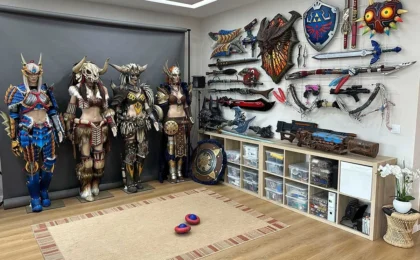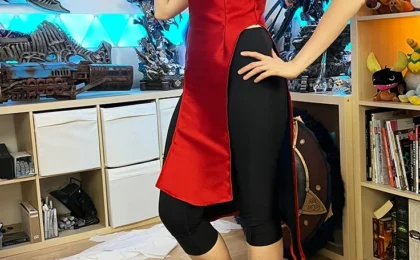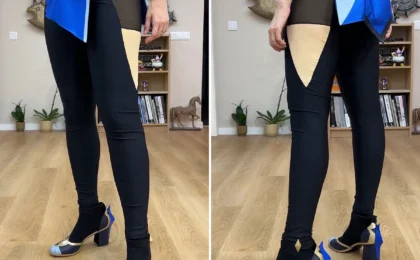
For over a decade, Svetlana and Benni Quindt—the creative force behind the globally renowned Kamui Cosplay brand—have been at the forefront of the cosplay crafting revolution. Since the publication of their inaugural tutorial book in 2013, the duo has built a vast library of over 150 unique templates and instructional guides, effectively becoming the gold standard for hobbyists looking to master armor fabrication, prop making, and costume construction.
However, as the brand’s influence has expanded into a full-time business, so too have the logistical challenges of digital distribution. This week, Kamui Cosplay officially announced the launch of their dedicated Etsy storefront, a move designed to resolve longstanding payment and accessibility hurdles for their international community.
The Core Objective: Solving Accessibility in the Digital Age
The primary impetus behind the launch of the Etsy store is a commitment to inclusivity. While the official Kamui Cosplay website remains the primary hub for the brand, the Quindts have frequently encountered feedback from fans regarding technical friction. Specifically, customers in various regions have reported difficulties navigating the proprietary website’s interface or encountering payment processor incompatibilities that prevented them from purchasing essential crafting materials.
By leveraging Etsy’s established global infrastructure, Kamui Cosplay is effectively "outsourcing" the technical barriers of international e-commerce. The new storefront, which will operate in tandem with their primary website, provides a familiar, user-friendly interface for crafters who may have previously found the main site inaccessible.
A Chronology of Growth: From DIY Passion to Professional Infrastructure
To understand the significance of this expansion, one must look at the trajectory of Kamui Cosplay’s digital footprint.
- 2013: The Genesis: The publication of the first Kamui Cosplay book marked the transition from individual hobbyists to industry educators. It established a blueprint for how digital guides could empower DIYers.
- The Storenvy Experiment: In the earlier stages of their business, the team attempted to diversify their sales platforms by utilizing Storenvy. However, the move was short-lived. Technical limitations regarding the delivery and management of digital files—a core component of their product line—led to the platform being shuttered. This taught the duo the importance of reliable digital architecture.
- 2013–2023: Building the Library: Over the last decade, the team expanded their catalog to over 150 unique templates. This period saw the normalization of digital PDF patterns as the industry standard for cosplay construction.
- 2024: The Etsy Integration: The launch of the official Kamui Cosplay Etsy shop represents a pivot toward platform-agnostic accessibility. It marks the first time in years that the brand has successfully integrated a third-party marketplace to handle the high volume of instant-download traffic.
Supporting Data and Technical Implementation
The migration of content to Etsy is not merely a marketing move; it is a technical optimization. The store is designed as a fully digital environment. Upon purchase, customers receive instant access to their files, eliminating the wait times and potential delivery errors associated with traditional retail.
Currently, the store houses the brand’s primary product line, including their flagship armor-making guides and large-scale costume patterns. The team is currently in the process of auditing and uploading their extensive collection of smaller, specialized patterns.
For the team at Kamui, this also serves as a strategic business decision. By diversifying their points of sale, they reduce the risk of downtime on their primary website. If the main server experiences maintenance or technical issues, the Etsy storefront provides a redundant path to market, ensuring that the community’s ability to work on their costumes remains uninterrupted.
Official Responses and Strategic Vision
In a candid statement regarding the transition, Svetlana Quindt expressed both relief and excitement. "I love learning new skills and always wanted to check out Etsy one day," she noted, acknowledging that the transition is also a personal milestone for her as an entrepreneur. She emphasized that while the website remains the "home base," the move to Etsy is about fostering the broader community.

The team has been transparent about their past failures, noting that the closure of their Storenvy shop was a "lesson learned" in the importance of digital stability. "Let’s hope Etsy works better," she joked, echoing the sentiment of many small business owners who rely on external platforms for their livelihood.
The brand’s philosophy remains centered on the concept of the "creator-entrepreneur." They are not just selling patterns; they are teaching the community how to monetize their own skills. Their ongoing efforts to educate followers on passive income—such as through their blog post "How to generate a passive income with cosplay"—demonstrate that they view their audience as peers rather than just consumers.
Implications: The Democratization of Cosplay Crafting
The launch of this store has wider implications for the cosplay industry at large. By promoting the idea that individuals should "digitize and sell" their own patterns, Kamui Cosplay is advocating for a more professionalized, decentralized ecosystem where hobbyists can sustain their craft through their own ingenuity.
The Role of Technology in Crafting
The brand continues to push the boundaries of how patterns are created, most notably through their adoption of 3D software like Blender. By publishing tutorials on how to create 3D patterns, they are lowering the barrier to entry for high-level costume design. Benni Quindt’s recent instructional content on this topic serves as a case study in how modern tech—such as 3D modeling—can replace traditional, labor-intensive drafting methods.
Economic Sustainability
For many, the cost of materials for a high-quality costume can be prohibitive. The Quindts argue that by creating and selling one’s own patterns, cosplayers can effectively subsidize their own builds. This cycle—create, document, sell, and reinvest—is the foundation of the Kamui Cosplay business model. It is a sustainable loop that encourages continuous creation.
Conclusion: A New Chapter for Global Creators
The expansion into the Etsy marketplace is a pragmatic and forward-thinking development. It addresses the friction points of modern digital retail while reinforcing the brand’s commitment to global accessibility. For the thousands of fans who have followed Kamui Cosplay for years, this change means easier access to the tools they need to bring their creative visions to life.
As the cosplay community continues to grow in both technical sophistication and professional ambition, the role of educators like the Quindts becomes increasingly vital. Whether through their main website or their new Etsy storefront, the goal remains the same: to empower the individual crafter. By removing the barriers of geography and payment, Kamui Cosplay is not just selling patterns; they are ensuring that the next generation of cosplayers has the infrastructure to succeed, regardless of where they are in the world.
As the store continues to populate with new templates, the community can expect the same high quality of instruction that has defined the Kamui brand since its inception. For those looking to sharpen their skills, the message is clear: the resources are there, the platform is ready, and the only thing left is to begin the build.