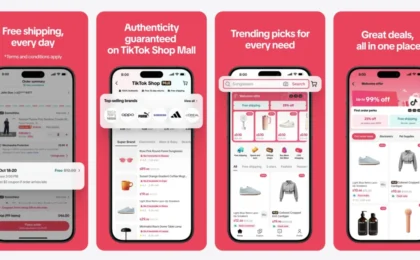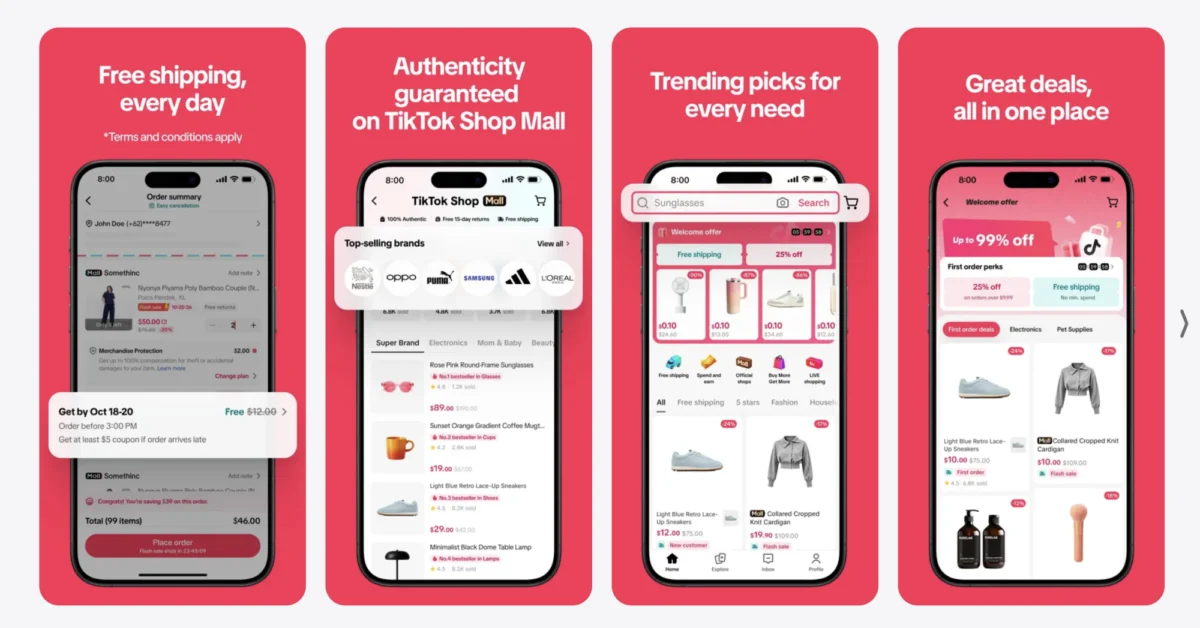
In a strategic evolution that signals a major shift in the digital retail landscape, TikTok has officially entered the standalone e-commerce arena. The company has quietly rolled out a dedicated "TikTok Shop" application in four key Southeast Asian markets: Singapore, Malaysia, Thailand, and the Philippines. This move marks a departure from the platform’s traditional model, where commerce was inextricably woven into the social media feed, and positions the brand to compete directly with e-commerce giants like Amazon, Shopee, and Temu.
By decoupling the shopping experience from the main entertainment feed, TikTok is betting that its massive, algorithmically driven user base is ready to transition from passive discovery to intentional, dedicated shopping.
The Core Facts: A New Destination for Discovery and Purchase
As of early November 2026, users in the selected Southeast Asian markets can download the standalone TikTok Shop app on both iOS and Android platforms. The app serves as a centralized hub for all things retail within the TikTok ecosystem.
According to official App Store and Google Play listings, the application is designed to be a comprehensive shopping portal. Key features include:
- Personalized Product Discovery: Leveraging the same recommendation engine that powers the main TikTok feed, the app offers a curated list of goods based on past interactions and interests.
- Integrated Multimedia Shopping: Unlike traditional storefronts, the app maintains the "shoppertainment" model, featuring short-form videos and live-streamed shopping sessions where products are showcased in real-time.
- Logistics and Support: The app includes native order tracking, secure checkout systems, and 24/7 customer support, aiming to reassure users concerned about the legitimacy and shipping status of their orders.
- Exclusive Incentives: To drive adoption, the app is currently promoting exclusive deals, free shipping vouchers, and significant discounts for first-time orders.
The launch, initially identified by industry analyst Matt Navarra, reflects a calculated effort to capture "high-intent" shoppers—people who open their phones specifically to buy, rather than to be entertained.

A Chronology of E-commerce Expansion
TikTok’s path to this standalone app was not an overnight decision but rather the culmination of a multi-year "shoppertainment" strategy.
- Early 2023: TikTok began aggressively pushing its integrated "Shop" tab within the main app, testing the waters by allowing creators to tag products directly in videos.
- Mid-2025: As e-commerce revenue began to account for a significant portion of the company’s bottom line, TikTok doubled down on logistics, partnering with regional shipping providers to streamline returns and deliveries in Asia and Europe.
- November 2026: The standalone TikTok Shop app officially enters the app stores. The rapid deployment—with over 50,000 downloads recorded on the Google Play Store in the first few days alone—suggests a highly coordinated regional rollout.
This timeline demonstrates that TikTok has moved beyond treating commerce as a secondary feature. By building a standalone app, the company is signaling that it no longer views itself merely as a social media company, but as a robust digital marketplace that can function independently of its video-sharing origins.
Supporting Data and Market Positioning
The decision to launch in Singapore, Malaysia, Thailand, and the Philippines is no coincidence. Southeast Asia is currently the world’s fastest-growing e-commerce market, characterized by a young, tech-savvy population with a high propensity for mobile shopping.
Market data indicates that TikTok Shop has already disrupted traditional retail in these regions. In Singapore, for instance, the app reached the top 100 in the "Shopping" category on the Apple App Store within days of its quiet launch.
Furthermore, the operational structure of the app provides an interesting look at TikTok’s internal organization. The Singapore store lists "TikTok Pte. Ltd." as the provider, a distinct entity from the U.S.-based TikTok USDS Joint Venture. This separation allows the global parent company to iterate on e-commerce features without being constrained by the unique regulatory and data-security requirements imposed on the U.S. branch of the business.

A Broader Trend: TikTok’s "Everything App" Strategy
The standalone Shop app is merely one piece of a larger puzzle. Over the past year, TikTok has been methodically building a suite of specialized, service-oriented applications that rely on the data collected from its main feed.
TikTok GO and Travel Services
Earlier this year, the company launched "TikTok GO," a tool that allows users to book hotels, tours, and attractions directly through the app. By integrating with major players like Expedia and Booking.com, TikTok has effectively turned a travel vlog into a conversion funnel.
The "Must Eat" Restaurant Guide
In major urban centers like New York, Los Angeles, and San Francisco, TikTok has launched a restaurant discovery guide. By synthesizing over 40 million user-generated reviews and videos, the company has created a searchable database that allows users to make OpenTable reservations without ever leaving the TikTok ecosystem.
PineDrama
Similarly, the launch of "PineDrama" earlier this year showed the company’s willingness to create standalone experiences for specific content niches. By spinning off short-form dramas into a dedicated app, TikTok is testing whether it can monetize long-term viewer retention through subscription or transactional models.
Implications: Can TikTok Disrupt Amazon?
The core question facing industry analysts is whether a standalone shopping app can successfully pivot from "discovery" to "utility."

The Challenges
- Habitual Friction: Users are accustomed to opening TikTok for entertainment. Moving that behavior to a dedicated shopping app requires a fundamental shift in user psychology.
- The Trust Gap: Platforms like Amazon have built decades of trust regarding returns, warranties, and product authenticity. TikTok, which has historically been a marketplace for independent and smaller creators, must work harder to prove its reliability to cautious consumers.
- Market Saturation: In many regions, the e-commerce space is already fiercely contested. Competing against established local players who already control the logistics and supply chains will be an expensive and grueling task.
The Potential
- The Power of Personalization: TikTok’s recommendation algorithm is widely considered the best in the industry. If the Shop app can use that data to serve hyper-personalized product recommendations, it could offer a level of "discovery shopping" that Amazon’s search-heavy interface currently lacks.
- The Creator Economy: By keeping creators at the center of the shopping experience, TikTok maintains a level of social proof that traditional retailers struggle to replicate. A recommendation from a trusted influencer carries more weight than a standard product listing.
Official Responses and Future Outlook
To date, TikTok has remained relatively tight-lipped regarding the global expansion of the standalone Shop app. When approached for comment regarding a potential U.S. release, the company declined to provide a formal statement. This silence is typical for the platform, which often prefers to conduct "soft launches" to gather user data and refine features before making a formal, global announcement.
As the company continues to refine its e-commerce capabilities, the industry will be watching closely to see if this standalone model proves successful. If the app gains traction in Southeast Asia, it is highly likely that we will see similar rollouts in Europe and North America by late 2027.
The rise of the TikTok Shop app represents a pivotal moment in the history of the internet. It marks the transition of social media from a place where we discuss and share culture to a place where we exclusively transact it. Whether this creates a more efficient shopping experience or merely adds another layer of digital clutter to our home screens remains to be seen. However, one thing is clear: TikTok is no longer just watching the future of retail—it is actively trying to own it.