By Olivia Tauber
November 4, 2026
As the dust settles on the 2026 midterm elections, a surprising phenomenon has taken hold of the American digital landscape. Following a string of unexpected Democratic victories in traditional GOP strongholds—most notably in Texas and Kansas—the internet has undergone a collective temporal shift. Users are not just reacting to the political map; they are actively curating a digital atmosphere that feels strikingly like the late 2000s and early 2010s.
From the resurgence of Hamilton soundtrack references to the viral circulation of "We Are Young" by Fun., social media has become a repository for a specific, bittersweet brand of "millennial optimism." This isn’t merely a aesthetic trend; it is a profound psychological response to a political moment that many voters describe as a return to a "promised future."
The Anatomy of an Era: What is "Millennial Optimism"?
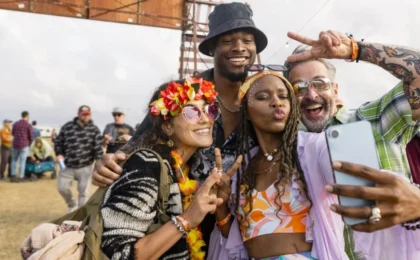
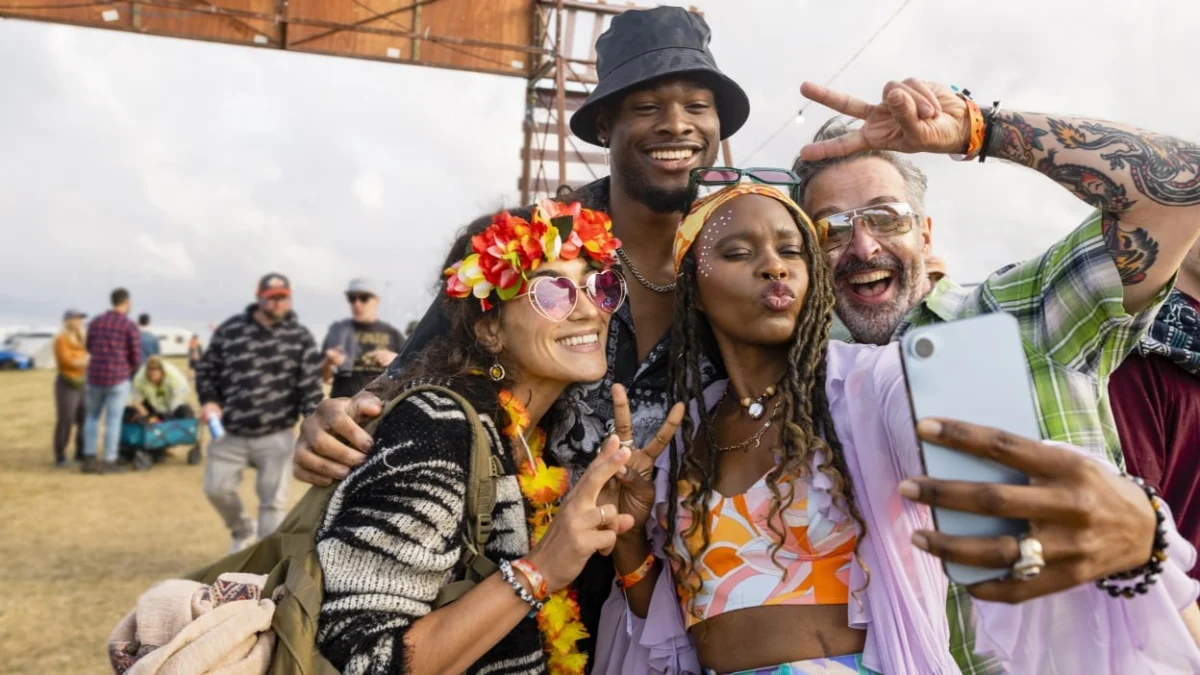
To understand the current fervor, one must look at what fueled the trend long before the polls closed on November 3. For months, TikTok and Instagram have been saturated with a specific visual lexicon: Apple Photo Booth filters, thick-rimmed glasses, flower crowns, and the aesthetic of the "indie sleaze" era.
The soundscape of this movement is equally specific. Songs like The Middle East’s 2009 track "Blood" have become the unofficial anthems of this nostalgia. These videos serve as a time capsule for an era that, for many younger viewers, represents the last vestige of "analog-adjacent" digital life—a time before the aggressive polarization of algorithmic social media, characterized by a naive, albeit sincere, belief in the power of institutional change.
"I think millennial optimism invokes a particularly upsetting, empty sense of loss in older Gen Zs," wrote one user on X (formerly Twitter). "It was so aspirational to us. We saw it in real time but weren’t quite old enough to be there. It felt like a promised future that never came."

A Chronology of the Blue Tsunami
The transition from a passive nostalgia trend to a political rallying cry was rapid and deliberate:
- Pre-Election Cycle: Throughout late 2026, social media discourse began to lean heavily into "Obama-era" aesthetics. The trend was framed as an escape from the cynicism of modern political discourse.
- Election Night (Nov 3): As exit polls began to favor Democrats in key conservative states, the "blue tsunami" narrative took hold. The digital response was immediate: users began posting celebratory memes featuring iconic imagery from the 2008 and 2012 election cycles.
- The "Morning After" (Nov 4): By Wednesday morning, search terms for "millennial optimism" had surged by 5,000 percent on Google. The internet transitioned from observing the trend to actively embodying it, with users sharing videos of post-election celebrations in cities like Austin, set to the pop-rock anthems of their youth.
Data Points: The Numbers Behind the Feeling
The quantitative shift in online behavior is significant. Analytics platforms indicate that the intersection of political keywords and "nostalgia-core" tags reached an all-time high within 24 hours of the election results.
The surge is not limited to search volume. Engagement data from major platforms shows a massive uptick in the sharing of "hope-based" content. In a landscape typically dominated by "doomscrolling," the sudden pivot to unironic, celebratory content suggests a hunger for a narrative that isn’t rooted in perpetual crisis. As one user noted on X, "Waking up to a blue Texas, I’m in tears; I can feel the millennial optimism coming."
Official Responses and the Corporate Pivot
The cultural weight of this movement was not lost on the corporate world. BuzzFeed, a titan of the mid-2010s digital media era, leaned into the irony of the moment, announcing in a viral post that they were "changing our color scheme to blue" to match the mood of the electorate.
The joke, which received tens of thousands of likes, highlighted the symbiotic relationship between political sentiment and the digital media ecosystem. When users joked, "They’re gonna bring BuzzFeed back," it served as a meta-commentary on the desire to return to a simpler, more centralized media landscape—a digital version of the "change" promised during the Obama presidency.
The Paradox of Nostalgia: A Complicated Legacy
It is vital to acknowledge that the era being celebrated was far from utopian. The late 2000s and early 2010s were defined by the Great Recession, a volatile job market, and the onset of the student loan crisis. The "optimism" of the time was, for many, a coping mechanism for an increasingly precarious economic reality.

Historians and sociologists suggest that this current trend is a form of "reconstructive nostalgia." Users are stripping away the harsh realities of the past—the foreclosure crises and the early strains of the gig economy—and focusing exclusively on the feeling of hope that the era’s political rhetoric provided. By projecting that feeling onto the 2026 midterms, voters are attempting to manifest a reality where their political participation actually results in the tangible, systemic improvements that were promised nearly two decades ago.
Implications: Can the Feeling Last?
The primary question facing the political establishment is whether this surge of "millennial optimism" can be sustained beyond the immediate glow of election victory. Political analysts suggest that the fervor is currently tied to the "shock" of the unexpected results, but its long-term viability depends on governance.
- Translating Hope into Policy: The current wave of optimism is highly emotional. To sustain this energy, voters will likely demand concrete policy wins that align with the "change" they are currently feeling.
- The Digital Fatigue Factor: If the political reality fails to match the high-octane emotional energy of the internet, the backlash could be severe. The danger of "nostalgia-based" political movements is the eventual disillusionment when the past fails to provide a blueprint for the future.
- Generational Synergy: The fact that Gen Z is participating in a trend rooted in Millennial memories suggests a new form of intergenerational political solidarity. If these groups can remain aligned, they may represent a formidable voting bloc that continues to defy traditional polling models.
For now, the internet remains in a state of celebratory reflection. As users continue to dust off their Hamilton soundtracks and share memes about the "good old days" of 2009, the message is clear: voters are tired of despair. They have collectively decided that if they cannot have the world they were promised, they will at least reclaim the hope that made them believe it was possible.
Whether this is a fleeting trend or a genuine turning point in American political culture remains to be seen. But for one week in November, at least, the internet decided that optimism—even if borrowed from the past—is the most powerful tool for navigating the future.