The gaming landscape is currently buzzing with an intensity rarely seen since the turn of the decade. As the long-awaited release of The Legend of Zelda: Ocarina of Time remaster—widely considered one of the greatest video games ever conceived—nears, anticipation has reached a fever pitch. With the official launch of the Nintendo Switch 2, Nintendo is betting big on nostalgia, bridging the gap between 1998’s revolutionary 3D mechanics and the cutting-edge hardware of the modern era.
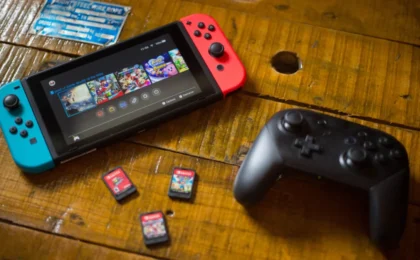
For fans who have secured one of the highly coveted limited-edition Switch 2 consoles, or for those eagerly awaiting their physical or digital copies, the experience is about more than just booting up the game. It is about how one chooses to engage with Hyrule’s sprawling landscapes. While the Switch 2’s handheld capabilities offer unparalleled portability, the definitive way to experience this graphical overhaul remains tethered to the living room: docked, on a high-fidelity display, with a controller that does justice to the precision required for Link’s epic quest.
The Chronology of a Masterpiece
To understand the weight of this remaster, one must look back at the historical trajectory of Ocarina of Time. Originally released for the Nintendo 64 in 1998, the game served as the blueprint for modern 3D action-adventure titles. It introduced "Z-targeting," a mechanic that allowed players to lock onto enemies, which fundamentally changed combat in three-dimensional space.
Following its initial release, the title saw a flurry of re-releases, most notably on the GameCube and the Nintendo 3DS in 2011. However, the 3DS version, while critically acclaimed for its stereoscopic 3D and quality-of-life improvements, was limited by the hardware’s resolution. Rumors of a high-definition, "definitive" version have circulated for over a decade.
When the Nintendo Switch 2 was announced, the rumor mill shifted into overdrive. Industry insiders suggested that Nintendo’s strategy for the new console’s launch window relied on a "crown jewel" title—a game with enough cultural capital to drive early adoption. The confirmation of the Ocarina of Time remaster signaled that Nintendo was ready to marry its most storied legacy with its most capable hardware yet. From the first leaked render to the official gameplay trailers showcased earlier this year, the progression has been one of consistent hype, culminating in this week’s global release.
Technical Enhancements and Supporting Data
What exactly makes this remaster different from its predecessors? According to technical analyses released alongside the game’s press kit, the remaster is not merely a high-resolution upscaling.
The development team, reportedly working in tandem with Grezzo—the studio behind the 3DS remake—has overhauled the game’s engine to leverage the Switch 2’s increased processing power. Key improvements include:
- Dynamic Lighting and Shadows: The eerie corridors of the Forest Temple and the sun-drenched plains of Hyrule now benefit from global illumination, providing a level of atmospheric depth impossible in 1998.
- Texture Overhaul: Every asset, from the intricate carvings on the Master Sword to the bark of the Great Deku Tree, has been recreated with modern PBR (Physically Based Rendering) materials.
- Frame Rate Stability: While the original N64 version struggled to maintain 20 frames per second, the Switch 2 remaster targets a consistent 60 FPS, ensuring that swordplay and exploration feel fluid and responsive.
- Haptic Integration: The Switch 2 controllers utilize advanced HD rumble to provide nuanced feedback, such as the subtle vibration of the Ocarina or the tension of drawing a bowstring.
Industry analysts at the Digital Foundry group have noted that these technical leaps are essential for maintaining the "feel" of the original game while meeting modern consumer expectations. For a title that relies so heavily on rhythmic combat and precise platforming, these technical upgrades are not just aesthetic; they are functional.
The Controller Conundrum: Choosing Your Weapon
With the game’s release, the conversation among the community has shifted toward the "optimal" control scheme. While the Joy-Cons that ship with the Switch 2 are engineering marvels in their own right, many long-time Zelda veterans find them insufficient for the rigors of an extended play session.
Why Traditional Controllers Win the Day
For a game that requires long-term commitment—often 40 to 60 hours for a completionist run—ergonomics are paramount. A traditional "Pro" style controller offers larger grip surfaces, full-sized analog sticks, and a more robust D-pad, which is essential for managing Link’s equipment sub-menus.
Top Third-Party Contenders
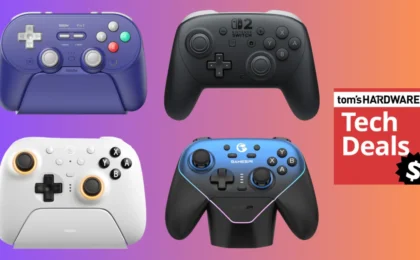
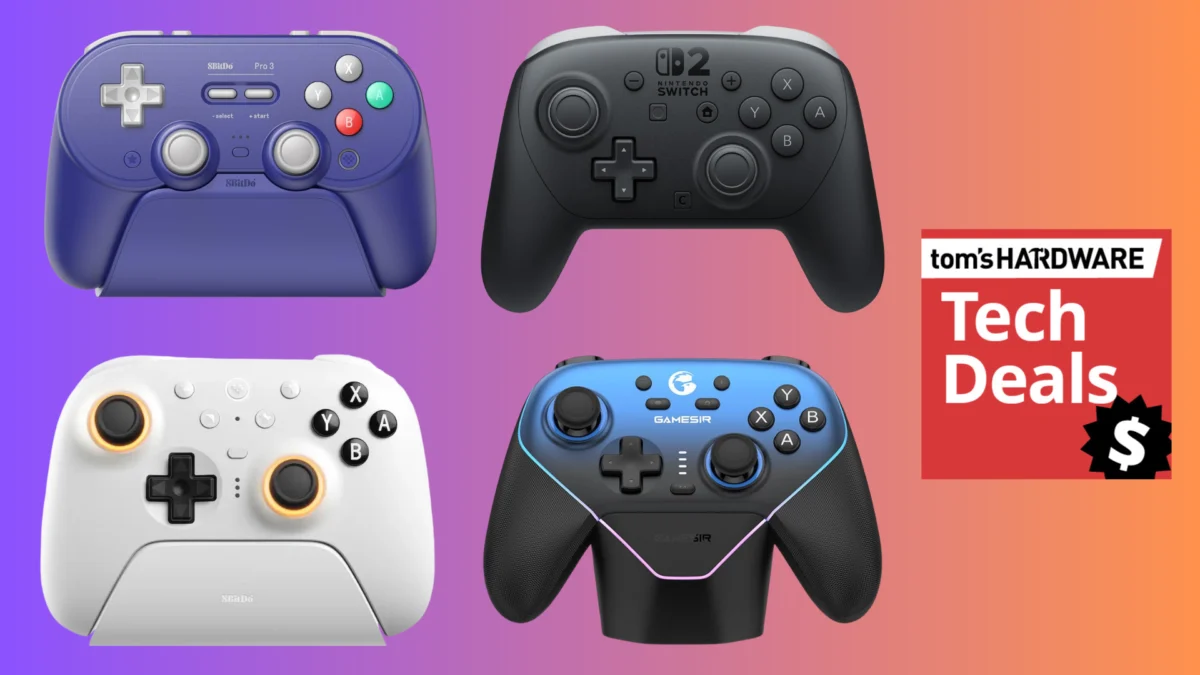
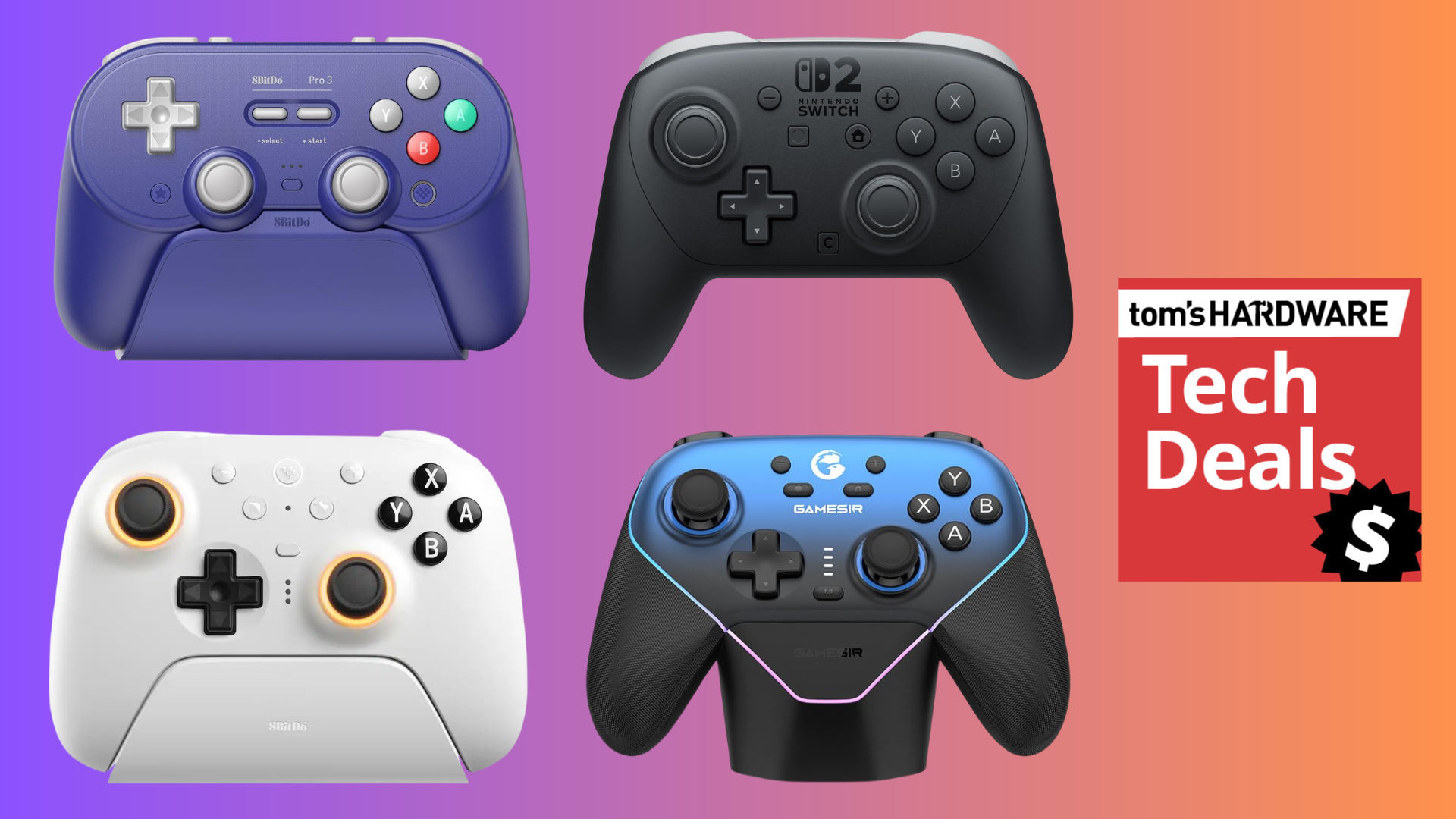
The market for premium Switch controllers has matured significantly. Options like the 8BitDo Ultimate Bluetooth controller have become a gold standard for many, thanks to their Hall Effect joysticks, which prevent the dreaded "stick drift" that plagued previous generations. Similarly, GameSir’s latest offerings provide customizable back buttons, allowing players to map complex maneuvers like backflips and side-hops to the rear of the controller, keeping their thumbs firmly on the movement sticks.
When docking the Switch 2, the transition to a wired or high-quality wireless controller ensures that the input latency is minimized. For a game like Ocarina of Time, where a millisecond can be the difference between a successful parry and taking damage from an Iron Knuckle, the hardware choice is as important as the skill of the player.
Official Responses and Strategic Implications
Nintendo’s official stance on the remaster has been one of "faithful innovation." In a recent interview, producer Eiji Aonuma emphasized that the goal was to preserve the soul of the 1998 experience while removing the friction that modern players might find off-putting.
"We didn’t want to change the heart of the game," Aonuma stated. "We wanted to ensure that when a player picks up the controller, they feel the exact same sense of wonder they felt twenty-five years ago, just without the limitations of the technology of that time."
The strategic implications for Nintendo are massive. By anchoring the Switch 2 launch with Ocarina of Time, the company is securing its foothold in both the "nostalgia market" and the "new adopter" demographic. The game acts as a bridge; older fans who grew up with the N64 return for the comfort of the familiar, while younger players are introduced to the foundation of the modern action-adventure genre.
Furthermore, this release sets a precedent for how Nintendo might handle its deep catalog in the future. Should the Ocarina remaster prove to be the financial juggernaut many expect, it is highly probable that other entries in the Zelda series—or perhaps even titles from the Mario or Metroid franchises—will receive similar "definitive" treatments on the Switch 2.
The Path Forward: Hyrule Awaits
As players prepare to step into the boots of the Hero of Time once more, the consensus is clear: the experience is what you make of it. Whether you are a purist who prefers the classic button layout or a modern gamer looking for the most ergonomic setup possible, the Switch 2 offers the flexibility to tailor the experience to your preferences.
The release of The Legend of Zelda: Ocarina of Time on the Switch 2 is more than a simple port; it is a celebration of a medium that continues to evolve. As the shadows lengthen in the Kokiri Forest and the music of the Ocarina begins to play, one thing is certain: Hyrule has never looked—or felt—this good.
For those still deciding on their hardware setup, the time to act is now. With the game officially hitting store shelves, demand for high-quality peripherals is expected to spike. Whether you opt for a pro-grade controller from 8BitDo or the reliability of an official Nintendo Pro Controller, ensuring you have the right gear will be the first step in your journey to save the kingdom from the clutches of Ganondorf. The adventure is calling; it’s time to pick up the controller and answer.