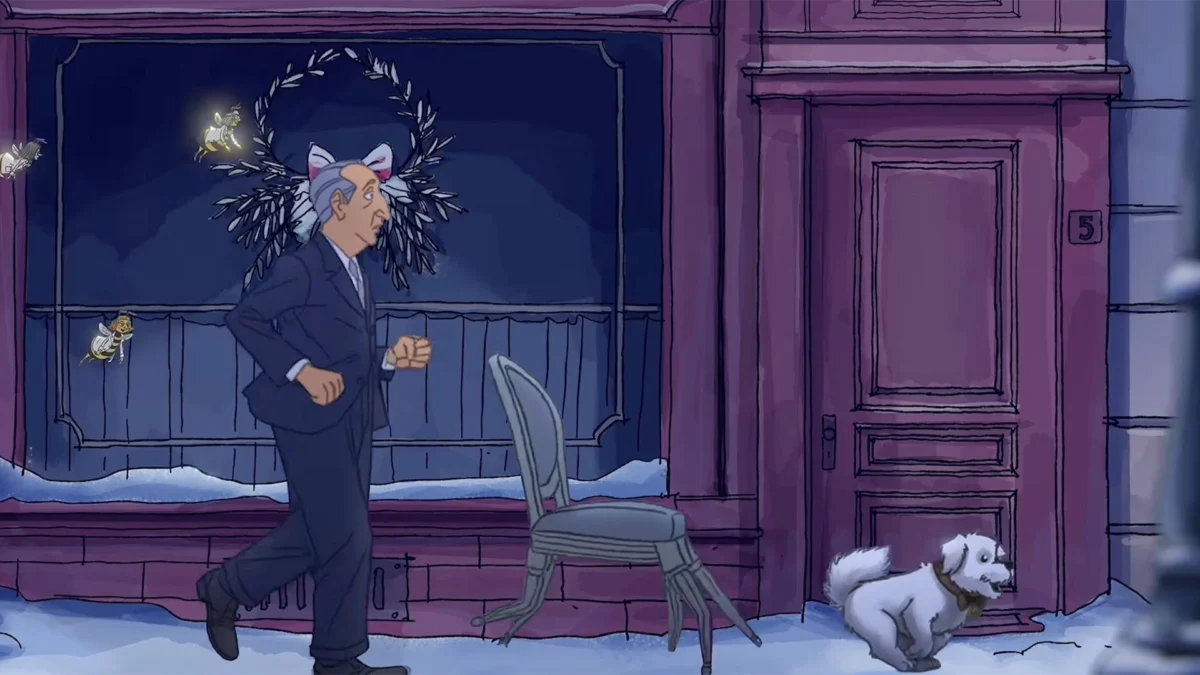
The 2026 holiday advertising season has arrived, bringing with it a familiar, highly competitive race for the hearts and wallets of consumers. In an era where digital noise is at an all-time high, luxury brands are increasingly turning toward "handcrafted" narratives to foster connection, nostalgia, and a sense of prestige. However, Dior’s latest festive campaign, “Christian Dior’s Night in Color,” has inadvertently become the epicenter of a heated cultural debate, triggering accusations of deceptive AI use and raising profound questions about the value of human artistry in high-fashion marketing.
The Campaign: A Façade of Tradition
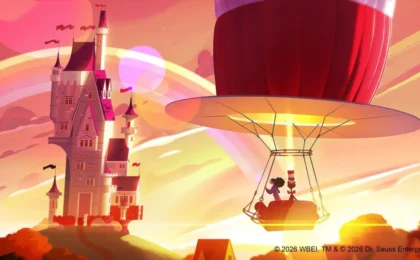
Directed by acclaimed French animator Sylvain Chomet, the short film was intended to be a centerpiece of Dior’s 2026 holiday strategy. The concept—a charming, whimsical journey inspired by the historical friendship between the house’s founder, Christian Dior, and the legendary film icon Marlene Dietrich—was designed to evoke warmth and heritage. The production features a star-studded cast, including Robert Pattinson, Rihanna, Josh O’Connor, and LaKeith Stanfield, all rendered in an animation style that, at a passing glance, mimics the labor-intensive techniques of traditional hand-drawn animation.
For a luxury powerhouse like Dior, the choice of a high-profile director like Chomet—known for his distinct, human-centric aesthetic in films like The Triplets of Belleville—seemed like a calculated move to reinforce the brand’s commitment to "the hand of the artist." Yet, as the ad began to circulate, the veneer of artisanal craftsmanship quickly began to crack under the scrutiny of an audience increasingly attuned to the visual hallmarks of generative AI.
Chronology of the Controversy
The backlash did not stem from a formal critique, but from the collective observation of the internet. Within hours of the campaign’s release on November 4, 2026, social media platforms—particularly X (formerly Twitter) and Reddit—were flooded with frame-by-frame analyses of the commercial.
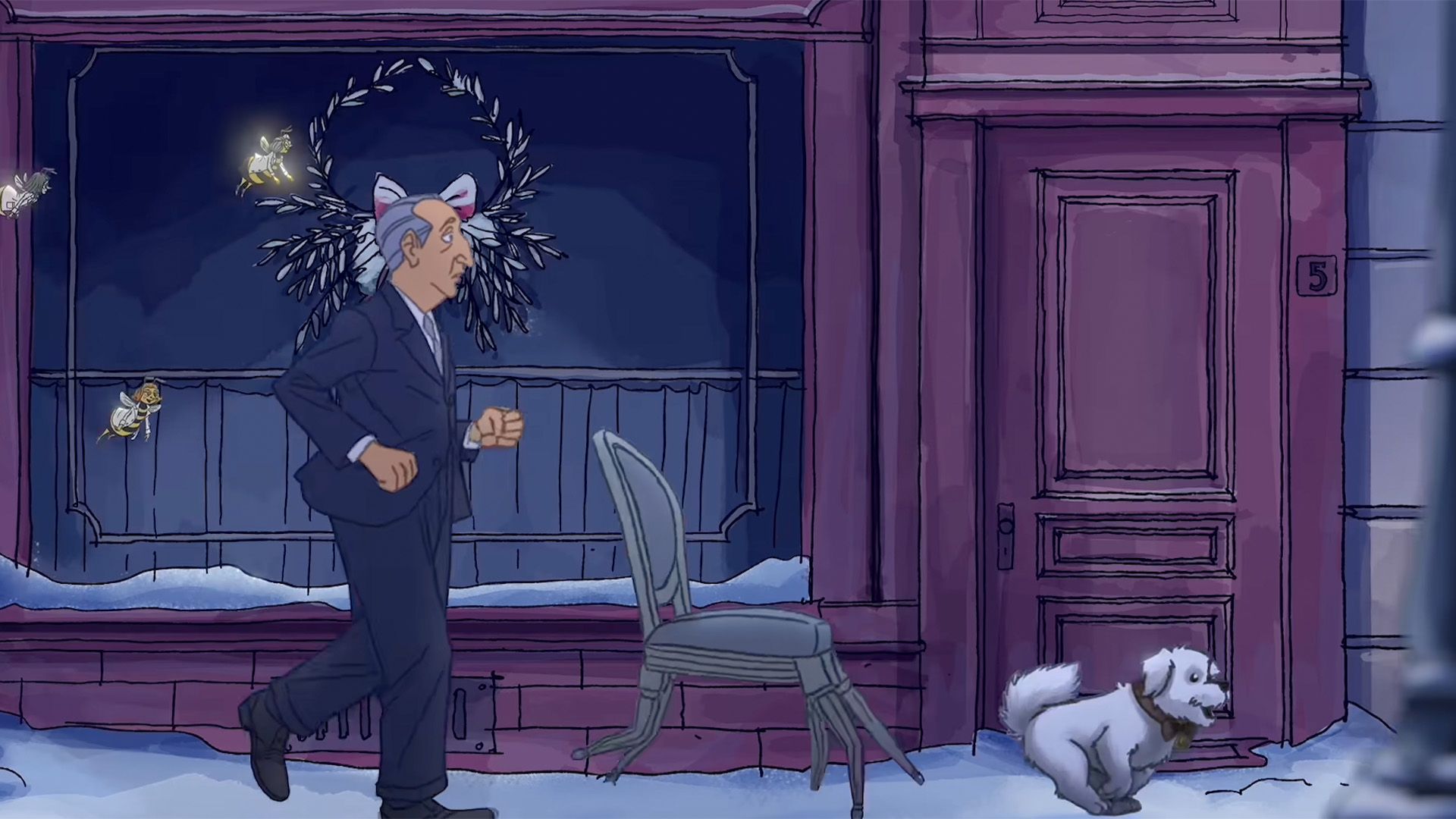
- Early November 2026: Dior releases “Christian Dior’s Night in Color.” The initial reception is positive regarding the star power, but designers and animators begin to express confusion over the visual inconsistency of the animation.
- Within 24 Hours: Detailed breakdowns appear on social media. Users highlight "AI-isms"—the telltale signs of machine-generated imagery. Specific grievances include warped lettering, unnatural anatomical proportions, shifting background elements, and the "sliding" motion often associated with current video-generation models.
- Mid-November 2026: The conversation shifts from the quality of the ad to the ethics of the production. Critics point out that a "behind-the-scenes" featurette released by the brand displays only preliminary sketches, failing to show the actual animation process or the labor of a traditional studio.
- Late November 2026: The discourse reaches a fever pitch as users compare the Dior campaign unfavorably to competitors like Levi’s and Prada, both of whom have released campaigns explicitly highlighting human labor. The lack of an official statement from Dior further fuels the speculation and public frustration.
The Anatomy of the Backlash: Why "AI-Slop" Hurts
The primary issue for critics is not necessarily the use of technology itself, but the perceived deception. In the world of high fashion, "craft" is a currency. When a brand sells a dress, they sell the hours of embroidery, the precision of the tailor, and the history of the atelier. When they sell a narrative, they are selling the creative vision of the artist.
By utilizing AI to simulate a hand-drawn style, Dior is accused of "stolen valor." The public perception is that the brand attempted to reap the aesthetic benefits of human-made art while bypassing the time, expense, and respect that such work requires.
The "Uncanny" Evidence
The visual discrepancies cited by experts and enthusiasts are numerous. In the film, viewers noted:
- Anatomical Incoherence: Distorted phalanges (fingers) and flickering facial features that lack the structural permanence of key-frame animation.
- Texture Instability: Elements of the scenery that appear to "melt" or morph into different shapes between frames—a common artifact in temporal inconsistency found in AI video.
- Typographic Warping: The Dior logo and period-accurate signage in the film often shift in thickness and geometry, a hallmark of LLM-based image generation struggling with text.
Comparative Landscape: The Gold Standard vs. The Imposter
The outrage is magnified by the existence of superior, authentic alternatives in the 2026 market. Levi’s, for instance, released a stop-motion masterpiece that celebrates the tactile, physical nature of the medium. Similarly, Prada’s Disney-inspired holiday campaign has been widely praised for its transparency and the obvious, tangible effort behind every frame.

These campaigns serve as a benchmark for what consumers expect during the holiday season. They represent a "human-made" ethos that consumers have begun to associate with luxury and care. Dior’s reliance on potentially automated processes feels, to many, like a cost-cutting measure that is fundamentally at odds with the brand’s premium identity.
Official Silence and the Implications of Secrecy
To date, Dior has not issued a formal clarification regarding the use of generative AI in the production of the film. This silence has proven to be a strategic misstep. In an era where AI transparency is becoming a regulatory and ethical requirement, the lack of disclosure regarding the production process has been interpreted as an admission of guilt.
By omitting the credit of AI tools while simultaneously projecting the image of a hand-drawn, human-led project, the brand has invited a crisis of trust. The implications for the luxury sector are significant:
- Erosion of Brand Equity: Luxury is built on exclusivity and human ingenuity. If the narrative of the product—the "story"—is found to be manufactured by an algorithm, the perceived value of the product may drop.
- Alienation of the Creative Community: The advertising and design industries are currently in a state of high tension regarding AI. By seemingly sidelining animators for AI-generated alternatives, Dior risks alienating the very creative class that defines the visual culture of high fashion.
- The "Authenticity Tax": Brands that choose to hide their reliance on AI may find themselves paying an "authenticity tax"—a loss of consumer loyalty that is far costlier than the savings gained by replacing human artists with software.
Future Outlook: The Demand for Human Craft
The reaction to the Dior campaign is a bellwether for the future of digital marketing. As generative AI becomes more accessible, the novelty of "pretty" visuals will diminish. Consumers are increasingly developing an "AI-dar," an intuitive ability to distinguish between the work of a human hand and the output of a machine.
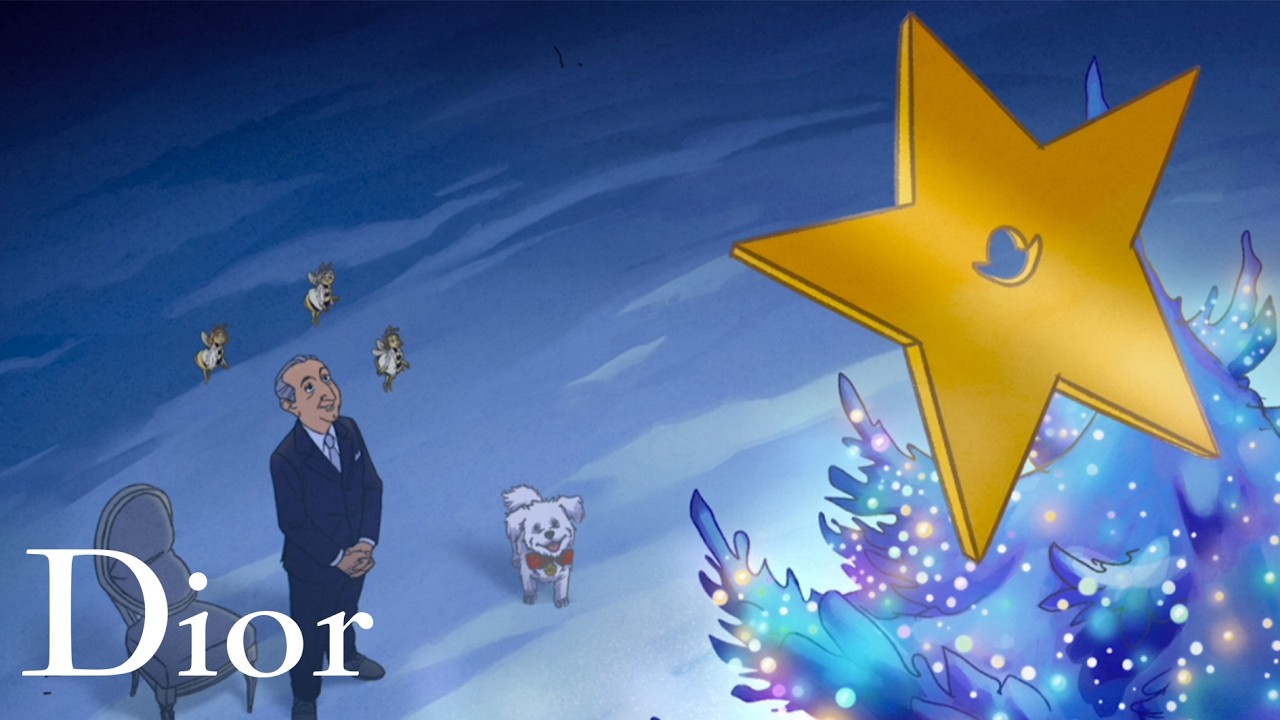
The success of competitors like Prada and Levi’s proves that there is a massive, untapped appetite for the "human-made." This is not merely a preference for aesthetics; it is a preference for human agency. When a viewer watches an ad, they are essentially engaging in a social contract: they provide their attention in exchange for a story that carries the weight of human experience. When that story is revealed to be a product of synthetic automation, that contract is broken.
Dior’s current predicament serves as a stark warning to the luxury industry. In the race to integrate cutting-edge technology, brands must not forget that their most valuable asset is their humanity. As the industry moves forward, the brands that thrive will likely be those that are transparent about their tools and unapologetic about their commitment to the human spirit. For now, Dior stands as a case study in what happens when a luxury house prioritizes the illusion of art over the substance of the artist.
For the creative community, the message is clear: the demand for authentic, human-centric design is stronger than ever. Whether the industry chooses to honor that demand, or whether it continues to push the limits of consumer patience with synthetic content, will likely define the aesthetic landscape of the coming decade.