The challenge of translating the whimsical, flat aesthetic of Dr. Seuss’s iconic illustrations into a fully realized, immersive 3D feature film is a task that would daunt even the most seasoned animation veterans. Yet, for directors Alessandro Carloni and Erica Rivinoja, the upcoming Warner Bros. Pictures Animation project, The Cat in the Hat (slated for a 2026 release), is less about imitation and more about stylistic evolution.
By avoiding the common trap of merely "simulating" a picture book in digital space, the production team has embarked on an ambitious journey to bridge the gap between Seuss’s painterly, hand-drawn heritage and the sophisticated, volumetric possibilities of modern 3D animation.
The Philosophical Core: "Unite and Conquer"
When discussing the creative partnership behind the film, it becomes clear that the production was built on a foundation of radical collaboration. Rather than splitting duties along traditional lines, directors Alessandro Carloni and Erica Rivinoja opted for a philosophy they call "unite and conquer."
"It was less about a division of labor and more about constant, shared oversight," says Rivinoja. By keeping both directors in every meeting, the team ensured a singular, cohesive vision that prevented the creative drift often found in large-scale animated projects. This synergy allowed for a streamlined workflow, ensuring that the film’s complex aesthetic goals remained consistent from the earliest storyboards to the final render.
The Technical Alchemy: Crafting the Seussian Aesthetic
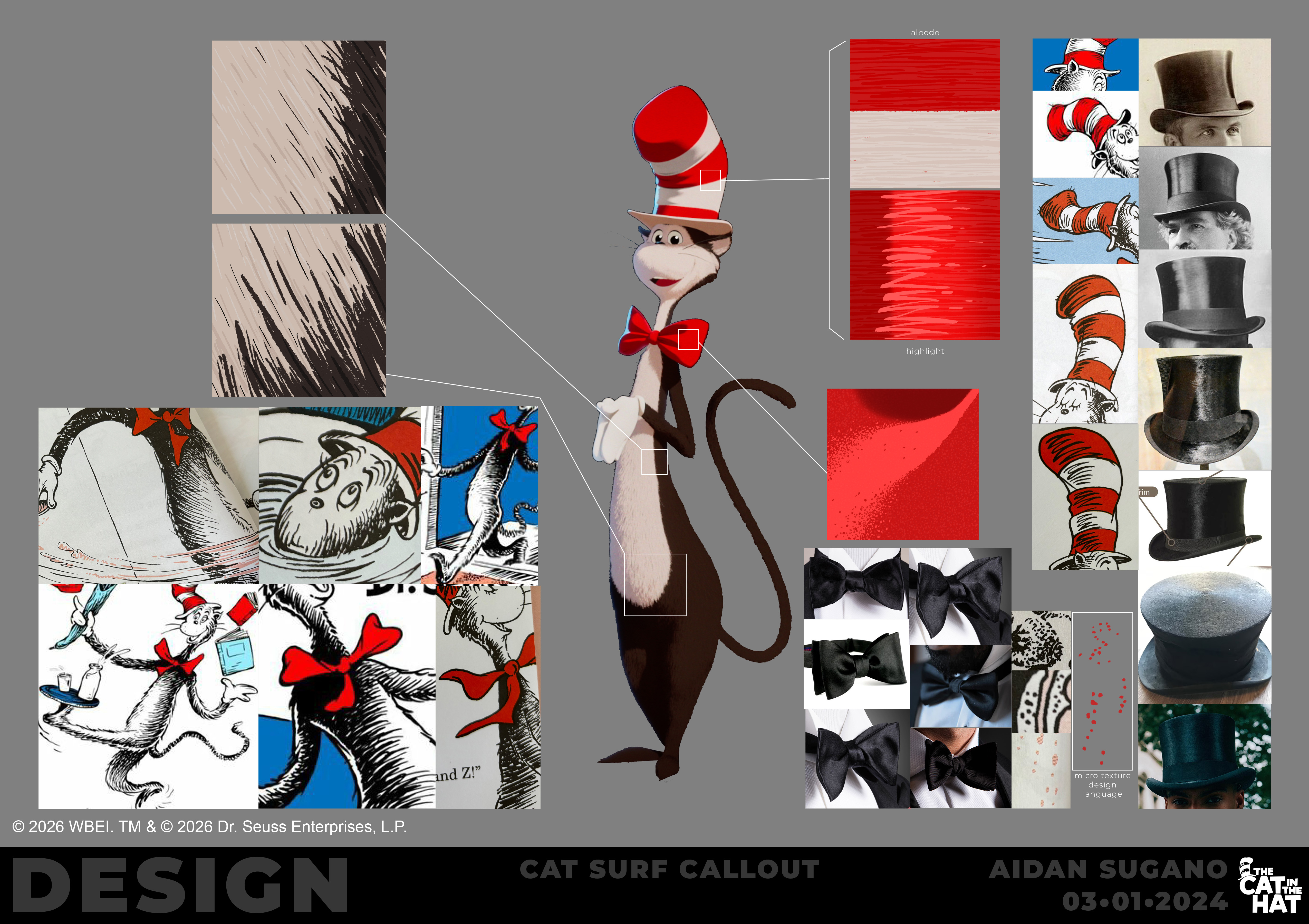
The central challenge for the technical team was the "Seuss look." Dr. Seuss’s books are defined by their unique, often nonsensical geometry, hatch marks, and specific color palettes. To bring this to the screen, the team had to rethink the fundamentals of 3D rendering.
Redefining Lighting and Surfaces
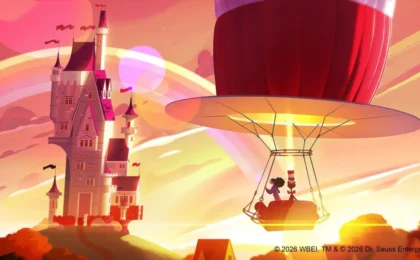
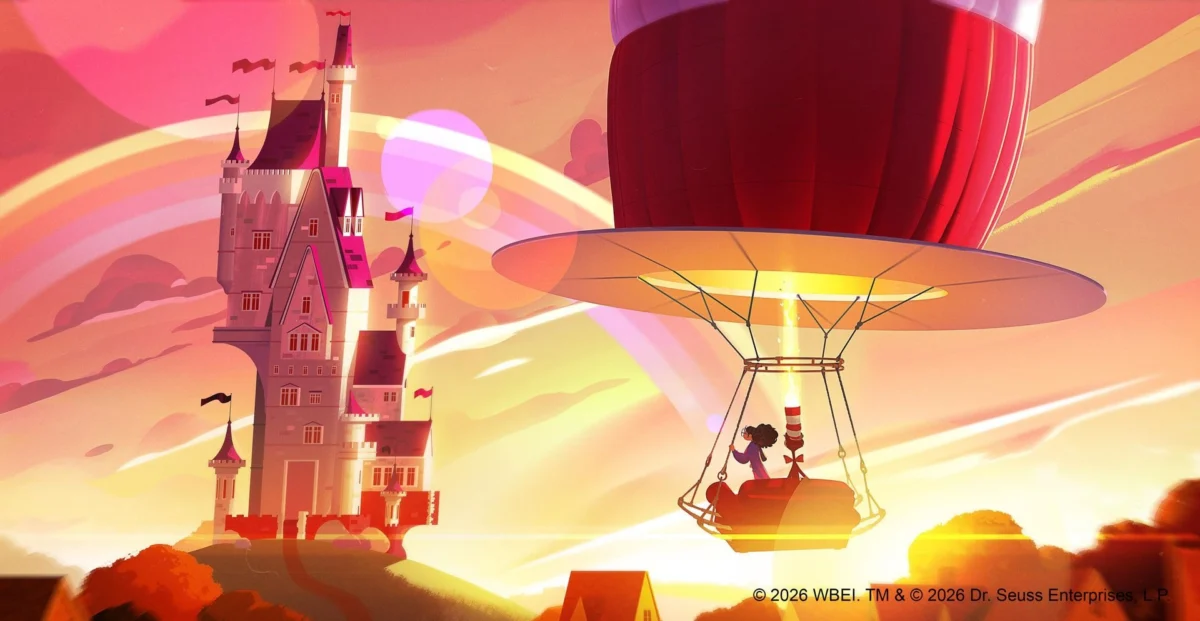
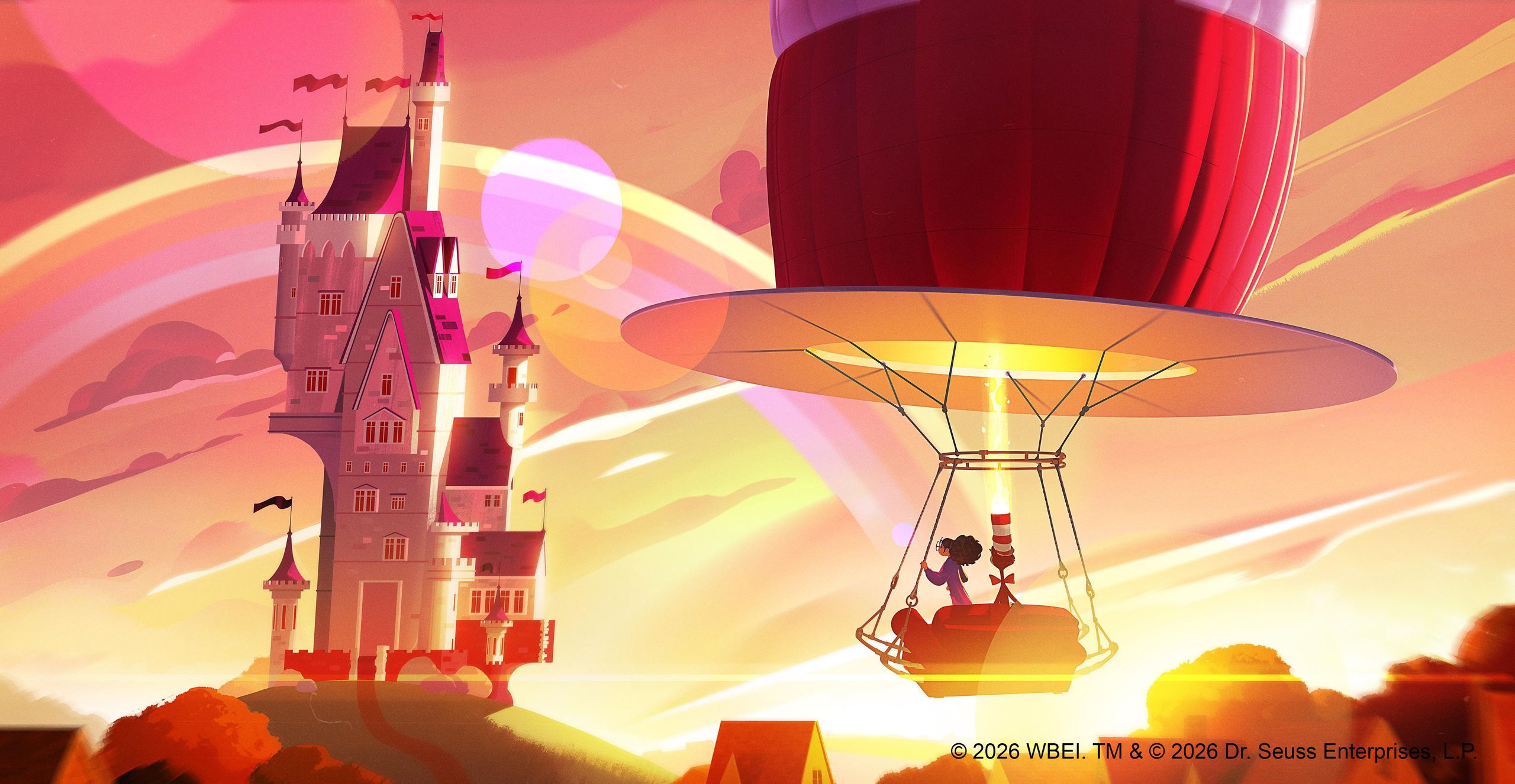
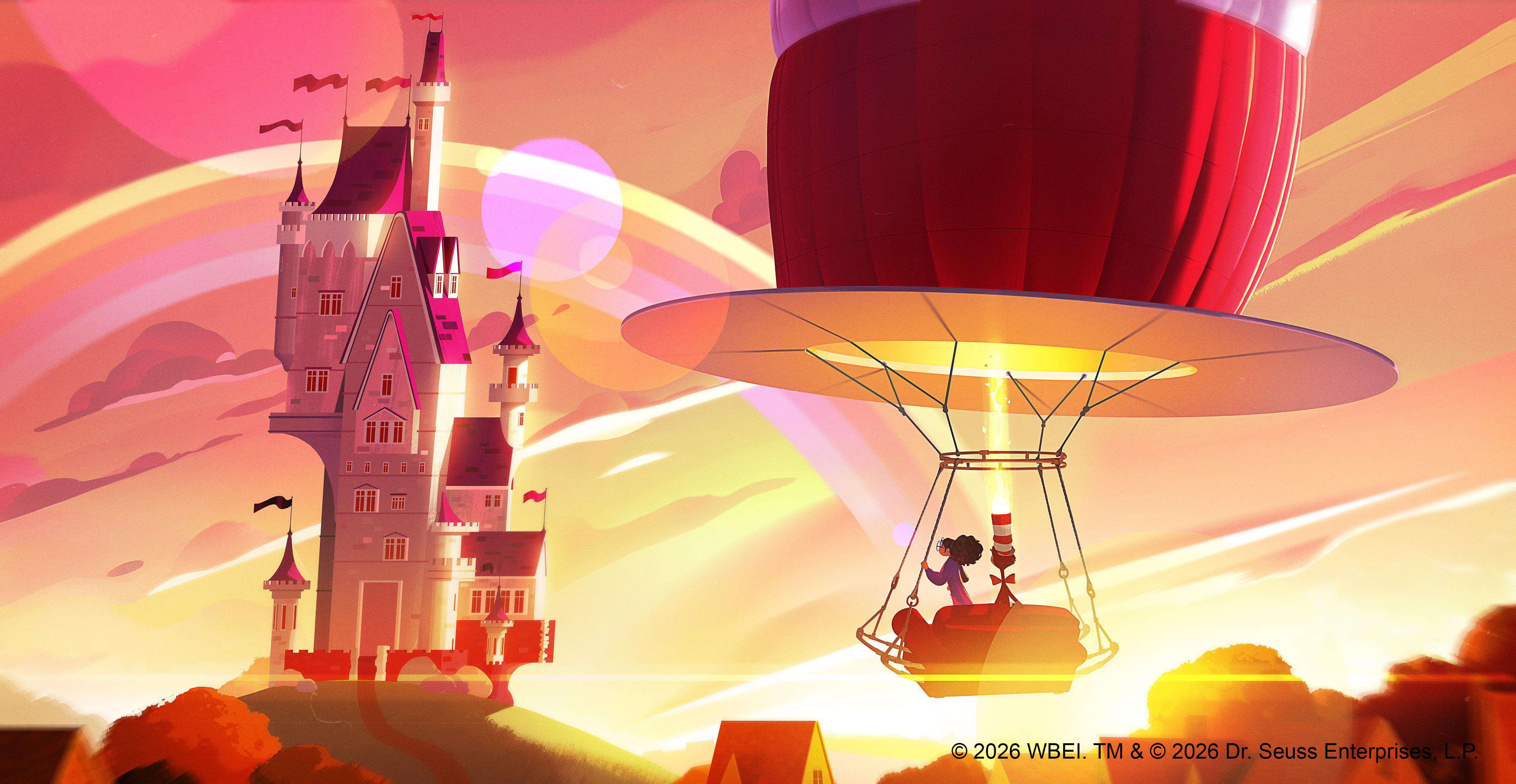
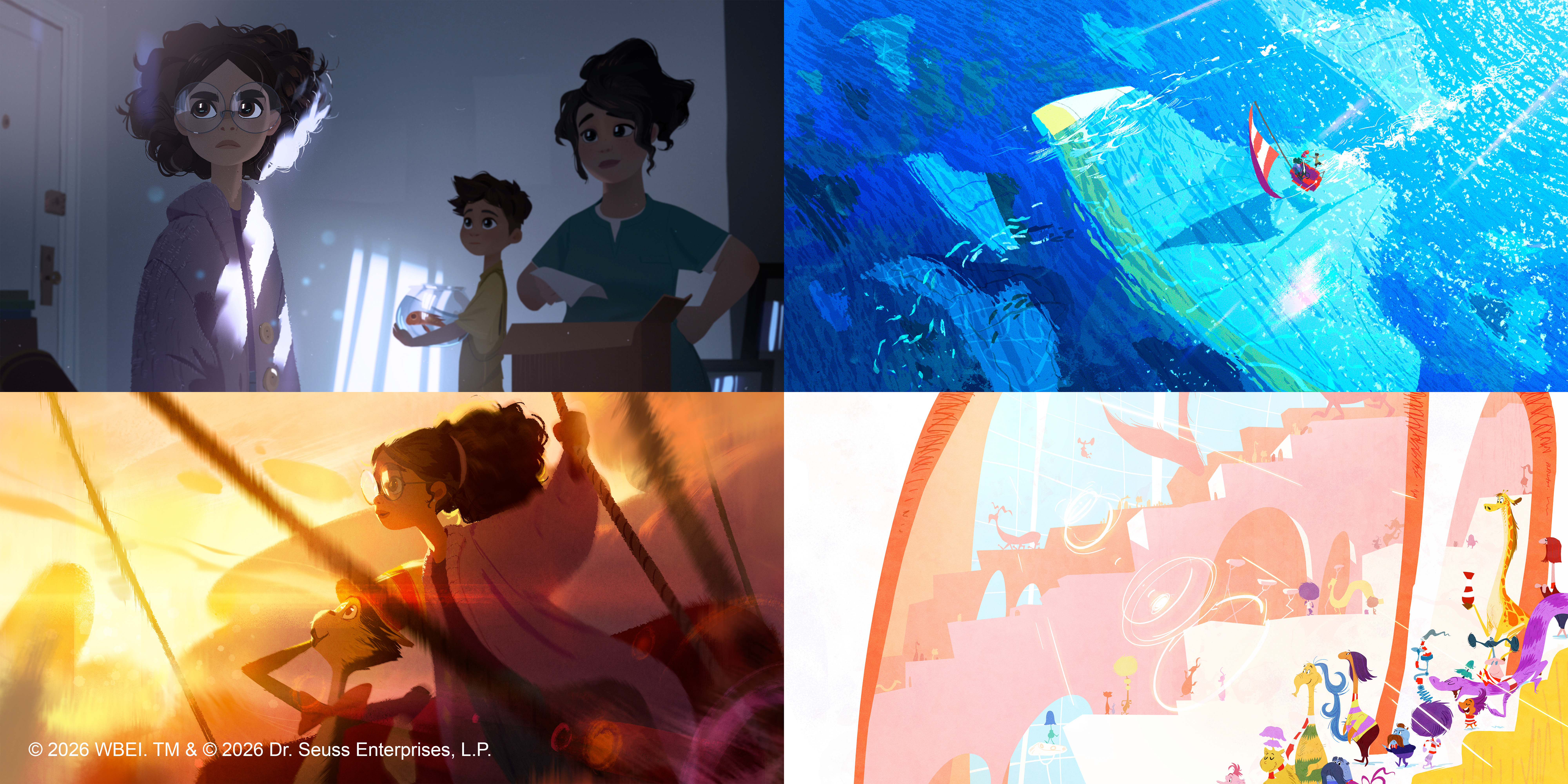
"We didn’t want to use CG to just ‘simulate’ an illustration," Carloni explains. Instead, the team employed a multi-layered approach to lighting. They paired simple, almost flat surfaces with sophisticated volumetric fill and bounce lighting. This creates a visual experience that feels grounded in depth while maintaining the graphic simplicity that readers expect from Seuss.
The War Against Digital Sharpness
Modern 3D animation often risks looking too "perfect" or "sharp." To combat this, the team developed a stylized, painterly edge treatment that softens the harshness typical of digital geometry. By incorporating realistic lens behaviors—such as subtle chromatic aberration, halation, and organic lens flares—the animators managed to introduce a "cinematic texture" that grounds the surreal world in a sense of physical believability.
The Pipeline: How Maya Powered the Production
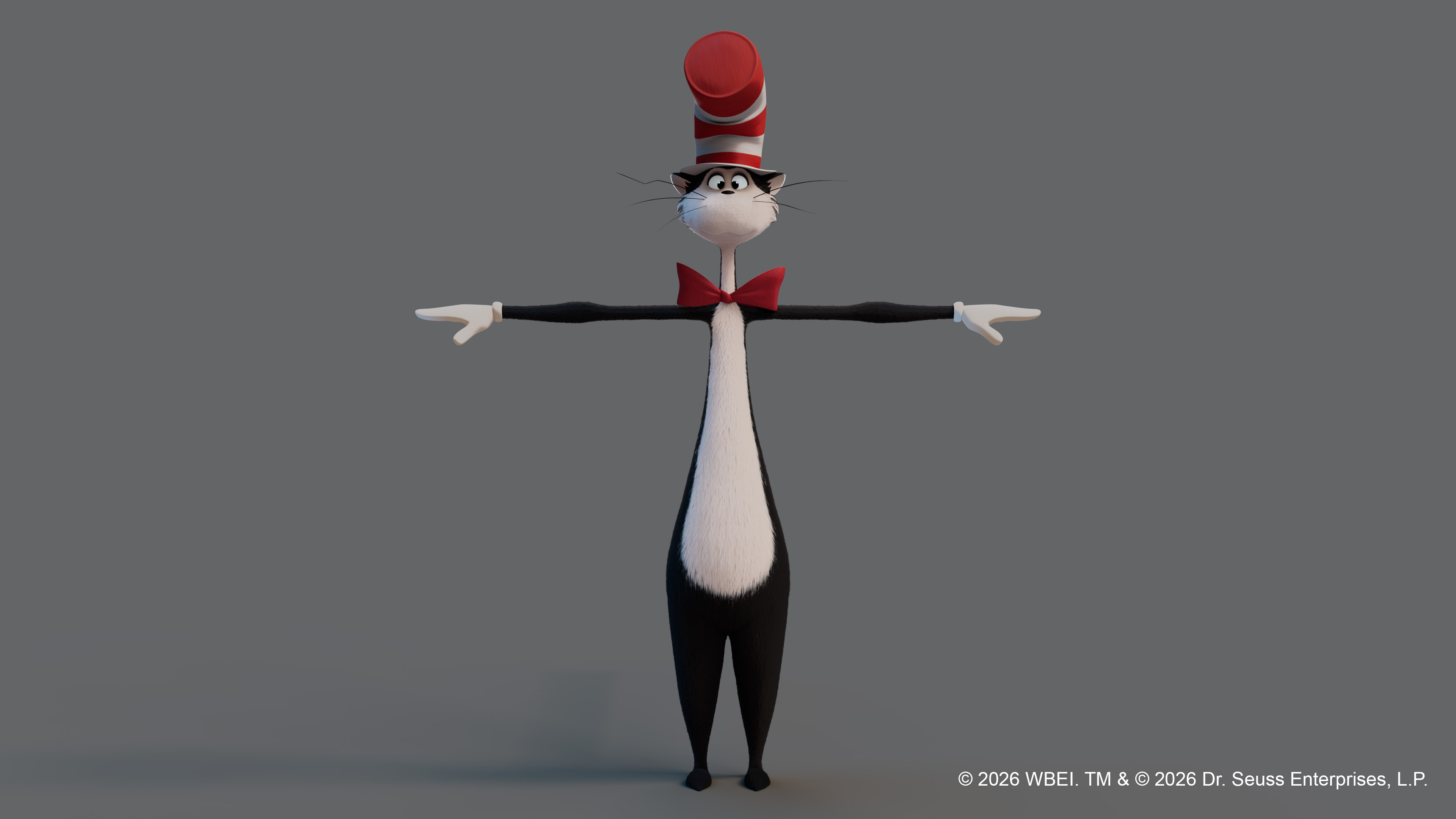
At the heart of this technical achievement lies Autodesk software, specifically Maya and Flow. Production designer Aidan Sugano’s hand-drawn designs were translated into 3D space within Maya, which served as the central hub for every asset in the film—from the Cat himself to the sprawling, whimsical environments.
Animating the Icon
For the animators, Maya was the primary instrument for performance. Animators like Marek Kochout utilized the Graph Editor to fine-tune the Cat’s movements, often working through hundreds of layered curves to capture the character’s manic, fluid energy. The team also implemented a comprehensive "Pose Library," which served as a shared repository of expressions and attitudes. This allowed the global team to maintain consistency, ensuring the Cat felt like the same character regardless of which artist was animating a specific sequence.
Chronology of Production: A Global Undertaking
The scale of this production is massive, involving talent distributed across four countries: India, Canada (Montreal), the United Kingdom (London), and the United States (Los Angeles).
- Year 1 (Concept & Infrastructure): The initial phase focused on translating 2D Seuss motifs into 3D shape language. The team established the "look" of the film, focusing on the specific "painterly edge treatment" and the lighting models that would define the movie’s unique visual identity.
- Year 2 (Execution & Global Sync): With the pipeline established via Autodesk Flow Production Tracking, the global team began the heavy lifting of animation. By using real-time review tools like RV, supervisors in London and designers in New York were able to collaborate on the same footage simultaneously, effectively erasing the distance between continents.
- Year 3 (Refinement & Security): As the film nears its 2026 release, the focus has shifted to final compositing and security. Using tools like Autodesk Flow Capture, the studio has managed to keep production secrets under lock and key while allowing executives and partners to screen the work-in-progress remotely.
The Narrative Expansion: Building a Seuss Universe
Preserving the visual language was only half the battle. The directors also faced the task of expanding a thin, rhythmic children’s book into a feature-length cinematic narrative.
Why the Cat?
The film explores the "what happens next" aspect of the story. The directors developed a backstory for the Cat: he is not merely a creature of chaos, but a professional specialist. His famous hat is, in fact, a company uniform. The story posits that his primary job is to entertain children who are bored, which provides a logical motivation for his arrival at the house on a rainy day.
Consistent Shape Language
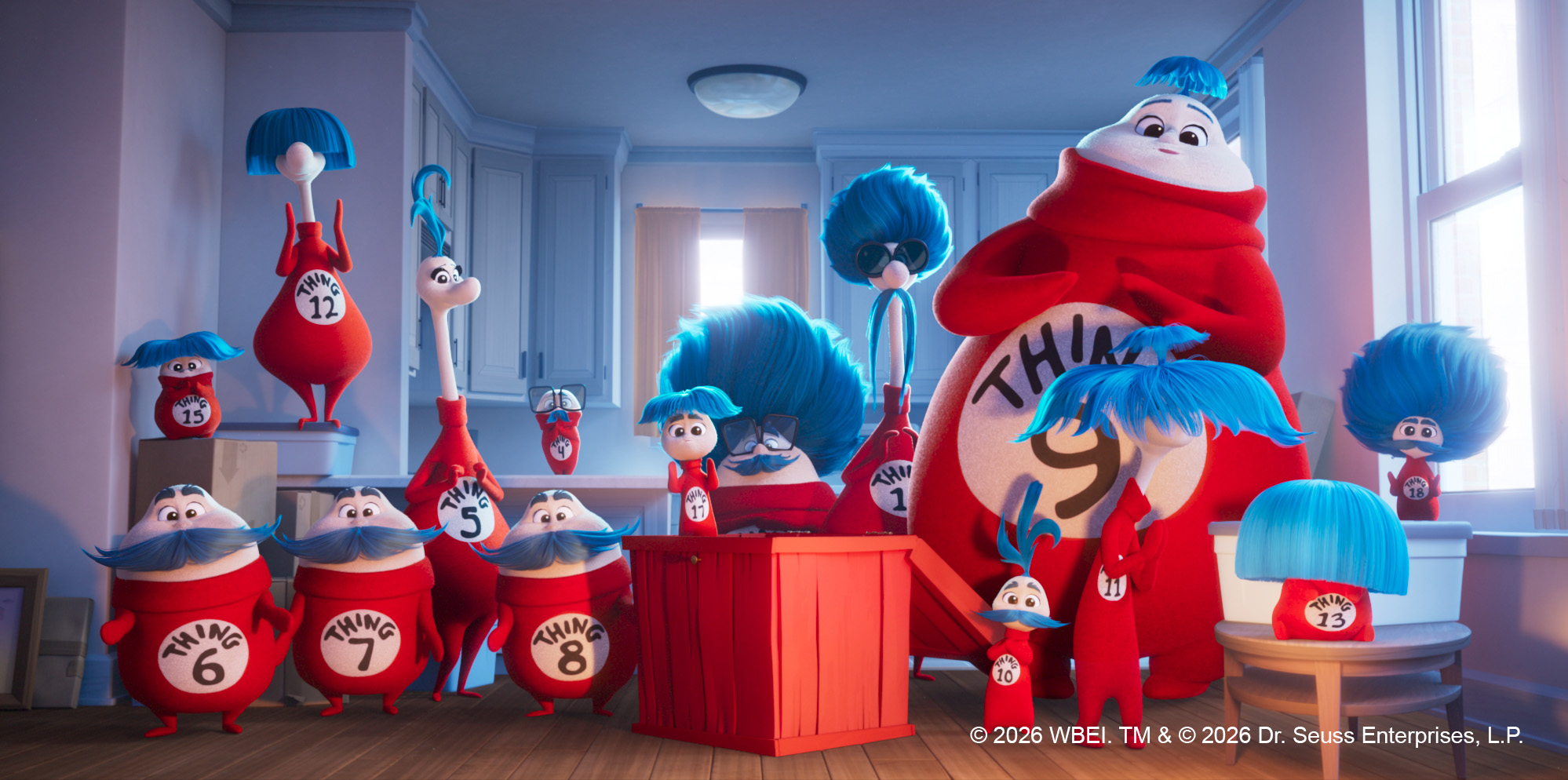
The film features several distinct environments, including the "real world" and various fantasy realms connected to the story’s characters. To keep the audience anchored, the directors made a deliberate choice: they kept the character designs and "shape language" consistent across all worlds. The emotional shift is achieved through changes in color, rendering, and lighting, rather than by altering the physical forms of the characters.
The Human Element: Making the Cat Lovable
Perhaps the most significant hurdle identified by Carloni was the emotional arc of the lead character. "To make sure the character of the Cat was truly lovable—the kind of character anyone would want to spend time with," says Carloni. "If we loved him, we had a movie. If he’s unlikable, then no matter how fun the story or how fantastic the adventure, the movie would never work."
This focus on character empathy highlights the tension between the limitless freedom of animation and the need for grounded, relatable storytelling. In an medium where "the only limit is your imagination," the directors chose to restrain their technical prowess in service of the emotional resonance of the story.
Implications for the Future of Animation
The success of The Cat in the Hat project, both in its workflow and its visual philosophy, sets a new benchmark for adaptations of classic literature.
- Technological Integration: The reliance on unified cloud-based production tools (Autodesk Flow) proves that large-scale, high-quality animation is no longer tied to a single physical location.
- Style Over Realism: The industry is clearly moving away from the "hyper-realistic" CG trend that dominated the early 2000s. By embracing a "painterly" approach, this film validates the shift toward stylized, artistic rendering.
- Collaborative Directing: The "unite and conquer" model used by Carloni and Rivinoja suggests that the future of massive animation projects may favor co-directorships that prioritize consistent communication over task delegation.
As the industry looks toward the November 2026 release, the anticipation is not just for the story, but for the visual achievement. The Cat in the Hat stands as a testament to what happens when cutting-edge technology is applied not to replace the artist’s hand, but to expand its reach. By honoring the legacy of Dr. Seuss while embracing the tools of the future, the team at Warner Bros. Pictures Animation is poised to introduce a new generation to a classic, re-imagined for the digital age.
The Cat in the Hat will arrive in cinemas and IMAX in North America on November 6, 2026, with international markets beginning their releases on November 4.