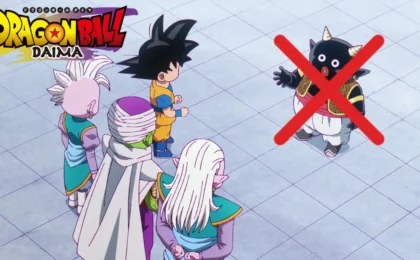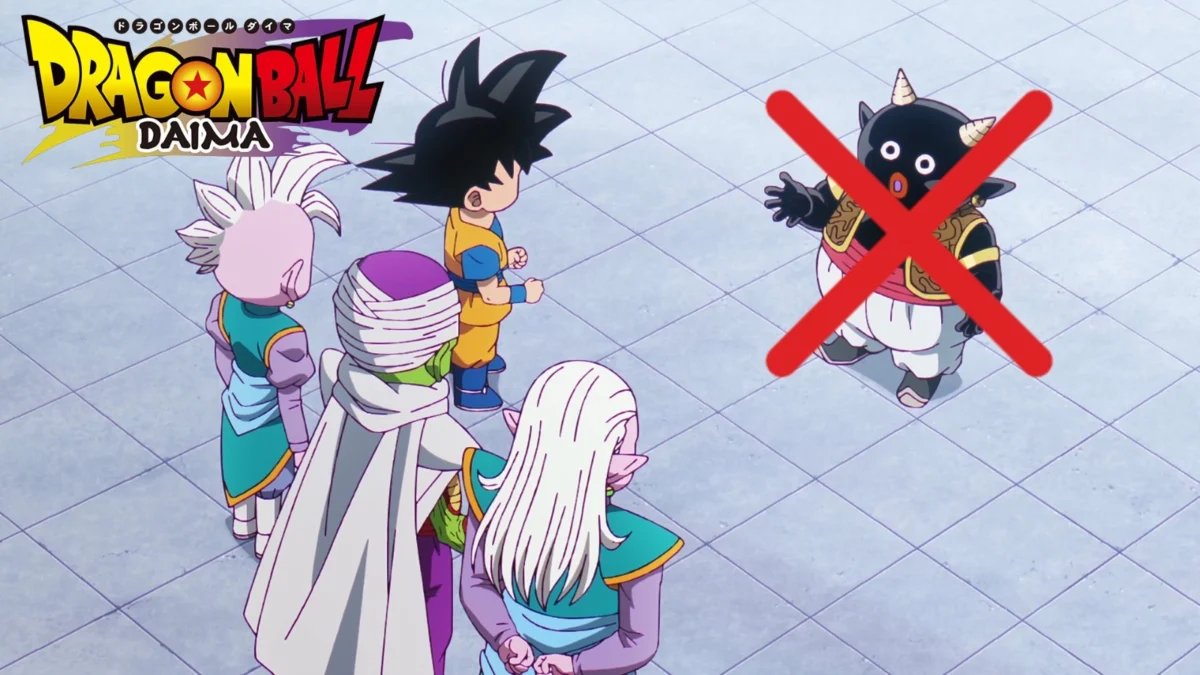
The international broadcast of Dragon Ball Daima, the latest high-profile entry in Akira Toriyama’s legendary franchise, has hit an unexpected hurdle in European markets. As the series began its rollout, eagle-eyed fans in France noticed a peculiar discrepancy: while the dialogue remained intact, a cornerstone character of the franchise, Mr. Popo, had been effectively erased from the visual narrative. This editorial decision, which involves cropping, zooming, and frame-by-frame removal of the character, has ignited a fierce debate regarding cultural sensitivity, artistic integrity, and the challenges of exporting legacy anime in an increasingly globalized media landscape.
The Disappearing Act: What Happened in France?
On November 4, 2026, Dragon Ball Daima made its much-anticipated French television debut on the network Gulli. The series, which follows Goku and his companions as they are transformed into children and thrust into the mysterious Demon Realm, was expected to be a faithful airing of the Japanese original. However, viewers quickly realized that something was missing.
Mr. Popo, the long-standing attendant to Kami and Dende, was nowhere to be found. Throughout the opening episodes, the character’s presence is strictly auditory. His voice lines, provided by the French dub cast, are heard clearly, yet the character himself never appears on screen. In scenes where he should be standing alongside other characters, the footage has been meticulously manipulated. Editors have employed aggressive cropping, strategic zooming, and in some instances, complete scene removal, to ensure that the character remains invisible to the television audience.
The reaction on social media was immediate and visceral. One fan on X (formerly Twitter) articulated the frustration shared by many: “Mr. Popo has been removed from Dragon Ball Daima in France! He speaks, but doesn’t appear on screen!” This wasn’t merely a localized glitch; it was a deliberate, systematic editorial effort to scrub a character from a broadcast, despite the fact that the narrative context—the dialogue—remained entirely unchanged.
A Timeline of Censorship: From DBZ Kai to Daima
The current controversy surrounding Dragon Ball Daima is not an isolated incident; rather, it represents the latest chapter in a decades-long struggle to adapt Mr. Popo for Western television. The character’s design—characterized by his dark skin, round, bulbous features, and prominent lips—has faced intense criticism for decades.
2010: The Blue Shift
The most notable precursor to the current situation occurred in 2010 during the American broadcast of Dragon Ball Z Kai on The CW. In an effort to avoid the racial connotations associated with the character’s original design, broadcasters famously recolored Mr. Popo’s skin from deep black to a bright, unnatural blue. This move was met with mixed reactions; while it satisfied broadcast standards for sensitivity, it was criticized by purists as a jarring and unnecessary alteration to Akira Toriyama’s visual identity.
2026: The European Wave
The current cycle of censorship began in August 2026, when Dragon Ball Daima debuted in Germany on the channel Toggo Plus. Much like the current situation in France, the German broadcast opted to excise the character visually rather than re-color him. By November 2026, when the series reached Gulli in France, the "disappearing act" had become the established protocol for these specific regional broadcasts.
The Core Controversy: Cultural Context vs. Visual Design
The central tension in this story lies in the fundamental disagreement over what Mr. Popo represents.
The Argument for Censorship
Critics and advocates for the removal argue that Mr. Popo is a relic of a bygone era of character design that relies heavily on "blackface" tropes prevalent in early 20th-century media. Even if the intent behind the character was benign, critics argue that the visual shorthand is inherently offensive and carries a weight that cannot be ignored in a modern global context. For television networks targeting younger, diverse audiences, the potential for harm or controversy is deemed too high to risk keeping the character as he was originally designed.
The Argument for Preservation
Conversely, many fans and defenders of the original anime point to the character’s roots in Eastern religious iconography. Mr. Popo is frequently compared to Mahakala, a dark-skinned guardian deity in Hindu and Buddhist traditions. Supporters argue that the character’s appearance is drawn from these spiritual motifs—where black skin is often associated with the void or the cosmos—rather than any Western caricature of Black people. From this perspective, the censorship is seen as an act of cultural erasure, forcing a Western-centric lens onto a piece of Japanese art and failing to appreciate the context in which Toriyama created his world.
The Role of Toei Animation and Network Discretion
A significant question remains: who is driving these editorial choices? To date, neither Gulli nor Toei Animation Europe has issued a definitive public statement explaining the logic behind the edit.
Typically, such decisions are a result of a negotiation between the rights holder and the local broadcaster. In many cases, broadcasters are required to adhere to strict "Standards and Practices" guidelines that govern what is deemed appropriate for children’s television. While it is unclear if the mandate came from the top down (Toei) or was a preemptive move by the network (Gulli), the consistency between the German and French broadcasts suggests a broader policy for the European market.
The Impact on the Viewing Experience
The editorial decision to keep the voice but remove the visuals creates a bizarre narrative dissonance. In Dragon Ball, character interactions are deeply visual. When a character is "heard but not seen," the spatial logic of the scene collapses. Viewers are left to infer the position of a character who is technically part of the conversation but visually absent, which can lead to confusion for those unfamiliar with the controversy.
Furthermore, Dragon Ball Daima has been praised for its deeper dive into lore and its connection to the original series’ history. Because Akira Toriyama was intimately involved in the story and character design of Daima, the erasure of a character who, in the original script, may hold keys to the lore of the Demon Realm, represents a significant deviation from the creator’s vision.
The Future of Global Anime Distribution
This situation serves as a bellwether for the future of anime distribution. As the medium becomes increasingly mainstream, the friction between original intent and regional sensitivity will likely continue to grow.
Streaming vs. Broadcast
It is important to note that this censorship is currently confined to television broadcasts. Fans in France who wish to see the series in its original, intended form have other options. Streaming platforms such as Crunchyroll and Netflix currently host the series in its uncensored, subtitled format. This bifurcation of the audience—where "safe" versions are broadcast on cable and "authentic" versions are available on streaming—is becoming the industry standard.
The Implications for Legacy Franchises
As global audiences continue to revisit classic titles, the pressure to edit or update legacy characters will only intensify. The case of Mr. Popo illustrates that there is no "easy" solution. Recalibrating designs (as seen in DBZ Kai) alienates purists, while removing characters entirely (as seen in Daima) alienates the narrative.
Ultimately, the controversy surrounding Dragon Ball Daima in France is about more than just one character. It is a reflection of a global media industry struggling to reconcile the artistic expressions of the past with the social expectations of the present. Until there is a more unified approach to handling these cultural touchstones, fans can expect that the "disappearing guardian" will remain a point of contention, serving as a reminder of the complex, often messy, process of cultural exchange in the age of global entertainment. For now, the mystery of Mr. Popo’s role in the Demon Realm remains—but for French television viewers, the mystery of his physical existence remains unsolved.