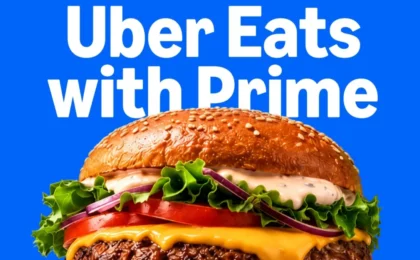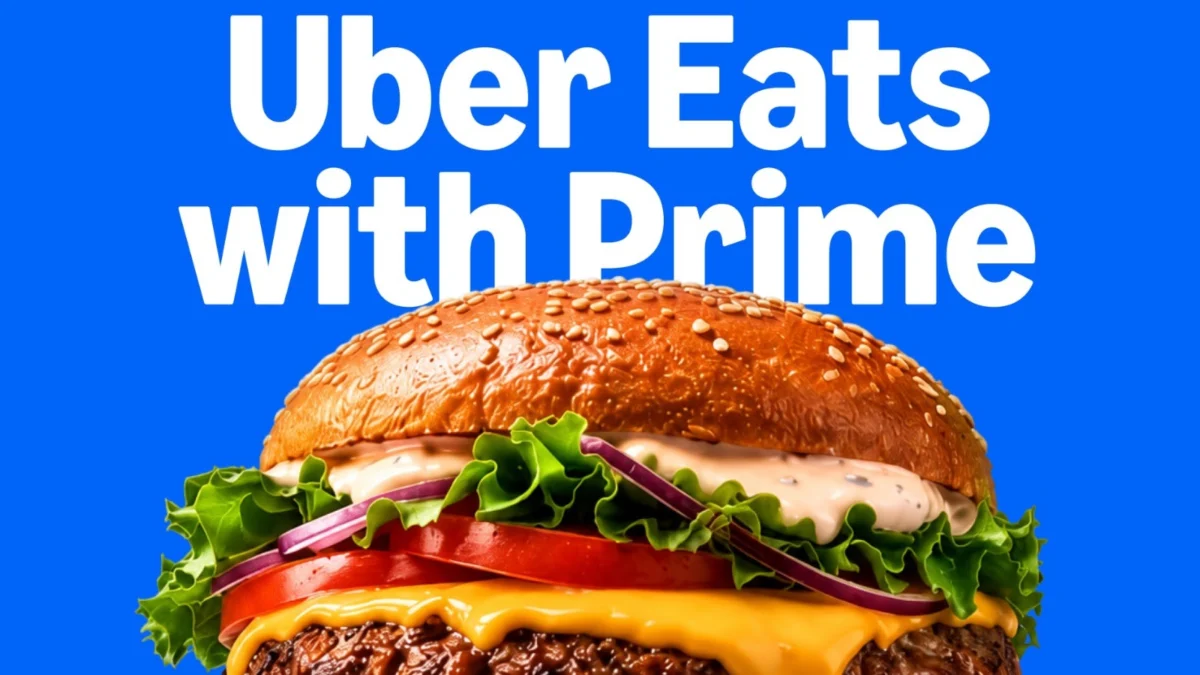
In a major shift for the landscape of digital commerce and food delivery, Amazon has officially integrated Uber Eats directly into its ecosystem. This new partnership allows Amazon Prime members to order restaurant meals, track deliveries, and manage their food service needs without ever navigating away from the Amazon website or mobile application. By consolidating the convenience of e-commerce with the ubiquity of on-demand food delivery, the two tech giants are aiming to redefine the value proposition of a Prime subscription.
The Core Integration: Seamless Ordering Within the Amazon Ecosystem
The centerpiece of this collaboration is the dedicated Uber Eats storefront housed within Amazon’s digital architecture. Rather than acting as a mere redirect, the integration allows for a native experience where users can browse participating local restaurants, select menu items, customize their orders, and finalize payments—all within the familiar Amazon interface.
For Prime members, the primary incentive is the elimination of delivery fees on qualifying orders. By spending a minimum of $25 (calculated before taxes and service fees), customers gain access to $0 delivery on their restaurant selections. This feature is designed to mirror the "Prime shipping" experience that customers have grown accustomed to with retail goods, effectively extending the promise of free, fast delivery to the dining sector.
To initiate the benefit, users must visit the Amazon Uber Eats storefront, sign in to their active Prime account, and grant the necessary permissions to link their profiles. Once the "Allow" prompt is accepted, the system handles the backend logistics, allowing users to track their orders in real-time through Amazon’s native push notifications and order-tracking dashboard.
Chronology: From Grubhub to the Uber Eats Era
To understand the weight of this announcement, one must look at the recent history of Amazon’s attempts to capture the food delivery market.
2022: The Initial Pivot
Amazon first signaled its intention to break into the food delivery space by offering a complimentary Grubhub+ membership to its Prime subscribers. This was a strategic play to add value to the Prime bundle, providing users with zero delivery fees and lower service charges on Grubhub orders.
2024: Solidifying the Perk
After testing the waters for nearly two years, Amazon formally transitioned the Grubhub benefit into a permanent, core feature of the Prime subscription. This move was widely interpreted as an attempt to compete directly with services like DoorDash and Walmart+, which had already integrated food delivery perks into their respective loyalty programs.
Late 2024: The Strategic Shift
The landscape shifted once again when Amazon announced the termination of its Grubhub partnership in favor of a more deeply integrated relationship with Uber Eats. This transition marks a departure from the "membership-plus-membership" model—where one company pays for another’s subscription—to a direct, functional integration within the Amazon app.
Future Outlook
While the $0 delivery fee benefit currently has no expiration date, the promotional discounts are strictly time-bound. As of the current announcement, the introductory offer—which provides significant savings—is slated to run through November 18, 2026.
Supporting Data: Understanding the $40 Savings Incentive
Beyond the permanent benefit of free delivery, Amazon is aggressively courting new users with a promotional offer designed to encourage immediate trial of the platform.
The $40 Introductory Promotion
Amazon is offering Prime members $20 off each of their first two qualifying Uber Eats orders. To qualify, each order must meet the $25 minimum threshold (pre-tax).
- Total Savings: $40 potential discount.
- Requirements: Must be an active Prime member; must place the order through the Amazon Uber Eats storefront.
- Limitations: The offer cannot be combined with other ongoing promotions. If a user cancels their Prime membership, they immediately forfeit the ability to use the benefit.
This structure serves a dual purpose: it incentivizes users to change their ingrained habit of ordering through the standalone Uber Eats app, and it provides a "low-friction" entry point for those who have never used food delivery services within the Amazon ecosystem.

Implications for the Industry and Consumers
The integration of Uber Eats into Amazon Prime is not merely a convenience feature; it is a calculated business move with far-reaching implications for the gig economy, competitive retail, and consumer behavior.
1. The Consolidation of "Super-Apps"
Amazon is increasingly moving toward a "Super-App" model, where a single digital destination fulfills every conceivable consumer need, from electronics and groceries to entertainment and now, prepared restaurant meals. By keeping the user within their ecosystem, Amazon captures more data, increases the "stickiness" of the Prime subscription, and reduces the likelihood of the customer switching to a competitor’s app.
2. Impact on the Competitive Landscape
The shift from Grubhub to Uber Eats represents a significant loss for Grubhub and a massive win for Uber. Uber Eats, which has been fighting a fierce battle for market share against DoorDash, gains access to the millions of subscribers that constitute the Amazon Prime base. For Amazon, the partnership ensures that they are aligned with a logistics partner that has the massive infrastructure required to handle the high volume of traffic expected from Prime members.
3. The Psychology of the "Prime" Bundle
Prime members have long been conditioned to look for the "Prime" logo as a sign of value. By bringing Uber Eats under that same branding, Amazon is effectively "de-risking" the restaurant delivery experience for its users. Customers who may have been wary of third-party apps now feel a sense of security ordering through the trusted Amazon brand.
4. Logistics and Real-Time Tracking
The technical integration of real-time tracking within the Amazon app is a significant engineering feat. It signals that Amazon is willing to invest heavily in deep-API integrations to ensure that the user experience is identical to, or better than, using the native Uber Eats app. This sets a new industry standard: service providers can no longer simply provide a link; they must provide a full, native experience.
Official Stances and User Considerations
Amazon has been clear that the current iteration of the service is limited to the United States. Furthermore, the company has emphasized the importance of maintaining an active Prime membership to retain these benefits.
"This is about making the lives of our members easier," an Amazon spokesperson hinted during the rollout. "By bringing the best of local dining to the place where our members already do their daily shopping, we are creating a more cohesive, efficient experience."
For the end-user, there are several key points to consider:
- Account Requirements: Unlike the previous Grubhub arrangement, which required users to manage a secondary subscription, the new Uber Eats benefit does not require a separate Uber Eats account. This reduces the friction of sign-ups and password management.
- The "Cancelation" Clause: Users should be aware that if they pause or cancel their Prime membership, access to the $0 delivery fee is revoked instantly. Should they choose to restart their subscription, they must re-enable the link to the Uber Eats store.
- The Expiration Date: While the free delivery benefit appears to be a permanent fixture for the foreseeable future, the $40 discount expires on November 18, 2026. This date is critical for budget-conscious consumers who intend to maximize their savings.
Conclusion
The partnership between Amazon and Uber Eats is a transformative moment in the evolution of the "everything store." By stripping away delivery fees and integrating ordering, tracking, and payment into a single, cohesive platform, Amazon is further entrenching itself in the daily lives of millions of consumers.
While the change may disrupt existing habits for those accustomed to the Grubhub integration, the sheer scale of the Uber Eats network, combined with the promotional $40 discount, makes this a highly attractive proposition for the average Prime subscriber. As the two companies continue to refine this digital bridge, the industry will be watching closely to see if this model of deep, native integration becomes the new gold standard for loyalty programs in the digital age.
For the consumer, the takeaway is clear: the path to dinner has never been shorter, provided you have a Prime badge in your pocket.