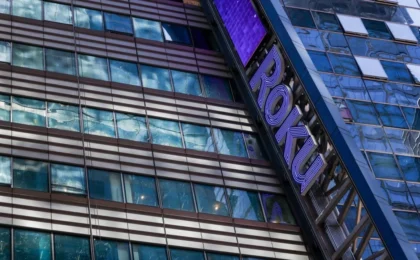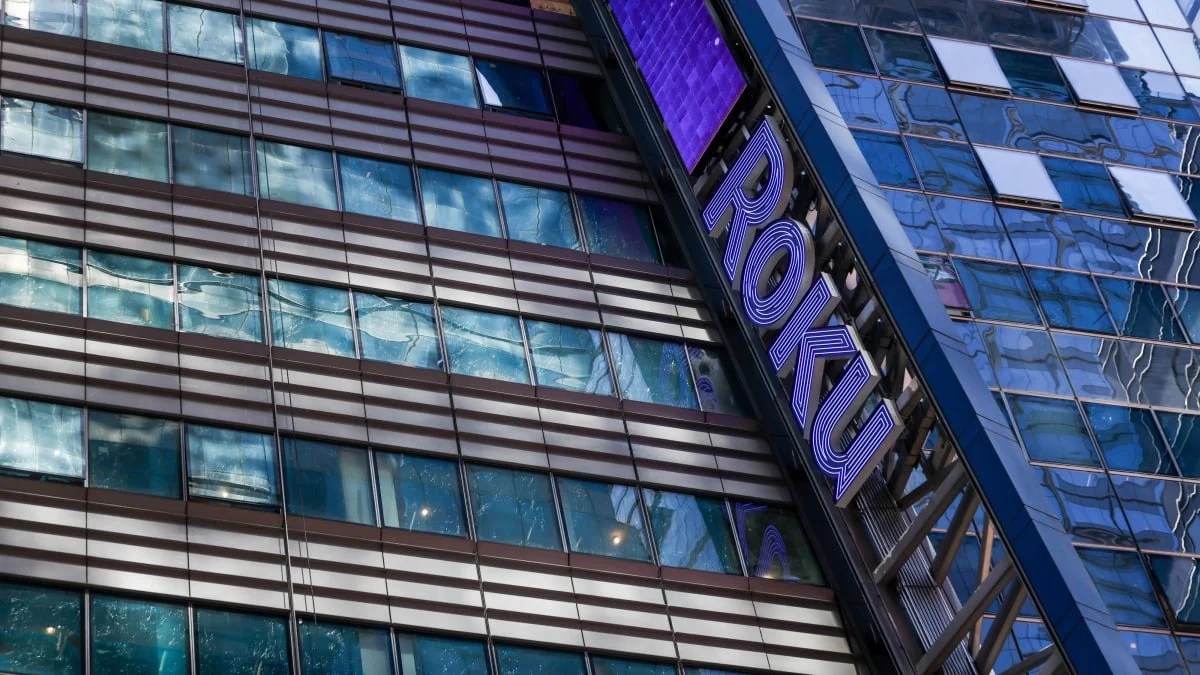
In the wake of Fox’s monumental $22 billion acquisition of streaming hardware titan Roku on November 6, the tech industry has been bracing for significant shifts in strategy, branding, and content delivery. While analysts have focused heavily on the implications for advertising revenue and streaming dominance, the first tangible change felt by millions of users has been surprisingly analog in spirit: the forced retirement of "Aquatic Life," a tranquil, fan-favorite screensaver that has graced Roku devices for over a decade.
As of December 1, users who have long relied on the meditative sight of virtual fish drifting across their screens will find their devices defaulting to "Roku City," the company’s signature, ad-heavy metropolitan landscape. The transition has sparked a wave of mourning across social media, highlighting a growing tension between the curated, peaceful user experiences of the past and the aggressive, revenue-driven imperatives of a post-merger media conglomerate.
The Chronology of a Digital Departure
The demise of Aquatic Life did not happen overnight, but the final severance was swift.
- Early November 2026: Fox officially closes its $22 billion acquisition of Roku, signaling a new era of integration between traditional media influence and hardware-level streaming distribution.
- Mid-November 2026: Reports begin to surface on platforms like Reddit and X (formerly Twitter) as users notice an on-screen alert warning that the Aquatic Life screensaver would soon be discontinued.
- Late November 2026: Public outcry intensifies. Long-time users share deeply personal anecdotes, revealing that for many, the screensaver served as a vital, calming presence in their daily routines, often linked to memories of lost loved ones or quiet moments of domestic stability.
- November 28, 2026: Artist Jim Sachs, the creator of the screensaver, breaks his silence in an interview with ArsTechnica, confirming that he intentionally allowed his $80,000 annual licensing agreement to expire in direct protest of the Fox acquisition.
- December 1, 2026: The official transition deadline passes. Aquatic Life is removed from the Roku ecosystem, and the default "Roku City" interface becomes the mandatory standard for millions of devices.
The Human Element: More Than Just Pixels
While corporate mergers are often discussed in terms of EBITDA, market share, and synergy, the outcry over the loss of Aquatic Life serves as a reminder of the emotional bond users form with their devices. The screensaver was not merely a decorative choice; for many, it was a source of profound comfort.
One Reddit user shared a poignant reflection: "Before my father passed, I gifted him a Roku, and one of the last conversations we had was him telling me he loved these fish so much." Another user wrote, "This screensaver has been a comfort to me for about ten years or more. My wife picked it out and she loved it. Pancreatic cancer took her from me seven years ago."
These testimonials underscore the "sanctuary" role that passive technology plays in the home. The removal of the screensaver has been interpreted by the user base not as a business decision, but as an intrusion into a private space of quiet reflection—a space that, in the eyes of many, is now being forcibly reclaimed for commercial use.
Why Is Aquatic Life Leaving? The Convergence of Ethics and Economics
The official narrative from the industry points toward a clash of business models. Roku’s earnings reports over the past several years have highlighted the company’s pivot toward "high-visibility placements." Screensavers, once thought to be static, have become prime real estate for advertisements.
The Ad-Free Conflict
Aquatic Life was, notably, ad-free. It provided a rare, unmonetized island in an ocean of targeted marketing. For a platform like Roku, which has increasingly integrated brand partnerships directly into the user interface, a popular screensaver that doesn’t generate ad revenue represents a missed opportunity.
The Moral Stance of the Artist
However, the driving force behind the removal was not a board room directive, but a personal ultimatum from its creator. Jim Sachs, the artist behind the project, made it clear that his decision was rooted in a fundamental incompatibility with Fox’s corporate philosophy.
"I can’t be part of the Fox world," Sachs told ArsTechnica. He described his reaction to the acquisition as an immediate, visceral rejection. "It seems that Fox simply wants another venue for spreading their philosophy, which I consider repugnant. I can’t stand the idea of my artwork being used to lure even one person down that rabbit hole."
Sachs further elaborated that he was approached by the company to renew the license, but he steadfastly refused, citing a requirement for Fox to first "take responsibility for all the harm it has caused" and abandon what he termed a "rage-based business model."
The "Roku City" Dichotomy: Profit vs. Personalization
As Aquatic Life fades away, the focus shifts to "Roku City," the company’s default, stylized cityscapes. While the aesthetic has developed a cult following—often populated with easter eggs and pop-culture references—it is fundamentally a vehicle for advertising.
The transition represents a shift in the philosophy of the "living room interface." Where the aquarium offered a neutral, calming backdrop, Roku City is a dense, interactive, and inherently commercial environment. For the segment of the audience that favored the aquarium, the shift is seen as an encroachment of the "corporate dystopian hellscape" into the home.
"We just can’t have nice things," one user lamented on social media. "It’s hard for them to shove advertisements into fish."
Implications: The Future of Passive Content
The fallout from this event raises broader questions about the future of digital ecosystems:
- The Fragility of Digital Ownership: As streaming platforms tighten their control over hardware, the user’s ability to customize their environment—even at the level of a screensaver—is being curtailed.
- Corporate Alignment and Content Curation: The acquisition of Roku by a major media conglomerate demonstrates that content curation is no longer just about movies and shows; it extends to the very "wallpaper" of our digital lives.
- The Power of Independent Creators: Sachs’s decision to pull his work highlights the power that independent artists hold in an era of mass-market platforms. By walking away from his primary source of income, he has successfully forced a conversation about the ethics of the platforms that host our creative work.
Roku has remained silent regarding the specific public demands to bring back the aquarium. Analysts suggest that the company is likely waiting for the current wave of negative sentiment to subside, banking on the "Roku City" aesthetic to eventually become the new standard for a generation of users who may not remember the era of the virtual fish.
For now, the fish have swum elsewhere. While fans of the original screensaver can still download the application for Windows, macOS, iOS, or Android, the loss of its integration into the Roku ecosystem marks a definitive end to a decade of digital serenity. Whether this move signals a broader trend of "ad-first" hardware design remains to be seen, but for many, the screens on their walls are now a little less peaceful, and a little more crowded.