In a tech landscape often criticized for iterative stagnation, Apple has recently pivoted toward a strategy of bold experimentation. While the tech giant has made headlines with speculative leaps into folding iPhones and touch-enabled MacBooks, its latest release—the 8th generation iPad mini—serves as a compelling case study in refined hardware evolution. It is not a revolutionary reinvention of the tablet category, but for the niche of users who demand uncompromised portability without sacrificing professional-grade display quality, this device may well be the most significant iPad mini to date.
The Core Transformation: A New Standard for Miniaturization
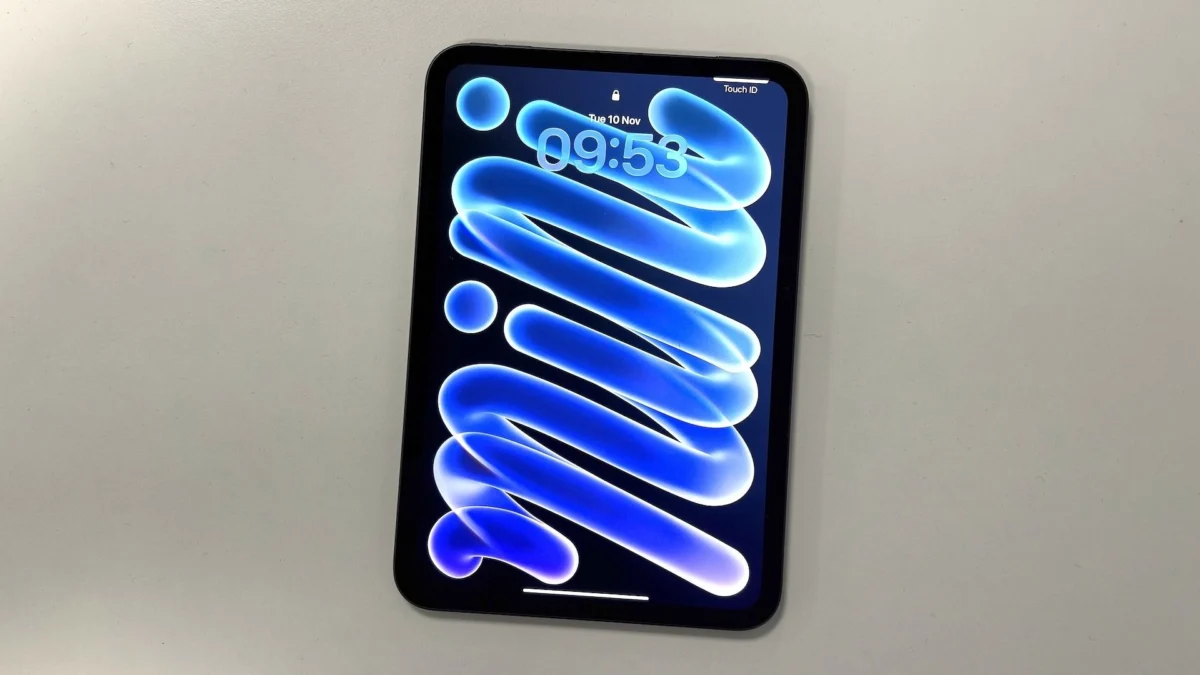
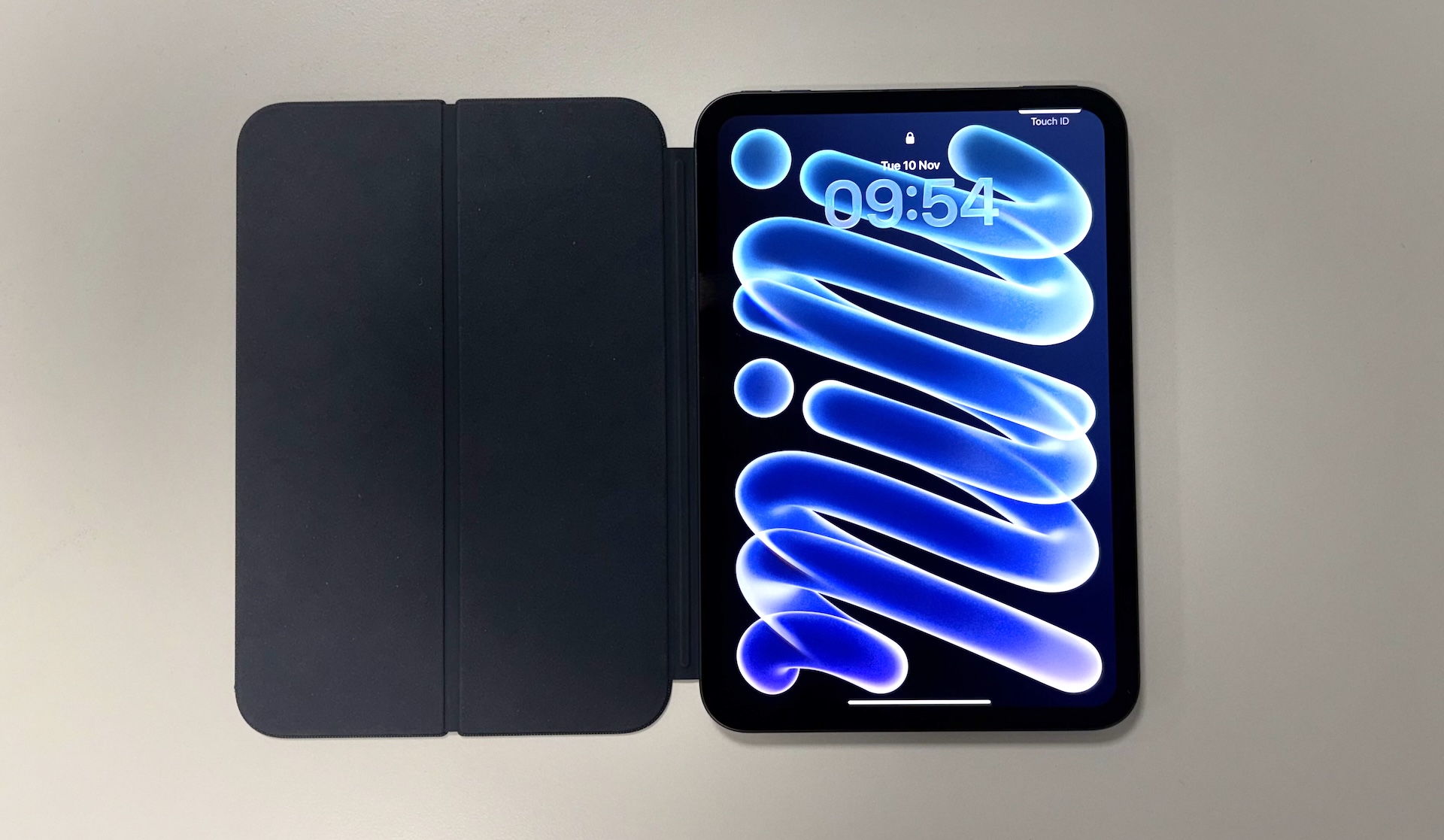
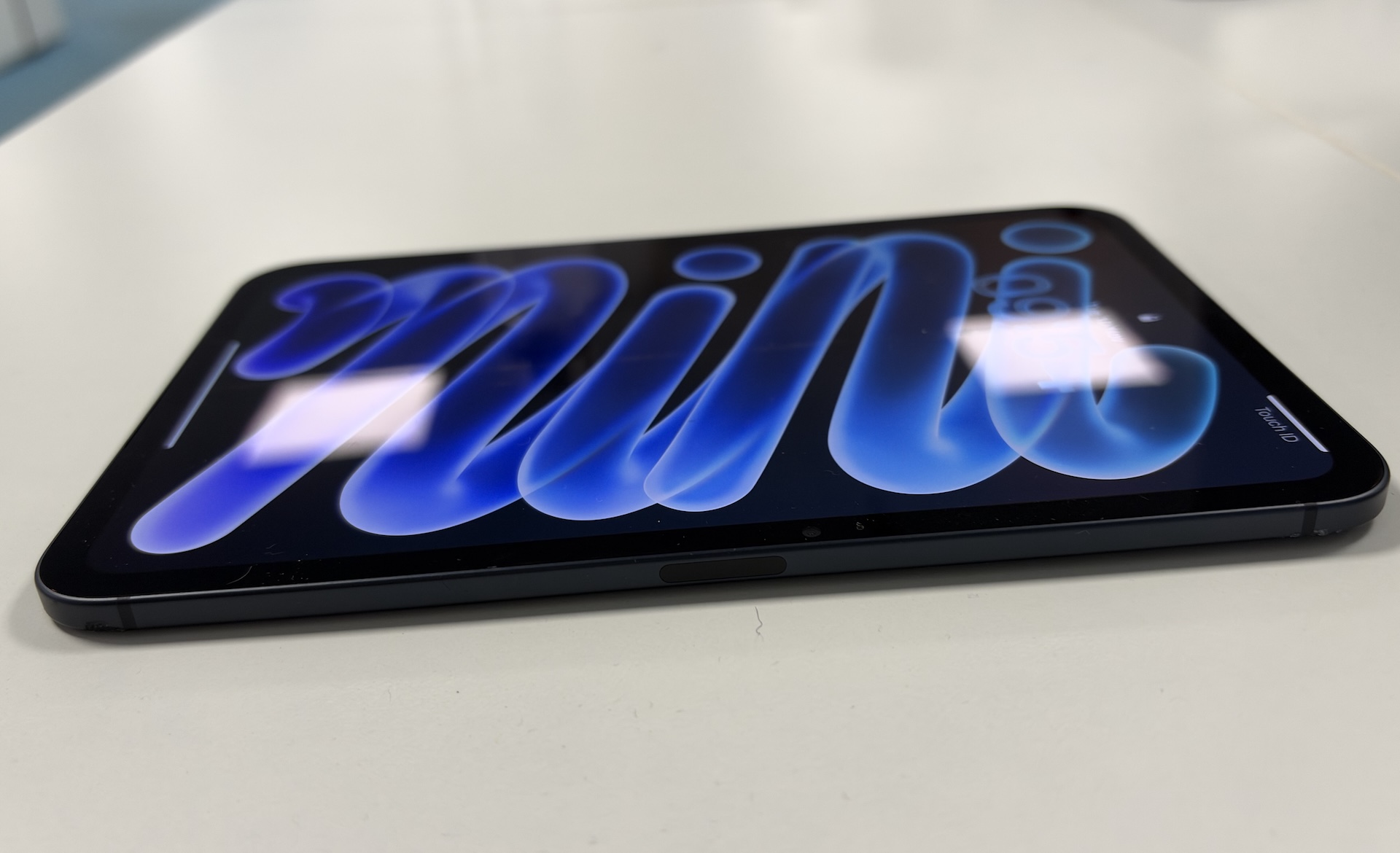
At first glance, the 8th generation iPad mini adheres to the familiar design language that has defined the product line since its last major overhaul. However, the internal and structural refinements tell a different story. The device arrives with a chassis that is both thinner and lighter, measuring a razor-thin 5.4mm and weighing in at a mere 255 grams.
This reduction in physical footprint is more than a marketing bullet point; it represents a tangible improvement in ergonomics. The iPad mini has always lived by the mantra that "the best iPad is the one you have with you," and by shedding these extra grams, Apple has ensured that the device can slip into a blazer pocket or a crowded tote bag with negligible impact on weight or bulk.
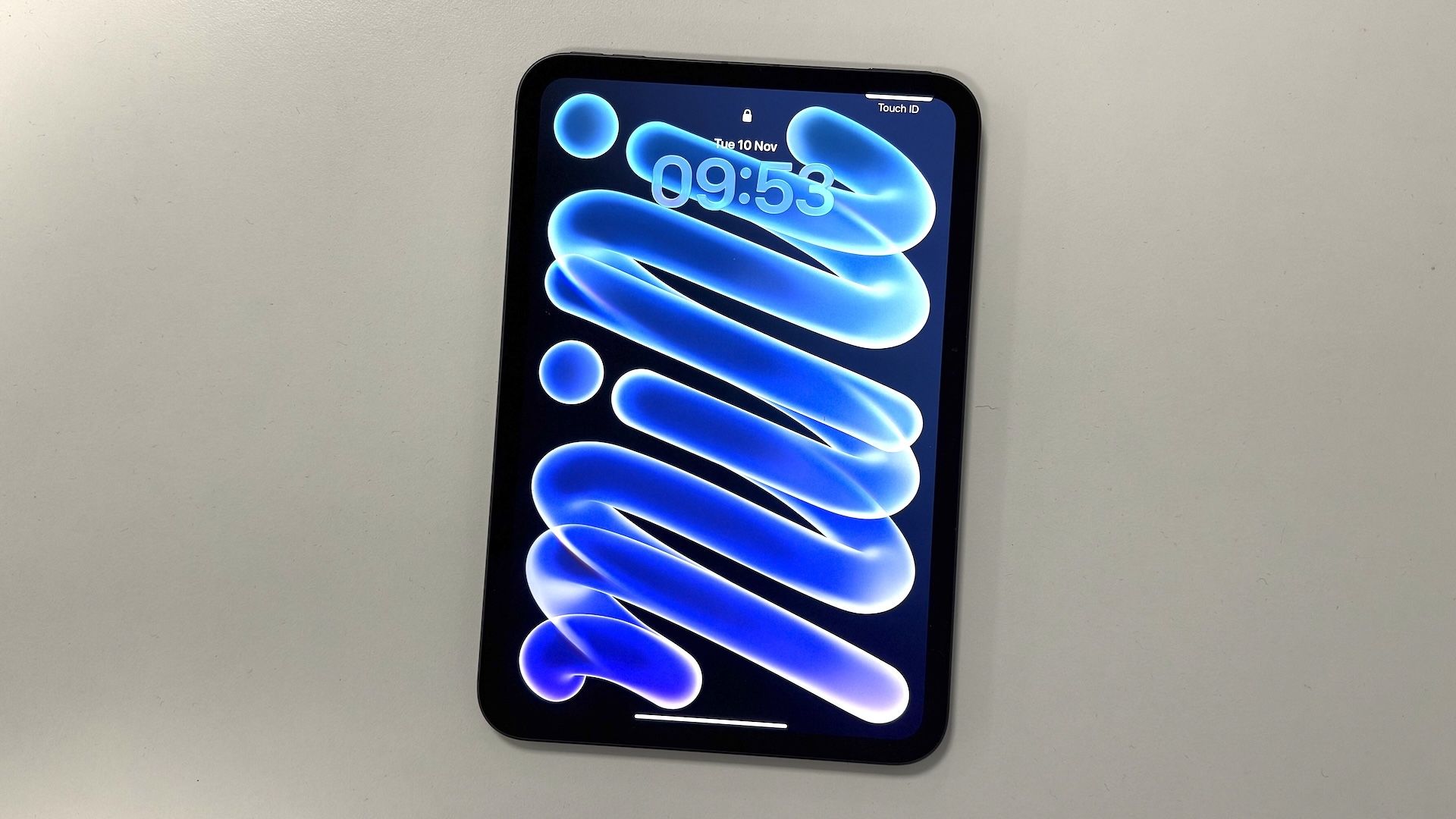
The standout feature, however, is the integration of an OLED display. For years, the "mini" was the compromise choice—a device that traded screen quality for portability. That trade-off has effectively ended. The new panel provides deep, inky blacks and a level of color vibrancy that rivals its larger siblings. While it may lack the sheer peak brightness of the new MacBook Pro’s ProLED XDR display, for digital illustrators and mobile creatives, the color accuracy and contrast ratios offered here are a game-changer for a device of this size.
Chronology of the iPad mini: From Niche to Necessity
To understand the weight of this release, one must look back at the trajectory of the smallest iPad. Introduced as a budget-conscious alternative to the 9.7-inch iPad in 2012, the mini was initially criticized for its lack of a Retina display. It spent several years in the shadows of the iPad Air and Pro series, often receiving processor hand-me-downs rather than cutting-edge silicon.
- 2012–2014: The early years focused on establishing the form factor, with the 2013 Retina display upgrade marking the first major shift toward professional viability.
- 2015–2019: A period of stagnation where the device saw infrequent, incremental chip updates, leading many to question if Apple intended to discontinue the line in favor of larger iPhones.
- 2021: The 6th generation redesign brought the modern, squared-off aesthetics, USB-C, and support for the Apple Pencil 2, effectively signaling a "rebirth" of the device.
- 2026: The arrival of the 8th generation, which cements the mini as a high-performance, premium-tier device rather than an entry-level compromise.
Performance Metrics and the Silicon Advantage
Under the hood, the 8th generation iPad mini is powered by the A20 Pro chip, a powerhouse that currently anchors the iPhone 18 Pro and iPhone Duo lineups. The efficiency of this silicon cannot be overstated. In benchmark testing, the A20 Pro handles demanding multitasking, high-fidelity video editing, and complex graphic rendering with surprising ease.
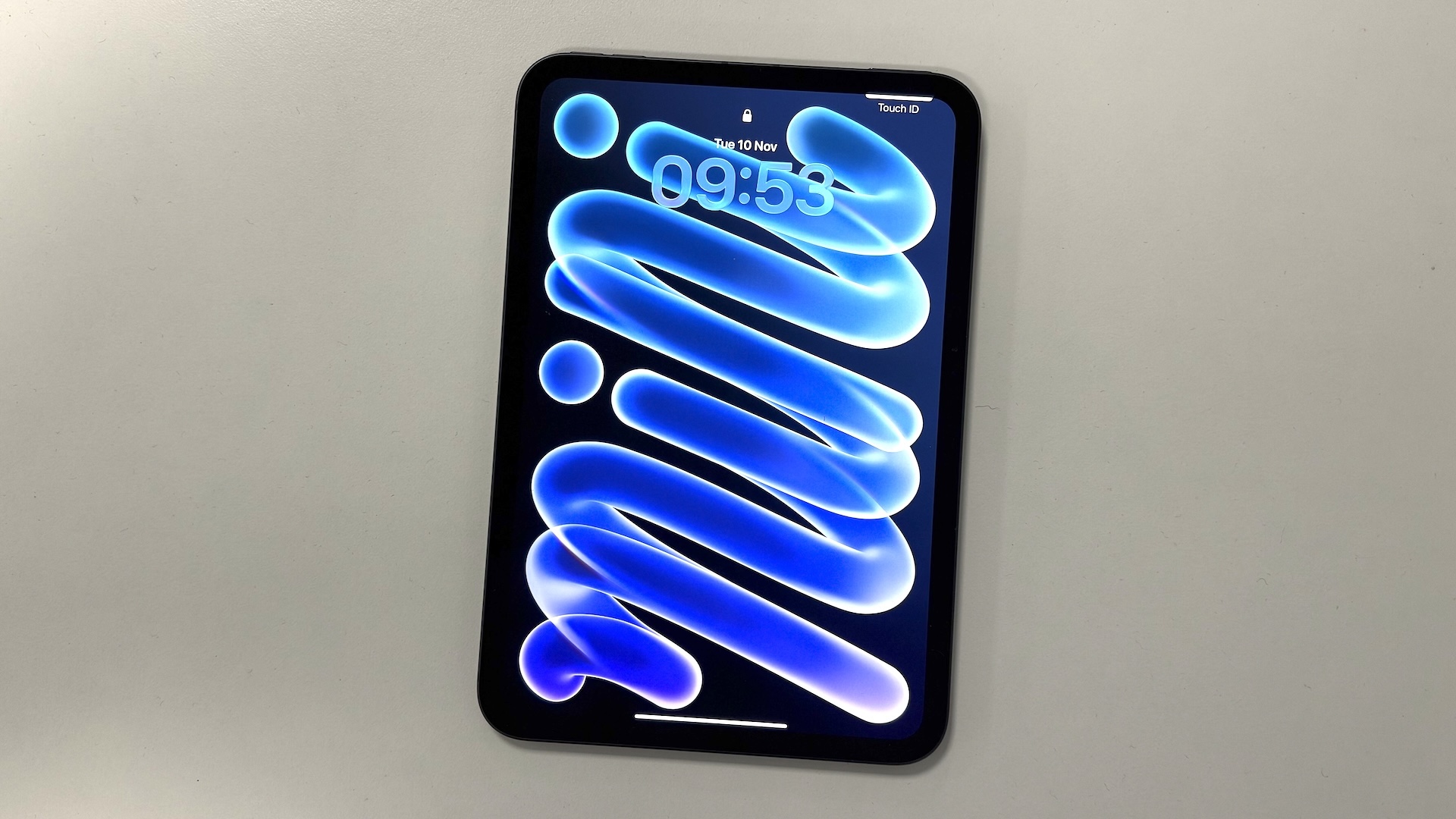
Battery life, often a point of contention in smaller tablets, remains robust. Despite the increased power demands of an OLED panel, the optimization between the A20 Pro chip and the display controller allows for a solid 10-hour work cycle on a single charge. This balance of power and endurance is the linchpin that allows the 8th generation mini to function as a primary machine for many creative professionals who spend their time in transit.
Furthermore, Apple has introduced a novel "acoustic display" speaker system. By housing the speaker hardware beneath the glass, the company has cleared space for internal battery capacity while simultaneously providing a surprisingly rich, directional audio profile that avoids the "tinny" quality often associated with ultra-thin tablets.
The Missing Link: The 60Hz Controversy
Despite the significant hardware leaps, the 8th generation iPad mini is not without its detractors. The most glaring omission remains the lack of a 120Hz ProMotion display. In an era where even mid-range smartphones are adopting high-refresh-rate screens, the decision to stick with a 60Hz panel is a perplexing one.
For a device marketed toward creative professionals—individuals who frequently interact with touch-sensitive interfaces and stylus input—the 60Hz cap feels increasingly archaic. The "stutter" in navigation is noticeable to the trained eye, particularly when scrolling through high-resolution image libraries or using the Apple Pencil for detailed line work.
The community reaction, particularly on platforms like Reddit, has been largely polarized. Users who appreciate the portability and the OLED fidelity are largely satisfied, yet there is a vocal contingent who view the lack of ProMotion as a deliberate move by Apple to create a feature gap between the mini and the Pro-series iPads. At a starting price point of £699, the absence of high-refresh technology is a factor that prospective buyers will need to weigh carefully.
Implications for the Tablet Market
The launch of this device signifies a clear shift in Apple’s design philosophy. By pouring significant R&D into the 8-inch form factor, the company is betting that there is a sustained market for "pocket-sized" computing.
- Professional Mobility: The iPad mini is no longer a consumption-only device. With the A20 Pro chip, it is capable of handling professional workflows, effectively turning it into a "digital notebook" for architects, designers, and writers who require high-performance tools that don’t weigh down a briefcase.
- The "Pro" Divergence: Apple is effectively creating a new tier: the "Ultra-Portable Pro." This device occupies a space between the smartphone and the laptop, and its success may influence how competitors like Samsung or Lenovo approach their own small-format tablets.
- Pricing Pressure: The price increase to £699 puts the mini firmly in the territory of premium laptops. This forces the consumer to ask: do I value the mobility of an iPad, or the productivity of a keyboard-based machine?
Concluding Thoughts
The 8th generation iPad mini is a masterclass in hardware refinement, hampered only by a stubborn adherence to a 60Hz display standard. For those who prioritize the sheer joy of a handheld, high-fidelity creative tool, the pros—the OLED screen, the weight reduction, the acoustic display, and the raw power of the A20 Pro—far outweigh the cons.
However, the shadow of the 9th generation looms large. If Apple can rectify the refresh rate issue in future iterations, the iPad mini will not just be the best of its kind; it will be an industry-defining standard for what a handheld device can achieve. For now, it stands as a triumphant, albeit slightly imperfect, pinnacle of modern mobile engineering. As the device matures, it confirms one thing: the era of the small tablet is far from over—it is simply getting more sophisticated.