Muslim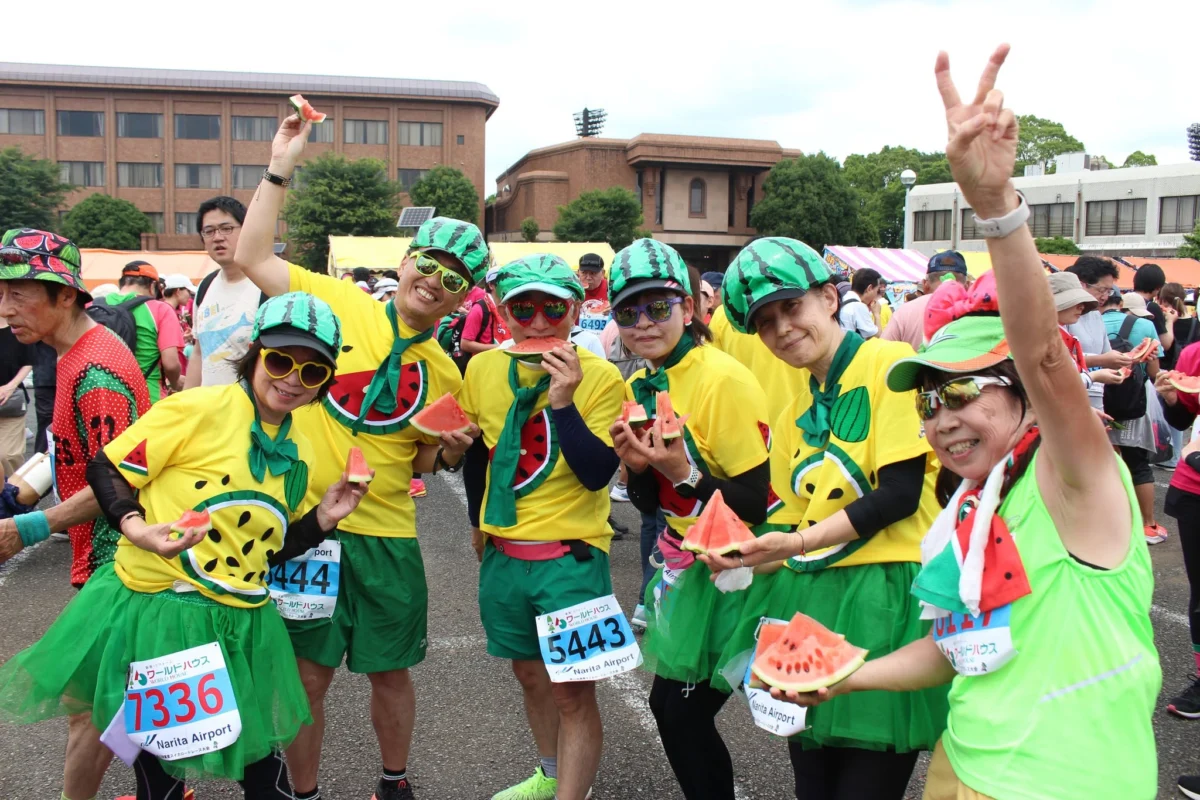
In the world of long-distance running, the aid station is typically a utilitarian affair—paper cups filled with lukewarm water, synthetic electrolyte drinks, and the occasional rubbery energy gel. However, in the Chiba Prefecture town of Tomisato, the standard operating procedure for marathon fuel underwent a radical, succulent transformation this past Sunday. For the 6,700 participants of the 43rd annual Tomisato Watermelon Race, the finish line was a secondary goal; the primary objective was the legendary, seed-flecked aid stations that replaced plastic cups with slabs of Japan’s most iconic summer fruit.
This event is more than a mere athletic competition; it is a manifestation of Japan’s deep-seated agricultural pride and the cultural philosophy of shun—the pursuit of seasonal perfection.
The 43rd Tomisato Watermelon Race: A High-Stakes Horticultural Celebration
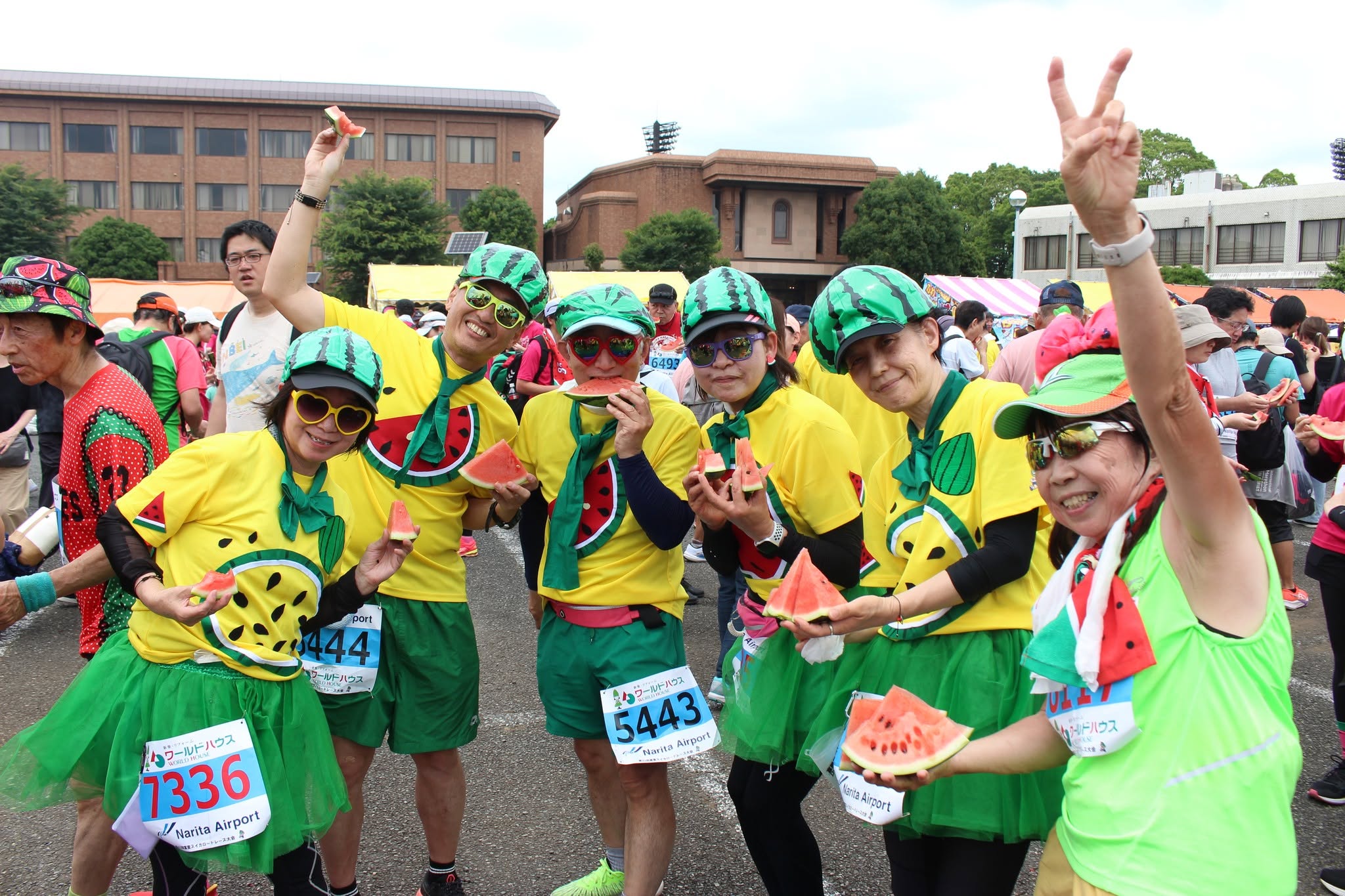
The race took place under a quintessential early-summer sky in Tomisato, a town that has successfully branded itself as the "Watermelon Capital of Japan." As the thermometer climbed, the atmosphere remained festive, buoyed by the sight of thousands of runners dressed in elaborate watermelon-themed costumes. From full-body plush fruit suits to intricate red-and-green face paint, the sartorial creativity of the participants served as a vibrant prelude to the athletic endeavor.
The timing of the race was no accident. It coincided perfectly with the peak of the local harvest, ensuring that the watermelons served at the checkpoints were at the height of their sugar content and crisp, refreshing texture. For the 6,700 runners who converged on the course, the race provided a unique intersection of endurance sports and culinary indulgence.
Chronology of the Event
The day began in the early morning hours, as organizers and local farmers meticulously prepared the refueling stations. These were not merely water tables; they were strategic pit stops loaded with hundreds of kilograms of freshly sliced fruit.
- 07:00 AM: Runners began to congregate at the starting line, many performing warm-ups in their themed costumes. The air was heavy with the scent of damp earth and the anticipation of the harvest.
- 09:00 AM: The race commenced. Unlike professional marathons, the pace was varied, with many runners prioritizing the experience over personal bests.
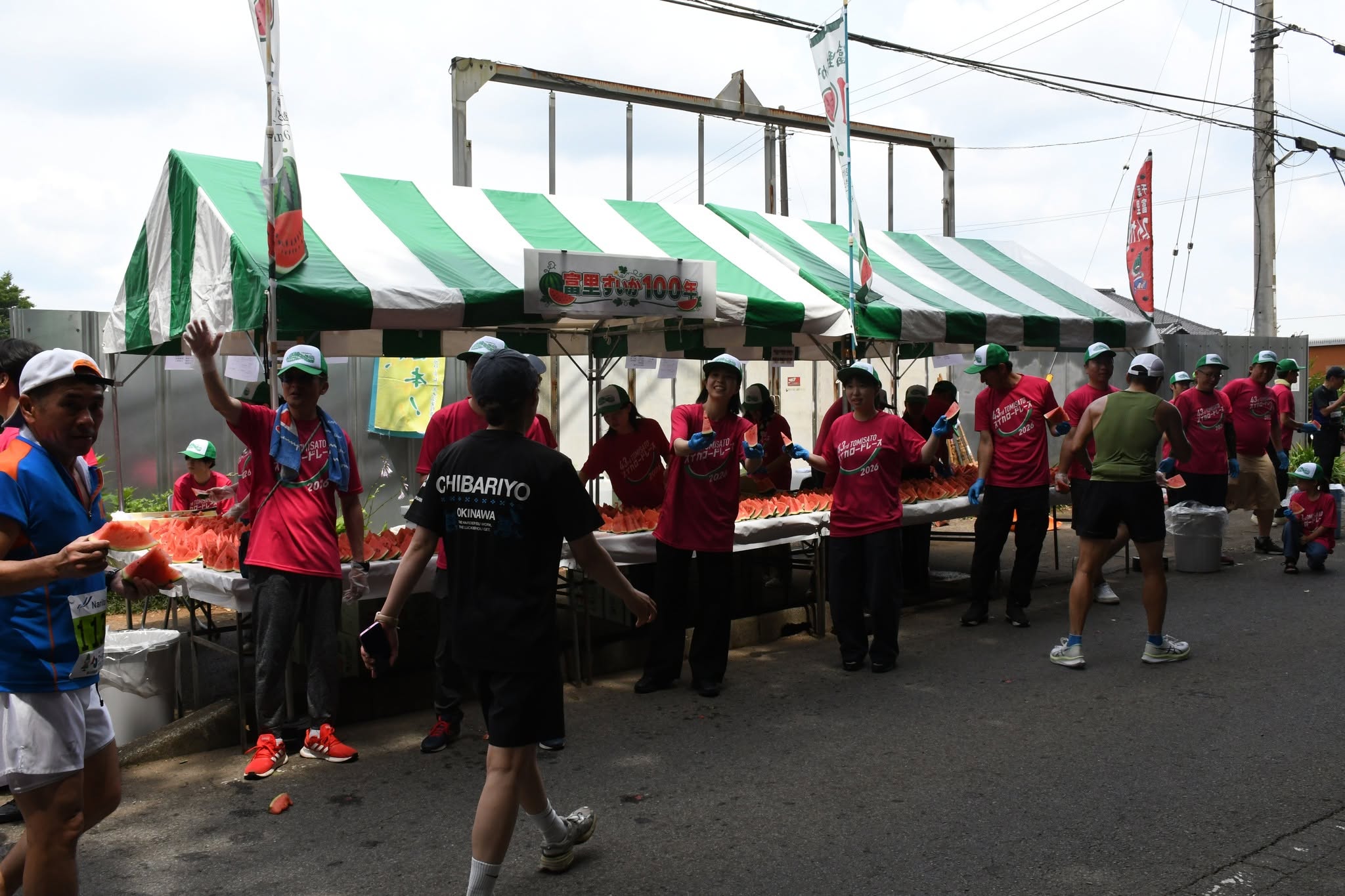
- 10:30 AM: As the heat began to intensify, the first "Watermelon Aid Stations" became the focal points of the race. Volunteers worked in high-speed, assembly-line fashion, handing out pre-sliced segments to runners who stopped not just for hydration, but for the local delicacy.
- 12:00 PM: The post-race festivities reached a crescendo. As participants crossed the finish line, they were treated to more watermelon, effectively turning the stadium into a massive communal picnic.
- 01:00 PM: The award ceremony took place, highlighting not just the top-tier athletes, but specific milestones in the spirit of the event’s 100th anniversary of local cultivation.
Supporting Data and the Centenary Milestone
The 43rd iteration of the race was particularly significant as it marked the 100th anniversary of watermelon cultivation in Tomisato. To honor this century of agricultural dedication, the race organizers introduced a unique prize structure. While traditional winners were recognized for their speed, organizers implemented a "Lucky Placement" system. Participants who crossed the finish line in 10th, 100th, and 1,000th place were awarded massive, prize-winning watermelons, further cementing the fruit’s status as the true protagonist of the event.
The scale of the operation is impressive:
- Total Participants: Approximately 6,700 runners.
- Age Range: From primary school children to seasoned marathoners in their 70s.
- The Fruit Factor: Thousands of individual watermelon slices were distributed, sourced directly from the surrounding farms that have defined the town’s economy for a century.
Official Responses and Participant Perspectives
The reception from the runners was overwhelmingly positive. One participant, a man in his 40s, spoke to NHK, noting that his primary motivation for entering the race was the watermelon itself. "The cool sweetness is the perfect mid-race pick-me-up," he remarked. "You don’t get this kind of refreshment from a sports drink."
Local government officials and agricultural cooperative leaders viewed the event as a triumph of "Agri-Tourism." By inviting the public to engage with the product in a high-energy environment, Tomisato has effectively created a brand identity that transcends the local grocery store aisle. The success of the event demonstrates that local produce, when celebrated through community engagement, can drive tourism and regional economic growth more effectively than traditional advertising.
Shun: The Philosophy Behind the Flavor
To understand the Tomisato Watermelon Race, one must understand the Japanese concept of shun. While Western nutrition often focuses on the availability of produce year-round, Japanese culture places a premium on the "right" time to eat a specific food.
Shun is the ephemeral window during which a vegetable or fruit reaches its absolute peak of flavor, texture, and nutritional density. It is not merely a culinary standard; it is a spiritual and social ritual. By holding the race exactly when the Tomisato watermelon is at its shun, the town is teaching its citizens and visitors to respect the natural cycle of the land.
This practice provides several benefits:
- Peak Nutrition: Fruit harvested at its shun contains the highest levels of natural sugars and electrolytes, making it a functional, superior choice for runners compared to processed snacks.
- Environmental Stewardship: By focusing on the local, seasonal harvest, the race encourages a reduced carbon footprint, as the product does not require long-distance transportation.
- Cultural Continuity: The act of eating the watermelon together reinforces the communal bonds that have sustained the farming families of Tomisato for a hundred years.
Implications: A New Model for Regional Revitalization
The Tomisato Watermelon Race offers a compelling blueprint for other municipalities struggling with rural depopulation or waning agricultural interest. By merging the growing global trend of "destination marathons" with the hyper-local focus of regional produce, Tomisato has created a model that is both sustainable and replicable.
Economic Impact
The influx of 6,700 runners—along with their families and supporters—provides an immediate, quantifiable boost to the local economy. Hotels, convenience stores, and local cafes see a surge in revenue that is directly tied to the town’s primary export.
Health and Wellness
From a sports science perspective, the integration of real, whole foods into endurance events is gaining traction. Watermelon is rich in L-citrulline, an amino acid that can help reduce muscle soreness, and its high water content makes it an excellent choice for rehydration. By replacing processed energy gels with this natural alternative, the Tomisato race is arguably promoting a healthier, more holistic approach to athletic performance.
Social Cohesion
Perhaps the most significant implication of the event is its ability to bridge the gap between urbanites and the rural landscape. In an increasingly digital world, the visceral act of running through the fields where the food is grown, and then consuming that food, provides a grounding experience. It transforms the runner from a passive consumer into an active participant in the agricultural lifecycle.
Conclusion: The Legacy of the Vine
As the sun set on Tomisato this Sunday, the lingering effects of the race were visible not just in the exhausted, happy faces of the runners, but in the piles of empty rinds left behind—the physical evidence of a day well spent. The 43rd Tomisato Watermelon Race serves as a reminder that the most effective solutions to modern challenges—be it the need for community, the quest for physical health, or the pursuit of economic vitality—are often found in our own backyards.
By honoring a century of labor and the seasonal rhythm of the earth, the people of Tomisato have done more than host a race; they have preserved a heritage. As long as the vines continue to grow and the shun remains respected, the town of Tomisato will continue to be a beacon for those who believe that the best way to cross a finish line is to have something sweet, fresh, and local waiting on the other side.


 Neng Nana
 Asro
Asro