By Olivia Tauber
November 12, 2026
For years, the "TikTok Shop" experience has been an exercise in impulse control. Users scrolling through their "For You" feeds would be interrupted by an enticing makeup tutorial or a hyper-efficient kitchen gadget, only to be seamlessly funneled into an in-app checkout process. It was the digital embodiment of "shoppertainment"—a frictionless bridge between viral content and consumer commerce.
However, as of November 2026, TikTok has initiated a significant strategic pivot. The platform has quietly launched a standalone "TikTok Shop" app across four key Southeast Asian markets: Singapore, Malaysia, Thailand, and the Philippines. This move marks a departure from the "everything app" model that has defined the platform’s growth, suggesting that TikTok is no longer content to be just a social media destination—it wants to be your primary e-commerce storefront.
The Core Facts: A Dedicated Space for Commerce
The rollout, which appeared on both Apple’s iOS App Store and the Google Play Store, represents a calculated attempt to isolate the e-commerce engine from the social media feed. The standalone application is designed to host the same features that users have grown accustomed to within the main TikTok app, but with a refined focus on transaction rather than discovery.
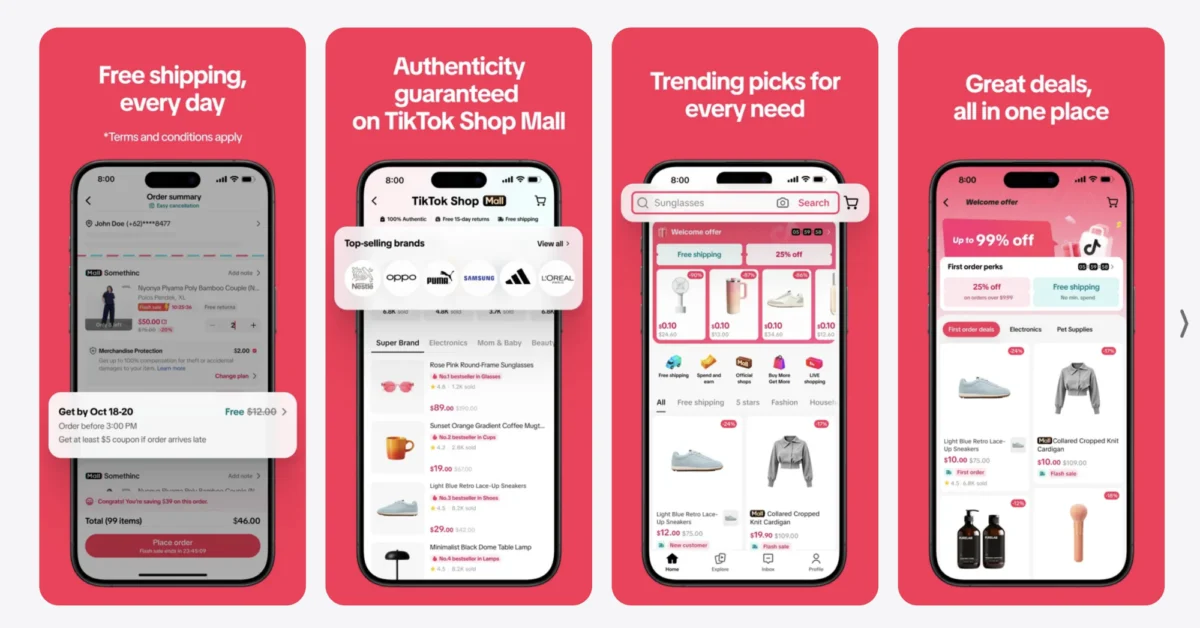
According to the official app store listings, the standalone TikTok Shop offers a comprehensive suite of features:
- Curated Discovery: Personalized product recommendations based on shopping history rather than social engagement.
- Multimedia Shopping: Direct access to livestreams and short-form video content that highlights specific products.
- Operational Tools: Built-in order tracking, direct checkout, and 24/7 customer support.
- Incentives: App-exclusive deals, free shipping vouchers, and specific "first-order" perks designed to drive user migration from the main app.
The launch, first spotted by social media consultant Matt Navarra, indicates that TikTok is testing whether it can sustain a dedicated shopping audience that doesn’t necessarily rely on the social feed to justify its existence. With over 50,000 downloads on the Google Play Store alone within its first week of availability, the initial adoption curve is being closely monitored by industry analysts.

A Chronology of TikTok’s E-Commerce Evolution
To understand why TikTok is unbundling its services, one must look at the platform’s methodical progression from a short-form video app to a multi-vertical digital conglomerate.
2023: The Foundation
TikTok Shop began its aggressive expansion, integrating creator-led storefronts directly into the user experience. By leveraging the power of "TikTok made me buy it" trends, the platform turned creators into high-efficiency sales representatives.
Early 2026: The "Everything App" Experiment
Throughout the first half of 2026, TikTok began diversifying its utility. This included the introduction of "TikTok GO," a travel-booking integration that allowed users to book hotels and tours through partnerships with giants like Booking.com and Expedia. This was followed by the launch of "Must Eat," a curated restaurant guide for major metropolitan areas in the U.S., which utilized machine learning to synthesize 40 million user reviews and provide real-time OpenTable reservations.
Mid-2026: Niche Specialization
The company experimented with "PineDrama," a standalone app dedicated to short-form episodic dramas. By stripping away the chaotic nature of the main feed and focusing on a single, binge-able content format, TikTok proved that users were willing to download a secondary app if the value proposition was clear.
November 2026: The Standalone Shop Launch
The release of the standalone TikTok Shop app serves as the culmination of these experiments. By segmenting the business into specialized "vertical" apps, TikTok is moving away from the risk of feature fatigue, where a bloated main app becomes difficult to navigate.
Supporting Data: Why Southeast Asia?
The choice of Singapore, Malaysia, Thailand, and the Philippines as the testing ground for the standalone app is not accidental. Southeast Asia has emerged as one of the most competitive and innovative e-commerce battlegrounds in the world. Platforms like Shopee and Lazada have long dominated the region, and TikTok Shop’s entry into these markets was always intended to be a high-stakes challenge to their market share.

Data from the Singapore Apple App Store shows the app quickly climbing the ranks in the "Shopping" category, reaching as high as No. 71 within days of launch. While a single five-star rating might seem negligible, the volume of downloads suggests a strong early-adopter base.
Furthermore, the operational structure of the app provides a clue into the company’s global strategy. The Singapore listings identify "TikTok Pte. Ltd." as the provider—a separate entity from the TikTok USDS Joint Venture. This distinction is critical: it isolates the e-commerce business from the regulatory and data-security scrutiny that the U.S. version of the app faces. By keeping the standalone shop operationally distinct, TikTok can iterate on e-commerce features without being bogged down by the complex, region-specific requirements of its social media operations.
Official Responses and Corporate Strategy
As of the time of publication, TikTok has remained tight-lipped regarding the potential for a global rollout, including a launch in the United States or Europe. The company declined to provide a formal comment to Mashable, a silence that is often characteristic of their "test-and-learn" methodology.
However, the strategy is clear to those watching the tech landscape. By creating a dedicated space for commerce, TikTok is effectively positioning itself as a direct competitor to Amazon and emerging players like Temu and Shein.
In a broader sense, this reflects the "super-app" strategy that has been perfected by players like WeChat in China. The theory is simple: if you can capture the user’s attention, you must also own their transaction. If a user is watching a video of a chef using a specific knife, the friction of clicking through a social feed to find the product can lead to abandoned carts. By providing a dedicated "Shopping" interface, the platform removes the distractions of the social feed, focusing the user’s intent on the purchase.
Implications: The Future of the Creator Economy
The move to a standalone app has profound implications for the creator economy. For years, creators have had to balance the delicate act of entertaining their audience while simultaneously selling products.

If the standalone app succeeds, it will likely change the way creators produce content. We may see a shift toward "professionalized" shopping content—videos that are less about dance trends and more about product demonstrations, reviews, and live-selling sessions.
Potential Shifts in the Landscape:
- Algorithmic Refinement: The algorithm for the standalone shop will be optimized for conversion, not just "dwell time" or "engagement." This will favor creators who are skilled at sales, potentially creating a new tier of "commerce influencers."
- Increased Competition for Merchants: As TikTok Shop grows, it will force traditional e-commerce platforms to become more "social." Expect to see Amazon and others integrate more video-based discovery tools into their own apps.
- Regulatory Scrutiny: As TikTok consolidates its power in e-commerce, it will likely face increased scrutiny regarding its handling of seller data, product quality, and return policies. The "Wild West" era of social shopping may be coming to an end as the platform matures into a formal retailer.
The Verdict: A Calculated Risk
Is the world ready for a standalone TikTok shopping app? The answer likely lies in the behavior of younger generations who are already accustomed to purchasing items directly through social platforms. For these users, the line between social media and the marketplace has already blurred; the standalone app is simply the formalization of that reality.
If the four-market test proves successful, we should expect a rapid expansion. TikTok has demonstrated that it is not afraid to break its own successful model to pursue a more efficient one. By shifting from a social network with shopping features to a social-commerce ecosystem, the company is betting that the most valuable thing it can provide is not just a laugh or a trend, but a path to the checkout.
For now, the app stands as a testament to the ongoing evolution of the internet economy—a space where discovery and purchase are no longer separate actions, but a single, continuous stream of intent. Whether it will replace the Amazon-style browser-based experience remains to be seen, but one thing is certain: TikTok is no longer playing around when it comes to your wallet.