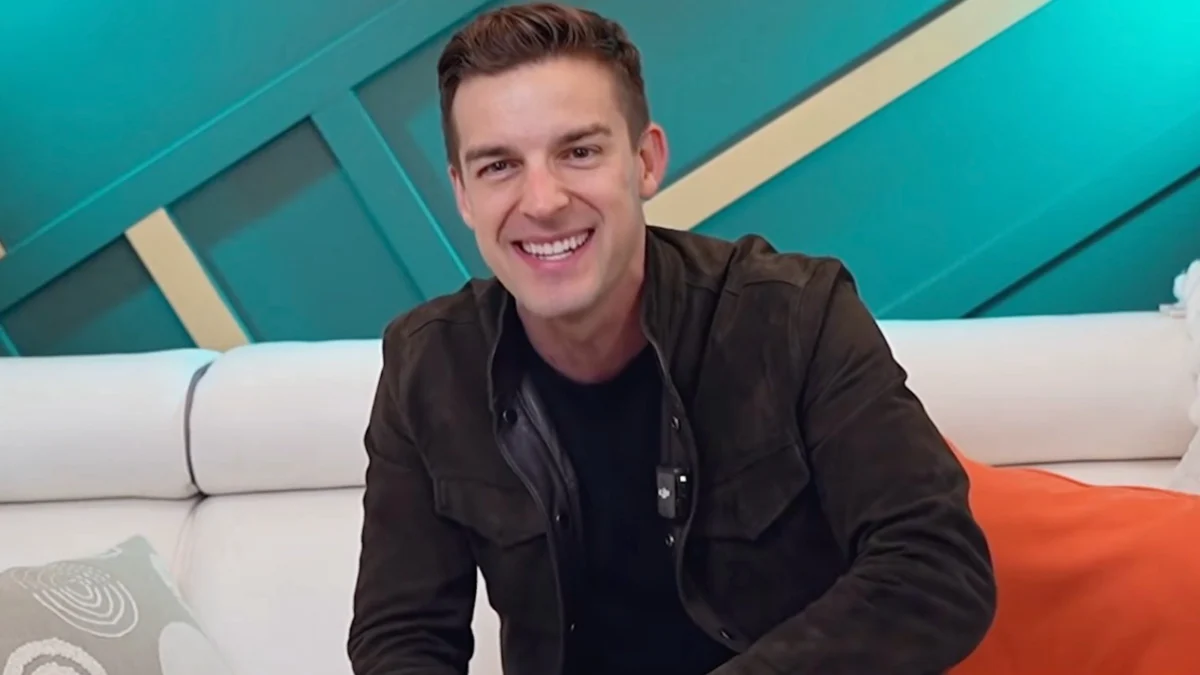
After 943 days of relative silence on the content creation front, Matthew Patrick—universally known as "MatPat"—has officially ended his hiatus. The man who built a sprawling empire on the back of intellectual curiosity, rigorous data analysis, and the cultural phenomenon of the "Theory" channels is returning to YouTube. However, this is not a revival of his previous work; it is a fundamental reimagining of what his relationship with his audience looks like in a post-retirement landscape.
Alongside his wife and creative partner, Stephanie Patrick, the duo has announced a new channel designed to strip away the industrial-scale pressure of his former career. For fans who spent over a decade dissecting the lore of Five Nights at Freddy’s or the physics of Mario, this announcement marks the beginning of a significantly more intimate chapter.
The Chronology of a Digital Departure and Return
To understand the significance of this comeback, one must first look at the timeline of Patrick’s career. For 13 years, MatPat was a cornerstone of YouTube’s educational-entertainment (edutainment) sector. His channels—Game Theory, Film Theory, Food Theory, and Style Theory—became synonymous with high-energy, fast-paced deep dives into the mechanics of pop culture.
However, in early 2024, the creator shocked his millions of subscribers by announcing his retirement from the daily grind of hosting. The decision was not born of burnout in the traditional sense, but of a desire to reclaim agency over his time. Having spent over a decade locked into a rigid, algorithmic-driven upload schedule, Patrick stepped away to prioritize family, travel, and the exploration of professional avenues that existed outside the constraints of a weekly release cycle.
For nearly three years, he remained active in the background, consulting on industry issues and developing intellectual property, but he vanished from the "on-camera" role that defined his public life. Now, the 943-day drought has ended. In a comeback video that felt both nostalgic and forward-looking, Patrick confirmed that the sabbatical was not just a rest period, but a necessary reset to rediscover the joy of creation.
The Philosophy of the "Anti-Algorithm"
The core differentiator between MatPat’s previous career and his new venture is the abandonment of the "content mill" mentality. For over a decade, the Theory channels were defined by a relentless, high-pressure output. The algorithm, which rewards consistency and frequency, dictated the creative flow.
In his return announcement, Patrick was explicit: the new channel will not follow a weekly upload schedule. "It’s meant to be a reset. It’s back to basics," Stephanie Patrick explained. "It’s back to simple videos where we just get to hang out, we get to have fun, and we get to talk about weird, fun, memish, and yeah, sometimes important stuff, too."
This pivot represents a growing trend among veteran creators who are choosing to prioritize quality and personal well-being over the metrics of reach and retention. By removing the pressure to "feed the algorithm," the couple intends to treat their new platform as a space for genuine conversation rather than a tactical exercise in audience growth. They aim to produce content only when they have something substantive to contribute, allowing for flexible release windows—a stark departure from the 13-year streak of weekly uploads that previously defined their work.
Behind the Scenes: A Multidisciplinary Pivot
While the YouTube channel is the primary focus of the announcement, it is only one piece of a much larger professional tapestry the couple has woven during their time away. Since leaving his full-time hosting role, MatPat has been deeply embedded in the traditional entertainment industry, specifically the horror sector.
The Blumhouse Partnership
One of the most significant revelations is a year-long collaboration with Blumhouse Productions, the powerhouse studio behind modern horror hits like Get Out, Paranormal Activity, and the Five Nights at Freddy’s film adaptation. This partnership signifies a transition from digital commentator to industry participant.

While details remain under wraps due to contractual obligations, Patrick confirmed that a film adaptation of the indie horror game Amanda the Adventurer is currently in development. Furthermore, he alluded to two additional, yet-to-be-disclosed film projects. This pivot suggests that Patrick is leveraging his deep understanding of gaming lore and audience engagement to influence the future of horror cinema.
Advocacy and Literacy
Beyond the screen, the Patricks have shifted their focus toward the policy side of the creator economy. They have been active in Washington, D.C., lobbying for better protections regarding creator voices and likenesses. In an era dominated by generative artificial intelligence, their advocacy for the rights of independent artists provides a layer of professional maturity to their post-YouTube activities.
Additionally, the couple is working on a podcast project aimed at adapting classic literature for a younger audience. By attempting to make foundational texts accessible, they are maintaining their "edutainment" roots while stripping away the gaming-centric focus that once limited their scope.
Implications for the Creator Economy
The return of a creator of MatPat’s magnitude has profound implications for the broader YouTube ecosystem. His retirement was often cited as a turning point for the "OG" generation of YouTubers—creators who helped build the platform but eventually found themselves trapped by the very systems they helped popularize.
His decision to return, but on his own terms, sets a precedent for sustainable career longevity. By proving that one can step away, cultivate a life outside of the digital gaze, and return with a revised business model, Patrick is modeling a "mature" creator career path. This is a rejection of the "burnout or bust" mentality that has plagued the industry for years.
Furthermore, his pivot to film and policy suggests that the next generation of YouTube stars will likely transition into traditional media or legislative roles, rather than remaining exclusively within the bounds of the platform.
A Personal Note: The "Hello, Internet" Revival
Perhaps the most poignant moment of the return was the closing of his announcement video. For years, the phrase "Hello, Internet! Welcome to [Theory Channel]!" was a mantra for millions of viewers. By resurrecting the greeting—"For the first time in 2 and 1/2 years. HELLO, INTERNET. IT’S GREAT TO see you again"—Patrick signaled that while the format of his work has changed, the relationship with his audience remains the anchor of his creative life.
Stephanie’s involvement is equally critical. Her transition from behind-the-scenes manager and occasional guest to a core, on-screen partner represents the couple’s desire to synthesize their professional and personal lives. In a world of highly produced, solitary creator personas, the Patricks are betting that their audience values transparency, collaboration, and a more human-centered approach to digital media.
As the channel moves forward, it will serve as a bellwether for the next stage of the creator economy. Will an audience raised on high-octane theories follow a creator into more relaxed, long-form, and unpredictable content? If the response to their return is any indication, the answer is a resounding yes. The "Theory" days may be behind them, but the conversation is just getting started.