Following the surprising and sweeping results of the 2026 midterm elections, a distinct cultural phenomenon has taken hold of the American internet. As Democratic candidates secured victories in historically Republican strongholds—most notably in Texas and Kansas—social media platforms erupted in a wave of jubilation that felt hauntingly familiar. Users didn’t just post political analysis; they posted vibes.
The digital atmosphere has shifted back to the aesthetic and emotional landscape of the late 2000s and early 2010s, a period defined by the Obama administration. With the resurgence of "We Are Young" by Fun, the ubiquity of Hamilton references, and a flood of nostalgic memes, the question on everyone’s mind is: Is "Millennial Optimism" finally back?
The Anatomy of the 2026 "Blue Tsunami"
The 2026 midterms defied conventional polling wisdom, resulting in what many outlets are calling a "blue tsunami." By flipping key seats in states that were long considered safe territory for the GOP, the Democratic Party effectively solidified its control over both the House and the Senate.
However, the response on platforms like X (formerly Twitter) and TikTok was less about policy minutiae and more about a visceral, collective emotional release. For a generation of voters who came of age during the 2008 financial crisis and the subsequent era of "Hope and Change," these election results acted as a time machine. The internet has spent the last week collectively exhaling, trading in the cynical, high-anxiety political discourse of the past decade for a curated aesthetic of early-internet earnestness.
A Chronology of the Aesthetic Shift
The seeds of this cultural pivot were sown long before the ballots were cast.
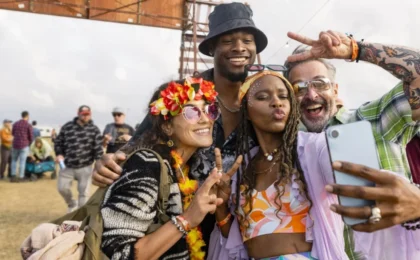
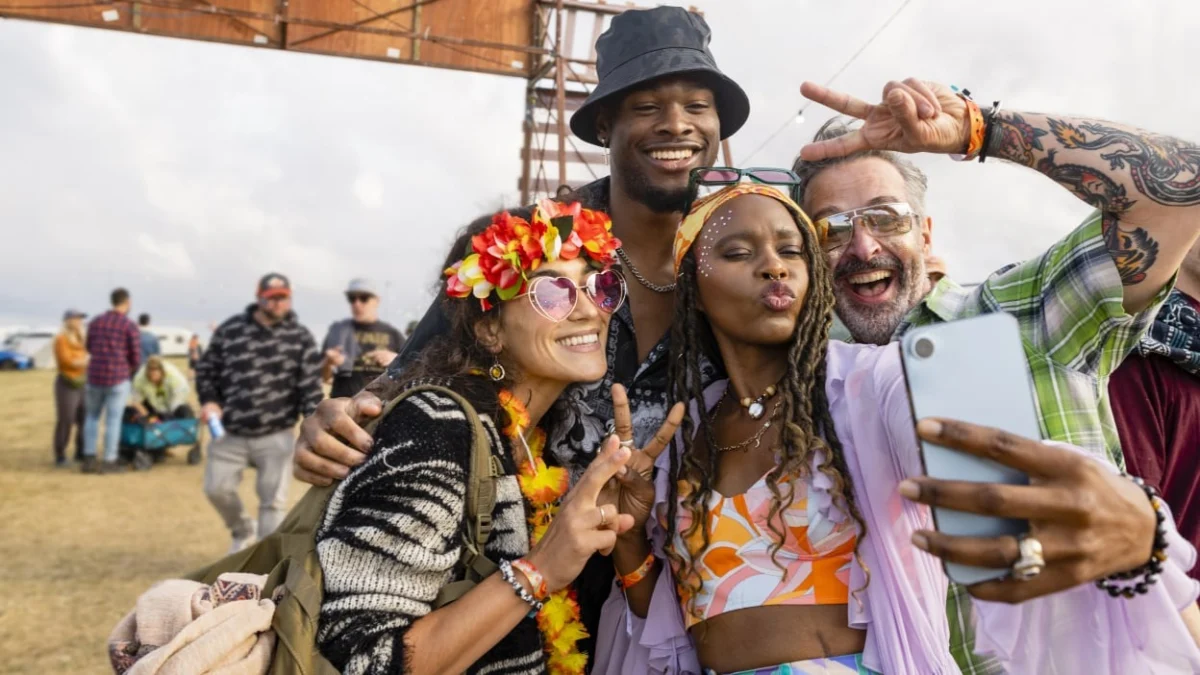
- Early 2026: A trend began circulating on TikTok centered on "Millennial Core." Users began sharing grainy, high-contrast photos reminiscent of Apple Photo Booth sessions. The aesthetic featured staples of the 2010s: mustache finger tattoos, oversized statement necklaces, floral crowns, and the specific, melancholic indie-folk sounds of bands like The Lumineers.
- Summer 2026: The term "Millennial Optimism" began appearing in digital subcultures. It served as a shorthand for a bygone era where the internet felt more personal, less algorithmically governed, and ostensibly more hopeful about the trajectory of the nation.
- Election Eve (Nov 3, 2026): As results trickled in, the digital shift accelerated. The "Millennial Optimism" tag saw a 5,000% increase in Google search volume within 24 hours.
- The Morning After: The transition from online nostalgia to political celebration was complete. The "blue wave" was met with a deluge of content featuring 2010-era pop anthems, with users explicitly linking their political relief to the "promised future" they felt they were cheated out of during their transition into adulthood.
The Psychology of "Promised Futures"
Why are younger generations, including older Gen Z, so enamored with a period they barely remember? The answer lies in the "empty sense of loss" articulated by social media commentators.
For many Gen Z users, the Obama era represents an aspirational baseline. They witnessed the rhetoric of progress and unity as children, but as they entered the workforce, they were met with a landscape defined by political polarization, climate anxiety, and economic precarity. When they look back at the 2010s, they don’t just see the aesthetic—they see a version of young adulthood that felt attainable.

"It felt like a promised future that never came," one X user noted. By re-adopting the music, the memes, and the language of that time, the youth are essentially trying to reclaim a sense of agency that they feel has been dormant for years. The election results provided the tangible evidence needed to bridge that gap between the past’s optimism and the present’s reality.
Data and Digital Trends
The metrics behind this phenomenon are staggering. The breakout search term "millennial optimism" has not only seen a 5,000 percent increase but has also been tied to a massive surge in streaming numbers for artists like Fun, Of Monsters and Men, and The Middle East.
Furthermore, corporate entities are leaning into the trend. When BuzzFeed famously quipped, "Wait, give us a sec, changing our color scheme to blue," it wasn’t just a PR stunt—it was a recognition of the cultural gravity of the moment. The interplay between brand marketing and grassroots nostalgia suggests that we are currently in a cycle where the collective mood of the electorate is driving the cultural output of the internet, rather than the other way around.
Official Responses and Political Commentary
While the internet leans into the "vibes," political analysts are working to understand if this shift in sentiment will have staying power.
Some political scientists suggest that the return to "Obama-era" optimism is a coping mechanism for a traumatized electorate. "People are reaching for the last time they felt a sense of stability," says one cultural analyst. "By framing the 2026 results through a nostalgic lens, voters are attempting to inoculate themselves against the cynicism that has dominated the last few years."
Meanwhile, the Democratic Party has yet to formally adopt the aesthetic, though some strategists have noted that the "hope" messaging—which was the backbone of the 2008 campaign—appears to be effective once again in 2026. Whether this represents a lasting shift in political culture or merely a brief, celebratory fever dream remains to be seen.
Implications for the Future
The biggest question facing the country now is: Can this "Millennial Optimism" survive the transition from election night to the hard work of governing?

The 2010s were not, in fact, a utopia. Millennials of that era were simultaneously dealing with the weight of student debt, the stagnation of the middle class, and the slow-motion collapse of traditional media. If the current wave of optimism is based on an idealized, airbrushed version of the past, it may be fragile.
However, there is a clear difference in the 2026 iteration. This time, the optimism is being driven by tangible electoral victories in states that were previously considered unreachable. This suggests that the current "optimism" is not just a passive feeling, but a reaction to the realization that political participation can yield results.
The Road Ahead
As the dust settles on the 2026 midterms, the internet will inevitably move on to the next trend. But for now, the "Millennial Optimism" revival serves as a mirror for a nation looking to reclaim its belief in the democratic process.
If this movement is to have long-term significance, it must move beyond the Hamilton soundtracks and the BuzzFeed nostalgia. It must grapple with the very real, complex issues that defined the decade the internet is currently trying to resurrect.
For the millions of users currently posting, sharing, and celebrating, the message is clear: they are tired of the cynicism. They want to believe that change is possible, that the future is something to be excited about, and that—perhaps—it is time to start listening to "We Are Young" with the windows down once more.
Only time will tell if this revival of spirit will translate into sustained political progress, or if it will simply remain a beautiful, fleeting echo of a time that, in our collective memory, feels more hopeful than it ever actually was.