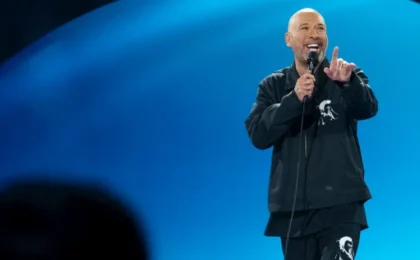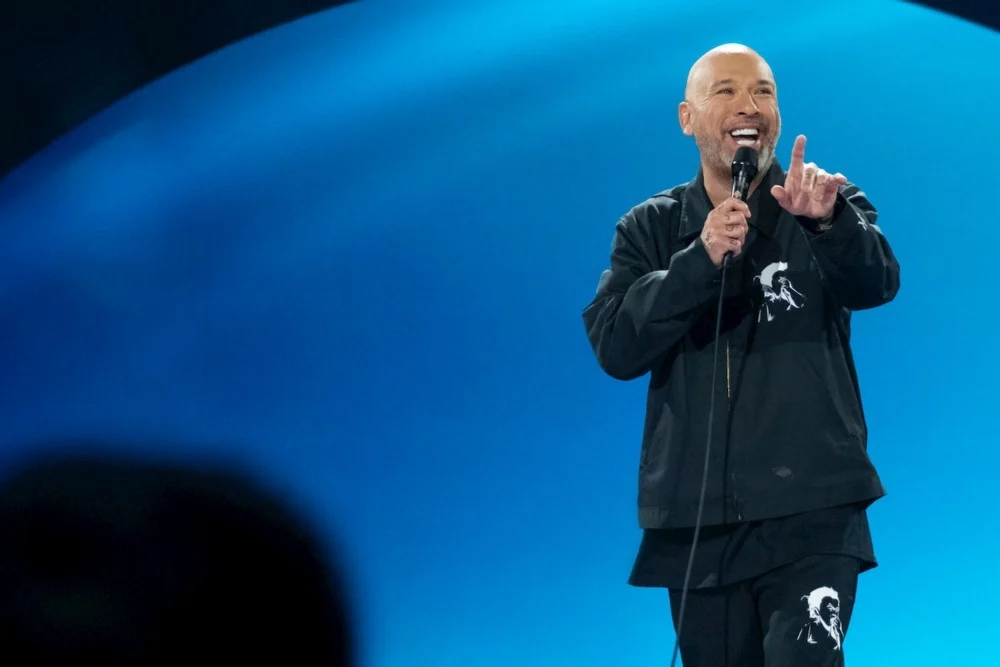
In the landscape of modern stand-up, few performers have bridged the gap between niche cultural storytelling and global streaming dominance as effectively as Jo Koy. With the premiere of his latest Netflix special, Blue in the Face, the comedian has not only cemented his partnership with the streaming giant but has also offered a poignant, self-reflective look at the Filipino-American experience. Filmed in front of two sold-out crowds in Stockton, California, the special serves as a cultural milestone, turning a lens on a city historically marked by segregation and resilience.
The Genesis of a Special: Finding Stockton
For many performers, filming a special is a calculated move—typically centered in comedy hubs like New York, Los Angeles, or the Bay Area. However, Jo Koy chose a different path for Blue in the Face. His decision to film in Stockton was born out of a desire to reconcile with the city’s complex, often painful, Filipino history.
Before the cameras rolled, Koy immersed himself in the local archives, discovering a history of systemic exclusion. He learned of restaurants that once bore "No Filipinos Allowed" signs and public water fountains designated as off-limits to the community. He studied the displacement of the "Little Manila" neighborhood, which was effectively carved in two by the construction of a freeway.
"There were a lot of fucked-up things that happened," Koy admits with a candid frustration that underscores his deep connection to his heritage. "It just really sucked."
The original plan for the special was to open with a heavy, serious monologue addressing these historical wounds. However, the energy of the live audience dictated a shift in trajectory. As he walked onto the stage, he was greeted by a diverse sea of fans—Asian, Black, Latino, and White—united by his comedy. Witnessing a white man high-five an Asian fan in the front row, Koy made a spontaneous creative decision: he would focus on the present.
"What happened in the past is the past," Koy told the crowd, "but look where we are now."
A Chronology of Success: From "Jo Ko" to Global Icon
The evolution of Joseph Herbert into the global phenomenon known as Jo Koy is a testament to the power of community and persistence. Born to a single mother, Koy’s life was defined by the hustle of immigrant survival. His mother, a fierce advocate for her children, famously confronted a shoe store employee in 1984 who mocked her accent, famously challenging him on his linguistic limitations compared to her bilingual prowess.
His stage name, "Jo Koy," is an accidental legacy. For years, he believed the name was a simple moniker. It wasn’t until he shared a meal at a Long John Silver’s with his Auntie Evelyn that he learned the truth. She had been calling him "Jo ko"—Tagalog for "my Jo." The realization brought the comedian to tears, a moment that mirrors the emotional vulnerability he brings to his recent work.
Career Milestones
- Early Days: Performing under his birth name, Joseph Herbert, at open mic nights.
- The Breakthrough: Developing his signature brand of storytelling, focusing on family, cultural identity, and his mother’s unique perspective.
- The Netflix Era: Signing a two-special deal in 2023, starting with Live From Brooklyn and culminating in Blue in the Face.
- The DreamWorks Deal: Following a recommendation from Steven Spielberg—who had seen his special Comin’ in Hot—Koy secured a deal that led to the development of the film Easter Sunday.
Supporting Data and Creative Process
Blue in the Face is not merely a collection of jokes; it is a meticulously crafted narrative. Koy, who serves as his own editor, cut two full-length, two-hour shows down to a tight, 55-minute special. His editing process is obsessive, often spending days in the "bay," as he calls it, to ensure the narrative flow feels like a cohesive bookend.
"I don’t like obvious audience cuts," Koy explains. "I’ll find a way to merge two bits together through a camera. It takes a long, long time."
The special’s title, Blue in the Face, was a fortuitous accident. While the director, Shannon Hartman, suggested the name to complement the teal stage set—a color Koy initially hesitated to use—the title eventually took on a life of its own. It has resonated with fans, who have flooded his social media with images of their pets watching the special, further cementing its place in popular culture.

Official Responses and Industry Recognition
The industry response to Blue in the Face has been overwhelmingly positive. The special is currently a contender in the Golden Globes’ "Best Performance in Stand-Up Comedy on Television" category and is slated to enter the Emmy race for "Outstanding Variety Special (Pre-Recorded)" in the coming year.
Koy’s influence extends beyond the stage. His collaboration with the estate of the late Notorious B.I.G. following an uncleared bit in Live From Brooklyn led to a productive relationship with Voletta Wallace. Mrs. Wallace, who passed away in February 2025, granted Koy the rights to use the iconic image of Biggie in a crown, with proceeds from associated merchandise benefiting the Wallace Foundation. This collaboration highlights a broader trend: comedians today are not just entertainers but cultural curators who navigate complex intellectual property and legacy issues to bridge different artistic worlds.
Implications for the Future of Filipino Representation
Koy’s work, particularly Easter Sunday and his recent voice work in Forgotten Island, has set a new standard for how Hollywood handles Filipino narratives. He emphasizes that authentic representation comes from the mundane—the family drama, the shared meals, and the folklore passed down through generations.
"When I was a kid, that’s all I heard—don’t step on the duwende," Koy says regarding the folklore that inspired his animated projects. "And now here I am taking my kid to watch something my grandma used to talk about."
The implications of his success are significant. By proving that stories about immigrant families and niche cultural traditions have mass appeal, Koy has opened doors for more diverse voices in the comedy special format. He remains a staunch advocate for creative independence, noting that his relationship with Netflix is built on mutual respect. "It’s fun to submit something, and they press play," he says.
The Philosophy of the "Tight Circle"
At the heart of Blue in the Face is a central thesis: keep your circle tight and celebrate those who celebrated you. This philosophy serves as both a mantra for his career and a warning against the "crab mentality"—a phenomenon where those in your circle may attempt to pull you down when you start to succeed.
"Get the crabs out of your life," Koy advises. "Celebrate your wins and the people who celebrated you."
As he looks toward his next chapter, Koy remains grounded by the lessons of his past. Whether he is performing in a sold-out arena in Stockton or reflecting on the struggles of his mother in 1984, he maintains a clear-eyed perspective on his role as a storyteller. He continues to advocate for the "try everything" approach, urging aspiring artists to follow their gut and ignore the critics.
"When you fall down and fail, get back up and do it again, because you’re doing something no one else did," he says. "I don’t want to live life going, ‘Oh, I wish I had done that.’ I want to be like, ‘I did that.’"
As Blue in the Face continues to stream, it stands as a testament to the fact that Jo Koy isn’t just telling jokes—he is documenting the evolving landscape of the American dream, one punchline at a time. And, according to the comedian himself, he still owes Variety some of his mother’s signature lumpia—a reminder that despite the global reach and the accolades, the heart of his comedy remains firmly rooted in the kitchen, the family table, and the stories that define us.