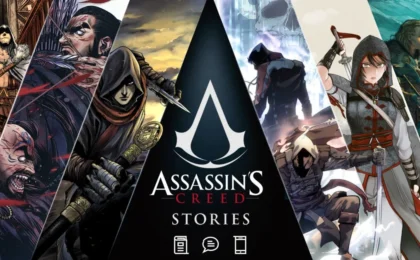

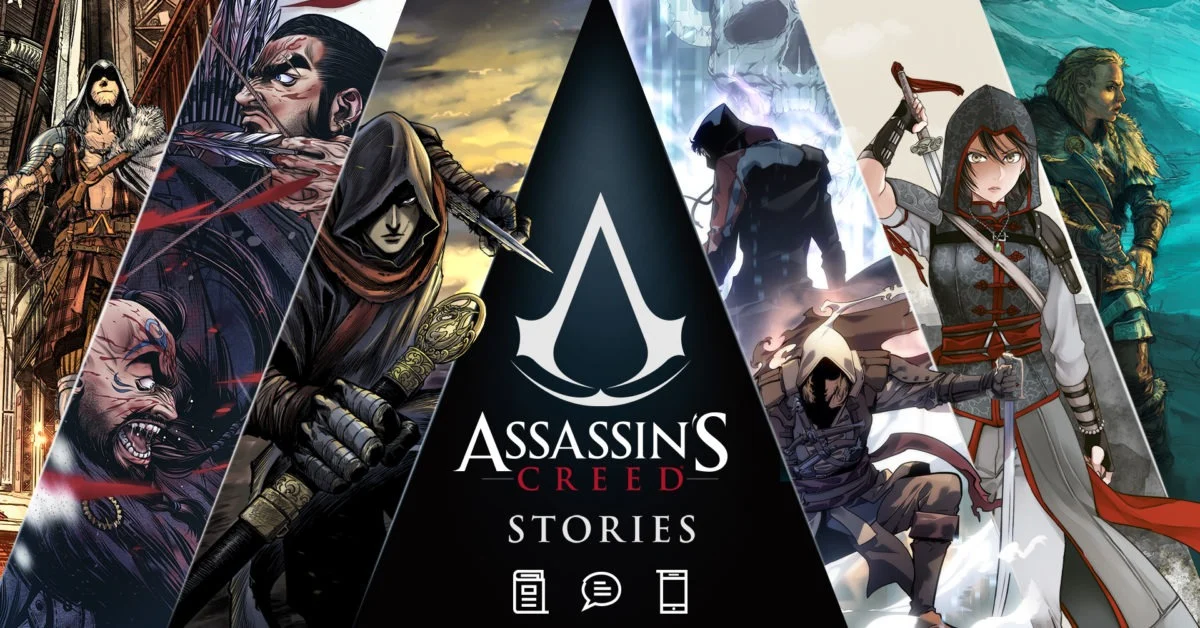
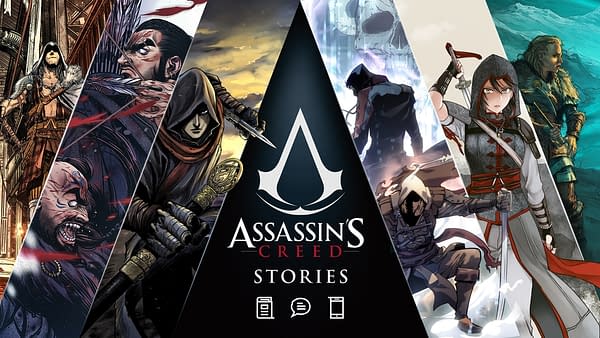
The Assassin’s Creed franchise, a cornerstone of modern gaming since its debut in 2007, is undergoing a seismic shift in strategy. Ubisoft has officially announced an ambitious, global expansion that will propel the centuries-old conflict between the Brotherhood of Assassins and the Templar Order far beyond the confines of console and PC gaming. By leveraging novels, graphic novels, manhuas, webtoons, and immersive audio podcasts, the publisher aims to transform Assassin’s Creed into a truly omni-platform transmedia juggernaut.
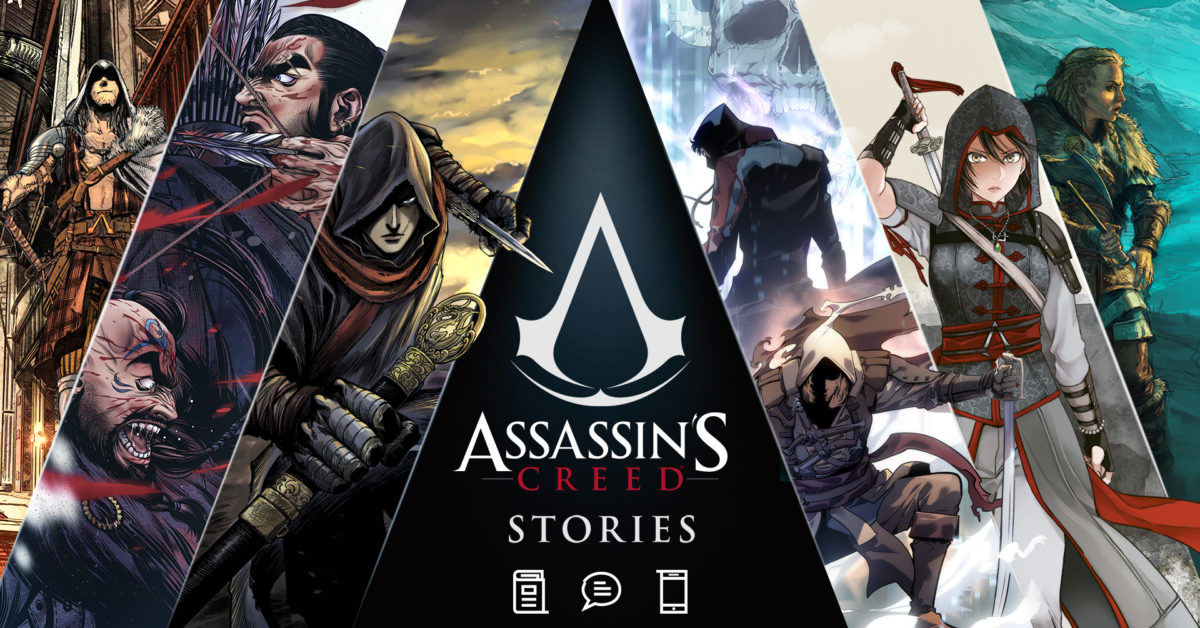
This strategic pivot is not merely an exercise in merchandising; it is a fundamental reimagining of how lore is distributed to an audience that has grown increasingly hungry for narrative depth. By partnering with international creators—particularly in China, Japan, and Korea—Ubisoft is moving away from a singular, centralized vision toward a decentralized, culturally resonant storytelling model.
The Three Pillars of the Expanded Universe
To organize this sprawling new library of content, Ubisoft has categorized its upcoming releases into three distinct pillars, ensuring that both franchise veterans and newcomers can navigate the vast timeline of the series with ease:
- Classics: These works serve as direct narrative adaptations of the video games, providing a prose-based deep dive into the iconic moments fans have already experienced on screen.
- Chronicles: These stories focus on beloved, established Assassins, filling in the gaps of their lives and detailing the legendary exploits that occurred between or during the events of the games.
- Originals: Perhaps the most exciting pillar, this category introduces entirely new protagonists, unexplored historical time periods, and fresh conflicts, expanding the lore into corners of history that the franchise has yet to touch.
A Chronology of New Media
The rollout of these projects spans various international markets, with several titles already slated for release throughout the coming year.
The Young Adult Frontier: Fragments
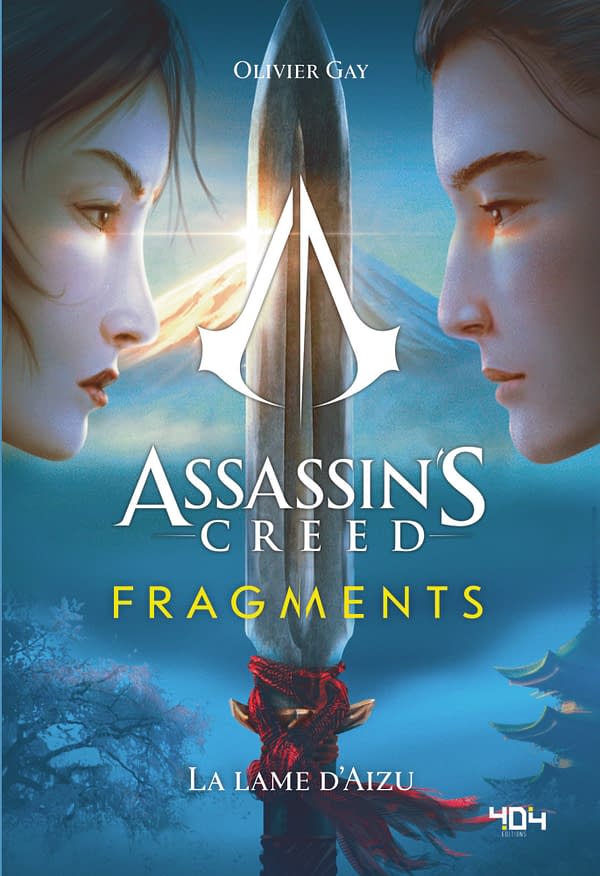
One of the most notable additions is the Assassin’s Creed: Fragments trilogy. Developed in partnership with the French publisher Editis, this YA series follows the lives of teenagers inadvertently dragged into the ancient shadow war. Each installment of this trilogy will feature different siblings in different eras, emphasizing the cyclical nature of the conflict. The first volume transports readers to 19th-century Japan, the second to 13th-century Scotland, and the concluding chapter to 17th-century France.
The Jade Seal and The Ming Storm
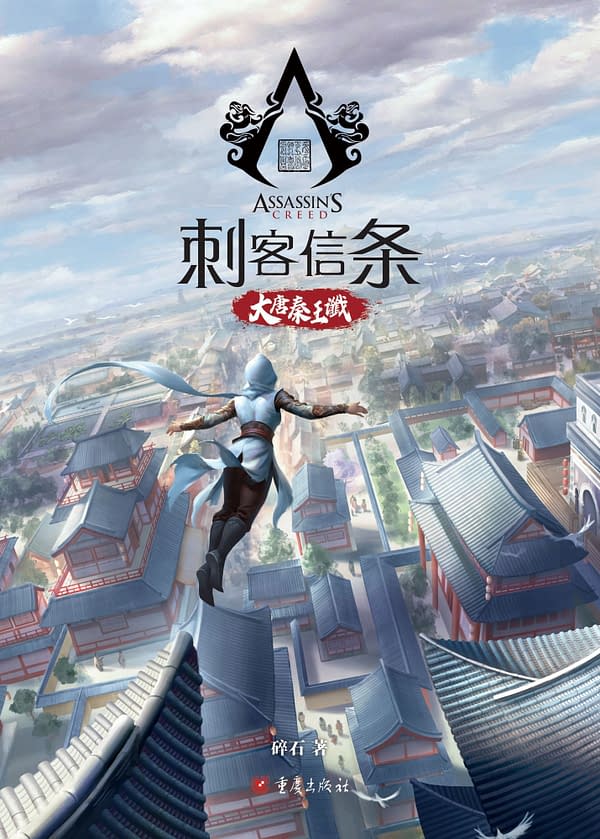
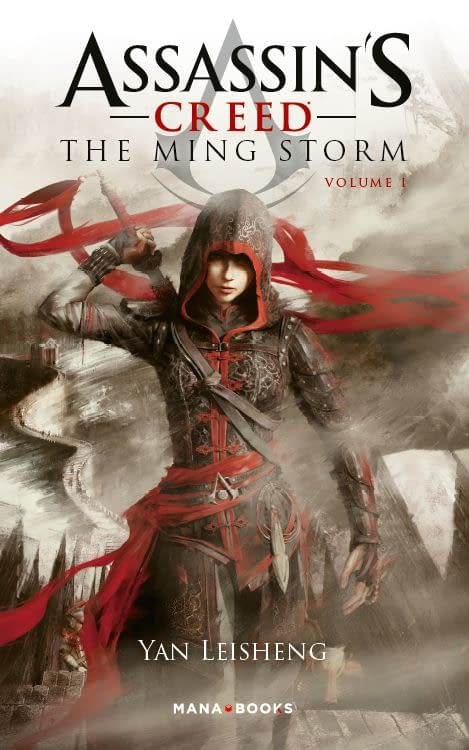
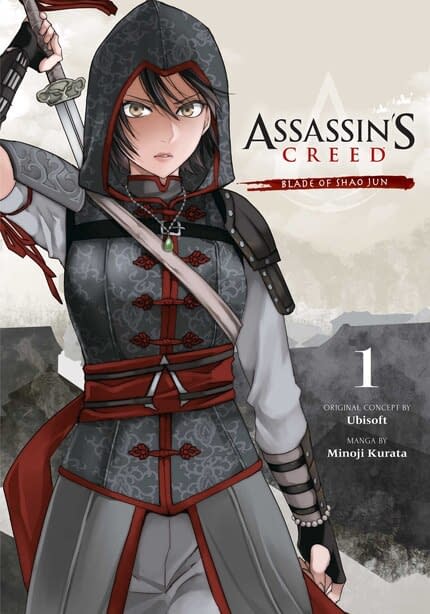
Ubisoft is placing a heavy emphasis on the rich tapestry of Chinese history. The Jade Seal Collection is a monumental project spanning ten novels, tracking the conflict from the Zhou Dynasty to the Ming Dynasty. Concurrently, the Ming Storm trilogy—written by acclaimed author Yan Leisheng—brings back fan-favorite Shao Jun, the protagonist of Assassin’s Creed Chronicles: China. This series, published in English by Aconyte Books, marks a significant commitment to prose fiction as a vehicle for complex character arcs.
Visual Narratives: Manhuas and Webtoons
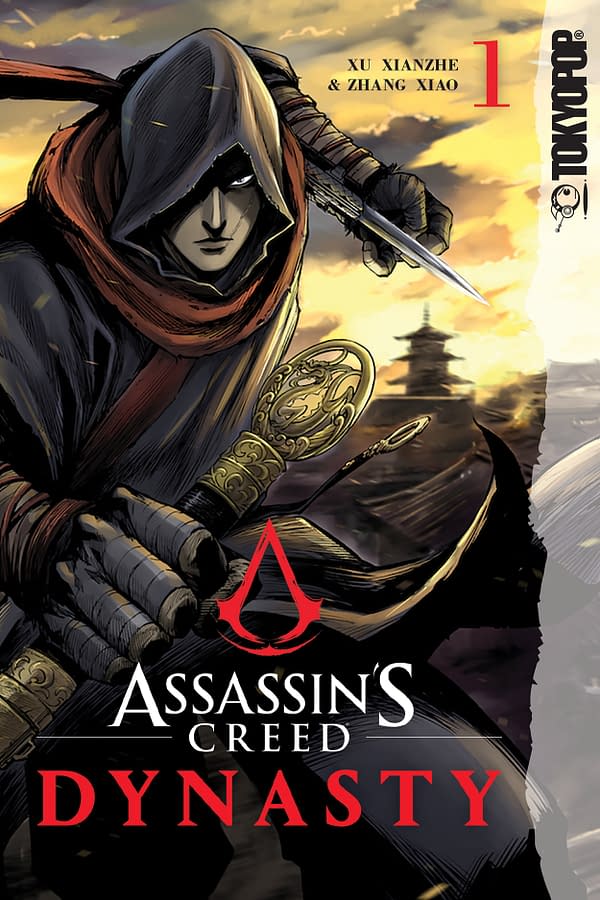
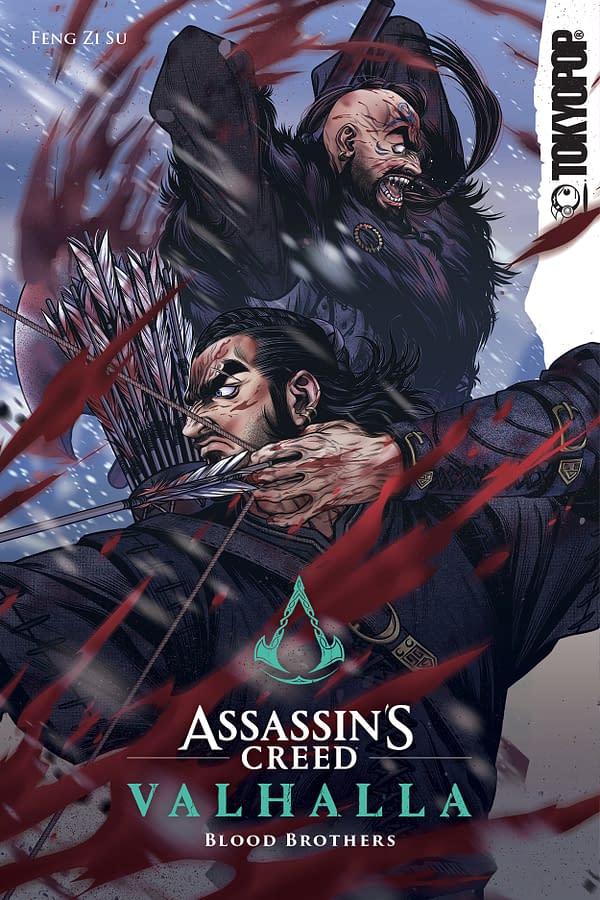
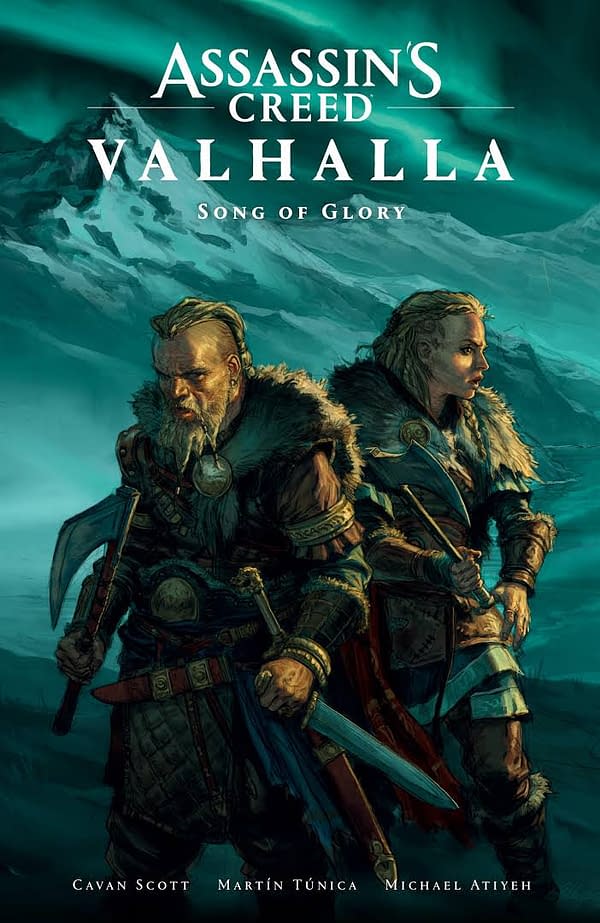
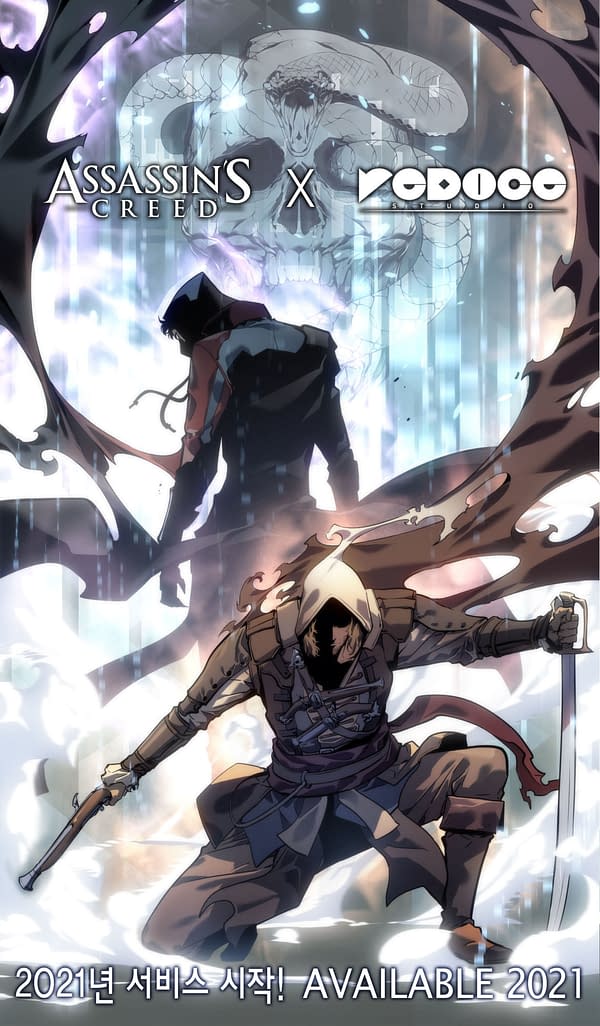
The transition into the Asian comics market is perhaps the most aggressive aspect of this expansion. Assassin’s Creed Dynasty, which originated as a webcomic in China, has already amassed over 150 million views. Now being localized for Western audiences by TOKYOPOP, it follows the journey of Li E as he navigates the political instability of the Tang Dynasty. Furthermore, the Valhalla: Blood Brothers manhua serves as a prequel to the hit title Assassin’s Creed Valhalla, detailing the lives of Viking siblings long before the rise of Eivor the Wolf-Kissed.
The Audio Experience: Podcasts
Recognizing the rapid growth of narrative audio, Ubisoft has also entered the podcast space. Turbulence in the Ming Dynasty, produced in partnership with the Chinese platform Ximalaya, utilizes a professional cast of film actors and sophisticated sound design to turn the Ming Storm narrative into an immersive, audio-first experience.

Supporting Data: Why Now?
The decision to diversify the Assassin’s Creed portfolio is backed by shifting consumer behaviors. In the digital age, audience engagement is no longer confined to the "Play" button. Fans are increasingly participating in "transmedia consumption," where a user might play a game, follow a related webtoon on their commute, and listen to a lore-heavy podcast before bed.
By collaborating with local authors and illustrators in Asia, Ubisoft is solving a long-standing issue in Western-led intellectual properties: cultural authenticity. As noted in recent press statements, the inclusion of local talent ensures that stories set in the Ming or Tang dynasties possess a historical and cultural gravity that might otherwise be lost if developed solely within the Ubisoft Montreal headquarters. This global-local approach allows the franchise to feel less like a "Western product" and more like a global cultural phenomenon.
Official Perspectives from the Architects
The vision behind this project is articulated clearly by the leadership at Ubisoft. Aymar Azaïzia, Transmedia Director at Ubisoft Montreal, emphasized that the strength of the license lies in its malleability. "With a license as rich as Assassin’s Creed, many creators are excited to offer their vision of the franchise," Azaïzia stated. "It’s a great creative opportunity to publish a work that is relevant to the genre in question and produced by authors or illustrators who are recognized in their field."

Julien Fabre, Associate Director of Publishing, echoed this sentiment, highlighting the intentionality of the international partnerships. "A priority for Ubisoft has been to forge new relationships with talented partners in the region," Fabre said, noting that these relationships are the bedrock of the new, authentic narratives being developed.
Perhaps most insightful is the comment from Etienne Bouvier, Publishing Content Manager, who characterized the audience as "consumers of stories" rather than just "gamers." By meeting fans in the formats they already use—webtoons for the mobile-first generation, audio dramas for the commuter, and novels for the traditionalist—Ubisoft is effectively ensuring that the Assassin’s Creed brand remains top-of-mind, regardless of whether a new triple-A game is currently on the shelf.

The Strategic Implications for the Gaming Industry
The implications of this move are profound for the broader entertainment industry. For years, the "synergy" between games, films, and books was often treated as an afterthought—usually involving a subpar tie-in novel released alongside a game launch. Ubisoft is clearly rejecting this model in favor of a "literary universe" approach, similar to the expansive interconnectedness seen in the Star Wars Expanded Universe or the Marvel Cinematic Universe.

Breaking the "Tie-in" Stigma
By treating the novels and comics as legitimate, high-quality narratives rather than mere marketing fluff, Ubisoft is increasing the perceived value of its intellectual property. If these stories prove successful, it creates a feedback loop: a fan of a webtoon might be enticed to play the game, and a game player might be enticed to follow the webtoon to see the story continued.

Longevity and Brand Resilience
The Assassin’s Creed brand is now protected against the long development cycles inherent to modern video games. If a major title takes four or five years to develop, the transmedia arm of the company can keep the audience engaged through consistent, lower-cost releases. This creates a "sticky" ecosystem where the brand is constantly present in the cultural conversation.

Future Outlook
As we look toward 2022 and beyond, the success of this strategy will depend on the reception of these diverse formats. The announcement of a Valhalla novel trilogy for 2022 suggests that the company is already confident in the viability of this model. If this pivot succeeds, it is likely that other major publishers will follow suit, moving away from a game-centric development cycle toward a platform-agnostic narrative strategy.

For the fans, the message is clear: the history of the Assassins and the Templars is no longer a restricted set of missions in a game menu. It is a vast, evolving library of human history, folklore, and conflict that is finally being given the room to breathe, grow, and adapt across every medium available to modern storytelling. Whether through a scrollable webtoon on a smartphone or a hardbound novel on a bookshelf, the war for the future of humanity continues.