The global entertainment landscape is undergoing a seismic shift, moving away from traditional terrestrial broadcasts and toward the intimate, high-frequency world of mobile-first content. At the forefront of this revolution are South Korean "webtoons"—digital comics designed specifically for the vertical-scrolling mechanics of smartphones. Today, these stories are no longer confined to the screen of a handheld device; they are becoming the primary intellectual property (IP) source for prestige television and digital dramas.
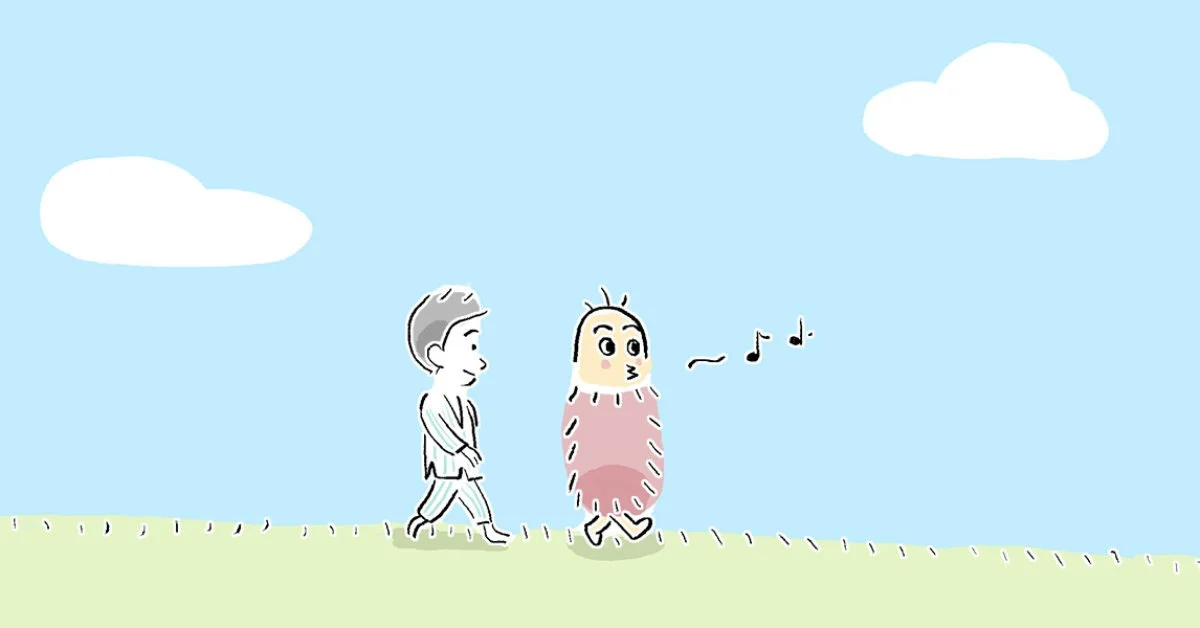
Lezhin Entertainment, a powerhouse in the digital comics industry, recently confirmed that one of its most acclaimed properties, Big See, is transitioning into a digital drama series. Produced in partnership with Kakao M, the adaptation represents a bold experiment in mixed-media storytelling, utilizing a hybrid format that integrates live-action performances with high-concept animation.
The Core Narrative: A Poignant Journey
Big See is not merely a popular comic; it is a cultural touchstone. Written by Kim Botong, the series holds the distinction of being the first webcomic to be awarded South Korea’s prestigious "Manhwa of the Day" prize. The narrative is a harrowing yet beautiful exploration of the human condition, centered on a young man navigating the final, terminal stages of cancer.
With over 20 million views worldwide, the source material resonated deeply with audiences for its unflinching look at mortality, hope, and the liminal space between reality and the subconscious. By focusing on a terminal patient, the series avoids the tropes of standard teen dramas, opting instead for a mature, emotional exploration of what it means to live fully while facing an inevitable end.
Chronology of Development and Production
The journey of Big See from the page to the screen reflects the broader trend of webtoons being treated as a "farm system" for high-end production studios.
- Initial Success: Following its debut on Lezhin Comics, Big See quickly became a viral sensation, accumulating 20 million views and securing its place as a critical darling with the "Manhwa of the Day" accolade.
- The Rise of Kim Botong: The author, Kim Botong, has become a hot commodity in the Korean entertainment industry. Big See follows the successful adaptation path of his earlier work, D.P Dog’s Day, which is currently being developed for Netflix.
- Lezhin Studio Acquisition: The strategic pivot began in 2018 when Lezhin Entertainment acquired its own film production arm, Lezhin Studio. The goal was to bridge the gap between digital publishing and visual media. The studio has since produced works such as Method and Chomi’s Interest for tvN, while currently managing pre-production on the Netflix original series Hell.
- August 2020 Announcement: Lezhin officially announced that Big See would enter production, starring Ji Soo (My First First Love) and Lee Seol.
- Release Window: The project is slated for release in the latter half of 2020, consisting of ten episodes, each running under 15 minutes to cater to the "snack culture" consumption habits of modern mobile users.
Bridging Realities: The Technical Vision
One of the most intriguing aspects of the Big See adaptation is its technical execution. The series is not a standard live-action adaptation; it is a collaborative effort between disparate artistic disciplines.
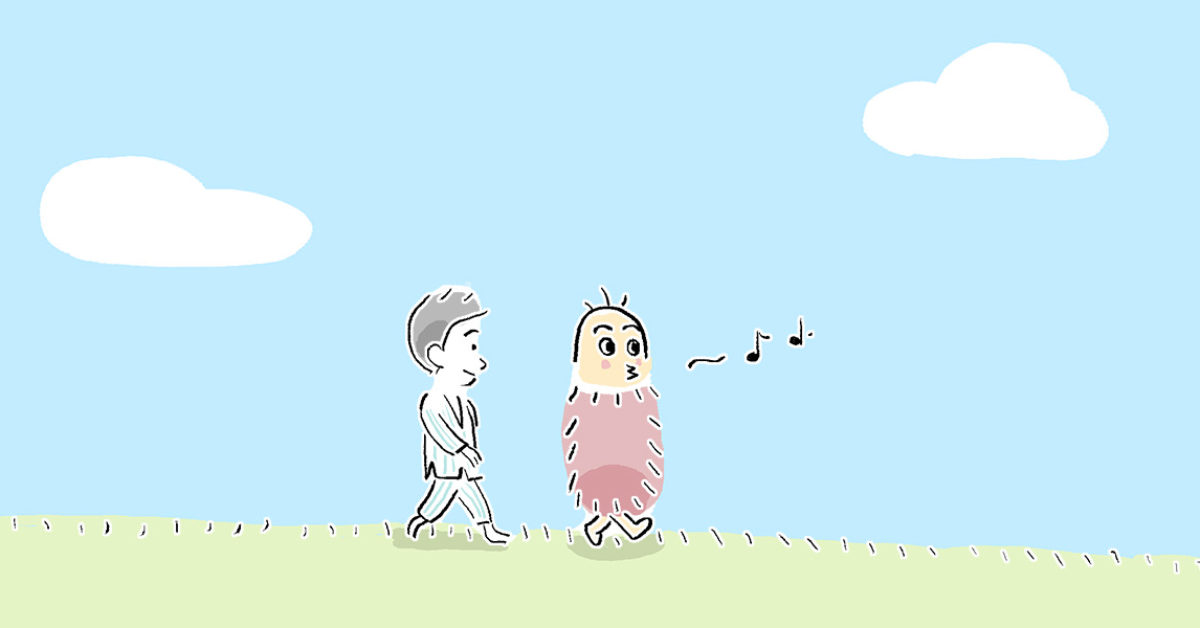
The live-action sequences are helmed by director Kim Dong-ha, who brings a grounded, cinematic realism to the project. However, to capture the ethereal nature of the protagonist’s terminal journey, the production has tapped Korea’s foremost animator, Han Ji-won, to handle the animated segments.
This juxtaposition is intended to visualize the protagonist’s internal world. When the character drifts into dreams or reflects on the nature of his illness, the series transitions seamlessly from the live-action world into a stylized, animated landscape. This serves as a narrative device to externalize the character’s psyche, creating a "new reality" that differentiates the show from standard melodramas.
Official Perspectives and Creative Intent
The decision to pursue a hybrid format was driven by a desire to remain faithful to the visual language of the original webtoon while elevating it for a new medium.
In a statement regarding the project, a representative from Lezhin Studio noted: "We’re excited to see the performances by Lee Seol and Ji Soo combined by the fantastic atmospheres and environments only possible through animation to create a new reality that dives deep into the horizon between the real world and dreams."
This statement highlights the studio’s commitment to "world-building" rather than simple adaptation. By employing animation, they can visualize concepts that would be cost-prohibitive or physically impossible in traditional live-action, effectively expanding the canvas upon which the story is told.
The Webtoon Phenomenon: A Global Context
To understand the significance of Big See, one must look at the meteoric rise of the webtoon industry. Unlike traditional western comics, which evolved from print media, webtoons were born on mobile devices. They utilize the vertical scroll as a narrative tool, allowing for unique pacing and cliffhangers that are perfectly suited to the thumb-driven reading experience of the smartphone generation.
South Korea’s dominance in this sector has created a pipeline of intellectual property that is essentially pre-vetted by a global audience. When a webtoon reaches tens of millions of readers, the risk for a production company is significantly lower than developing an original script from scratch. Platforms like KakaoTalk—which will serve as the primary host for the Big See digital drama—are creating integrated ecosystems where users can read the source material and watch the adaptation within the same digital environment.
Implications for the Future of Television
The production of Big See signals a permanent change in how content is commissioned.
- Mobile Optimization: With episodes clocking in at under 15 minutes, Big See is tailored for the commuter, the student, and the mobile-first consumer. This "snackable" content model is replacing the traditional 60-minute television slot in many markets.
- IP Synergy: The acquisition of Lezhin Studio by a publishing giant is a blueprint for the future. By keeping the production in-house, Lezhin can ensure that the "soul" of the comic remains intact, maintaining the artistic integrity of the original creator, Kim Botong, while utilizing the production resources of a professional studio.
- Cross-Media Artistry: The success of the hybrid format in Big See could set a trend for other series. If audiences respond positively to the blend of animation and live-action, it could open doors for more abstract, surrealist, or fantasy-based storytelling that was previously too difficult to produce on a modest digital drama budget.
Conclusion
Big See represents more than just another webcomic adaptation. It is a testament to the maturation of digital comics as a primary source of high-quality drama. By pairing a poignant, critically acclaimed story with a hybrid production style, Lezhin and Kakao M are pushing the boundaries of what a "digital drama" can be.
As we look toward the latter half of 2020 and beyond, the success of this project will likely serve as a benchmark for how modern studios approach the intersection of literature, animation, and live-action performance. In an era where the lines between reality and digital existence are increasingly blurred, Big See promises to be a reflection of the very medium that birthed it: a story that scrolls, moves, and feels deeply personal, right in the palm of our hands.