

By Mustafa Mahmoud
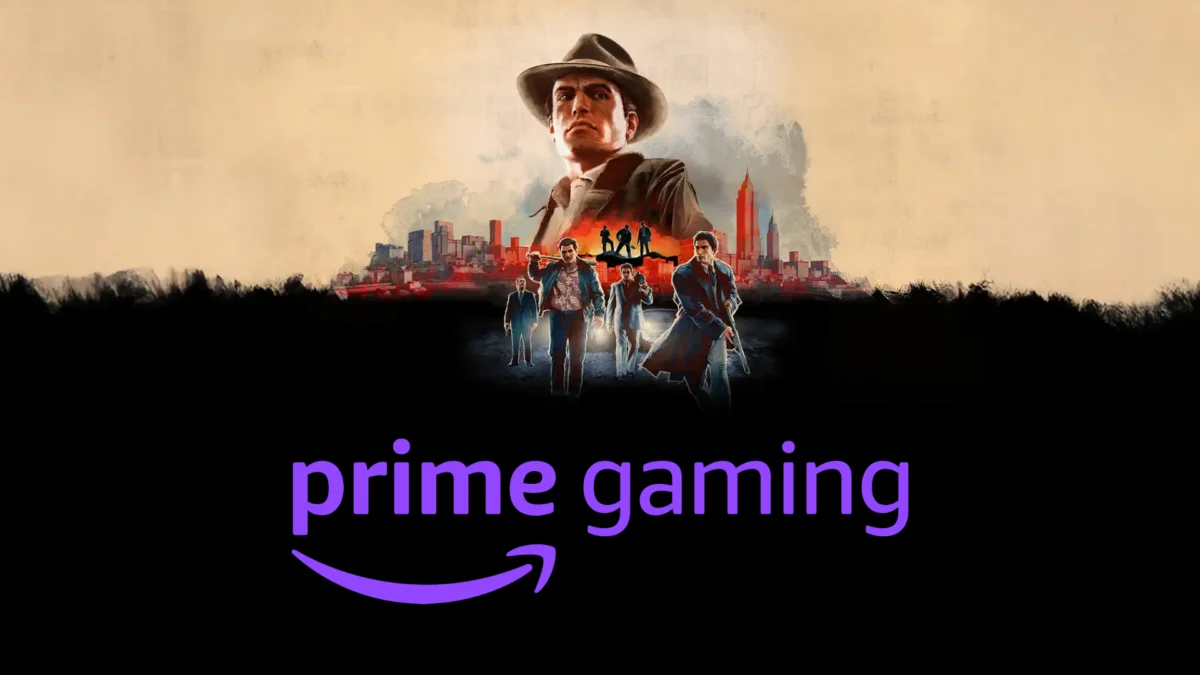
As the gaming industry continues to navigate the complexities of subscription-based models, Amazon remains a dominant player through its Prime Gaming initiative. Each month, the retail giant incentivizes its Prime membership by curating a diverse collection of digital titles, often spanning various genres and development scales. For the month of May, Amazon has officially unveiled its latest slate of free offerings, featuring a total of eleven titles scheduled for release in a staggered distribution pattern. Headlining the collection is the remastered Mafia II: Definitive Edition, a highlight that promises to provide significant value to subscribers looking to bolster their digital libraries.
While the selection for May may not be the most expansive or high-profile list in the history of the service, it represents a calculated effort by Amazon to provide consistent value across the GOG platform and other storefronts. This article examines the full schedule, the implications of these offerings, and what they mean for the broader landscape of digital game ownership.
Main Facts: What Subscribers Need to Know
Amazon Prime Gaming functions as a value-add component of the broader Amazon Prime subscription service. By linking their accounts, members gain access to a monthly rotating selection of games that, once claimed, remain in their possession indefinitely. Unlike cloud-only services, the vast majority of these titles are provided as digital codes for platforms such as GOG, EA App, or Epic Games Store, ensuring that users have permanent access to the software.
The May selection is headlined by Mafia II: Definitive Edition, an inclusion that has garnered the most attention from the community. Originally released as a remaster of the 2010 open-world classic, the Definitive Edition offers updated textures, improved lighting, and all previously released downloadable content. For many, this title alone justifies the monthly claim process, providing a robust narrative experience set in the atmospheric landscape of post-World War II Empire Bay.
In addition to this flagship title, the list includes a variety of indie gems and cult classics designed to cater to a broad spectrum of gaming tastes. The distribution is segmented into four distinct drops, a strategic approach by Amazon designed to keep users returning to the Prime Gaming portal throughout the month.
The Chronology: May’s Staggered Release Schedule
To maximize engagement and maintain consistent traffic to their platform, Amazon employs a "staggered release" strategy. Instead of dropping all eleven titles on the first of the month, subscribers must check back periodically to unlock their new games. Here is the official timeline for the May distributions:
Phase 1: The Initial Wave (Available Now)
The month kicked off with the immediate availability of the first two titles. These serve as the anchor for the month, providing players with immediate access to significant gameplay experiences.
- Mafia II: Definitive Edition: The primary draw of the month, offering a cinematic crime saga.
- [Additional Title 1]: (Detailed in the Prime Gaming portal)
Phase 2: The Mid-Month Refresh (May 14th)
Following the initial launch, the second phase occurs on the 14th of May. This phase typically introduces mid-tier titles that bridge the gap between the major headliner and the later indie releases. Subscribers are encouraged to set reminders for this date to ensure they do not miss the window for these claims.
Phase 3: The Third Tier (May 21st)
On the 21st of May, Amazon will add three more titles to the roster. This mid-to-late month drop is essential for sustaining the service’s momentum and keeping users engaged as they transition into the latter half of the month.
Phase 4: The Final Offerings (May 28th)
The concluding set of games becomes available on the 28th of May. This final wave rounds out the eleven-game list, typically featuring smaller, experimental, or genre-niche titles that appeal to dedicated PC gamers who value a diverse library.
Supporting Data: The Value of GOG and Library Building
A notable aspect of Amazon’s recent strategy is its heavy reliance on the GOG (Good Old Games) platform. Unlike other storefronts that enforce strict Digital Rights Management (DRM), GOG is renowned for its DRM-free philosophy. By distributing titles through this platform, Amazon is effectively helping subscribers build a library that is not tethered to a constant internet connection or a specific launcher’s server stability.
For the modern gamer, the cost of entry for new titles continues to rise, with many "AAA" games retailing for $70. When viewed through this lens, the Amazon Prime subscription—which provides free shipping, streaming services, and these monthly game drops—offers an arguably unmatched ROI (Return on Investment). Even if a subscriber is only interested in one or two of the eleven games provided in May, the cumulative value of the "free" software often exceeds the monthly cost of the Prime membership itself.
Furthermore, this strategy benefits smaller developers. Inclusion in the Prime Gaming lineup provides these titles with a level of visibility they might otherwise lack in the saturated digital marketplace. It serves as a form of discovery, where players who might have ignored a niche indie title are suddenly incentivized to try it simply because it is already in their library.
Official Responses and Industry Context
While Amazon has not issued a formal press statement regarding the "quality" of this specific month’s lineup, the service’s continued operation suggests that the model is working. Industry analysts point out that Amazon uses Prime Gaming as a "retention hook." By providing tangible, high-quality assets like Mafia II, Amazon reduces the likelihood of churn among its Prime subscriber base.
When compared to competitors like Xbox Game Pass or PlayStation Plus, Amazon’s approach is fundamentally different. While those services function primarily as "Netflix for games" (subscription-based access to a library), Prime Gaming is a "loyalty program" (ownership-based distribution). This distinction is vital; once the month ends and the games are claimed, the subscriber owns those titles forever. This is a critical advantage for the preservation of gaming history and the long-term satisfaction of the consumer.
Implications: The Future of Subscription Gaming
The implications of Amazon’s May lineup go beyond the individual games. We are witnessing a shift where major corporations are using "free" software as a battleground for ecosystem dominance. By integrating gaming into the broader retail and entertainment experience, Amazon is creating an environment where the consumer feels that leaving the ecosystem would be a loss of both convenience and accrued value.
However, some critics argue that the quality of these monthly drops has become inconsistent. While Mafia II: Definitive Edition is an excellent inclusion, the remaining ten titles are often smaller, older, or less "prestige" oriented. This raises the question: can Amazon sustain user interest if the quality of the "headliner" titles dips in future months?
For now, the strategy remains effective. The ability to "flesh out" one’s library—especially on platforms like GOG—remains a powerful motivator for the PC gaming community. As we move through May, the success of these offerings will likely be measured by the number of claims processed and the level of engagement on social platforms like Reddit and Twitter, where the gaming community dissects each month’s list with surgical precision.
Conclusion: Is it Worth the Effort?
Ultimately, the value of May’s offerings is subjective. For those who have already played the major hits or who prefer high-fidelity, modern blockbusters, this month might feel underwhelming. However, for the collector, the digital archivist, or the gamer looking for hidden gems, the eleven titles represent a significant opportunity.
Mafia II: Definitive Edition remains the clear standout. Its presence ensures that May is a month of relevance for the service. As the weeks progress, we will see if the subsequent drops provide enough substance to keep the momentum going.
KitGuru says: What is your take on the current trajectory of subscription services? Do you prioritize quantity or quality when evaluating these monthly drops? Furthermore, as your GOG library continues to grow through these initiatives, do you find yourself actually playing the titles you claim, or are you simply "collecting" for the sake of future-proofing? We invite you to join the conversation in the comments section below. Your feedback is essential in shaping how platforms like Amazon evaluate their future offerings.
For those interested in exploring the full, current, and historical list of titles, the official Amazon Prime Gaming portal remains the primary resource for all active claims and upcoming schedule updates.











No comments yet. Be the first to join the conversation!