Ali Ikhwan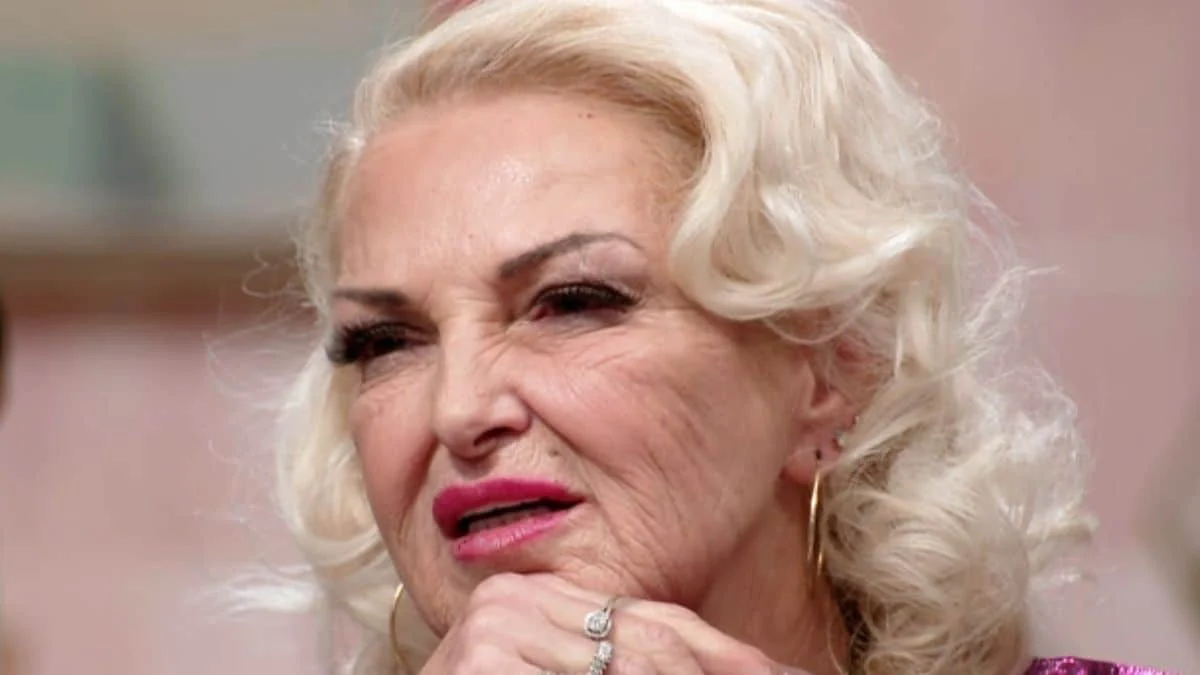
In a move that highlights the increasingly volatile intersection of reality television fame and social media scrutiny, 90 Day Fiancé star Angela Deem has stepped into the fray to defend her nine-year-old granddaughter from a wave of targeted online harassment. The incident, which began with a lighthearted video, has sparked a broader conversation regarding the ethics of digital commentary and the vulnerabilities of children born into the reality TV spotlight.
Main Facts: The Intersection of Fame and Family
Angela Deem, 58, has long been a foundational—if controversial—figure within the 90 Day Fiancé franchise. Known for her unfiltered personality and "Georgia Peach" bravado, she has historically weathered intense criticism regarding her relationship with her estranged husband, Michael Ilesanmi, and her volatile on-screen conduct. However, the latest digital skirmish involves a member of her family who has not sought the spotlight: her granddaughter, Ariah Kaye.
The conflict erupted after Deem shared a video of Ariah on her TikTok and Instagram accounts. In the clip, the nine-year-old is seen lip-syncing to the Lady Gaga and Bruno Mars duet, "Die With A Smile." While the post was intended to showcase Ariah’s talent and enthusiasm—Deem affectionately referred to the girl as her "Twinzy" and a "Future Queen"—the comment section quickly devolved into a platform for body-shaming and unsolicited health advice.
Critics targeted the child’s physical appearance, with one notable commenter stating, "You all need to eat healthier." This prompted a swift and emotional rebuttal from Deem, who revealed that her granddaughter suffers from a chronic kidney condition, a fact that turned the trolls’ "health advice" into a point of profound insensitivity.
Chronology of the Controversy
The Initial Post: A Moment of Celebration
On a weekday earlier this month, Angela Deem uploaded a high-energy video featuring Ariah Kaye. Ariah, who is one of three children belonging to Angela’s daughter, Scottie, appeared to be enjoying a moment of performative play. Holding a microphone and using expressive gestures, the child mimicked the soulful delivery of Bruno Mars and Lady Gaga. Deem, often calling herself "Meemaw" to her six grandchildren, shared the video to her combined millions of followers, utilizing hashtags like #queenofreality to signal her pride.
The Shift: From Praise to Prodding
Within hours of the post going live on Instagram (reshared from TikTok), the tone of the engagement shifted. While the majority of the "90 Day" fanbase offered supportive comments praising the child’s confidence and rhythm, a vocal minority began to scrutinize Ariah’s weight. The commentary was not limited to general negativity; it specifically targeted the child’s midsection and the family’s perceived lifestyle choices.
The Retaliation: Deem’s Public Stand
Recognizing the escalating nature of the comments, Deem did not simply delete the thread. Instead, she recorded a direct-to-camera response on Instagram. In this video, she addressed the "queens and kings" of her following, transitionary quickly from a polite greeting to a stern reprimand. It was during this response that Deem disclosed the private medical struggles Ariah faces, effectively silencing the narrative that the child’s appearance was a simple matter of diet.
Supporting Data: Contextualizing the Deem Family in the Public Eye
To understand the weight of this incident, one must look at the history of Angela Deem’s public persona and the specific health history of her family.
The "90 Day" Lightning Rod
Angela Deem debuted in Season 2 of 90 Day Fiancé: Before the 90 Days. Over the course of nearly seven years, she has become one of the most recognizable faces on the TLC network. Her journey—marked by a tumultuous marriage to a Nigerian man 20 years her junior, a massive physical transformation involving gastric sleeve surgery, and frequent "Tell All" outbursts—has made her a polarizing figure. Consequently, her social media pages are often battlegrounds between "super-fans" and "haters."
A History of Health Struggles
The revelation regarding Ariah’s kidney disease is not entirely without precedent in the family. Deem’s daughter, Scottie, has previously dealt with health complications, and Deem herself has been vocal about the importance of medical interventions following her own 100-pound weight loss. In the medical context, certain kidney disorders can cause edema (swelling) or require medications like steroids, which can lead to weight gain or a rounded physical appearance in children. By disclosing this information, Deem highlighted the danger of "armchair diagnosis" by social media users who lack clinical context.
The "Meemaw" Brand
Despite her aggressive on-screen persona, Deem has consistently positioned her role as a grandmother as her most vital identity. Her grandchildren have appeared sporadically on the show, often serving as the emotional anchor for her storylines. This deep-seated familial loyalty explains the intensity of her reaction; while Deem has developed a "thick skin" regarding her own reputation, the extension of that vitriol to a minor crossed a significant boundary in the reality TV ecosystem.

Official Responses: "Do Better, God Bless You"
In her official video response, Angela Deem utilized her platform to deliver a message centered on accountability and human decency.
The Call for Shame:
"To the Instagrammers out there that come on my page to cut me down, I can take that," Deem stated. "When you come after my granddaughter and talk about her belly, um, you should be ashamed of yourself."
The Medical Clarification:
Deem clarified the situation with a level of transparency she usually reserves for her own life: "She’s only nine years old, okay? She has kidney disease like her mom. And um, what kind of person goes around cutting down kids anyway?"
The Closing Admonition:
The video was captioned "DO BETTER GOD BLESS YOU," a phrase that has since been echoed by her supporters. Deem urged her critics to practice a "crown of thought," suggesting that people should think deeply and empathetically before hitting the "send" button on a comment.
While TLC and the producers of 90 Day Fiancé have not issued a formal statement regarding this specific social media incident, the network has historically encouraged cast members to manage their own social media presence, only intervening in cases of extreme contractual breaches or hate speech that violates network standards.
Implications: The High Cost of Reality Fame for Minors
The harassment of Ariah Kaye is emblematic of a larger, more troubling trend in the digital age: the "collateral damage" of reality television fame.
1. The Vulnerability of "Reality Children"
Unlike child actors who have professional representation and legal protections (such as Coogan Laws), children of reality stars often exist in a legal and ethical gray area. They are frequently used as "props" for social media engagement or as secondary characters in storylines, yet they lack the maturity to process the global feedback—both positive and negative—that follows. The incident with Ariah highlights the need for more robust conversations about "sharenting" and the right of the child to a private upbringing, even when their parents or grandparents are public figures.
2. The Psychology of the "Anti-Fan"
The 90 Day Fiancé franchise has cultivated a unique "hate-watching" culture. Because the show focuses on high-conflict relationships, viewers often feel a sense of entitlement to criticize every aspect of the cast members’ lives. This case demonstrates how that entitlement can dangerously bleed over into the lives of innocent bystanders, including minors and the chronically ill.
3. The Power of the Rebuttal
Deem’s decision to confront the trolls directly serves as a case study in digital crisis management for public figures. By revealing the medical context, she shifted the narrative from a debate about "parenting and health" to a lesson on "bullying and ignorance." This has historically been an effective way for reality stars to reclaim their narrative, though it comes at the cost of further exposing their family’s private medical data to the public.
4. Future Participation
As 90 Day Fiancé enters its 11th season, the question remains how much access cast members will—or should—give the public to their families. Angela Deem’s experience may serve as a cautionary tale for other reality stars who are considering integrating their children or grandchildren into their digital brands.
In conclusion, while Angela Deem remains a figure of intense debate within the entertainment industry, her recent defense of her granddaughter has garnered a rare moment of widespread sympathy. The incident serves as a stark reminder that behind the filtered photos and edited television segments are real families dealing with real health challenges—challenges that should, by all standards of human decency, remain off-limits to the vitriol of the internet.


 Nana
Nana