

In an era where streaming platforms are often criticized for their obsession with original content and the relentless pursuit of the "next big thing," a curious trend has emerged that defies the standard lifecycle of cinematic releases. Netflix, the world’s leading streaming service, has inadvertently become a sanctuary for forgotten animated gems. The latest beneficiary of this algorithmic resurgence is Turbo, the 2013 DreamWorks sports comedy that has unexpectedly roared back into the Netflix Global Top 10 charts, more than thirteen years after its initial theatrical debut.
The data for the week of June 22–28, 2026, confirms that Turbo captured the eighth spot on the most-watched English-language films list. For a film that was largely considered a moderate success during its initial run, this mid-2026 renaissance represents more than just casual viewing; it highlights a fundamental shift in how modern audiences engage with digital archives.
The Star-Studded Origin of a Garden-Variety Dream
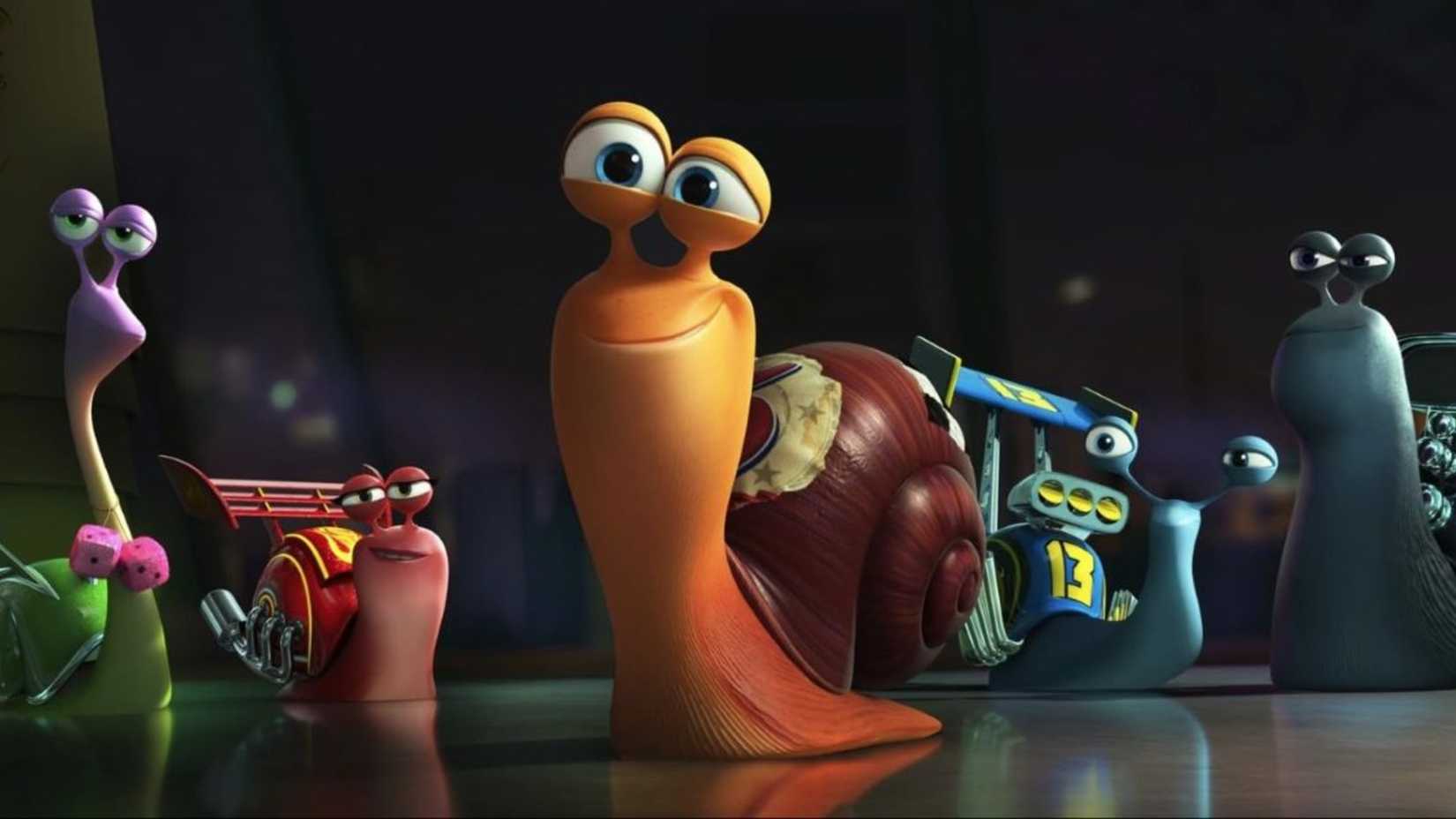
To understand the current fascination with Turbo, one must look back at its 2013 inception. At the time, DreamWorks Animation was riding high on the success of How to Train Your Dragon and the Shrek franchise. Turbo offered a high-concept, albeit unconventional, premise: a garden snail named Theo, obsessed with the high-octane world of the Indianapolis 500, gains the ability to travel at extraordinary speeds following a freak accident involving a nitrous oxide tank.
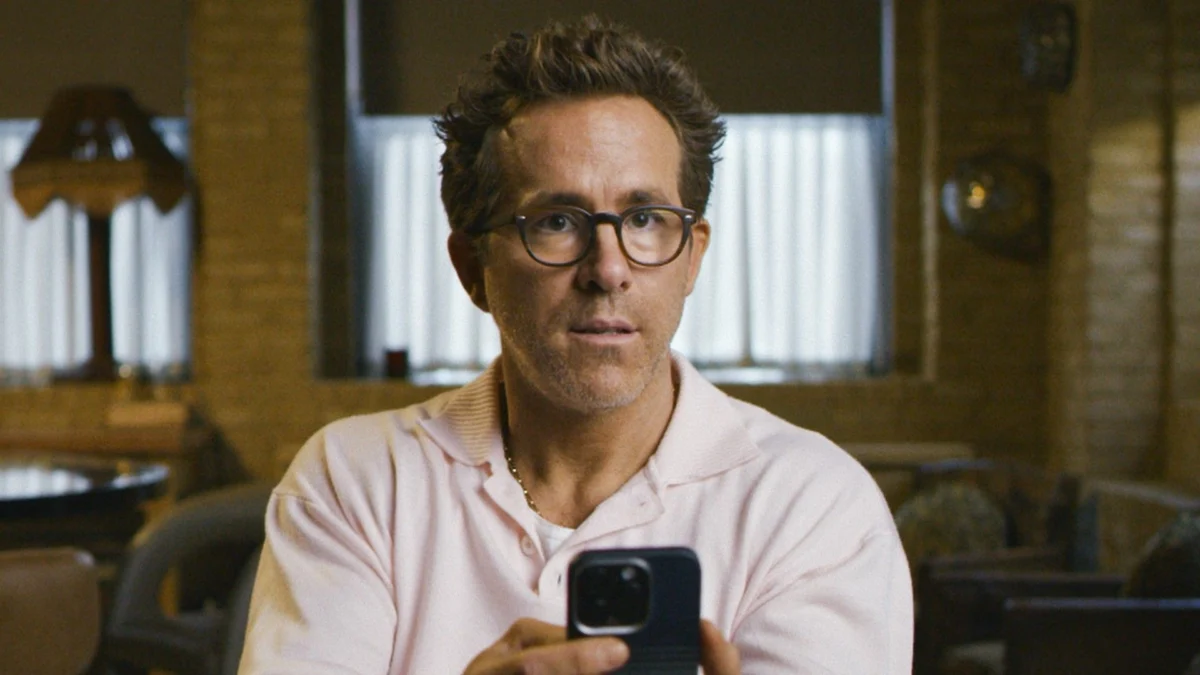
What makes the film’s current resurgence particularly fascinating is its cast—a roster that, in hindsight, feels like a "who’s who" of modern Hollywood royalty. Ryan Reynolds, currently synonymous with the acerbic, fourth-wall-breaking humor of Deadpool, provided the voice for the titular protagonist. Long before he became the face of the Marvel Cinematic Universe’s Deadpool & Wolverine era, Reynolds was perfecting his rapid-fire, charismatic delivery as an underdog snail.

Conversely, Samuel L. Jackson—an actor whose filmography is as vast as it is legendary—voiced Whiplash, the leader of a crew of street-racing snails who take Turbo under their wing. Seeing two of the most bankable stars in modern cinema anchoring an animated film about mollusks provides a certain surreal charm for 2026 audiences. The supporting cast, which includes the comedic timing of Bill Hader, the warmth of Maya Rudolph, and the cool, inimitable presence of Snoop Dogg, adds a layer of depth that keeps the film engaging even a decade later.
A Chronology of a Cult Classic
Turbo was released in July 2013 to lukewarm critical reception, though it eventually found a loyal audience on home media. Its path to the 2026 charts was not a straight line, but rather a slow, steady climb facilitated by the nature of subscription-based streaming.
- 2013: Turbo premieres in theaters. While it earns over $280 million globally, it struggles to compete with the sheer volume of animated juggernauts released in the same decade.
- 2014–2020: The film finds a home on cable television and physical media, cementing itself as a "comfort watch" for families, but failing to dominate the cultural conversation.
- 2023: The film experiences minor spikes in interest as Ryan Reynolds’ star power reaches its zenith following his acquisition of Wrexham AFC and his high-profile MCU crossover.
- June 2026: Netflix updates its licensing, bringing Turbo to a massive, global audience. Within days, it climbs the ranks, proving that the demand for high-quality, family-friendly animation remains constant.
Analyzing the Data: Why Now?
The resurgence of Turbo is not an isolated incident; it is part of a broader, more significant trend. Earlier in June 2026, the 2007 Jerry Seinfeld-led Bee Movie similarly surged back into the Netflix Top 10, nearly two decades after it first graced the silver screen.
Streaming analysts point to several factors driving this phenomenon. First, the "democratization of content" is at play. In the pre-streaming era, once a movie left theaters and exited its DVD shelf life, it became difficult to find. Today, platforms like Netflix present these films alongside the latest blockbusters. This puts them in front of a new generation of viewers—children who were not yet born when Turbo first premiered—while simultaneously appealing to the nostalgia of adults who remember the film from their own childhoods.

Furthermore, the "algorithmic discovery" effect cannot be overstated. Netflix’s recommendation engine identifies viewing patterns. If a household watches a modern animated film, the system is increasingly adept at suggesting similar, older titles. Because Turbo is a "standalone" film rather than a franchise-heavy property, it is often viewed as a low-commitment, high-reward viewing experience for families looking for a movie night option that doesn’t require prior knowledge of a cinematic universe.
The Industry Perspective: A Second Life for IP
While there have been no formal, high-level statements from Netflix regarding a "Turbo reboot" or a potential spin-off, industry insiders suggest that the success of these older titles is providing studios with valuable metrics.
"The data is undeniable," says media analyst Elena Rossi. "When a film that is 13 years old hits the Top 10, it sends a clear signal to rights holders. It says that the intellectual property still has life. It justifies further investment, whether that’s in merchandise, theme park integrations, or potentially long-overdue sequels or streaming series."
For DreamWorks and other major animation houses, this is a win-win. They are monetizing legacy content that has already been paid for, while simultaneously building awareness for their brands among a younger demographic. It effectively turns the studio’s library into a recurring revenue stream rather than a dead asset.
Implications for the Future of Streaming
The success of Turbo forces us to reconsider the shelf life of media. For years, the industry operated under the assumption that a film’s value was heavily front-loaded—that its success was defined by its opening weekend box office. The "Netflix Effect" flips this model on its head.
In 2026, we are witnessing the death of the "dated" movie. As long as a film has a high production value and a compelling narrative, it can be rediscovered at any time. This shift has several implications:
- Increased Licensing Value: Older animated films, previously sold for pennies on the dollar to syndication channels, now command premium licensing fees as they prove capable of driving actual subscription growth.
- Strategic Release Windows: Platforms may begin to time the release of older catalog titles to coincide with the press tours of the stars involved. With Ryan Reynolds having a high-profile, non-animated presence in the zeitgeist, his older roles are naturally going to see a bump in curiosity.
- The "Nostalgia Gap": We are currently at a point where the generation that grew up on 2010s animation has become the primary demographic of parents and young adults with their own Netflix accounts. This creates a specific "nostalgia gap" that studios are eager to exploit.
Conclusion: More Than Just Snails
As we move further into the second half of 2026, the story of Turbo serves as a poignant reminder of the power of storytelling. A movie about a snail who dreams of the Indianapolis 500 might seem like an unlikely candidate for a modern streaming hit, but its performance in the Netflix Top 10 proves that audiences are still hungry for stories that are earnest, colorful, and—above all—fun.
Whether this trend continues with other mid-2010s animation remains to be seen. However, one thing is certain: the era of the "forgotten" movie is officially over. In the digital age, a film is never truly finished; it is simply waiting for the right moment, the right algorithm, and the right audience to rediscover it. For now, the snails are leading the pack, proving that when it comes to long-term streaming success, slow and steady really does win the race.










