Laily UPN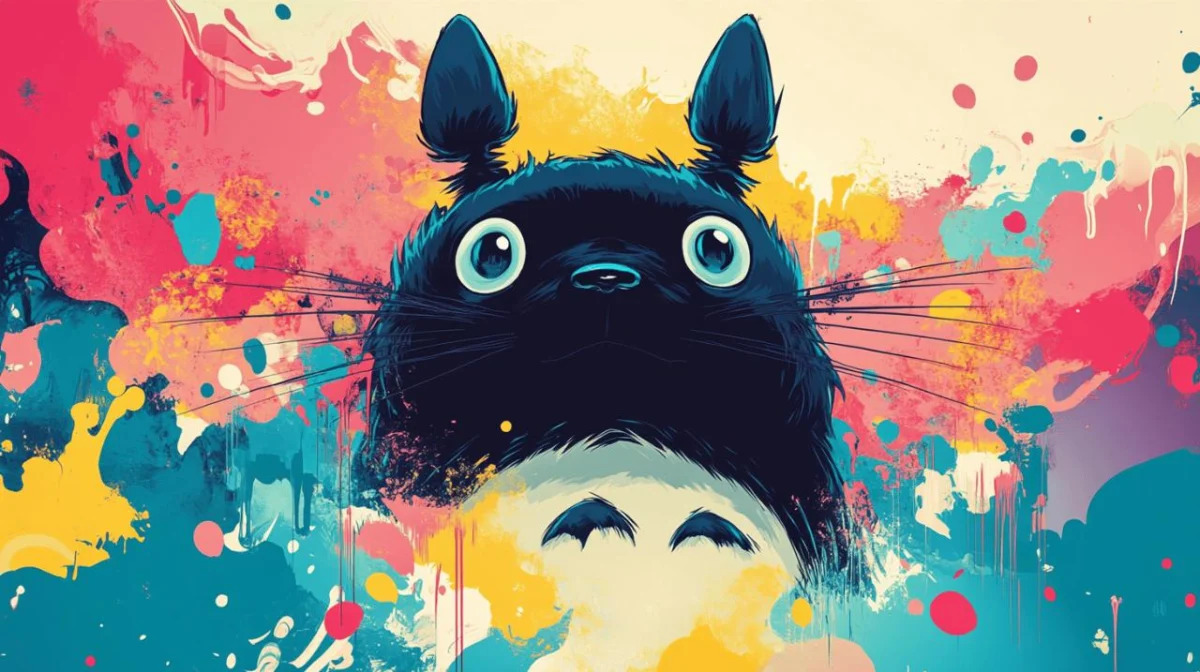
The intersection of high-concept Japanese animation and contemporary streetwear has reached a new zenith. At the heart of this cultural fusion lies the minimalist Totoro T-shirt—a garment that transcends the traditional boundaries of "fan merchandise" to enter the realm of genuine stylistic expression. For enthusiasts of Studio Ghibli, these pieces serve as a bridge between the whimsical, ethereal world of Hayao Miyazaki’s cinema and the pragmatic elegance of modern minimalist fashion.
The Genesis of an Icon: From Screen to Textile
The cultural impact of My Neighbor Totoro (1988) cannot be overstated. As the mascot of Studio Ghibli, Totoro represents a sanctuary of innocence and nature, a character whose silhouette is recognized across generations globally.
The transition of this character from the silver screen to the fabric of our daily lives was a natural evolution. In the early days of Ghibli’s international expansion, merchandise was often loud, cluttered, and explicitly marketed toward children. However, the current shift toward minimalism reflects the maturing demographic of the Ghibli fanbase. Today’s fans—many of whom grew up watching these films—seek apparel that allows them to signal their passion with subtlety rather than spectacle. This demand for "stealth fandom" has birthed a new category of clothing: garments that feel at home in a high-fashion boutique as much as they do at a fan convention.
Chronology of a Trend: The Evolution of Ghibli Streetwear
The journey from niche souvenir to fashion staple followed a distinct trajectory:
- The Early Era (Late 1980s – 1990s): Merchandise was primarily limited to domestic Japanese toy stores and local craft markets. Designs were vibrant and illustrative, focusing on character interaction.
- The Global Expansion (2000s): As Ghibli’s international acclaim grew, the demand for apparel skyrocketed. The market saw a saturation of "poster-style" T-shirts—large, complex graphics that were often heavy and prone to fading.
- The Minimalist Shift (2015 – Present): Influenced by the broader "Scandi-Japanese" minimalist movement in fashion, independent designers and specialized retailers, such as Emotion Ghibli, began emphasizing negative space, clean lines, and monochromatic palettes. This era marks the transition of the Totoro T-shirt into a versatile wardrobe staple.
Supporting Data: The Anatomy of a Quality Garment
The shift toward minimalism has necessitated a move toward higher quality materials. A minimalist design has nowhere to hide; if the fabric is poor, the design fails.
Fabric Selection and Longevity
The industry standard for premium graphic tees is 100% combed cotton. This material provides a smooth surface texture that is essential for the sharp, clean lines required by minimalist aesthetics. According to textile specialists, the density of the weave in these specific Ghibli-themed collections—often ranging from 180 to 200 GSM (grams per square meter)—ensures that the shirt maintains its structure and doesn’t lose its shape over time.
Printing Techniques
Modern screen-printing and Direct-to-Garment (DTG) technology have revolutionized how these designs appear on fabric. For a minimalist Totoro silhouette, clarity is paramount. High-resolution printing ensures that even the subtle, soft edges of the character’s fur or the minimalist leaf design remain crisp. These techniques, coupled with eco-friendly, water-based inks, allow for a "breathable" design that integrates with the fabric rather than sitting on top of it like a plastic sheet.
The Philosophy of Minimalist Design
Why does the minimalist approach resonate so deeply with the Totoro character? The answer lies in the Japanese aesthetic principle of Ma (negative space). In My Neighbor Totoro, much of the film’s beauty is found in the quiet moments—the rain on the bus stop, the sound of the wind, the stillness of the forest.
A minimalist T-shirt captures this "stillness." By reducing the character to its essential lines, the design invites the viewer to fill in the rest of the context. A simple black-and-white outline of Totoro on a high-quality white tee is not just a picture; it is a suggestion of the film’s atmosphere. It allows the wearer to embody the spirit of the character without being overtly literal.
Stylistic Integration: How to Wear the Totoro Aesthetic
The versatility of these pieces is a key driver of their popularity. Whether it is a "Sylvain Noir" style or a subtle embroidered patch, these items are designed for day-to-night transitions.
- Casual Sophistication: Pair a minimalist Totoro tee with raw-denim jeans and a pair of clean, white sneakers. The simplicity of the shirt complements the rugged texture of the denim.
- The Smart-Casual Pivot: For a "Casual Friday" look, layering a well-fitted blazer over the T-shirt creates a juxtaposition that is both professional and expressive. The contrast between the formal blazer and the whimsical print is a hallmark of modern streetwear.
- The Layering Effect: During transitional seasons, these shirts work perfectly under an open flannel shirt or a bomber jacket, allowing the minimalist print to serve as a subtle focal point without dominating the outfit.
Official Responses and Market Implications
The rise of high-quality, fan-driven merchandise has forced major retailers to adapt. Official studios have begun to recognize that fans are willing to pay a premium for apparel that matches their fashion sensibilities.
"The shift is undeniable," notes a representative from the distribution sector. "We are seeing a move away from ‘disposable’ merch toward ‘curated’ pieces. Fans are buying less, but they are buying better."
This trend is backed by the success of boutique platforms like Emotion Ghibli, which offer specialized sizes (ranging from S to 4XL) to ensure inclusivity. By providing a 30-day guarantee and free return policies, these retailers are signaling a shift toward customer-centric service that mirrors the prestige of the films themselves.
Maintenance: Preserving the Magic
A garment is only as good as its care cycle. To ensure that the Totoro print remains vibrant and the fabric stays soft, experts recommend the following:
- Cold Wash Only: Always wash at 30°C or below to prevent the cotton fibers from breaking down and to keep the ink from cracking.
- The Inside-Out Rule: Always turn the T-shirt inside out before placing it in the machine. This protects the graphic from the friction of other clothing items.
- Natural Air Drying: Avoid the tumble dryer, which can cause heat damage to the printing. Drying the garment in the shade prevents the sun from bleaching the colors.
- Careful Ironing: If ironing is necessary, never apply direct heat to the print. Use a cloth between the iron and the fabric, or simply iron on the reverse side.
The Future of the Ghibli Fashion Movement
As we look toward the future, the influence of these minimalist designs is set to grow. We are witnessing the emergence of a "Ghibli Core" fashion movement, where the themes of the films—environmentalism, simplicity, and connection—are translated into the very way we dress.
Independent artists are continuing to push the boundaries, offering limited-edition interpretations that go beyond the standard character silhouettes. These artists act as a creative bridge, ensuring that the Ghibli universe remains dynamic and relevant in a fast-paced fashion landscape.
Ultimately, the minimalist Totoro T-shirt is more than just clothing. It is an act of curation. It is a way for the modern fan to carry a piece of the forest, a fragment of magic, and a touch of Miyazaki’s philosophy into the complexities of the real world. Whether you are a long-time devotee of the Studio or a newcomer drawn to the clean, elegant lines of Japanese design, there has never been a better time to embrace this intersection of art and apparel. In an age of fast fashion and disposable trends, choosing a piece that resonates with the timelessness of Totoro is, perhaps, the most stylish choice one can make.

 Siti Muinah
 Azzam Bilal Chamdy