

By Alfredo Federico Robelo | May 8, 2026
Film criticism is a vital component of the cinematic ecosystem, serving as a bridge between artistic intent and audience reception. However, there exists a darker side to this dialogue: the phenomenon of “hate-bombing” or disproportionate backlash. Throughout the history of modern cinema, a recurring pattern emerges where films are subjected to intense, often aggressive vitriol that seems untethered from the actual quality of the production. Whether due to misunderstood satire, stylistic experimentation, or cultural baggage, many films have been unfairly maligned.
This article explores 15 such motion pictures—works that, upon closer inspection, have been victims of circumstance, mismatched expectations, or the toxic noise of online discourse rather than genuine cinematic failure.
The Anatomy of Cinematic Backlash
To understand why audiences turn against certain films, one must look at the psychological and sociological factors at play. Often, the “hate” directed at a film is not a critique of its cinematography, acting, or script, but rather a reaction to its defiance of genre norms or its presence in a hyper-polarized cultural climate.

When a film dares to be “too” something—too ambitious, too satirical, or too experimental—it invites a specific brand of ire. Conversely, films that are victims of “expectation bias” are often judged not by what they are, but by what the audience wanted them to be. This misalignment is the primary engine of unjustified critical failure.
A Chronological Re-evaluation of Maligned Masterpieces
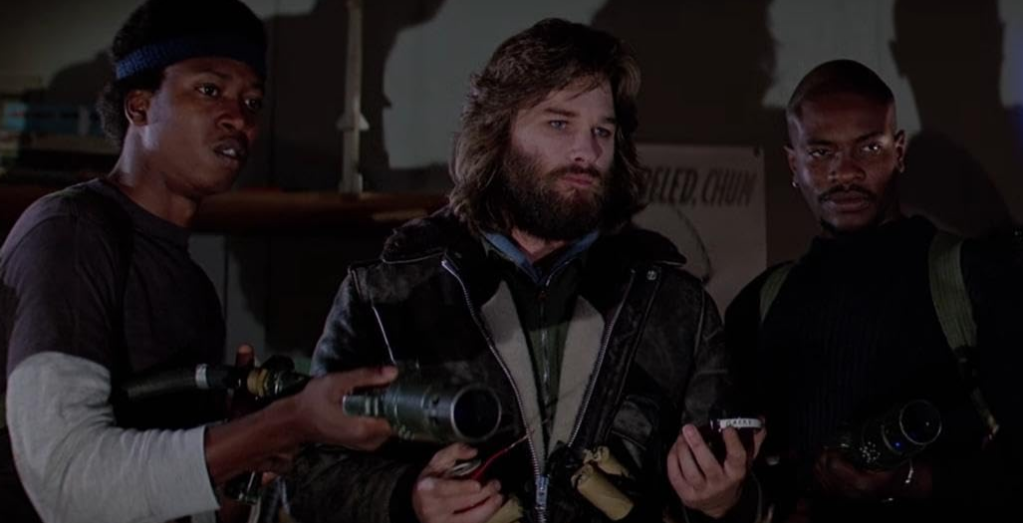
1. The Thing (1982)
John Carpenter’s masterpiece of paranoia was famously savaged upon its debut. Critics were horrified by Rob Bottin’s groundbreaking practical effects, dismissing the film as a bleak, nihilistic exercise in gore. Decades later, it is widely considered the gold standard of practical horror, with its "bleakness" recognized as the essential ingredient for its unmatched tension.
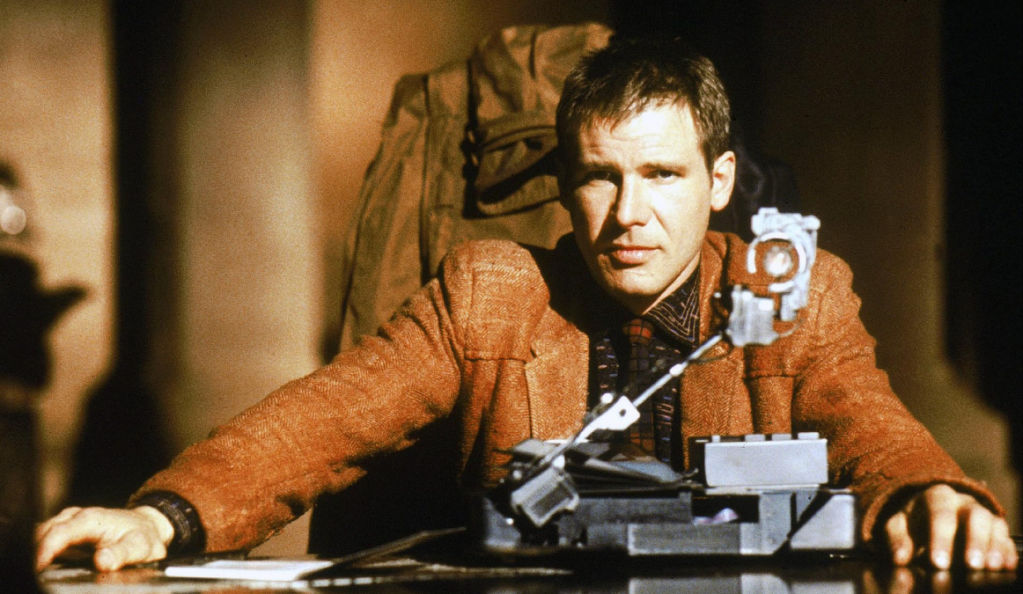
2. Blade Runner (1982)
Ridley Scott’s sci-fi noir suffered from a troubled production history and a studio-mandated voiceover that undercut its mystery. Initial audiences were confused by its deliberate, slow-burn pacing and philosophical ambiguity. Today, it stands as a pillar of the cyberpunk genre, proving that high-concept storytelling often requires time to permeate the public consciousness.
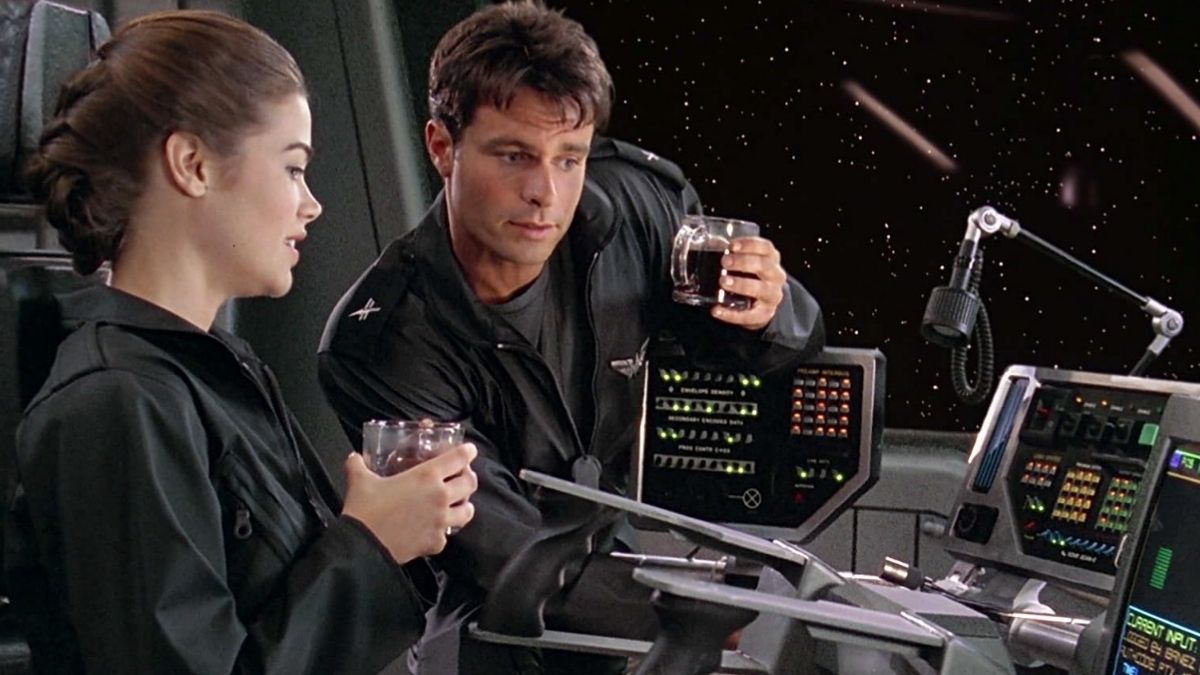
3. Starship Troopers (1997)
Perhaps the most misunderstood film on this list, Paul Verhoeven’s sci-fi epic was widely criticized as a "dumb" action movie. Critics missed the biting satire on fascism and militarism entirely. Viewed through a modern lens, the film’s intentional irony is its greatest strength, serving as a cautionary tale that remains as relevant today as it was thirty years ago.

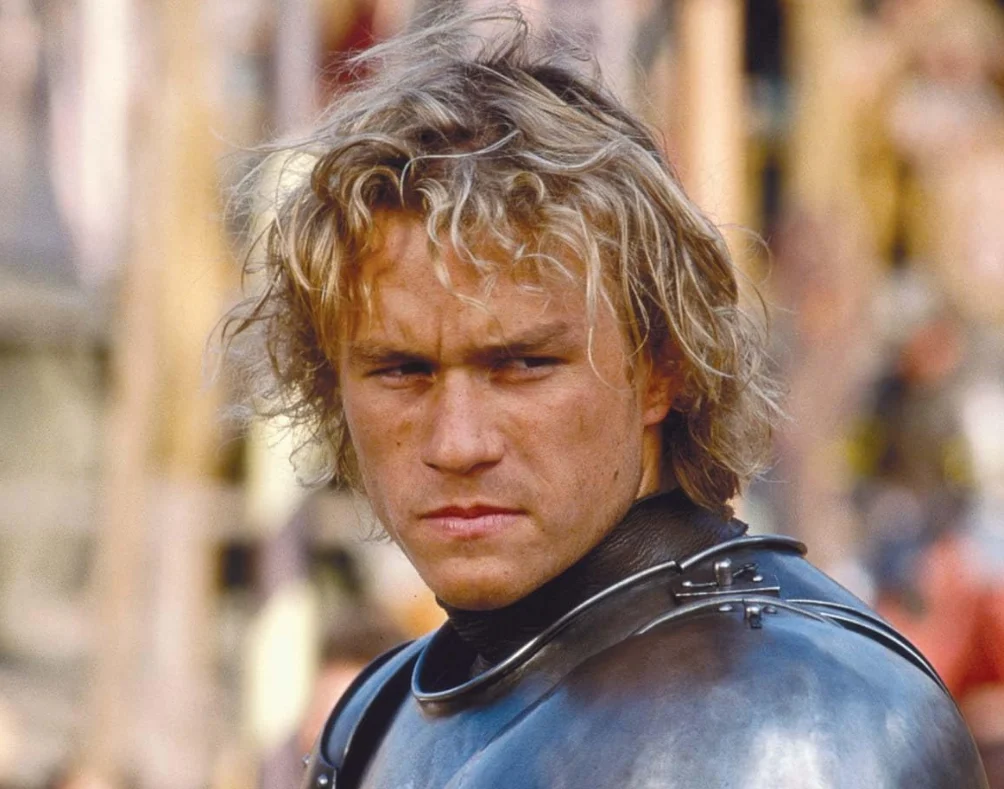
4. A Knight’s Tale (2001)
Critics were baffled by the decision to mix 14th-century jousting with Queen and David Bowie. This anachronistic choice was meant to capture the feeling of a rock-star tournament, yet it was attacked as a failure of historical accuracy. The film has since been reclaimed as a fun, high-energy cult classic that understood its tone better than its detractors did.
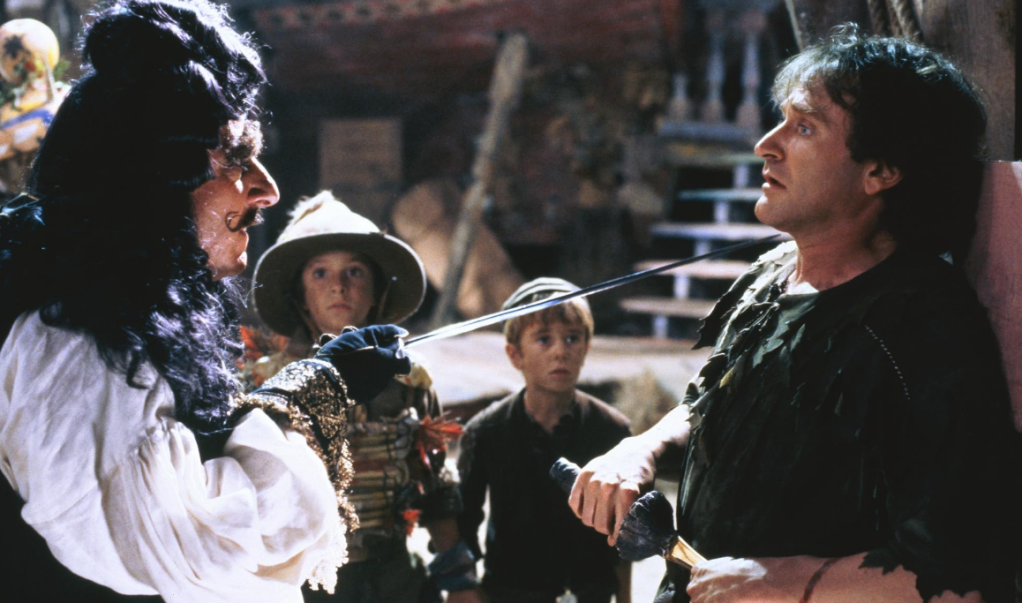
5. Hook (1991)
Steven Spielberg’s Peter Pan sequel was long criticized for being “saccharine” and overly sentimental. However, recent reassessments have highlighted the film’s genuine emotional core and Robin Williams’ poignant performance. The “hate” seems to have stemmed from a desire for a different type of fantasy film, rather than an objective analysis of its storytelling.

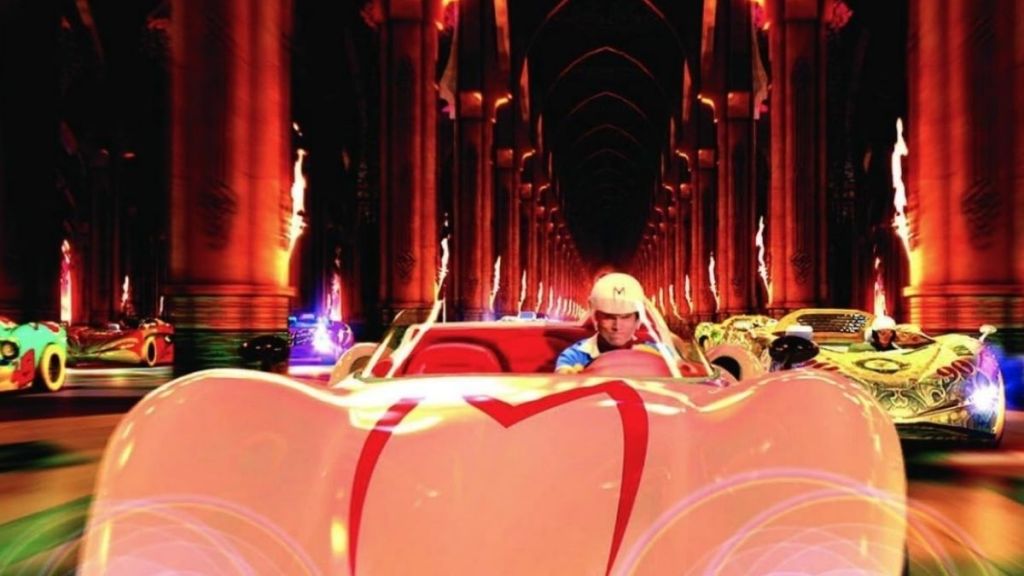
6. Speed Racer (2008)
The Wachowskis’ adaptation was mocked for its hyper-saturated, “video-game” aesthetic. By ignoring the film’s structural ambition, critics failed to see it as a pioneering work of digital expressionism. It was, quite simply, a decade ahead of its time, finally earning the respect it deserves as a visual landmark.
7. John Carter (2012)
Misleading marketing and a studio branding crisis turned this film into a box-office failure before it even premiered. It was unfairly labeled “derivative” of films like Star Wars and Avatar, conveniently forgetting that John Carter was based on the source material that actually inspired those franchises.
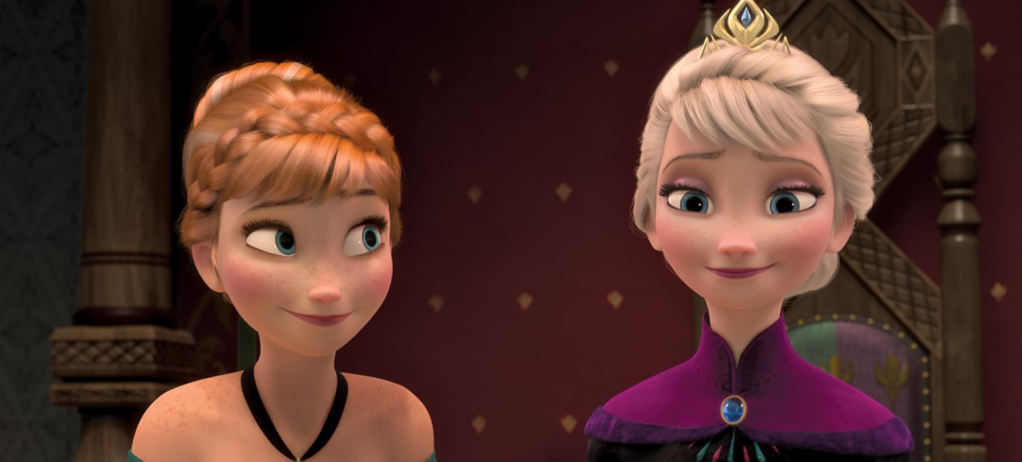
8. Frozen (2013)
The backlash here is a study in "popularity fatigue." Frozen was not hated because it was a bad film; it was hated because it was everywhere. The relentless, unavoidable nature of its cultural dominance led to a reactive, artificial cycle of criticism that had very little to do with the actual quality of the narrative.
9. Ghostbusters (2016)
The 2016 reboot is perhaps the most egregious example of non-cinematic backlash. Long before a single frame was screened for the public, the film was the target of a coordinated hate campaign. The discourse surrounding the film focused almost exclusively on casting choices, completely drowning out any productive conversation regarding the film’s comedic merits or flaws.
10. The Last Jedi (2017)
Few films have fractured a fanbase as deeply as this installment of the Star Wars saga. Much of the vitriol was rooted in "fan entitlement"—the belief that the film owed the audience a specific narrative outcome. While legitimate artistic critiques exist, the bulk of the anger was directed at the film for daring to subvert established expectations.
11. Valerian and the City of a Thousand Planets (2017)
While the leads were often the focal point of the criticism, the film’s true crime was its unbridled, unapologetic weirdness. It refused to conform to standard blockbuster beats, and for that, it was punished. Today, it is recognized for its incredible visual ambition and world-building.
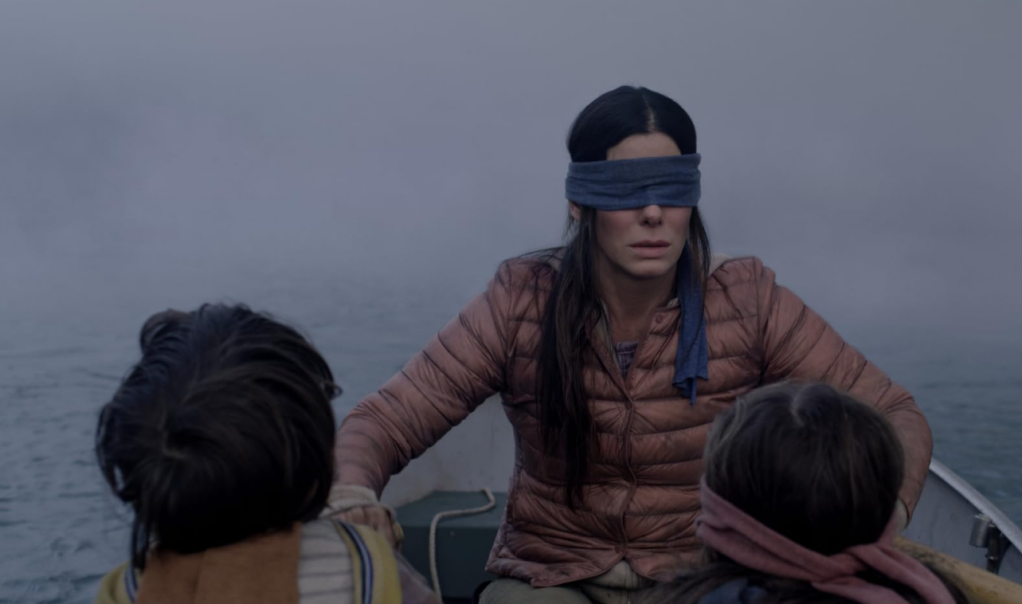
12. Bird Box (2018)
The viral success of this Netflix original led to a "contrarian effect." Once the film became a massive pop-culture moment, it became trendy to dissect its plot holes with an intensity rarely applied to other thrillers. The hype cycle, rather than the film itself, dictated the negative narrative.
13. Pulp Fiction (1994)
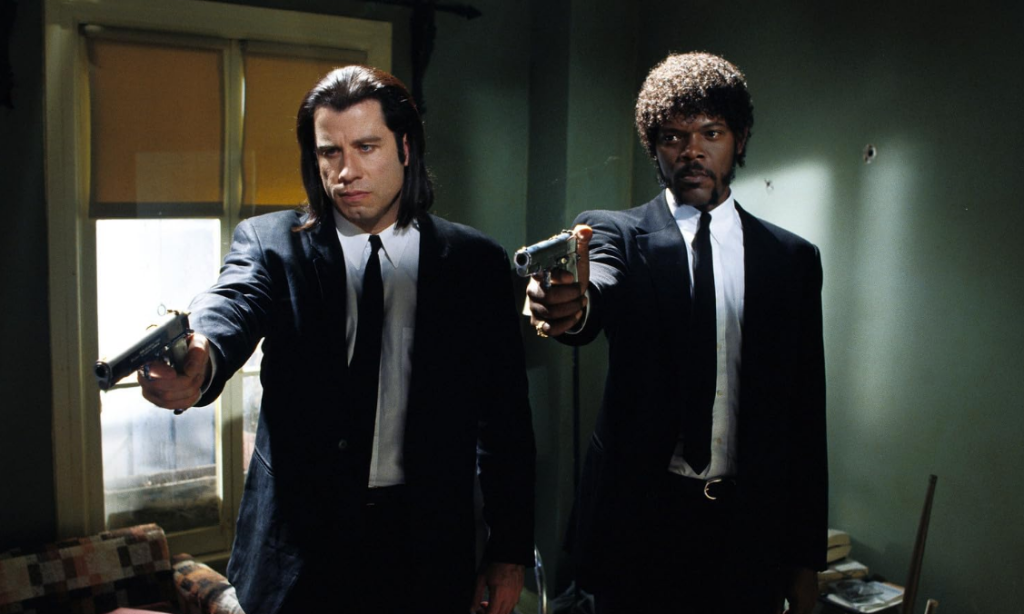
Even Quentin Tarantino’s magnum opus has its detractors who label it “overrated.” This is a classic case of “backlash to the backlash.” Once a film achieves near-universal acclaim, a subset of the population inevitably begins to criticize it simply to differentiate themselves from the mainstream consensus.
14. Joker (2019)
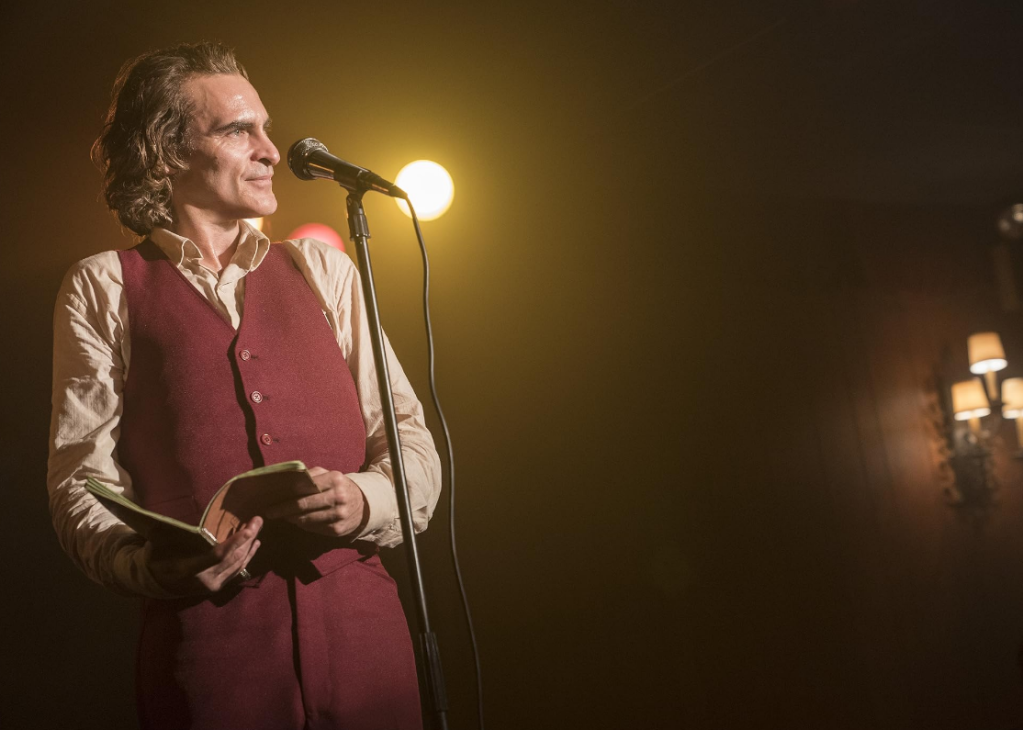
While Joker was a massive success, it faced intense scrutiny for its perceived lack of originality, with critics drawing heavy parallels to The King of Comedy. This ignored the film’s unique psychological depth and Joaquin Phoenix’s transformative performance, which served to elevate the source material beyond mere imitation.
15. The Little Mermaid (2023)
Much like Ghostbusters, the criticism of this live-action remake was overwhelmingly external. The discourse was dominated by culture-war talking points regarding casting, effectively preventing the film from being evaluated on its own merits as a musical fantasy.
Supporting Data: Why "Hate" is Often Inaccurate
When analyzing the gap between critic scores and audience satisfaction (or long-term legacy), we see a trend: the films that endure are often those that polarized critics upon release. For instance, The Thing and Blade Runner both saw their Rotten Tomatoes scores rise significantly as retrospective reviews replaced initial, reactionary ones.
Data shows that “hate” in the digital age is often localized. A small, vocal minority can amplify negativity, creating an illusion of consensus where none exists. In many of the cases listed above, the "hate" was a product of the echo chamber rather than the theater.
Official Responses and Industry Implications
The film industry has taken notice of this trend. Many directors, including Paul Verhoeven and Rian Johnson, have addressed the "misunderstanding" of their work. Verhoeven, in particular, has often noted that his satirical intent was meant to be uncomfortable, and that if the audience felt "hated" by the film, the film was doing exactly what it was designed to do.
From a business perspective, studios are now more cautious about marketing campaigns that might trigger such backlash. However, the implication for art is significant: if creators fear the "hate" cycle, they may become less inclined to take risks. A culture that prematurely condemns works for being "different" risks a future of homogenized, safe, and derivative cinema.
Conclusion: The Virtue of Patience
History has proven that the initial reaction to a film is rarely the final word. Cinematic merit is not a static quality; it is discovered, negotiated, and often validated by time. As viewers, the challenge is to separate our initial, emotional reactions from the work on the screen.
Whether it is the misunderstood satire of Starship Troopers or the bold aesthetics of Speed Racer, these films stand as testaments to the fact that "hate" is often just a temporary barrier to appreciation. By looking past the noise, we allow ourselves to discover the true value of the art, independent of the, at times, irrational tides of public opinion.











No comments yet. Be the first to join the conversation!