

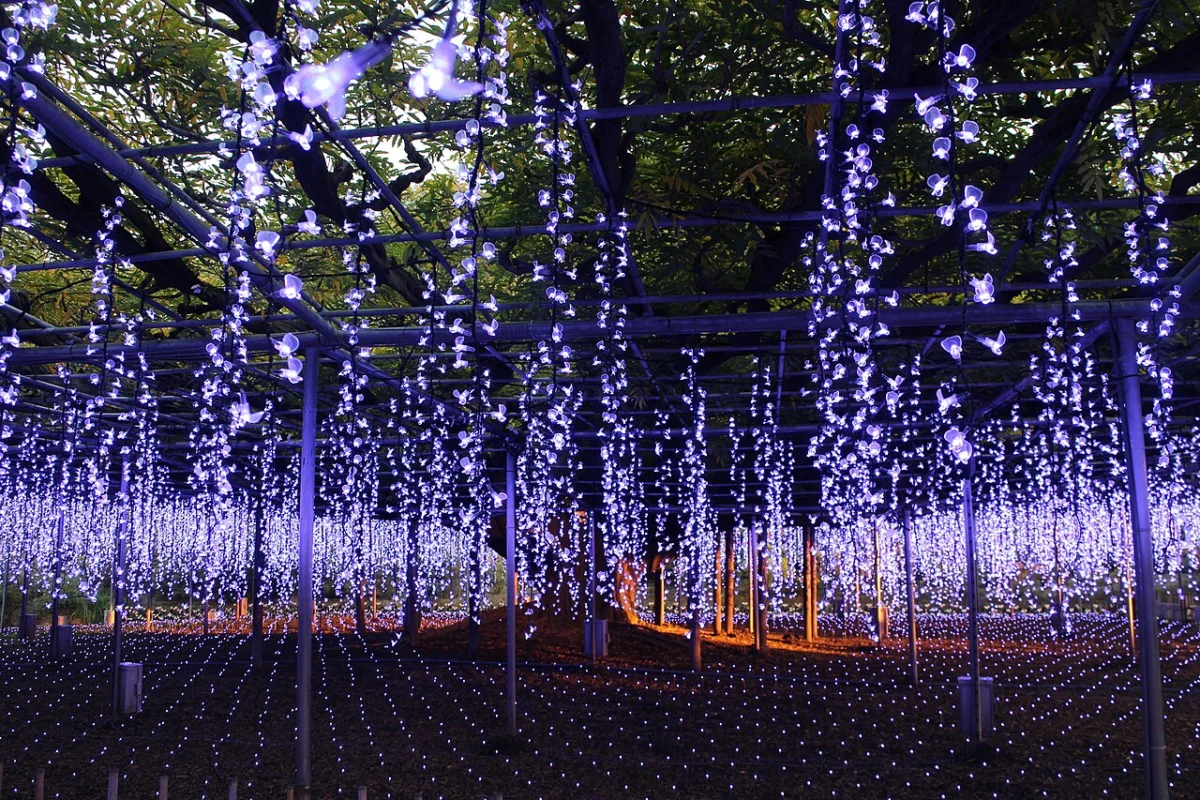
In the southern reaches of Tochigi Prefecture, where the rhythmic pulse of modern Japan often yields to the quieter, more deliberate pace of regional suburban life, lies a geographic curiosity: the Sakasagawa. Its name—translated as “backward-flowing river”—carries a dramatic weight that the waterway itself purposefully avoids. While it is a mere four-kilometer tributary of the Watarase River system, the Sakasagawa has become a focal point for those seeking the authentic, unvarnished side of Ashikaga. It is not a place of neon lights or bustling tourist hubs, but rather a gentle artery that reveals the heart of a city often overlooked by international guidebooks.
Main Facts: The Geography of the Sakasagawa
The Sakasagawa derives its name from a simple topographical reality: while the primary Watarase River flows southward, the Sakasagawa’s current runs north, feeding into the larger system. This minor hydrological anomaly has turned the stream into a local landmark of sorts, albeit one that maintains a strictly low profile.
The waterway serves as a green corridor through Ashikaga’s residential and agricultural districts. It is characterized by an unpaved-to-semi-paved footpath that follows the northern bank along a flood-control levee, sitting roughly two to three meters above the water line. The walk is entirely flat and requires no specialized hiking gear, making it an accessible route for all ages. However, visitors should note the lack of modern "tourist" infrastructure: there are no cafés, public restrooms, or vending machines along the path. It is a space designed for walking, reflection, and quiet observation rather than commercial consumption.
Chronology: The Seasonal Pulse of the Stream
The Sakasagawa is not static; it undergoes a distinct transformation with each turn of the calendar. Understanding this rhythm is essential for any prospective visitor.
Spring: The Cherry Canopy
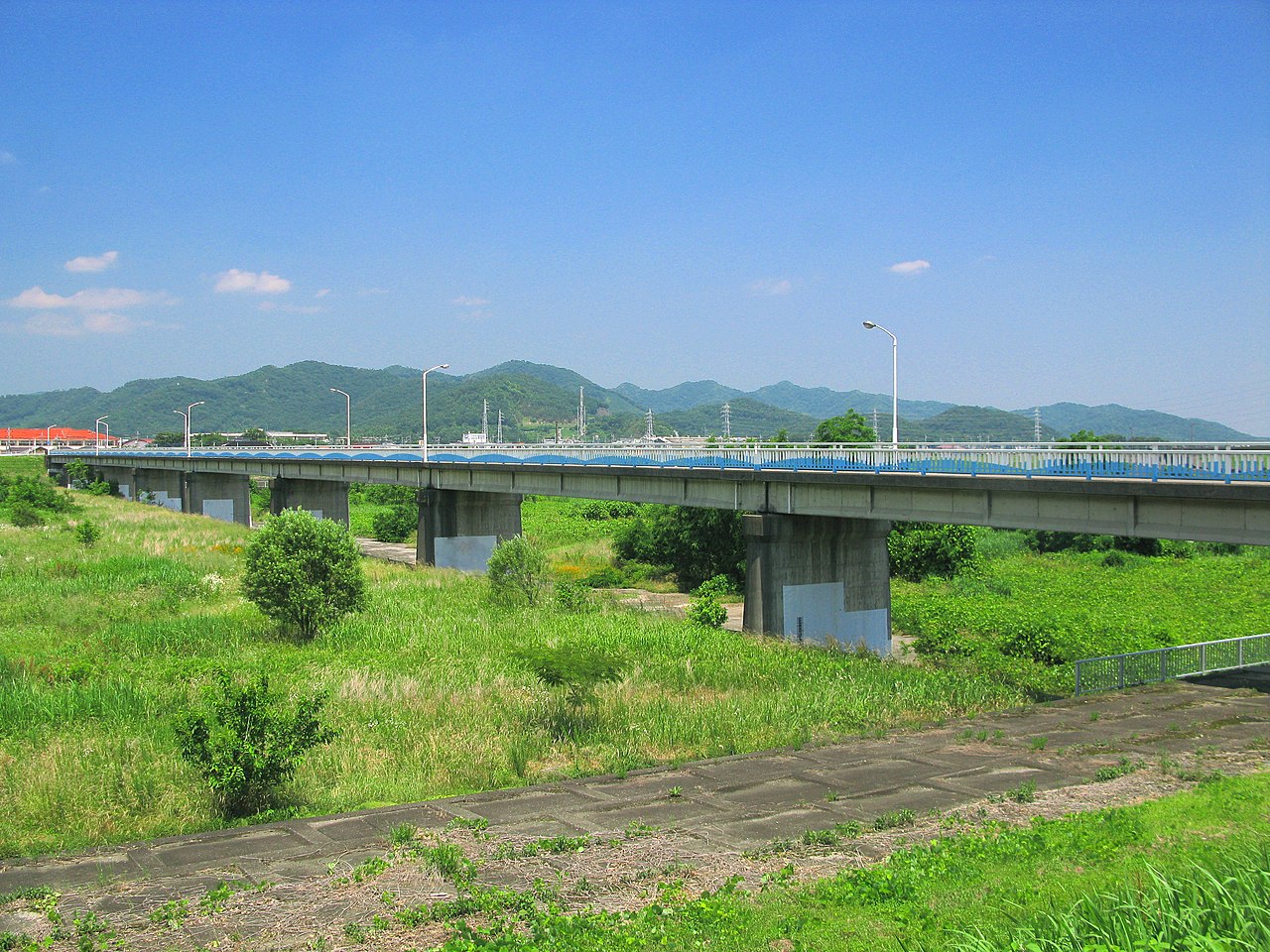
From late March to early April, the Sakasagawa transforms into one of Tochigi’s best-kept secrets. Planted in the 1960s as part of a municipal beautification initiative, approximately 200 somei-yoshino cherry trees line the central section of the levee. As they reach peak bloom—typically between March 28 and April 8—they form a continuous, ethereal canopy. Unlike the crowded parks of Tokyo or Kyoto, the Sakasagawa in spring remains the domain of local families and long-term residents, offering a serene, intimate hanami experience.
Summer: Lush Greenery and Bioluminescence
June through August brings a vibrant, lush aesthetic, but it is a season for the prepared. Temperatures in Ashikaga often climb to 35°C (95°F) with high humidity, and the lack of shade along the levee can be challenging. However, the upper reaches of the river offer a hidden reward: for a brief window in mid-June, fireflies emerge in the quiet vegetation, turning the stream into a flickering landscape of bioluminescence.
Autumn: The Quiet Transition
As the temperatures cool from mid-October through November, the landscape shifts to the warm hues of zelkova and maple. This is arguably the most tranquil period of the year. On a weekday afternoon, a walker might traverse the entire length of the river without encountering another soul, making it an ideal destination for those seeking a meditative escape.
Winter: The Stark Beauty
The winter months (December–February) offer a raw, minimalist experience. While the Sakasagawa is too shallow and slow-moving to freeze, the banks become sparse and exposed. It is a time of stark, high-contrast vistas, perfect for photographers who appreciate the melancholic beauty of a quiet Japanese winter.
Supporting Data: Integrating into the "Flower Walking Course"
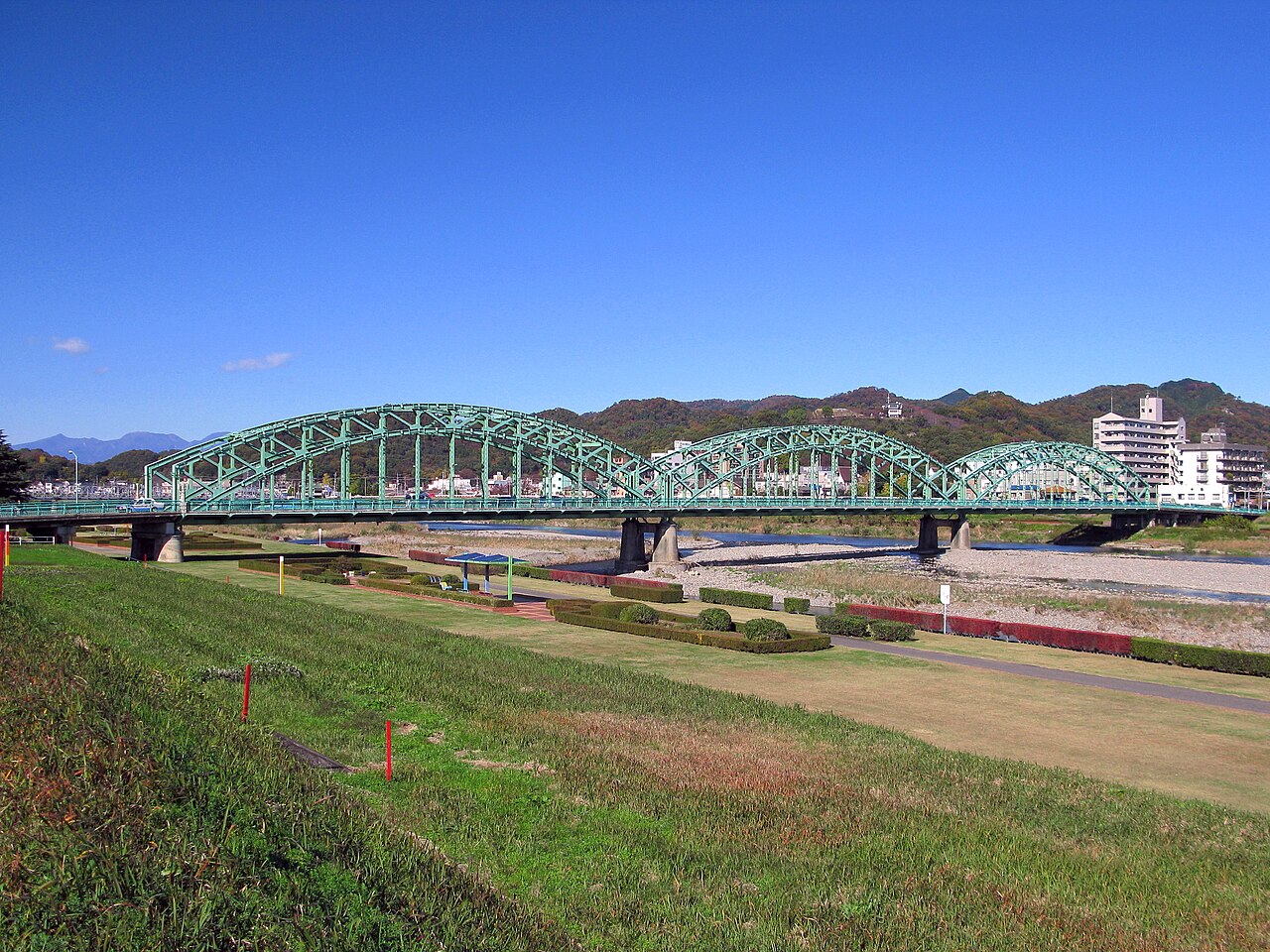
The Sakasagawa path is an integral component of the municipal "Flower Walking Course" (Hana no Walking Course), a 10-kilometer network designed by the Ashikaga tourism board. This broader loop connects the city’s scattered parks, temples, and riverside landmarks.
The Major Nodes of the Loop:
- The Sakasagawa Corridor: The northern pastoral anchor of the walk.
- The Watarase Riverbank: Offering expansive views and a more urban, open feel.
- The Banna-ji Temple Precinct: The cultural heart of the city, located in the central district.
- Orihime Shrine: A stunning hilltop shrine known for its matchmaking legends and panoramic views of the Kanto Plain.
- The Ashikaga School: The oldest educational institution in Japan, providing a deep historical counterpoint to the natural scenery of the river.
While the full 10-kilometer loop is a rewarding half-day endeavor, most visitors find that dedicating 90 minutes to the Sakasagawa segment, followed by a transition into the historic center for lunch and temple hopping, provides a more balanced and fulfilling itinerary.
Official Responses and Municipal Management
The Ashikaga City Municipal Works Department manages the upkeep of the Sakasagawa, focusing on flood control and basic path maintenance. The city has intentionally avoided over-commercializing the route, favoring its role as a functional, community-centric space.
According to municipal tourism guidelines, the lack of English signage is not an oversight, but rather a reflection of the area’s local focus. The city encourages visitors to utilize digital mapping tools—such as Google Maps or offline-capable apps like Organic Maps—to navigate the residential stretches. There is a general consensus among local planners that the "authentic" appeal of the river is tied to its status as a non-destination, and they advocate for respectful tourism that integrates into, rather than disrupts, the local lifestyle.
Implications: Why the Sakasagawa Matters
The existence of the Sakasagawa walk carries broader implications for the future of regional tourism in Japan. As domestic and international travelers become increasingly fatigued by the overcrowding in "Golden Route" cities, there is a growing market for what is often termed "micro-tourism."
The "Real Japan" Experience
For solo walkers, writers, and photographers, the Sakasagawa provides a specific register of "real Japan" that is increasingly difficult to find. It is a place where one observes the mundane—school-age children cycling to practice, neighbors walking their dogs, and the rhythmic tending of small vegetable gardens. These interactions, however fleeting, offer a profound sense of place.
Economic and Cultural Sustainability
By promoting walks like the Sakasagawa, the city of Ashikaga is effectively diversifying its tourism footprint. It encourages visitors to linger in the city for a full day or an overnight stay, rather than rushing through the Ashikaga Flower Park and immediately departing. This shift supports local businesses, including the traditional sobanomi soba (buckwheat-groat noodle) shops and regional produce vendors, who thrive on the patronage of those who take the time to explore the city’s periphery.
A Note on Accessibility and Ethics
The path is dog-friendly, reflecting the neighborhood nature of the area. However, visitors are reminded that this is not a public park in the Western sense, but a working flood-control levee. Respect for local residents, adherence to leash laws, and a commitment to "leave no trace" are the expected standards.
Practical Itinerary Suggestions
For those planning to visit, the most efficient approach is to start at the northern Ishibashi-cho end, accessible via a short taxi or local bus ride from JR Ashikaga Station. This allows the walker to drift downstream, ending the journey near the city’s commercial center, where a variety of local restaurants await.
Essential Tips for the Walker:
- Hydration: Since there are no vending machines on the route, arrive prepared.
- Footwear: While the terrain is flat, the path is often gravel or grass. Ankle-high walking shoes are highly recommended, particularly after rainfall.
- Timing: In the summer months, strictly avoid the midday sun. Early mornings (6:00 AM – 8:00 AM) are the most comfortable and offer the best light for photography.
- Cultural Etiquette: A polite nod or a simple “Konnichiwa” to locals encountered along the path is highly appreciated. It bridges the gap between the visitor and the community, reinforcing the friendly, welcoming atmosphere of the region.
Conclusion: Is it Worth the Detour?
The Sakasagawa is not for the tourist who seeks high-octane thrills or global landmarks. If your time in Tochigi is limited to a single afternoon, prioritize the Banna-ji Temple or the Ashikaga Flower Park. However, if you are a "completionist" seeking to understand the fabric of Japanese regional life, or if you simply need an hour of silence away from the digital noise of the modern world, the Sakasagawa is an invaluable asset.
It remains a humble testament to the beauty of the everyday. In a country that often markets its most spectacular assets, the Sakasagawa stands out precisely because it does not try to impress. It simply flows, quietly and stubbornly, toward its own horizon—and for those who walk its banks, that is more than enough.












No comments yet. Be the first to join the conversation!