Asep Darmawan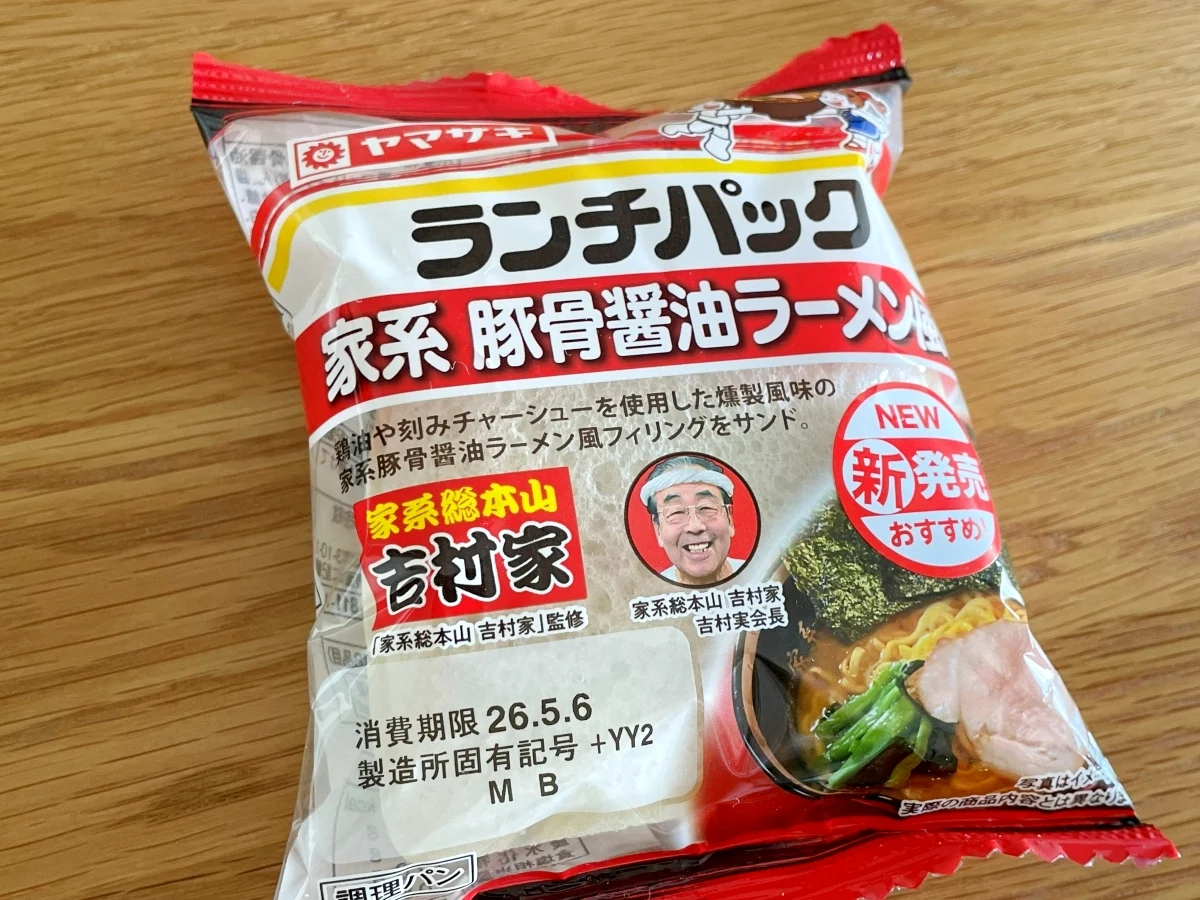
In the ever-evolving landscape of Japanese convenience store innovation, few brands command as much cultural attention as Yamazaki Baking. Its "Lunch Pack" series—the ubiquitous, crustless, square sandwich pockets filled with everything from peanut butter to tuna mayonnaise—has become a global symbol of Japanese snack ingenuity. However, the brand’s latest limited-edition release, the "Iekei Tonkotsu Shoyu Ramen Style" sandwich, serves as a stark reminder that some culinary boundaries are perhaps better left uncrossed.
While the marriage of noodles and bread is a daring experiment in fusion, our recent hands-on analysis suggests that while the concept is ambitious, the execution leaves the palate searching for the authentic, soul-warming richness that defines the legendary Iekei style.
Main Facts: A Convergence of Two Worlds
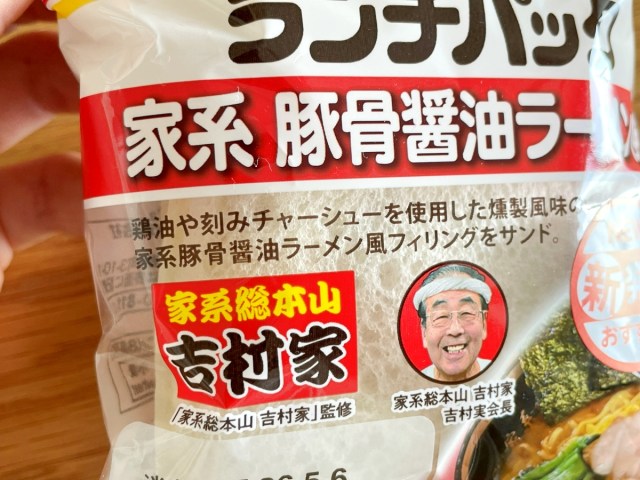
The "Iekei Tonkotsu Shoyu Ramen Style" sandwich is a collaborative effort between Yamazaki Baking and the legendary ramen institution, Yoshimuraya. For those uninitiated in the world of Japanese noodle culture, "Iekei" (literally "house/family style") is a distinct category of ramen that originated in Yokohama in 1974. It is defined by its robust, creamy tonkotsu (pork bone) and shoyu (soy sauce) broth, often accented by a heavy hand of chicken oil (chiyu) and thick, straight, chewy noodles.
This release represents the fourth iteration of this specific collaboration, with previous versions appearing in 2016, 2019, and 2021. The product is currently being distributed across the Kanto region, including Tokyo, Nagano, and parts of Shizuoka, with a limited sales window running from May 1 through the end of June.
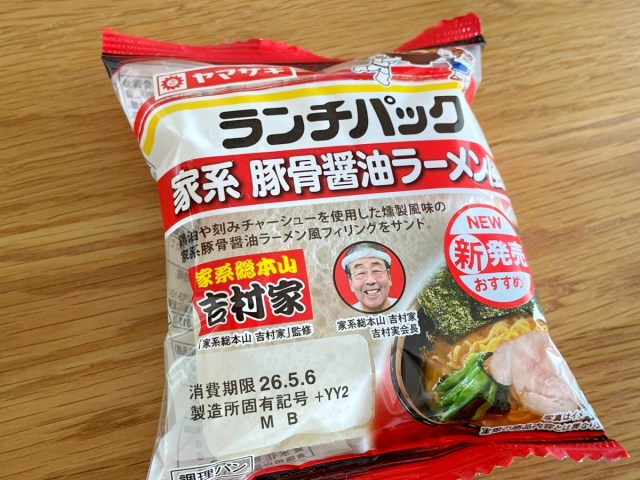
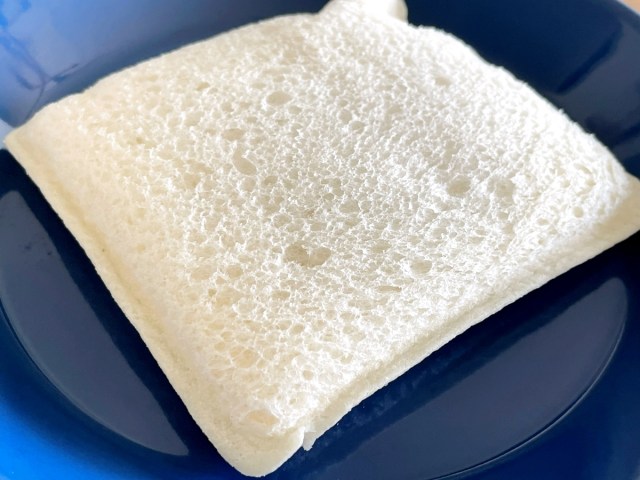
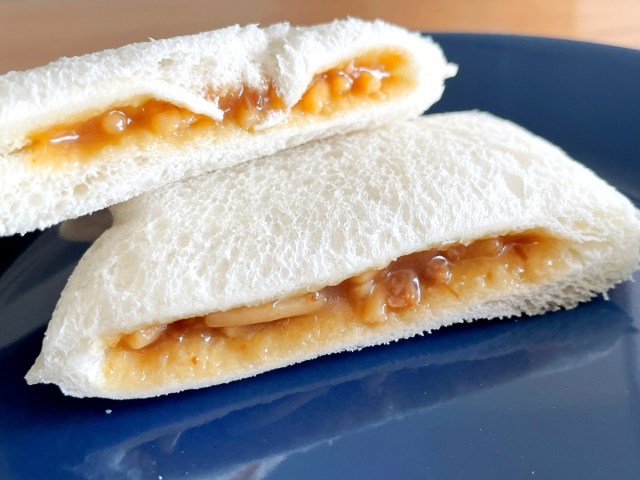
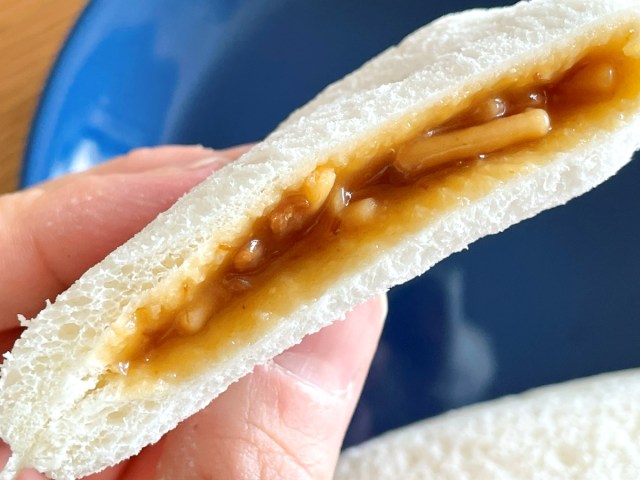
At a glance, the product mimics the standard aesthetic of a Lunch Pack: two pieces of soft, white bread crimped at the edges. The surprise, however, lies within. Upon dissection, the sandwich reveals a dense, saucy center packed with truncated, thick-style noodles and finely minced char siu pork, designed to emulate the essential components of a bowl of Yoshimuraya ramen.
Chronology: A History of Culinary Audacity
Yamazaki Baking has built its reputation on the "Lunch Pack" line by pushing the boundaries of what can be safely encased in bread. The brand’s history is a timeline of culinary curiosity:
- 1984: The original Lunch Pack is launched, focusing on staples like strawberry jam and peanut butter.
- 2010s: The line shifts toward "savory" meals, including curry, napolitan pasta, and hamburger fillings.
- 2016: The inaugural Yoshimuraya collaboration introduces the Iekei concept to the sandwich aisle, sparking significant public interest.
- 2019 & 2021: Subsequent iterations are released, refining the recipe to better capture the "umami" profile of the original shop.
- May 2026: The current iteration hits shelves, promising an even closer approximation of the Yokohama original.
Despite the frequency of these releases, the reception remains polarizing. While the initial novelty drives high sales volume during the first weeks of release, long-term consumer feedback has often hovered between genuine appreciation for the convenience and frustration regarding the lack of flavor depth.
Supporting Data: Dissecting the Sensory Experience
When evaluating a product that purports to translate a liquid-based, hot dish into a cold, handheld snack, the sensory experience is critical. Our analysis of the 2026 iteration revealed a significant gap between expectation and reality.
The Flavor Profile
The most immediate issue is the sauce. A traditional Iekei bowl is characterized by a "punchy" saltiness and the slippery, savory mouthfeel of chicken oil. In this iteration, the sauce leans heavily into a sweet, teriyaki-adjacent profile. This sweetness effectively masks the complex, savory pork-bone notes that define the Iekei style.
Texture and Mouthfeel
Texture is arguably the greatest hurdle in any noodle-based bread product. The bread is appropriately soft, but the noodles—forced to be "short-cut" to fit within the crustless pocket—lack the necessary "snap" or elasticity of fresh, boiled ramen noodles. Furthermore, the inclusion of finely chopped char siu fails to provide the textural contrast of a tender, thick slice of pork.
The Ingredient Paradox
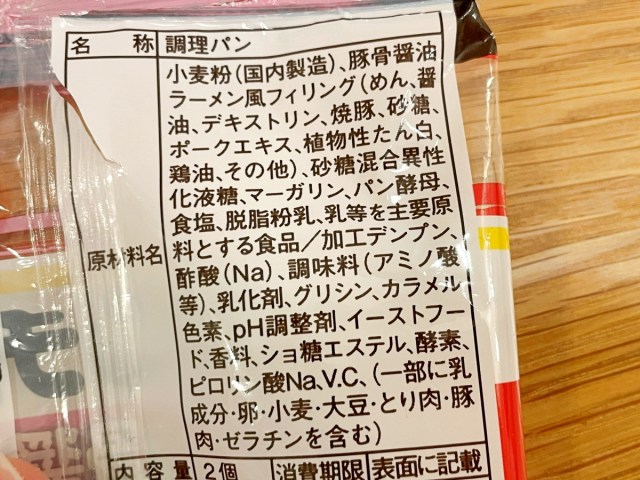
Interestingly, the ingredient list does include chiyu (chicken oil), a hallmark of the Iekei style. However, in the context of the sandwich’s overall composition, this ingredient is entirely lost. It is a classic case of an "ingredient on paper" versus "experience on the palate." The oil fails to emulsify with the sauce in a way that provides that characteristic rich coating, leading to a flat, one-dimensional experience.
Official Responses and Industry Context
While Yamazaki Baking has not released a formal statement regarding the specific flavor profile of the 2026 batch, company representatives have historically defended the Lunch Pack series as "an exploratory gateway to regional flavors." The strategy is not necessarily to recreate a perfect bowl of ramen, but to provide a "reminder" or "evocation" of the style.
Industry analysts suggest that these collaborations are less about replacing a meal and more about "brand synergy." By partnering with high-profile restaurants like Yoshimuraya, Yamazaki keeps the Lunch Pack brand feeling fresh and relevant, even when the product itself results in a lukewarm reception from purists.
Implications: The Psychology of the Craving
Perhaps the most fascinating aspect of this sandwich is its unintended psychological effect. Rather than satisfying the hunger for a bowl of Iekei ramen, the sandwich acts as a catalyst.
Because the sandwich "hints" at the flavors of ramen without fully delivering on them, it leaves the consumer with a lingering, unfulfilled craving. In a marketing sense, this is a brilliant, if accidental, success. After the final bite, the consumer is significantly more likely to seek out an actual Iekei ramen shop to compensate for the "blurred and distant" flavor experience of the sandwich.
Recommendations for the Consumer
If you are planning to test this latest release, approach it with tempered expectations. It is not a substitute for a bowl of piping hot noodles. Instead, view it as a curiosity—a "mysterious savory bread" that offers an interesting, albeit non-traditional, flavor journey.
We strongly advise checking for an authentic Iekei ramen shop in your immediate vicinity before consuming. If the sandwich falls short—which, for the true enthusiast, it likely will—you will want the immediate remedy of a genuine bowl of tonkotsu shoyu broth.
Ultimately, the 2026 Iekei Lunch Pack is a testament to the spirit of experimentation in Japanese retail. While it may not be a culinary triumph in the traditional sense, it remains a fascinating example of how far a brand will go to challenge the boundaries of our daily bread. It is a reminder that in the world of fusion, the journey is often more important than the destination, even if that destination is just a slightly disappointing, yet undeniably unique, lunch.


 Neng Nana
 Asro
Asro