Nila Kartika Wati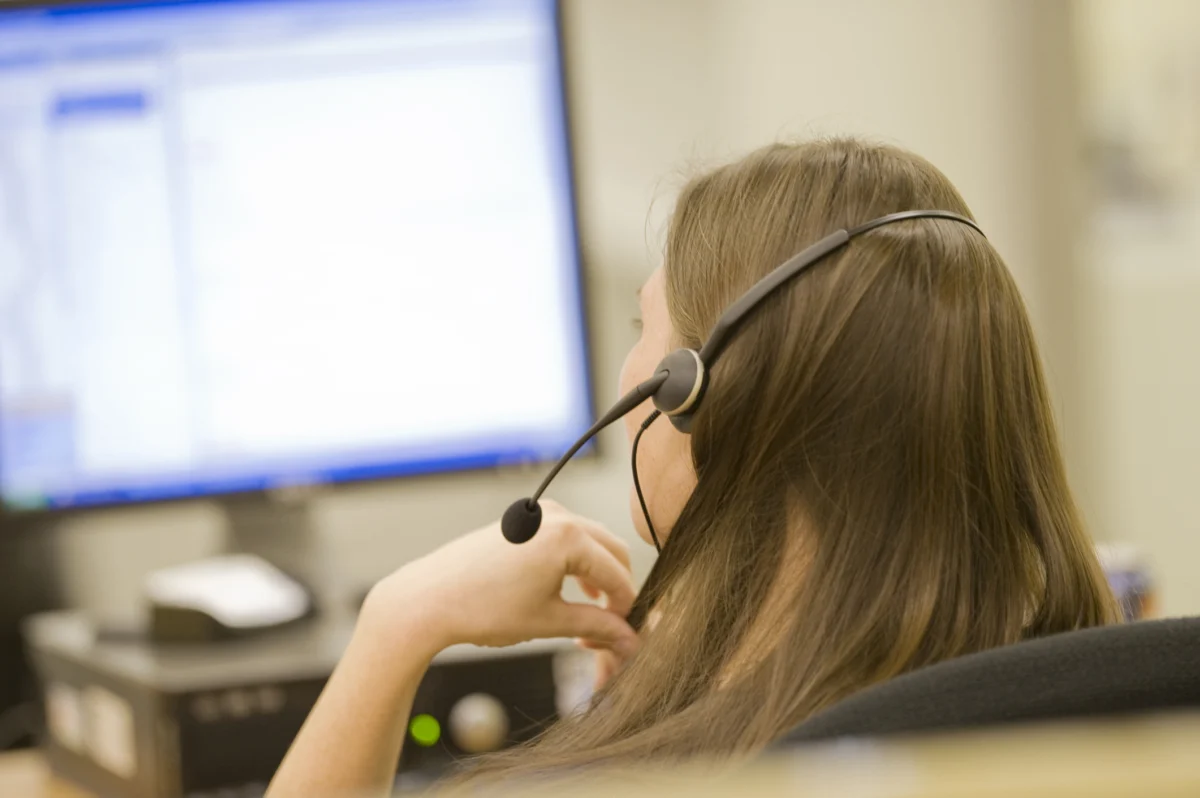
The quietude of the traditional open-plan office—a landscape once defined by the rhythmic clatter of mechanical keyboards and the hushed tones of intermittent conversation—is undergoing a radical, sonic transformation. As artificial intelligence integrates deeper into our professional workflows, a fundamental shift is occurring in how we interface with our machines. Typing, the cornerstone of human-computer interaction for decades, is increasingly being bypassed in favor of voice-to-text dictation and AI-driven conversational programming.
This shift, catalyzed by sophisticated tools like Wispr and the rise of "vibe coding," is forcing a collision between cutting-edge efficiency and the social realities of the modern workplace. As professionals trade their keyboards for microphones, offices are beginning to sound less like hubs of focused, silent work and more like high-octane sales floors.
The New Frontier: Voice-First Computing
The integration of advanced dictation software into daily workflows marks a departure from the "keyboard-first" era of computing. Today, developers and knowledge workers are utilizing AI tools that transcribe speech into complex code or detailed documentation with near-perfect accuracy.
The appeal is clear: speed. For power users and software engineers, dictation allows for a flow state that is often interrupted by the mechanical limitations of physical typing. By connecting voice inputs to "vibe coding" tools—AI systems that generate software through natural language prompts—professionals can now build applications, draft emails, and manage project lifecycles simply by speaking to their devices.
However, this transition is not without friction. While the productivity gains are measurable, the behavioral changes required to accommodate voice-first workflows are causing significant social ripples, raising questions about office etiquette, privacy, and the nature of shared professional spaces.
Chronology of the Shift: From Keyboard to Microphone
The transition toward voice-first computing has not occurred overnight. It is the culmination of years of iterative progress in speech recognition technology.
- 2010–2018: The Era of Convenience. Dictation was largely relegated to accessibility tools or quick mobile texts. Siri and Alexa introduced the public to voice commands, but the technology was rarely used for complex professional tasks.
- 2020–2022: The Remote Work Catalyst. During the pandemic, the normalization of video conferencing and remote work encouraged people to become comfortable speaking to their screens for hours at a time.
- 2023–Present: The Rise of AI Agents. With the advent of Large Language Models (LLMs) and specialized voice-to-code interfaces, the latency and error rates of dictation tools dropped significantly. Suddenly, speaking to a computer became a viable alternative to typing code or long-form analysis.
- Late 2024: The "Whispering Trend." High-profile figures, including Gusto’s Edward Kim and various Silicon Valley entrepreneurs, have publicly adopted voice-first workflows, sparking a debate on the necessity—and the annoyance—of constant office dictation.
Supporting Data: Efficiency vs. Distraction
The debate surrounding this trend is supported by anecdotal evidence from the front lines of the tech industry. Venture capitalists who visit startup hubs have noted a distinct change in the atmosphere. The "high-end call center" vibe is becoming a common descriptor for offices where teams of engineers are simultaneously narrating their work into high-fidelity microphones.
Gusto co-founder Edward Kim has been a vocal proponent of this transition. Kim has stated that he now types only when strictly necessary, preferring the speed of dictation. His internal messaging to his team suggests that he views this as the future of the office environment—a space that sounds more like a bustling sales floor than a quiet library.
Yet, the data on cognitive load and workplace harmony is mixed. While individual output may increase, the aggregate noise level of an office where everyone is speaking to their AI agent simultaneously could lead to a net decrease in focus for those around them. Studies on "ambient noise" in offices have historically shown that background chatter—even when productive—is one of the most significant detractors from complex cognitive tasks.
Official Responses and Perspectives
The industry is currently divided on whether this shift is a temporary quirk or the new status quo.
The "New Normal" Advocacy
Tanay Kothari, founder of Wispr, remains an optimist regarding the adoption of voice-first interfaces. Kothari argues that the initial awkwardness of talking to one’s computer in a public space is a temporary cultural hurdle. He draws a parallel to the early days of smartphones: "There was a time when people felt it was rude to pull out a phone in a meeting or stare at a screen for hours," Kothari explains. "Now, it is the fundamental way we interact with the world. Voice-first computing will follow the same trajectory of normalization."
The Skeptics and Social Realities
Not everyone is convinced that the office will adapt seamlessly. Even those who utilize the technology acknowledge the social friction. Mollie Amkraut Mueller, an AI entrepreneur, has provided a window into the domestic challenges of the "whispering" workflow. Her experience—having to move to separate rooms at home to avoid bothering her husband—highlights the spatial requirements of voice-first work. If workers need to retreat to private pods to dictate effectively, the "open office" may need to be redesigned entirely, replacing communal desks with sound-isolated booths.
Implications for the Future of Work
The rise of voice-first computing poses significant questions for corporate culture, design, and interpersonal dynamics.
1. The Death of the Traditional Open Office
If the office becomes a collection of individuals narrating their thoughts, the open-plan office—which relies on quiet or low-level ambient noise—becomes unsustainable. Organizations may need to invest in "acoustic architecture," prioritizing sound-dampening materials, white noise systems, or a return to private offices.
2. The Etiquette of the "Whispering" Economy
Professional etiquette will need to evolve. Is it acceptable to dictate in a meeting? Is it polite to "whisper-code" while sitting next to a colleague? As these tools become more prevalent, HR departments will likely have to issue guidance on "voice-first hygiene," potentially designating "dictation zones" similar to "quiet zones" on trains.
3. Mental Health and Cognitive Load
While dictation can increase throughput, it changes the cognitive process of writing. Thinking aloud is a different psychological process than the silent, deliberate act of typing. This may lead to faster, more reactive work, but it could also sacrifice the reflective, measured quality of traditional written communication.
4. The Digital Divide
There is a potential for a new kind of "digital divide." Those who are comfortable and articulate when speaking their thoughts may gain a competitive advantage over those who prefer the methodical, silent nature of typing. This could influence everything from hiring practices to performance evaluations.
Conclusion: A Sonic Evolution
The transition from keyboard to microphone is more than just a technological upgrade; it is a fundamental shift in the human-machine relationship. As we move toward a future where our computers are constant listeners, we are being forced to negotiate the boundaries of our private thoughts and our public professional spaces.
Whether the office of the future sounds like a bustling sales floor or a collection of isolated, whispering pods, one thing is clear: the era of the silent office is coming to an end. As with any technological leap, the tools will eventually outpace our social conventions. We are currently in the messy middle—a period where we must learn to balance the immense power of voice-activated AI with the simple, human need for a quiet, respectful environment.
As Wispr’s Tanay Kothari suggests, we may one day look back at the era of the keyboard as an inefficient, clunky period of history. But until that day arrives, the "whispering" pioneers of today will have to contend with the stares, the social friction, and the inevitable adjustments required to bring the future into the office.

 Muslim
 Siti Muinah