Dwi Wanna
The aesthetic direction of Apple’s software ecosystem has reached a pivotal juncture. Since the introduction of the "Liquid Glass" design language, users and critics alike have engaged in a heated debate regarding the balance between modern, high-fidelity visuals and fundamental functional clarity. As Apple prepares for its annual Worldwide Developers Conference (WWDC) on June 8, 2026, reports suggest the company is ready to acknowledge the shortcomings of its current interface, opting for a strategic refinement of the very design philosophy that has defined its latest operating systems.
The Core Conflict: Form Versus Function
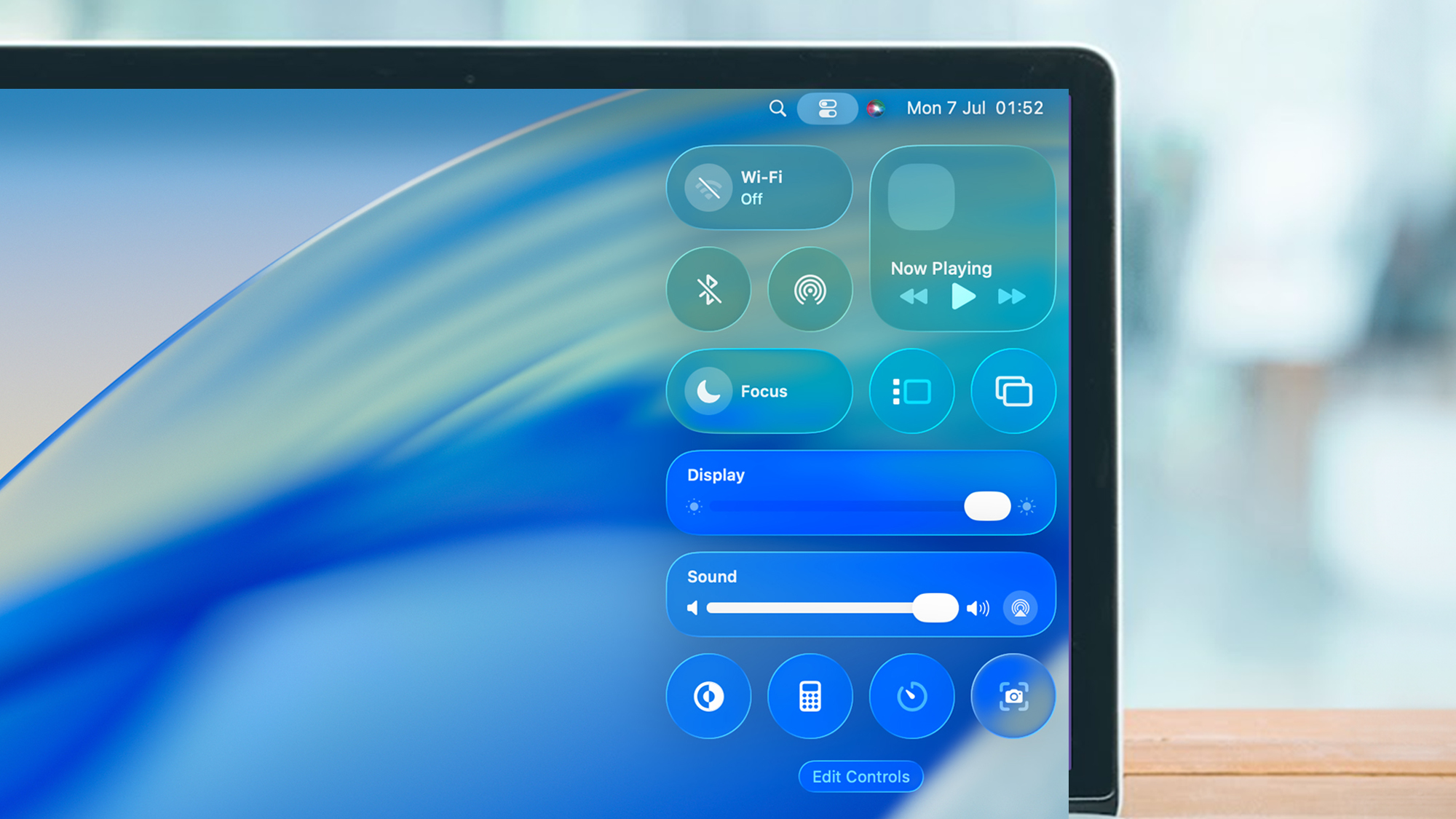
The "Liquid Glass" aesthetic, characterized by translucent layers, depth-focused shadows, and fluid motion, was intended to usher in a new era of immersive computing. However, in its current iteration within macOS 26, the implementation has been met with significant friction. Users have frequently cited issues with text readability, particularly in areas where dense information—such as file sidebars, utility menus, or long-form documents—clashes with the translucent, multi-layered background textures.
The problem, according to design analysts and industry insiders, is that the interface often prioritizes the "glassy" effect over the core mission of an operating system: the clear, unobstructed presentation of information. What was intended to be a sophisticated, modern visual experience has, in practice, created "interface confusion," leading to a sentiment that Apple’s engineering team may have prioritized style over the user’s cognitive load.
A Chronology of the Liquid Glass Saga
To understand the significance of the upcoming changes, it is necessary to look at the timeline of Apple’s recent design evolution:
- Late 2024: Rumors emerge regarding a "major overhaul" of the Apple visual language, aimed at unifying the experience across visionOS, iOS, and macOS.
- June 2025 (WWDC): Apple officially unveils "Liquid Glass" alongside macOS 26. The reception is initially positive, focusing on the fluidity and depth of the new windows, but quickly shifts as developers and power users note the impact on legibility.
- Late 2025: As macOS 26 sees wider adoption, feedback intensifies. Tech forums and accessibility advocates document specific instances where contrast ratios fall below acceptable standards due to the blurred, semi-transparent backgrounds.
- May 2026: Bloomberg’s Mark Gurman reports in his Power On newsletter that Apple’s internal teams are planning a "cleanup and refinement" effort for the upcoming software cycle.
- June 8, 2026 (Upcoming): Apple is scheduled to present macOS 27 at WWDC. This event is expected to serve as the platform for the corrected, more polished version of the current design.
The "Not-Completely-Baked" Admission
Perhaps the most telling aspect of the current situation is the unofficial acknowledgment from within Apple’s own ranks. Industry reporting suggests that the issues surrounding Liquid Glass are not necessarily a failure of the design vision itself, but rather a "not-completely-baked" implementation by the software engineering teams.
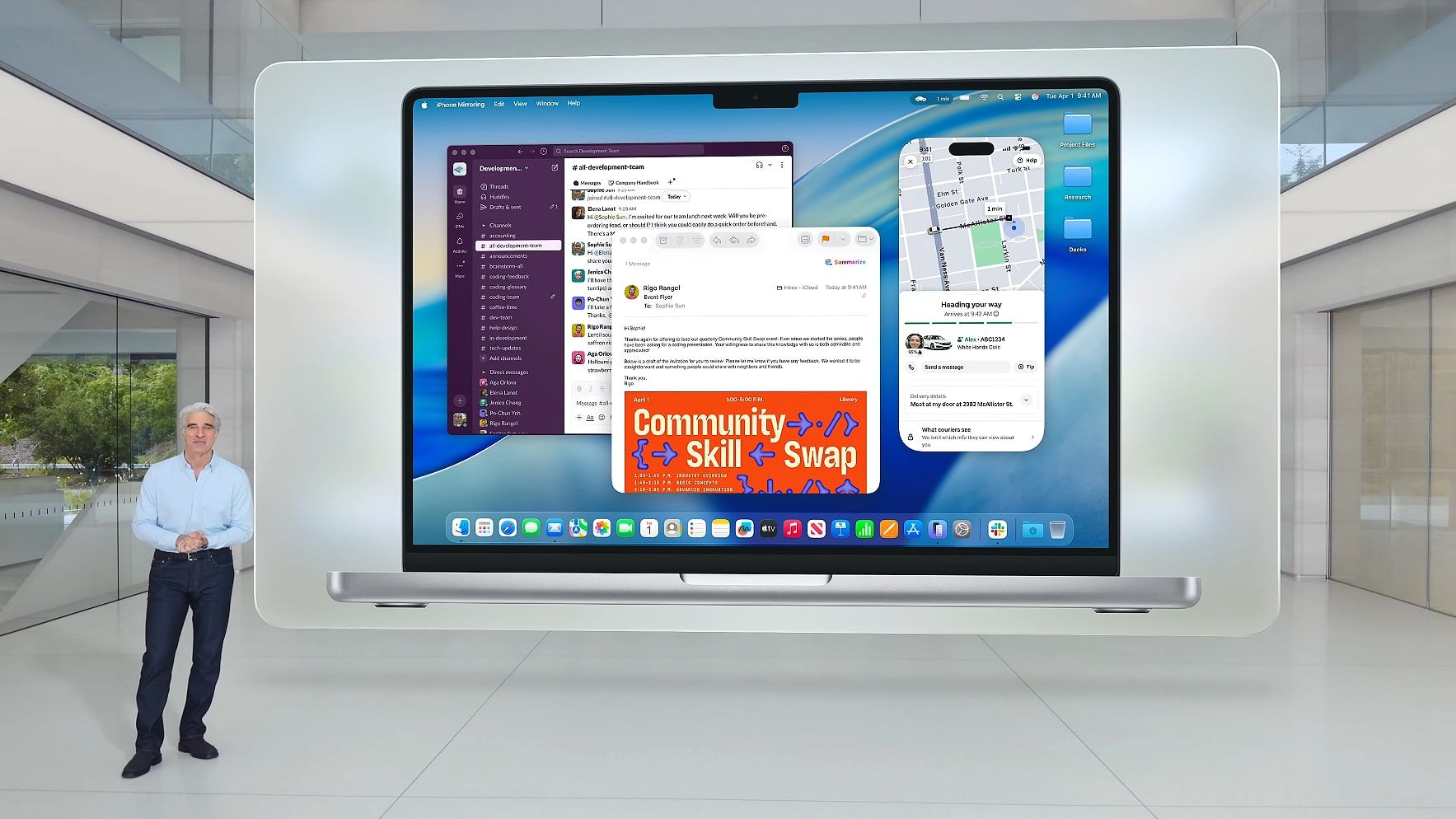
This distinction is crucial. It implies that the design language—the "Liquid Glass" concept—is not being discarded, but rather matured. The goal for macOS 27 is not to pivot to a new aesthetic, but to fulfill the promise of the original design by smoothing out the technical implementation. This involves recalibrating the way transparency is applied, tightening the control over shadows, and ensuring that text remains the primary focal point of any window.
For a company known for its rigid, almost obsessive attention to detail, this admission of a "not-completely-baked" rollout is rare. It highlights a tension between the need for rapid annual updates and the time required to perfect complex, high-fidelity visual effects.
Supporting Data and User Experience
The criticism of Liquid Glass is not merely anecdotal. User experience (UX) researchers have pointed to the importance of contrast in professional computing environments. When background textures are too vibrant or translucent, they create a visual "noise" that forces the human eye to work harder to distinguish foreground elements.
While Apple has not released internal data regarding the reception of macOS 26, the sheer volume of public discourse on platforms like Reddit, Twitter, and professional developer forums indicates a clear trend. The consensus is that while the UI is aesthetically pleasing in marketing materials, it can be fatiguing in an eight-hour workday.
The upcoming adjustments in macOS 27 are expected to target the following areas:
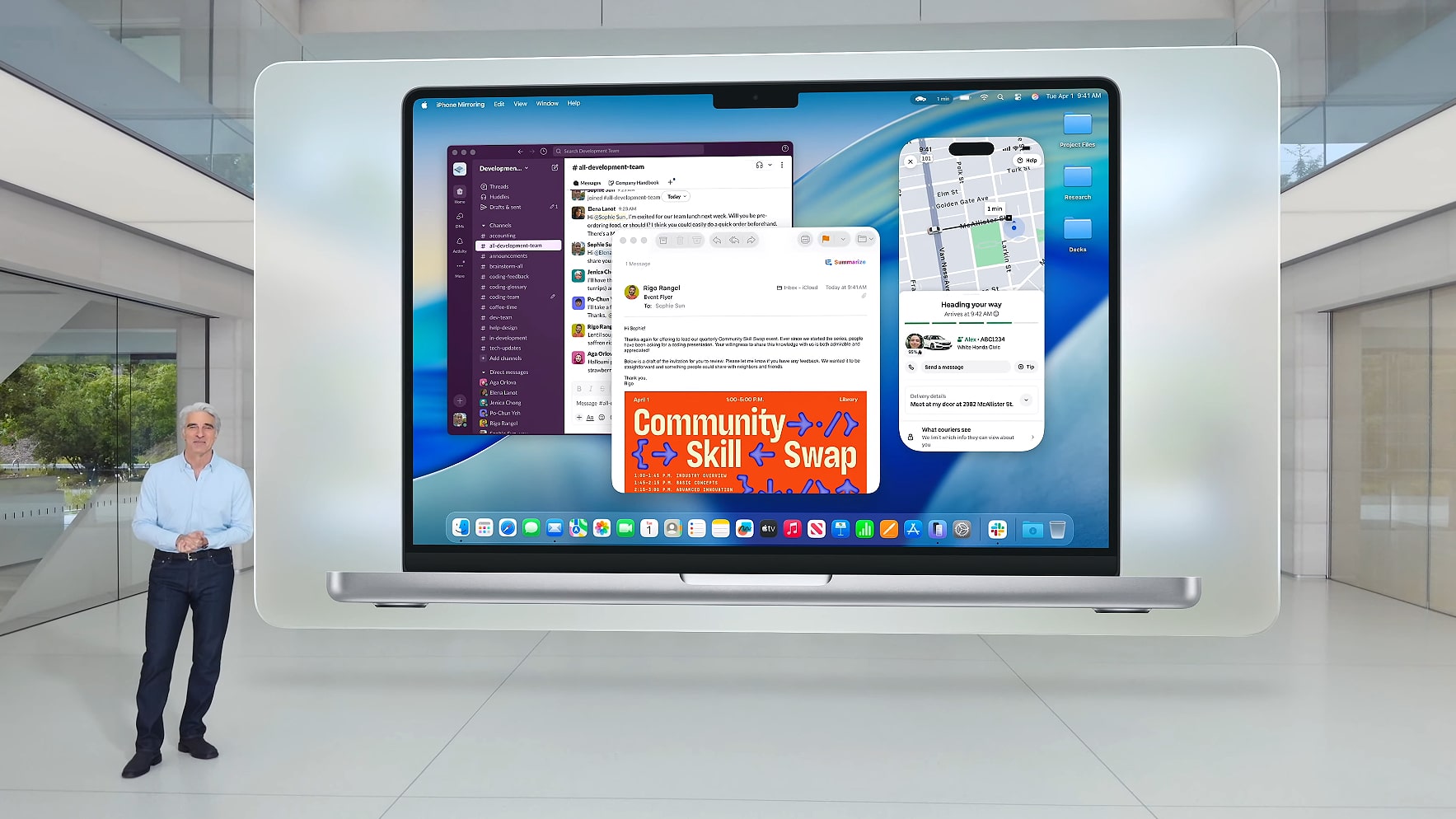
- Shadow Management: Reducing the intensity of the "glass" drop-shadows that currently muddy the edges of windows.
- Opacity Control: Implementing more intelligent, context-aware transparency that automatically increases opacity when the user is working with text-heavy applications.
- Contrast Ratios: Fine-tuning the font rendering and color saturation to ensure that text pops against the glass-like backdrops.
Implications for the Ecosystem
The decision to refine rather than retreat has broad implications for Apple’s broader product strategy. By committing to "Liquid Glass" for another cycle, Apple is signaling that it remains fully invested in its vision of a spatial and immersive computing environment.
This is particularly important given the company’s focus on the Apple Vision Pro and the integration of visionOS elements into the Mac experience. If Apple were to abandon Liquid Glass entirely, it would create a design rift between its desktop computing platform and its future-facing augmented reality hardware. By refining the design instead, Apple is ensuring a cohesive visual language that spans from the desktop to the face-mounted display.
Furthermore, this move aligns with a broader industry trend toward "software polish." After years of rapid-fire feature additions, there is a growing demand from both enterprise and individual consumers for stability and usability. The "27" series of operating systems—spanning macOS, iOS, and iPadOS—appears to be positioning itself as a "Year of Polish," prioritizing system health and interface ergonomics over flashy new features that may not have been fully tested.
The Role of Apple Intelligence
While the design changes are a critical focal point, they are not occurring in a vacuum. The 2026 software releases are also tasked with stabilizing the "Apple Intelligence" AI suite. The delays and early hurdles faced by Siri and the company’s generative AI features have been costly, both in terms of reputation and financial settlements.
The synergy between a clean, legible interface and a functional, reliable AI is the core challenge for Apple this year. If the company can successfully deliver a more "readable" macOS 27 alongside the much-anticipated, high-utility upgrades to its AI ecosystem, it will effectively quell the mounting criticism of its software quality control.
Conclusion: A Turning Point
The upcoming WWDC on June 8, 2026, will be a litmus test for Apple’s design leadership. The company is walking a tightrope: it must appease users who are frustrated by the lack of clarity in the current interface while maintaining the forward-looking vision that defines the Apple brand.
If the reported refinements to Liquid Glass prove effective, it will demonstrate that Apple is capable of listening to its user base without sacrificing its long-term aesthetic goals. However, if the changes fall short, the company may find itself facing a more fundamental reckoning regarding its software development lifecycle. For now, the tech world waits to see if the "glass" can truly become as clear as Apple’s design team intended.

 Iffa Jayyana
 Asep Darmawan