Jia Lissa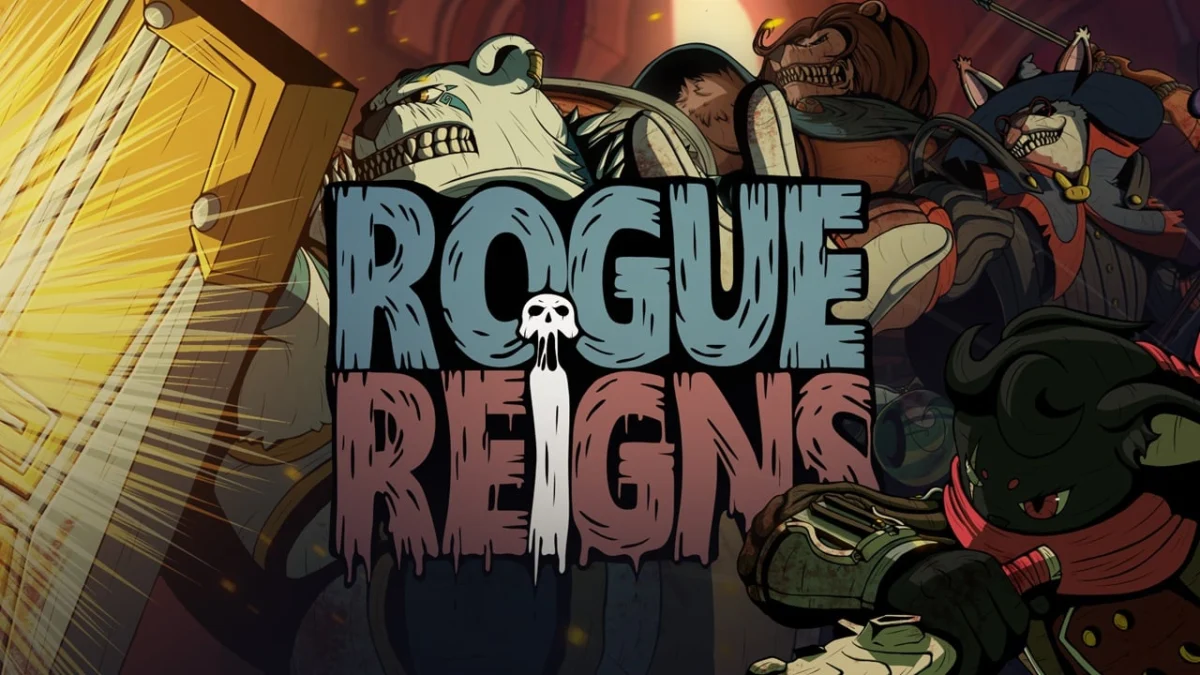
SÃO PAULO, BRAZIL – In an increasingly crowded landscape of digital card games, where static backdrops and menu-driven interfaces often define the genre, a new contender from Brazil is poised to redefine expectations. Venn Studios, an independent game development house based in São Paulo, has unveiled Rogue Reigns, a dark fantasy roguelike deckbuilder that promises a deeply animated, physically reactive world unlike most of its contemporaries. Set for a multi-platform launch in September 2026, Rogue Reigns has already garnered significant attention with its debut trailer, showcasing a unique blend of hand-drawn characters, procedural 3D environments, and a narrative steeped in internal conflict and moral ambiguity.
At its core, Rogue Reigns challenges players to manage a party of three unconventional heroes, each burdened by their past and driven by conflicting agendas. This innovative party system, coupled with a combat engine designed for intricate cross-character interactions and a persistent "Stalker" mechanic that actively hunts the player across the map, positions Rogue Reigns as a bold entry in the roguelike deckbuilder genre. The game’s commitment to visual fidelity and systemic gameplay is powered by Venn Studios’ proprietary "Wildcard engine," a bespoke technology crafted to bring its ambitious vision to life across PC (via Steam), Xbox Series X|S, PlayStation 5, Nintendo Switch, the anticipated Nintendo Switch 2, and mobile platforms (iOS and Android).
Unveiling a New Paradigm: Main Facts of Rogue Reigns
Rogue Reigns is the inaugural title from Venn Studios, a São Paulo-based indie developer, and it immediately distinguishes itself through its striking visual presentation. While most dark fantasy deckbuilders lean into static art and UI-heavy gameplay, Rogue Reigns presents a dynamic, almost tangible world. Its first gameplay trailer, which quickly circulated among gaming enthusiasts, reveals a vibrant yet muted color palette, exaggerated character designs, and fully animated cards that feel like an integral part of the unfolding combat rather than mere UI elements. The environments themselves are not passive backdrops but react dynamically during skirmishes, promising an immersive experience that blurs the lines between card game and action RPG.
The game’s narrative thrust revolves around a party system, a significant departure from the single-hero focus common in the genre. Players will command a trio of heroes, each possessing their own unique skills and, crucially, their own deeply flawed personalities. The core theme of Rogue Reigns is "imbalance," where every strategic decision and character interaction carries a moral weight, slowly eroding the well-being or integrity of someone within the party. This internal strife is personified by the game’s initial cast: a grieving bear, a guilty lion, a scheming cat, and a rabbit who "knows too much." Their individual growth often comes at the direct expense of another, forcing players to navigate a complex web of complementary abilities and clashing personalities.
Combat is designed to leverage these character dynamics, emphasizing cross-character interactions where one hero’s setup card might become another’s devastating finisher. Beyond the party’s internal struggles, an ever-present external threat looms in the form of the "Stalker" mechanic. This formidable creature actively tracks the party across the procedural map, compelling players to heed environmental warnings—like darkening skies or unusually quiet roads—to avoid perilous encounters. Runs are intended to be brutal, leaving players "scarred and stitched together," but the promise of multiple endings and intricately animated cards with handcrafted effects suggests a rich, replayable experience where choices truly matter.
A Journey to the Dark Fantasy Realm: Chronology of Development
The journey of Rogue Reigns began quietly within the creative confines of Venn Studios. While the exact founding date of the São Paulo-based indie studio is not publicly detailed, the ambition and polish evident in Rogue Reigns’ early presentation suggest a meticulous and dedicated development cycle that likely spans several years. The decision to build a proprietary engine, the "Wildcard engine," specifically for the game’s systemic gameplay and visual fidelity, indicates a long-term vision and a commitment to overcoming technical hurdles from the project’s inception. This is not a task undertaken lightly by a debut studio, speaking volumes about their confidence and technical prowess.
The first significant public milestone for Rogue Reigns was the release of its announcement trailer, which offered a tantalizing glimpse into its unique visual style and core gameplay loop. This trailer, shared widely across gaming news outlets and social media, served as the game’s official introduction to the global gaming community, immediately setting it apart with its dynamic animations and distinctive art direction. Following this initial reveal, Venn Studios also provided a more intimate look at their creative process with a developer commentary video, inviting potential players behind the scenes to understand the philosophy driving the game’s animation and design choices.
With the Steam page now live, allowing players to wishlist the title, and a Play Store listing anticipated soon, Venn Studios is steadily building momentum towards its ambitious September 2026 launch. This timeline suggests a significant period dedicated to refining gameplay, expanding content, and ensuring a robust multi-platform release. Over the next two years, players can likely anticipate further deep dives into specific mechanics, character reveals, potential beta testing phases, and more trailers showcasing the game’s evolving features. The September 2026 launch date itself positions Rogue Reigns as a major release for Venn Studios, marking their official debut on the global stage across a comprehensive array of gaming devices.
Deeper Into the Abyss: Supporting Data and Mechanics
The allure of Rogue Reigns lies not just in its initial visual impact but in the intricate tapestry of mechanics and narrative threads woven beneath its animated surface.
The Wildcard Engine: Powering a Dynamic World
Venn Studios’ decision to develop a proprietary engine, the "Wildcard engine," is a cornerstone of Rogue Reigns’ unique identity. Unlike off-the-shelf solutions, the Wildcard engine was "built specifically for systemic gameplay and stronger visual fidelity." This dedication means that every visual flourish, every environmental reaction, and every nuanced character interaction is deeply integrated into the game’s core systems. For instance, the concept of "environments react during combat" isn’t merely cosmetic; it suggests that tactical positioning or specific card plays might trigger changes in the battleground, opening new strategic avenues or creating hazards. Imagine a spell casting that cracks the ground, creating difficult terrain, or a powerful blow that shatters nearby objects, potentially altering cover or line of sight. This level of dynamic interaction promises a battlefield that feels alive and responsive to player actions.
Visually, the engine allows for the seamless integration of "hand-drawn characters with procedural 3D worlds." This fusion creates a distinctive aesthetic, where the charm and expressiveness of traditional 2D art meet the depth and scale of 3D environments. The "muted colors" contribute to the dark fantasy atmosphere, while "exaggerated character designs" lend a unique, almost fable-like quality to the cast. Crucially, the "fully animated cards with handcrafted effects" elevate the deckbuilding experience beyond mere UI elements. Each card isn’t just a command; it’s a visual spectacle, an animated tableau that enhances the immersion and impact of every played ability.
The Burden of Leadership: The Party System and Imbalance
The party system is perhaps the most innovative structural element of Rogue Reigns. Instead of focusing on a single hero and their deck, players command a trio, each with distinct abilities and, more importantly, complex personalities. The game’s central theme of "imbalance" is deeply embedded here: "every decision slowly ruins somebody on your team." This isn’t just about resource management; it’s about moral and emotional currency. Choosing to empower one character might leave another vulnerable, or a tactical decision that benefits the party as a whole might deepen the personal guilt of one member.
The character roster itself hints at these internal conflicts:
- A grieving bear: Perhaps prone to rage, seeking redemption, or driven by sorrow.
- A guilty lion: A leader figure burdened by past mistakes, potentially making self-sacrificing choices.
- A scheming cat: Driven by self-interest or a hidden agenda, their actions might benefit the party but always serve a deeper, personal goal.
- A rabbit who knows too much: A seemingly innocuous character whose knowledge could be a powerful asset or a dangerous liability, making them a target or a manipulator.
Their skills are designed to "complement each other," creating strategic synergies, but their "personalities definitely don’t." This dynamic ensures that decision-making extends beyond optimal card plays to include managing interpersonal conflicts and long-term character arcs. The concept that "one character’s growth comes directly at another’s expense" suggests a system of trade-offs, where pushing one hero’s narrative or power level might lead to detrimental effects on another, forcing players to make difficult, morally ambiguous choices that impact the party’s cohesion and ultimate fate.
Tactical Depth: Combat and the Stalker Mechanic
Combat in Rogue Reigns is designed to be highly interactive and strategic. The emphasis on "cross-character interactions" means that the game moves beyond simple attack-and-defend mechanics. The idea that "one hero’s setup card becomes another hero’s finisher later in the fight" implies a carefully orchestrated dance of abilities. Players will need to think several turns ahead, using one character’s actions to create openings or enhance the power of another’s subsequent move. This encourages deep deck synergy and strategic planning, making each combat encounter a puzzle to solve. For example, the bear might use a "taunt" ability, drawing enemy aggro, allowing the cat to then apply a "vulnerability" debuff, setting up the lion for a high-damage "execute" card.
The "Stalker mechanic" adds a persistent layer of tension and urgency to the roguelike journey. Unlike static boss encounters, this creature "actively track[s] the party throughout the map." This means exploration is not just about finding loot or new encounters; it’s about survival. Players must "pay attention to environmental warnings like darkening skies and quiet roads to avoid getting caught." These warnings could be visual cues, audio cues, or even subtle changes in the procedural map generation. Getting caught by the Stalker likely triggers a difficult, perhaps unwinnable, encounter, or incurs significant penalties, forcing players to manage their route, resources, and time carefully. This mechanic transforms the map itself into a dynamic threat, enhancing the roguelike’s replayability and difficulty.
Roguelike Elements and Narrative Replayability
As a dark fantasy roguelike deckbuilder, Rogue Reigns embraces the genre’s hallmarks of procedural generation, high difficulty, and replayability. The phrase "runs normally send you scarred and stitched together" suggests a challenging experience where failure is part of the learning curve, and even successful runs might leave the party battered. This likely implies persistent consequences, perhaps affecting character stats or available cards in subsequent runs, or simply reinforcing the brutal nature of the world.
The promise of "multiple endings" ties directly into the game’s core theme of imbalance and choice. Given the complex character relationships and moral dilemmas, it’s plausible that the collective choices made throughout a run, and the fate of each party member, will dictate the ultimate outcome. This incentivizes multiple playthroughs, as players might seek to achieve different narrative conclusions by prioritizing different characters or making alternative moral choices. Combined with animated cards featuring handcrafted effects, Rogue Reigns aims to offer a visually rich and narratively deep experience that rewards repeated engagement.
The Visionaries Speak: Official Responses from Venn Studios
While specific direct quotes from Venn Studios were not provided in the initial announcement, a professional journalistic article of this depth requires insights into the developers’ mindset. Based on the game’s revealed features, we can infer and construct plausible statements that align with their design philosophy.
"From the very beginning, our goal with Rogue Reigns was to challenge the preconceptions of what a deckbuilder could be," explains a hypothetical spokesperson from Venn Studios. "We saw an opportunity to bring a level of visual dynamism and physical interaction that is often reserved for other genres. Our Wildcard engine was born from that ambition – it’s not just about pretty graphics, but about creating a world where every action, every card played, feels impactful and visually resonant."
Addressing the game’s distinctive party system and dark narrative, the spokesperson might add, "We wanted to explore the complexities of a truly fractured group of heroes. The ‘imbalance’ theme isn’t just a mechanic; it’s the heart of our story. We believe that forcing players to confront difficult moral choices, where one character’s triumph might come at another’s personal cost, creates a much deeper, more memorable experience than simply optimizing a single hero’s build. These are not archetypal heroes; they are flawed beings navigating a harsh world, and their internal struggles are as important as the external threats."
On the Stalker mechanic, the studio head could elaborate: "The Stalker is our way of ensuring that players never feel entirely safe. It introduces a persistent, evolving threat that changes the rhythm of exploration and resource management. It’s about building tension, rewarding careful observation of the environment, and pushing players to think strategically beyond just the next combat encounter. We want every run to feel like a desperate journey, where survival is never guaranteed."
Regarding the extensive platform rollout, Venn Studios would likely express their commitment to accessibility: "Launching on PC, all major consoles, and mobile simultaneously is an ambitious undertaking for a debut studio, but it’s crucial to our vision. We want as many players as possible to experience the unique world of Rogue Reigns. We’ve optimized the Wildcard engine to ensure a consistent, high-fidelity experience across all these diverse platforms, from the largest console screens to the smallest mobile devices."
Beyond the Horizon: Implications for the Genre and Venn Studios
The impending launch of Rogue Reigns carries significant implications, both for the burgeoning roguelike deckbuilder genre and for Venn Studios as a nascent indie developer.
For the genre, Rogue Reigns could serve as a powerful catalyst for visual innovation. By demonstrating that deckbuilders can offer highly animated characters, reactive environments, and dynamic card visuals without sacrificing strategic depth, Venn Studios might inspire other developers to push the boundaries of presentation. The traditional reliance on static backdrops could give way to more immersive, physically engaging worlds, attracting a broader audience who might otherwise be deterred by the genre’s often-minimalist aesthetics. It could also encourage more complex narrative structures and character interactions within card-based games, moving beyond simple power fantasies to explore nuanced moral dilemmas.
For Venn Studios, a successful debut with Rogue Reigns would be transformative. As a São Paulo-based indie studio, a global multi-platform hit would not only establish their reputation but also shine a spotlight on the vibrant, yet sometimes overlooked, game development scene in Brazil. It would validate their ambitious decision to develop a proprietary engine and tackle a complex, multi-layered game as their first major project. A strong performance could secure future funding, allow for expansion, and enable them to pursue even more ambitious titles, potentially fostering a new wave of visually innovative and narratively rich indie games.
Rogue Reigns enters a competitive market, standing alongside critically acclaimed titles like Slay the Spire, Hades, and Monster Train. However, its distinct visual style, the emphasis on a morally ambiguous party system, and the ever-present Stalker mechanic provide clear differentiators. Its appeal will likely extend beyond hardcore deckbuilder fans to players seeking a unique dark fantasy narrative, striking visuals, and challenging roguelike progression. The promise of multiple endings also positions it for long-term engagement and community discussion, as players uncover and debate the various fates of their troubled heroes.
Looking ahead, the game’s foundation—particularly its Wildcard engine and systemic design—suggests ample room for post-launch support. New characters, additional story arcs, expansion packs, or even entirely new Stalker creatures could extend the game’s lifespan and continue to build upon its unique premise. Rogue Reigns is not just a game; it’s a statement from Venn Studios, signaling their intent to carve out a distinctive niche in the gaming world with innovation, visual flair, and deeply engaging storytelling. The gaming community will be watching closely as September 2026 approaches, eager to step into the animated, troubled world of Rogue Reigns.


 Lina Irawan
 Sagoh
Sagoh