

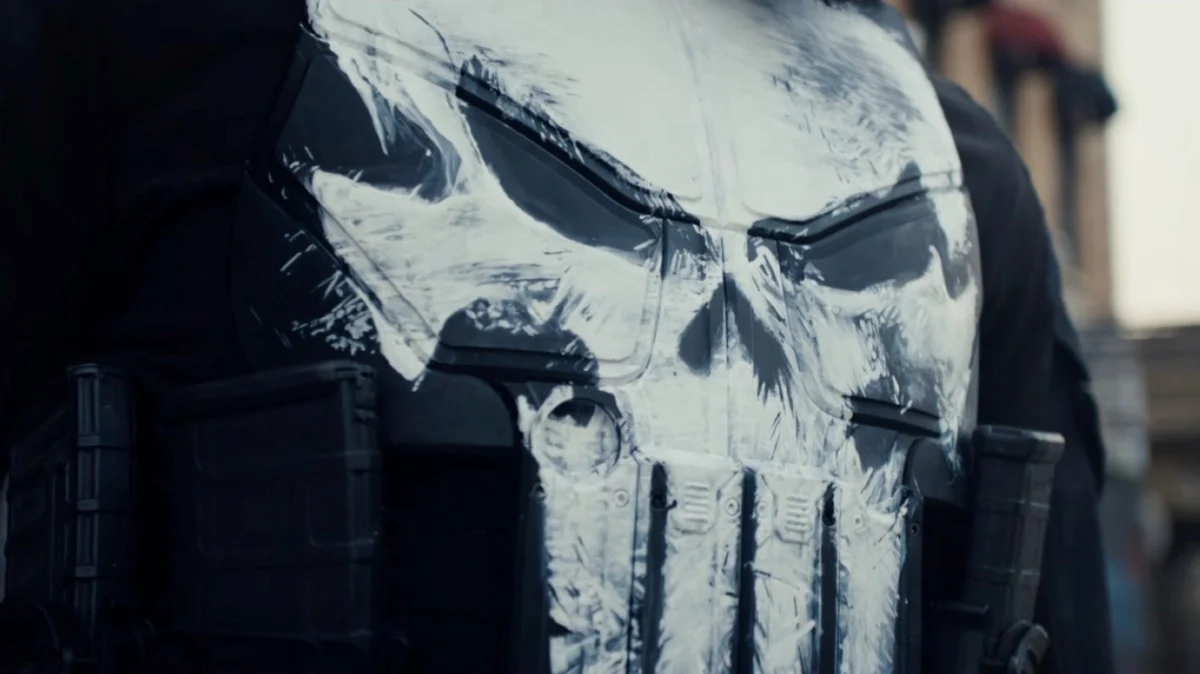
Note: This article contains significant spoilers for the Marvel Studios special "The Punisher: One Last Kill."
In the high-octane, visceral landscape of The Punisher: One Last Kill, the spotlight is firmly fixed on Jon Bernthal’s Frank Castle. As the latest Marvel Cinematic Universe (MCU) special delivers a breathless 48 minutes of vigilante justice, the narrative is primarily a "Bernthal power hour." However, seasoned television enthusiasts have likely found themselves distracted—in the best way possible—by the arrival of a familiar face in the supporting cast. Amidst the gritty backdrop of urban warfare and moral ambiguity, actor Andre Royo appears as "Dre," a convenience store owner whose brief but poignant presence provides the emotional anchor for a story otherwise fueled by adrenaline and gunpowder.
While the MCU is renowned for its star-studded cameos and interconnected universe-building, the true texture of these stories often comes from the character actors who inhabit the fringes of the frame. Royo’s inclusion is a testament to this tradition, serving as a reminder that even in a story dominated by the Punisher’s singular, lethal mission, the supporting cast can provide the humanity necessary to keep the audience grounded.
The Narrative Context: A Brief Encounter with Humanity
"The Punisher: One Last Kill" is a lean, mean production. With a runtime just over 48 minutes, the special does not have the luxury of slow-burn character development. The plot moves with the efficiency of a military operation, tasking Frank Castle with navigating a labyrinth of ruthless criminals seeking a bounty on his head.
Within this claustrophobic structure, the screenplay makes surgical choices regarding who receives screen time. We are introduced to the primary antagonist, Ma Gnucci—portrayed with cold, calculating menace by Judith Light—in a single, dialogue-heavy sequence that establishes the stakes. We also encounter Johnny, an unhoused veteran played by John Douglas Thompson, whose presence bookends the action and serves as a somber reflection of the collateral damage inherent in Castle’s life.
Yet, it is the arrival of Dre that resonates most deeply. As the mild-mannered proprietor of a local convenience store, Dre is a character of simple dignity. His daughter, Charli, played by Mila Jaymes, becomes the catalyst for a moment of quiet introspection for Frank Castle. In a brief exchange, the audience sees the reflection of Castle’s own tragic history—the loss of his daughter—in the way he interacts with Dre and his child. Despite the brevity of his scenes, Royo imbues the character with a weary, grounded charisma that stands out against the backdrop of the film’s hyper-violent aesthetic.
A Legacy of Character: The Shadow of ‘The Wire’
For the uninitiated, Royo’s performance might seem like a solid piece of acting work. For those who grew up in the golden age of television, however, the appearance is a profound nod to one of the most significant performances in modern history. Andre Royo is, and perhaps always will be, inextricably linked to the role of Reginald "Bubbles" Cousins in HBO’s seminal drama, The Wire.
The Evolution of an Icon
To understand why Royo’s presence in The Punisher feels so weighty, one must look back at his tenure in Baltimore. Over five seasons of The Wire, Royo crafted a character who transcended the tropes of the "addict informant." Bubbles was not merely a plot device; he was the heartbeat of the show.
As an unhoused drug addict who navigated the perilous intersection of law enforcement and the illicit drug trade, Bubbles required a performance of immense vulnerability and intelligence. Royo eschewed caricature, instead delivering a portrait of a man struggling to maintain his humanity in an environment designed to strip it away. His arc—from the periphery of the street wars to a difficult, hard-won path toward redemption—remains a gold standard for television writing and acting.
Bridging the Gap Between Genres
The transition from the gritty, grounded realism of The Wire to the stylized, comic-book-inspired violence of the MCU is not as jarring as it might seem. Both projects rely on the same essential element: high stakes that feel personal. When Marvel casts an actor of Royo’s caliber, they are not just filling a role; they are importing a specific type of gravitas.
This is a tactic the MCU has employed with increasing frequency. As seen in the recent integration of themes and actors from prestige dramas into shows like Daredevil: Born Again, Marvel is actively seeking to elevate its storytelling by borrowing the DNA of the great HBO and cable dramas of the early 2000s. Royo’s appearance acts as a bridge, grounding the fantastical elements of the Punisher’s world in the same emotional reality that made The Wire a masterpiece.
Chronology of an Accomplished Career
Andre Royo’s career did not end when The Wire concluded in 2008. In the years following, he has built an extensive resume that spans genres, proving his versatility as a character actor.
- The Post-Wire Era (2009–2014): Royo moved into episodic television with guest spots on hits like Fringe, Criminal Minds, and Law & Order. He showcased his range by taking on roles that moved away from the "street" archetype he was best known for.
- Expansion into Music and Drama (2015–2019): His role as Thirsty Rawlings in the hit series Empire introduced him to a new generation of viewers, playing a high-stakes entertainment lawyer. This role displayed his ability to command a room with sharp dialogue, a stark contrast to the soft-spoken, street-level vulnerability of Bubbles.
- The Marvel Connection (2016–Present): Interestingly, The Punisher: One Last Kill is not Royo’s first dip into the Marvel pool. He appeared previously in the ABC series Agent Carter, showing a long-standing relationship with the production entities that fuel the MCU.
- The Current Phase: With his role in The Punisher, Royo has cemented his status as a "prestige character actor"—someone who can walk onto a set for two days of filming and elevate the entire production through sheer screen presence.
Supporting Data: Why "Small Roles" are the Backbone of the MCU
The impact of a cameo or a supporting role in a franchise as massive as the MCU is often debated. However, industry data and audience engagement metrics suggest that these "character-driven" interludes are vital for the long-term success of the franchise.
According to recent analysis of fan sentiment, viewers are increasingly fatigued by "CGI-heavy" spectacles that lack emotional tethering. When a show like The Punisher chooses to focus on the interpersonal relationships between Frank Castle and a civilian like Dre, it creates a "humanity index" that spikes engagement. By casting a recognizable face like Royo, the production effectively communicates to the audience that this scene is important, even if it doesn’t involve an explosion or a fight sequence.
Furthermore, the "prestige casting" strategy serves as a buffer against the criticism that comic book adaptations are "lesser" art. When an actor who has been recognized by the Emmys and the NAACP Image Awards participates in a Marvel project, it serves as a subtle validation of the material, attracting viewers who might otherwise ignore a superhero special.
Official Responses and Creative Direction
While Marvel Studios rarely issues press releases regarding specific casting choices for short-form content, those within the industry have noted a shift in the casting director’s philosophy. The goal is no longer just to cast for likeness or physical capability, but to cast for "the weight of the performance."
In behind-the-scenes features, the production team for The Punisher: One Last Kill emphasized the need for a "calm anchor" to counteract the intensity of Jon Bernthal’s performance. Royo was chosen specifically for his ability to convey history and sorrow without needing extensive dialogue. "Andre brings a lifetime of performance to the table," noted one anonymous source from the production. "When he looks at Frank, he sees a man who has lost everything. He doesn’t need to say it; you see it in his eyes."
Implications for the Future of the MCU
The success of The Punisher: One Last Kill and the positive reception to Royo’s character suggest several implications for the future of the Marvel Cinematic Universe:
- The "Prestige Pivot": Expect more crossover between the world of gritty, grounded prestige television and the MCU. As the franchise matures, it is moving away from the "everything is connected" approach toward "every project has a distinct tone." Casting actors with strong dramatic pedigrees is key to achieving this.
- The Value of the One-Off: The special format is becoming a viable alternative to the standard six-to-ten-episode series. These specials allow for high-quality production values and focused storytelling, which in turn attracts high-caliber actors who may not have the time to commit to a full season of television.
- Humanizing the Vigilante: The Punisher is a difficult character to keep sympathetic over a long period. By surrounding him with civilian characters who evoke empathy, Marvel is finding a way to keep Frank Castle from becoming a static, one-dimensional figure of rage.
Conclusion
Andre Royo’s appearance in The Punisher: One Last Kill is a masterclass in the art of the supporting role. In a medium that often prioritizes spectacle over substance, Royo provides a vital reminder of the power of a grounded, human performance. Whether you remember him as the heart of The Wire or are simply struck by his charisma in this new role, his contribution to the special is undeniable.
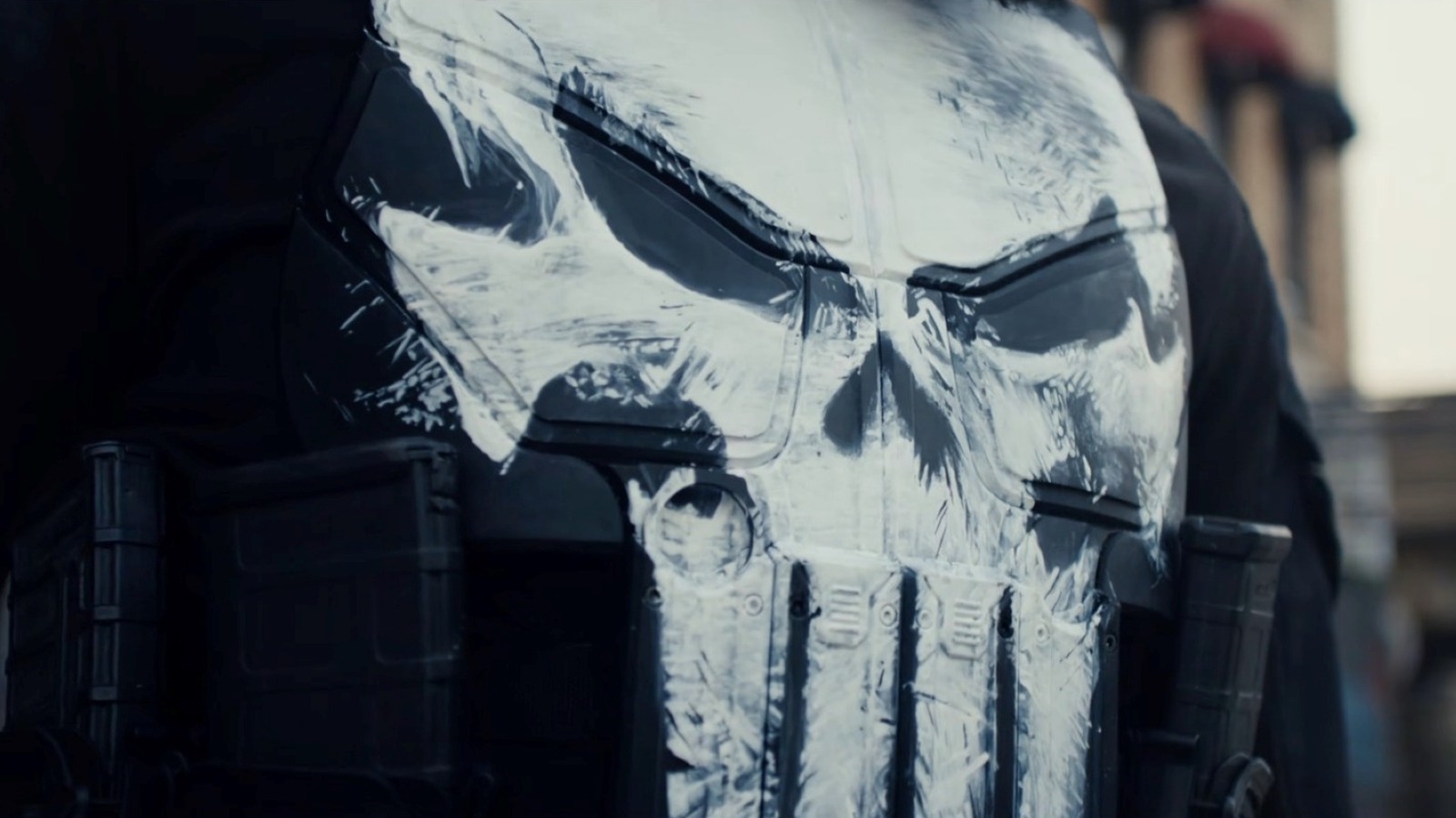
As the MCU continues to expand, it is these small, human-centric moments that will ultimately define its legacy. By bringing in talent like Royo, Marvel is ensuring that beneath the skull-emblazoned vest and the heavy artillery, there is a beating heart—and that, more than anything else, is what keeps the audience coming back for more.











No comments yet. Be the first to join the conversation!