Asep Darmawan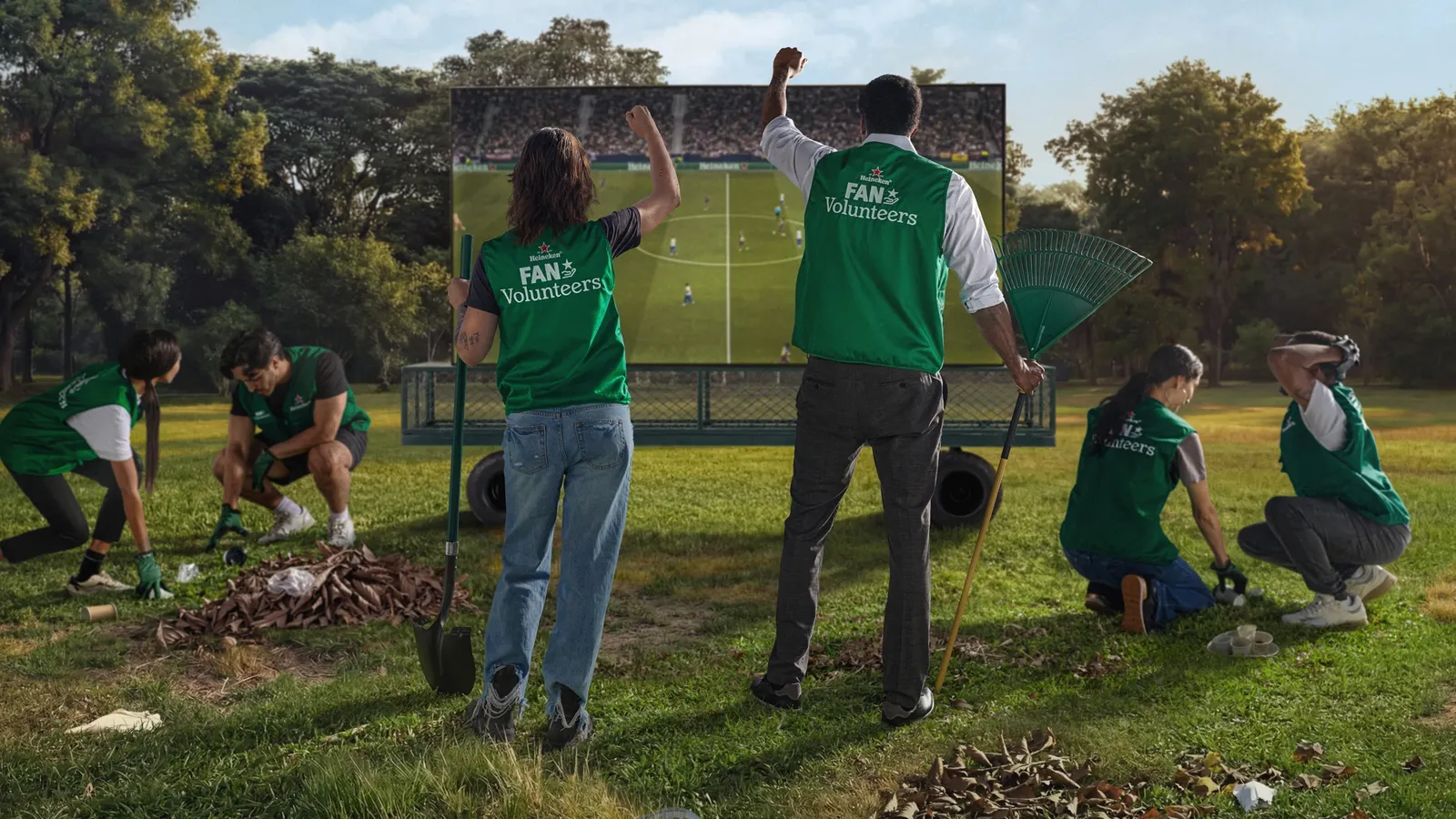
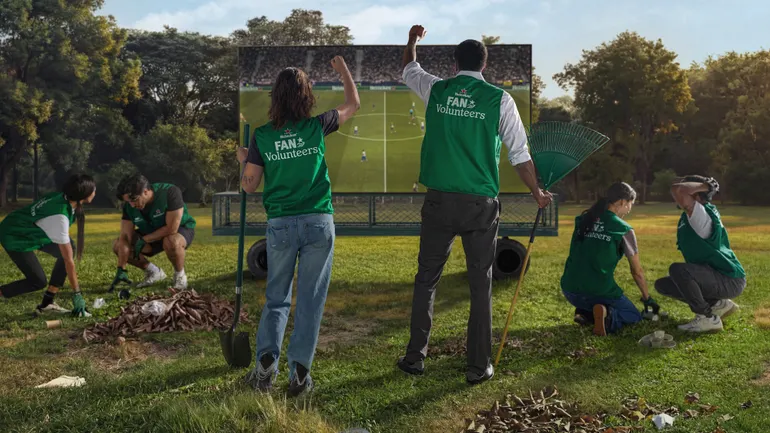
In a clever maneuver to capture the attention of the burgeoning American soccer audience, Heineken has unveiled its "Heineken Fan Volunteers" campaign. As the U.S. prepares to host the 2026 FIFA World Cup, the brewer is positioning itself as the "Official Beer of Soccer" through a unique value proposition: helping employees reclaim their workday to support their local communities while catching the matches they would otherwise be watching in secret.
By bridging the gap between corporate Volunteer Time Off (VTO) policies and the passion of the global fan base, Heineken is attempting to solve a modern workplace dilemma: how to balance the fervor of a global sporting event with the demands of a standard American work schedule.
Main Facts: The Intersection of VTO and Fandom
The core of the campaign is a digital hub that connects fans with local volunteer opportunities scheduled to coincide with World Cup match days. Recognizing that 40% of the tournament’s matches will take place during U.S. working hours, Heineken is encouraging fans to utilize their company-sanctioned VTO to give back to their communities.
The initiative is not merely a philanthropic effort; it is a sophisticated branding play. By facilitating these volunteer connections in partnership with registered nonprofits, Heineken is embedding its brand into the fabric of the fan experience. The campaign is supported by a "corporate-style" launch film that uses humor to guide employees through the process of requesting VTO to watch the games. Furthermore, the company has bolstered the effort with high-visibility activations in major markets like New York and Miami, timed to coincide with the high-stakes UEFA Champions League semi-finals.
Chronology: A History of Soccer Synergy
Heineken’s commitment to soccer is far from a recent development, though its focus on the U.S. market has intensified as the 2026 World Cup approaches.
- 1994: Heineken begins its long-standing sponsorship of the UEFA Champions League, a relationship that has become synonymous with the brand’s global identity.
- January 2026: The company launches its "Fans Have More Friends" global platform, designed to unify its diverse sponsorships—ranging from Formula 1 to music festivals—under a single banner of togetherness.
- May 13, 2026: The "Heineken Fan Volunteers" campaign officially launches, signaling a strategic pivot toward engaging the domestic American soccer fan base.
- June 11, 2026: The highly anticipated kickoff of the World Cup in the United States.
- 2027: The scheduled conclusion of Heineken’s multi-decade partnership with the UEFA Champions League, marking the end of an era and a potential shift in the brand’s global sponsorship strategy.
Supporting Data: The "Secret Fandom" Phenomenon
The impetus for this campaign is rooted in hard data regarding the behavior of the American workforce. According to research cited by Heineken, soccer fandom has reached a fever pitch in the U.S., reportedly surpassing baseball as the nation’s third-favorite sport.
However, the disconnect between traditional working hours and live match broadcasts has created a "hidden" culture of fan behavior. Heineken’s internal data reveals:
- 52% of U.S. desk employees admit to having lied to their employers to watch an international soccer match.
- 75% of those employees confessed to checking scores at their desks or surreptitiously streaming games during business hours.
These statistics provide the psychological hook for the campaign. By acknowledging that fans are already "checking out" to watch the game, Heineken is offering a legitimate, socially responsible alternative: using VTO to volunteer, which—coincidentally—allows them to stay connected to the match day atmosphere.

Official Responses and Strategic Implications
Heineken’s approach reflects a broader trend in marketing where brands are moving away from traditional broadcast advertising in favor of integrated experiences that add value to the consumer’s life.
The Marketing Strategy
The campaign is heavily digital, utilizing a "TikTok Top Feed" and a "Reddit Category Takeover" to ensure maximum visibility during key "soccer moments." This targeted approach is designed to reach the demographic most likely to be balancing a demanding desk job with an obsession for the sport. By leaning into the "Fans Have More Friends" ethos, Heineken is positioning itself not just as a beverage provider, but as a facilitator of shared experiences.
Operational Adjustments
This campaign follows a significant period of internal restructuring for the brewer. Heineken has been actively consolidating its creative work with major agency partners, including Publicis Groupe, WPP, and Stagwell. This "future-fit" strategy aims to streamline brand messaging and increase efficiency across global markets. The results are already showing, with the company reporting a 2.8% increase in net revenue and a 1.2% growth in total volume during the first quarter of 2026.
Implications for the World Cup and Beyond
The 2026 World Cup represents a "holy grail" for marketers, marking the first time the tournament has been held on U.S. soil since 1994. The pressure to stand out is immense, with competitors like Coca-Cola and Coors Light launching their own high-profile, emotion-driven campaigns.

The "Official" Status Dilemma
While Heineken is not an official tournament sponsor, its "guerrilla" approach—associating itself with the sport through creative initiatives rather than official licensing—is a testament to its brand strength. By focusing on the fan rather than the tournament itself, Heineken avoids the prohibitive costs of official sponsorship while still capturing the cultural zeitgeist.
The Future of Workplace Benefits
Heineken’s campaign also highlights a shift in how corporations view employee benefits. By highlighting VTO, the brewer is nudging the corporate world toward a more flexible understanding of "work-life balance." Whether this will lead to a broader cultural acceptance of "match-day leave" remains to be seen, but Heineken is undoubtedly betting that the passion for soccer is a powerful enough force to change workplace norms.
Conclusion: A Calculated Gamble
As the clock ticks down to the June 11 kickoff, Heineken’s strategy stands as a masterclass in audience segmentation. It identifies a pain point (the desire to watch the game), provides a solution (the volunteer-matchday link), and wraps it in a socially responsible narrative (supporting local communities). Whether or not this translates into a permanent shift in how Americans consume soccer, Heineken has successfully ensured that when the first whistle blows, their brand will be part of the conversation.
By consolidating its creative power, leveraging its long-standing association with soccer culture, and tapping into the specific frustrations of the American employee, Heineken is effectively turning the 2026 World Cup into its own home-field advantage. The brand is betting that while the matches may last 90 minutes, the impact of their "Fan Volunteers" campaign—and the loyalty it earns—will last long after the final trophy is lifted.


 Evan Lee Salim
 Rifan Muazin