


The isekai genre has become the bedrock of modern manga, often defined by familiar tropes: a protagonist is whisked away to a fantasy realm, gains an overpowered ability, and proceeds to assemble a harem or conquer a kingdom. However, as the genre risks saturation, a new challenger is stepping onto the stage—one that swaps the traditional sword-and-shield aesthetic for a Flying V guitar and a heavy metal attitude.
Kasuga Ryo’s Isekai Metaller, arriving in Western markets via Titan Manga this October, is not just another power fantasy. It is a genre-bending narrative that bridges the gap between high-fantasy escapism and the visceral, emotional catharsis of heavy metal music. As we prepare for the release of Volume 1, it is time to examine why this title is poised to redefine the "transported to another world" narrative.
The Premise: A Fatal Performance and a Magical Encore
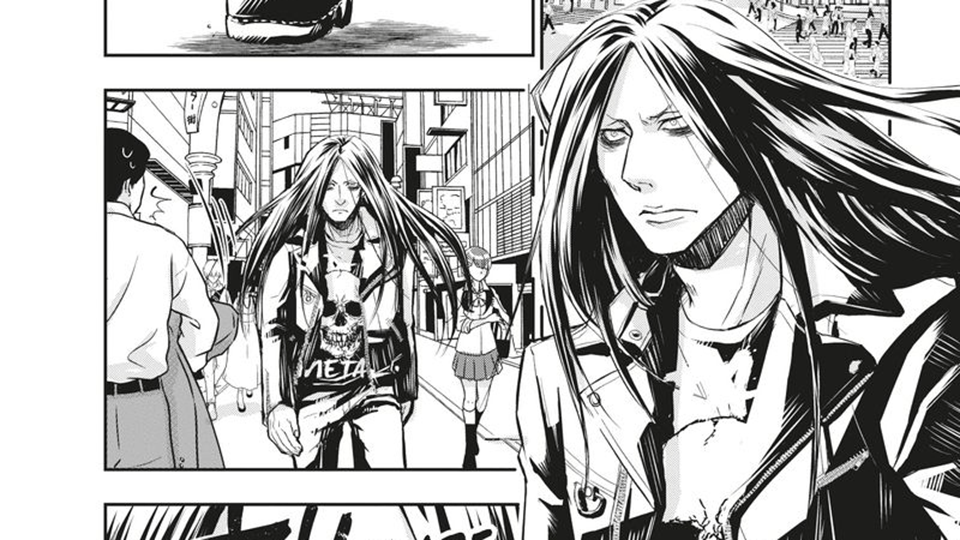
The narrative follows Alexi, a dedicated metalhead whose life in the modern world was defined by the relentless pursuit of self-expression. Once a shy, introverted youth, Alexi found his voice through the aggressive, complex melodies of heavy metal. Despite his bandmates’ apathy toward his passion, Alexi remained steadfast, viewing music as a conduit for human connection.
His journey into the unknown begins with a moment of true, chaotic finality: a tragic, high-voltage accident during a live concert. In a twist of dark irony, his death is perhaps the most "metal" exit imaginable. However, instead of passing on, Alexi finds himself reincarnated into a high-fantasy landscape teeming with monsters, magic, and systemic injustice.

Unlike most protagonists who might seek a quiet life or political dominance, Alexi arrives with a unique endowment: "thunder god" abilities that mirror the intensity of his music. For those familiar with Dungeons & Dragons mechanics, imagine a bard who has permanently upcast Thunder Wave to its maximum potential. Armed with his signature Flying V and a voice that can rattle the foundations of the earth, Alexi is not merely surviving; he is orchestrating a rebellion against the status quo.
Chronology of the Narrative Arc
The progression of Isekai Metaller moves with the pacing of a concept album, balancing character-driven introspection with high-octane action.
- The Origin: The story establishes Alexi’s roots, highlighting the dichotomy between his intimidating, "grim" exterior and his deeply empathetic core.
- The Transmigration: The transition from the stage to the fantasy realm is handled with immediate tension, establishing his "Level 999" status—an trope he uses not for vanity, but for protection.
- The Assembly: Alexi begins to build a party of outcasts. This includes a vulnerable mage, a wolfman warrior, and an orphaned thief. Each member of this troupe represents a different facet of the society that Alexi seeks to challenge.
- The Ideological Conflict: The mid-volume arc focuses on the "greater good" system—a cruel fantasy trope where lower-leveled fighters are routinely sacrificed for the benefit of the elite. Alexi’s refusal to accept this paradigm creates the central conflict of the series.
- The Musical Duel: The climax of the first volume features a confrontation with a "glam rock" rival—a fellow reincarnated warrior who represents the commercialization and superficiality that Alexi detests. This battle serves as the philosophical heart of the volume.
Supporting Data: The Cultural Impact of ‘Isekai Metaller’
Why does Isekai Metaller resonate so strongly with readers? The answer lies in its thematic depth. In traditional isekai, the protagonist often adopts the values of the new world. Alexi, conversely, imposes his own value system on the fantasy world.
According to early reader data and critical reception in Japan, the series has garnered a cult following for its "empathetic aggression." The narrative treats heavy metal not as a gimmick, but as a vehicle for emotional honesty. By contrasting the "scary" aesthetic of the metalhead with his internal drive to make others feel "heard," Kasuga Ryo subverts the stereotype of the antisocial rocker.

Furthermore, the world-building is intentionally designed to evoke the imagery of classic album covers. When Alexi encounters terrifying monsters, he doesn’t see beasts to be slaughtered; he sees artistic inspiration. This perspective shift allows the protagonist to navigate the world with a sense of wonder that is often missing from more cynical fantasy works.
Official Responses and Editorial Vision
Titan Manga’s decision to localize Isekai Metaller for the Western market underscores a strategic pivot toward niche, genre-blending titles. In a statement regarding the acquisition, editorial teams have highlighted the series’ unique blend of "shonen intensity" and "music-industry heart."
"It’s rare to find a series that manages to be both hilariously over-the-top and genuinely touching," one editor noted. "Alexi is a hero who uses his powers to amplify the voices of the voiceless. Whether it’s the Demon King or a common peasant, he treats everyone with the same level of musical respect. It’s a story about finding your own rhythm in a world that wants you to march to someone else’s drum."
The Implications: A New Era for Fantasy Manga
The arrival of Isekai Metaller carries significant implications for the future of the genre.
1. The Death of the Generic Protagonist
For years, the "blank slate" protagonist has been the standard in isekai. By providing Alexi with a specific, deeply ingrained passion for music, the author proves that a well-defined hobby or subculture can act as a more effective character anchor than a generic "heroic" motivation.
2. Music as a Metaphor for Power
The series suggests that power—whether magical or physical—is meaningless if it isn’t utilized to facilitate communication. By the end of the first volume, the goal is not to defeat the Demon King through violence, but to "jam" with him. This shift from "combat-as-solution" to "performance-as-reconciliation" is a refreshing departure from the usual isekai endgame.
3. Challenging Social Hierarchies
The critique of the "greater good" system in the manga serves as a microcosm for real-world social issues. By positioning a "Level 999" powerhouse as a defender of the weak, the story effectively mocks the "might-makes-right" philosophy often found in competitive fantasy gaming. Alexi’s refusal to allow his teammates to be used as fodder is a rallying cry for collective solidarity.
4. The Aesthetics of Rebellion
The visual language of Isekai Metaller is a love letter to the history of rock and roll. From the glam-rock rivalries to the leather-clad protagonist, the series appeals to a demographic that appreciates the rebellious spirit of the 1980s and 90s metal scene, successfully translating the "aesthetic of the outsider" into a fantasy setting.

Conclusion: Striking the Right Chord
As the release date of October 14 approaches, anticipation is building for what promises to be one of the most inventive manga debuts of the year. Isekai Metaller is more than just a series about a guy with a guitar in a magical land; it is a testament to the power of personal passion.
Kasuga Ryo has succeeded in creating a protagonist who is as loud as his music but as soft as his intentions. Whether you are a fan of high-octane fantasy battles, a connoisseur of heavy metal, or simply someone looking for a fresh take on the exhausted isekai formula, this series offers something for everyone. It is a reminder that even in a world of dragons and demons, the most powerful thing you can do is hold onto your own voice.
When the curtains rise on Isekai Metaller this October, prepare for a performance that is, in every sense of the word, heavy. It is a journey that asks us all a simple, profound question: if you had the power to change a world, would you use it to destroy your enemies, or would you use it to find the rhythm that unites everyone? Alexi has already made his choice, and he is ready to play.












No comments yet. Be the first to join the conversation!