Dwi Wanna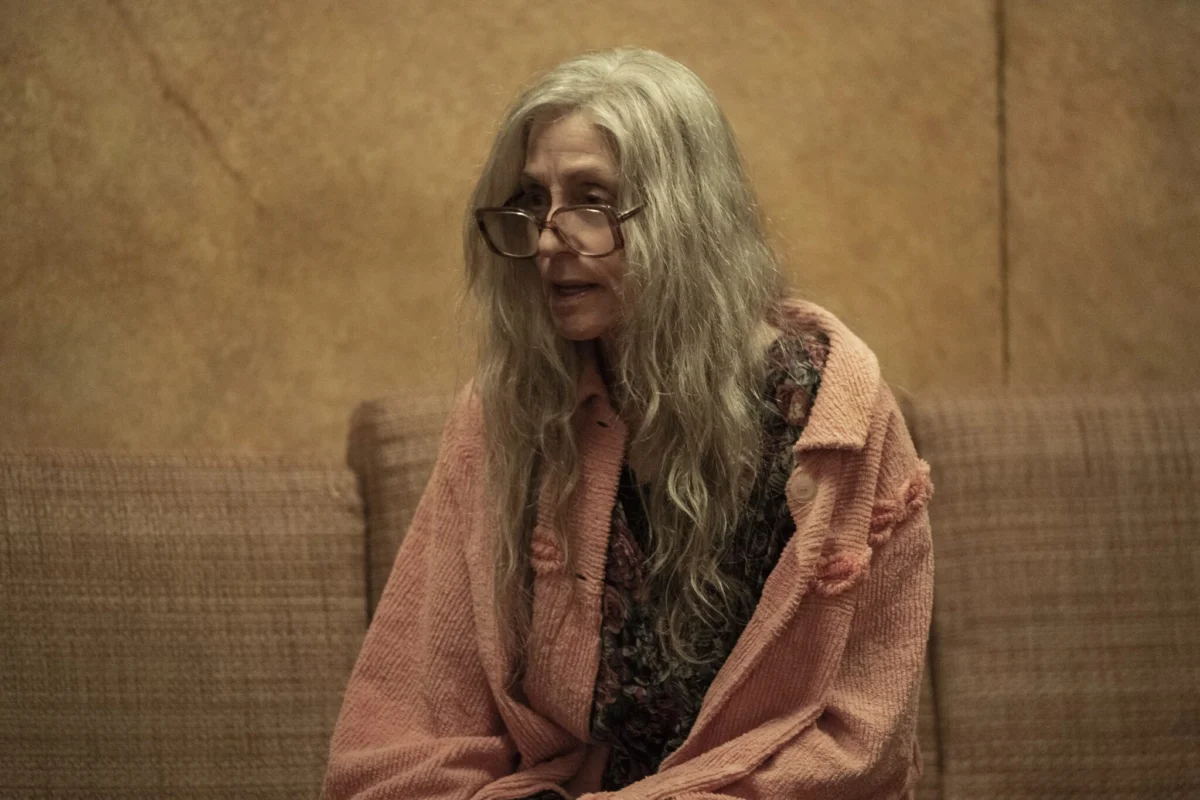
The second episode of The Terror: Devil in Silver descends further into the claustrophobic, institutionalized misery of the New Hyde psychiatric facility. While the first episode established the premise—a man named Pepper trapped in a bureaucratic and supernatural labyrinth—the second installment shifts the focus to the corrosive nature of systemic indifference. Between Dorry’s petty thefts, the brutal violence inflicted upon Pepper by fellow inmates, and the looming, ethereal threat of the hospital’s namesake "Devil," the narrative serves as a harrowing examination of how the modern mental health system functions as a meat grinder for the vulnerable.
The Chronology of Confinement: Pepper’s Escalating Ordeal
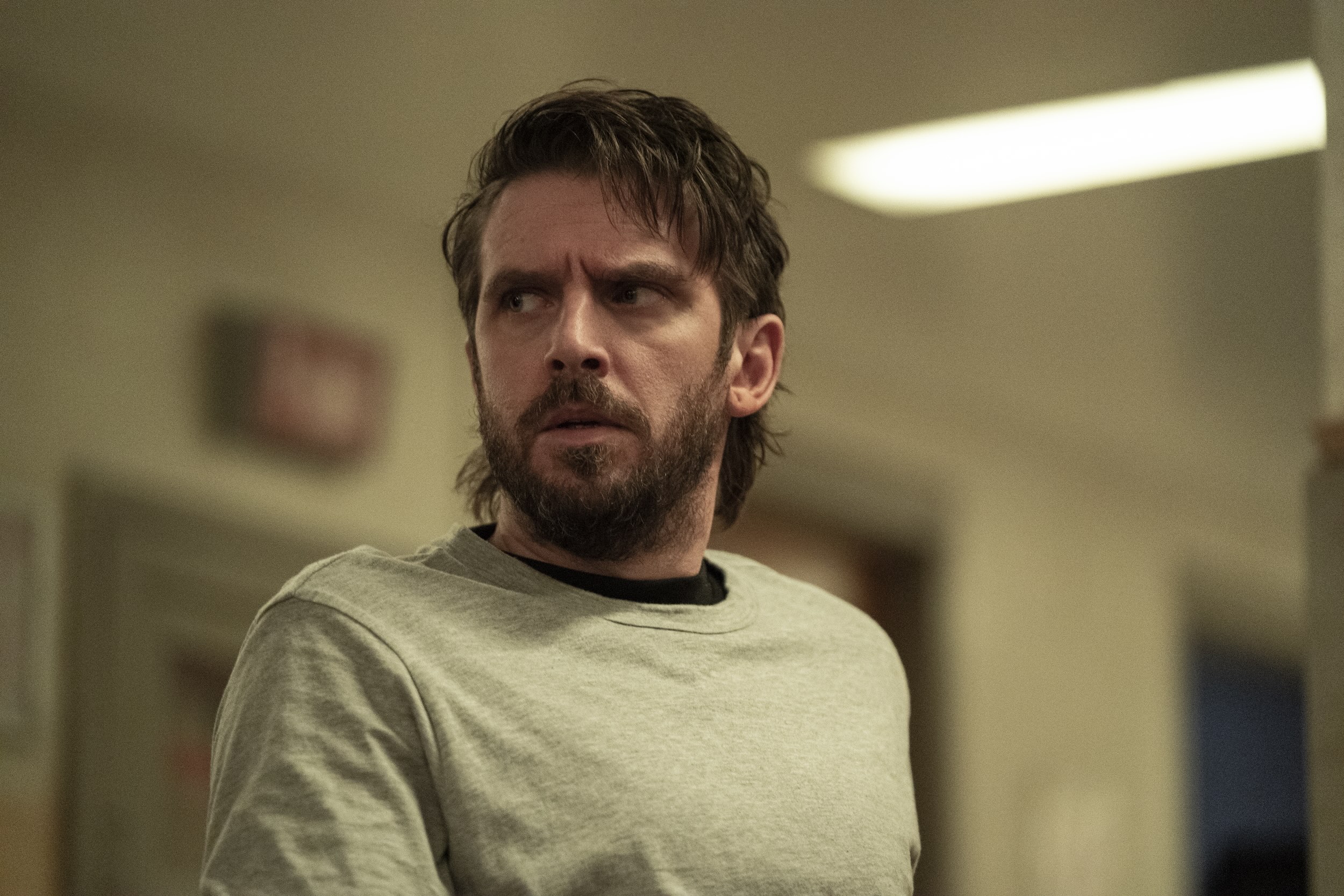
Pepper’s initial 72-hour hold has been abruptly extended to a two-week sentence, a transition that signals the loss of his agency and the beginning of his descent into the hospital’s dark heart. Driven by a volatile mix of desperation and recklessness, Pepper refuses to submit to the facility’s rigid structure. His attempts to retrieve keys he spotted in the first episode reflect a man who, while clearly suffering, is focused entirely on the immediate tactical goal of escape rather than the long-term consequences of his actions.
His struggle is mirrored by Coffee, a fellow patient who dedicates his days to documenting the hospital’s abuses via a phone and a binder, attempting to alert the outside world. However, the world outside is deaf to his pleas. The gravity of the situation is punctuated by a chilling, anonymous phone call from a man who demands that Pepper be kept at New Hyde at any cost—a directive that highlights the sinister, possibly conspiratorial, nature of the institution.
Pepper’s situation reaches a boiling point during visiting hours. In a desperate plea for help directed at his visitor, Marisol, he accidentally knocks down the grandmother of a patient named Loochie. The resulting altercation, in which Pepper is soundly beaten, serves as the catalyst for the hospital’s "punishment" protocol. Drugged into a stupor and bound to his bed with a mouth gag, Pepper is left helpless, vulnerable to the entities that seem to manifest from the very infrastructure of the ward. The episode closes on a terrifying note: something unidentifiable oozes from a hole in the ceiling above his restrained body, suggesting that New Hyde is not merely a prison, but a feeding ground.
Systemic Indifference: The Anatomy of a Broken Ward
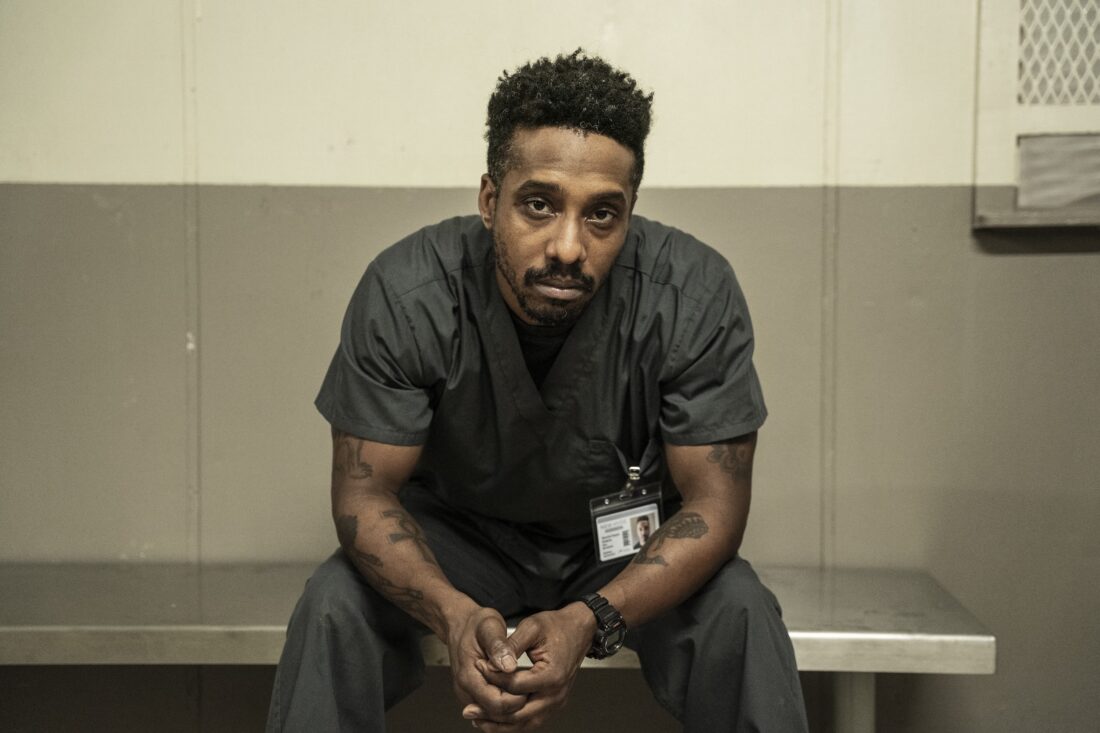
The staff at New Hyde, led by figures like Miss Chris and Scotch Tape, exist in a moral gray area. While their actions—strapping patients down, facilitating violence, and enforcing dehumanizing rules—are objectively monstrous, the show resists turning them into two-dimensional villains. Instead, they are depicted as cogs in a larger, broken machine. Scotch Tape, for instance, is a man pursuing a medical residency, trapped by his own ambitions and the toxic environment he serves.
This environment is most clearly on display during the hospital’s "book club," facilitated by Dr. Badger. The scene is a masterclass in performative empathy. Badger, who treats his patients like errant children, uses literature—specifically Ken Kesey’s One Flew Over the Cuckoo’s Nest—as a prop to reinforce his own moral superiority. He does not know his patients; he does not care to know them. He forces them to engage with a text that, ironically, highlights the very power imbalances he perpetuates. When he asks for a "please" from the group, it is not a gesture of respect, but a way to maintain dominance. The patients, old enough to recognize the cultural significance of the text, see through the charade, yet they are powerless to change the dynamic.
Supporting Data: The Reality Behind the Fiction
While The Terror utilizes supernatural horror, its grounding in the real-world crisis of mental healthcare is undeniable. The narrative reflects the aftermath of decades of deinstitutionalization, a policy shift that began in the late 20th century and resulted in the closure of state-run hospitals without the corresponding development of community-based care.
According to data from the Prison Policy Institute, the consequences of this policy shift are stark:
- Mass Incarceration of the Mentally Ill: Approximately 43% of individuals in state prisons and 44% in local jails have a documented mental health diagnosis.
- Neglect in Custody: An estimated 66% of people in federal prisons receive no mental health care during their incarceration.
- Funding Erosion: Recent political shifts have exacerbated this crisis. The withdrawal of nearly $2 billion in federal funding for mental health and addiction services—referred to in the show as the "Big Beautiful Bill"—illustrates the fiscal abandonment of the very population New Hyde claims to treat.
In this context, New Hyde acts as a metaphor for the modern prison-industrial complex, where patients and inmates alike are treated as census data points to be exploited for state and federal funding, rather than human beings in need of treatment.
Official Responses and Institutional Power
The power dynamic within New Hyde is designed to strip patients of their personhood. This is exemplified by the staff’s refusal to treat patients with basic dignity. The act of dragging a patient by his feet through the halls during visiting hours is not just an act of physical cruelty; it is a public display of dominance. It signals to the patients—and to their families—that the institution possesses total control over their existence.
The patients, in turn, are forced to navigate this landscape with little hope of external intervention. Even when they attempt to reach out to the highest levels of government, they are met with the same cold indifference that defines their daily life. The "official" response is silence. As the show posits, the politicians who oversee these districts benefit from the bodies kept within these walls, counting them as residents for funding purposes while stripping them of their right to vote or advocate for their own interests.
Implications: The Horror of the Mundane
The true terror of The Terror: Devil in Silver lies in the blurring of lines between the supernatural and the mundane. When the lights flicker, the audience is left to wonder: is this the manifestation of the "Devil," or is it simply another piece of failing, neglected infrastructure?
This ambiguity is intentional. The show suggests that in an environment where basic human needs are ignored, the distinction between a "monster" and a "broken system" becomes irrelevant. Whether Pepper is being targeted by a creature from the ceiling or by the cruel, capricious whims of his captors, the outcome is the same. The horror is that the patients are trapped in a loop where the "treatment" is a form of torture, and the "caregivers" are the primary architects of their suffering.
As the season progresses, the narrative challenges the viewer to look beyond the genre tropes. We are not watching a story about ghosts; we are watching a story about the deliberate, calculated dehumanization of those whom society has chosen to discard. The "Devil" in the silver room may be the ultimate manifestation of this neglect, a predator that thrives only because the gates of New Hyde are kept firmly locked by those who claim to be protecting us.
In the final estimation, the patients are the buffalo, and the hospital is the cliff. The tragedy is that the descent is not an accident—it is the design.

 Siti Muinah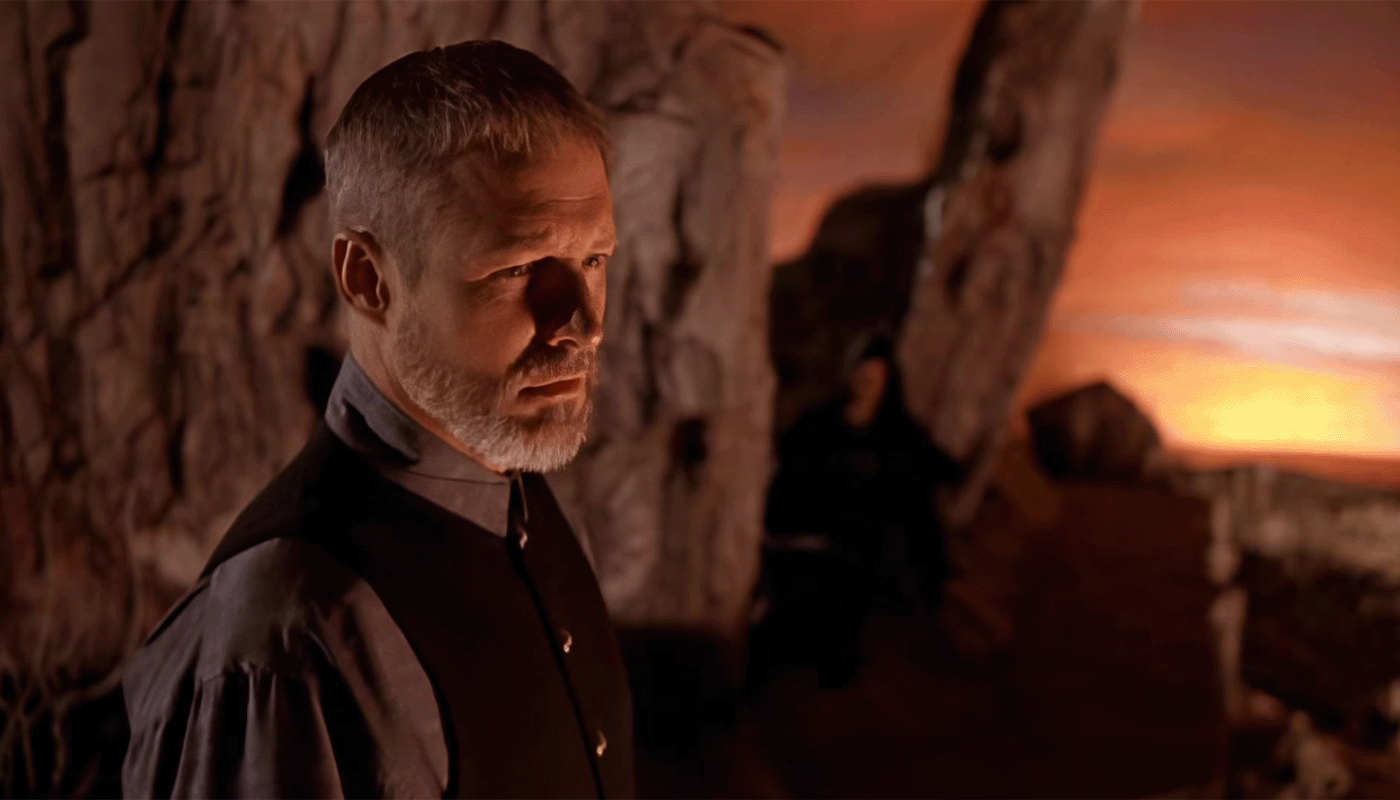
 Raul Delapena Setiawan