Asro
Asro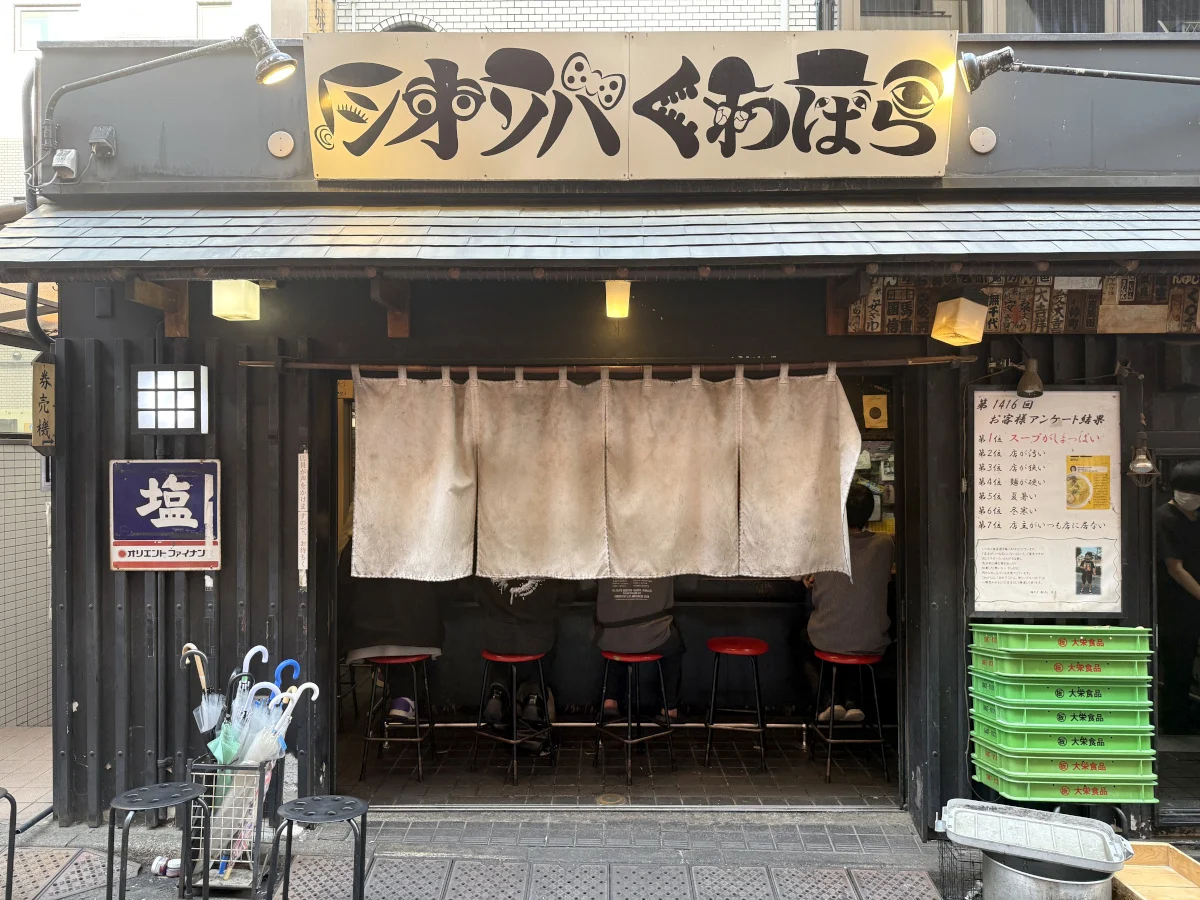
In the sprawling, hyper-competitive culinary landscape of Tokyo, where ramen shops are as ubiquitous as convenience stores and masters obsess over the minutiae of broth clarity and noodle hydration, standing out requires more than just quality—it requires a distinct identity. While many establishments chase the umami-rich depth of tonkotsu or the delicate balance of shoyu, one tucked-away restaurant in Ikebukuro has carved out a niche by leaning into an ingredient that most chefs treat with caution: salt.
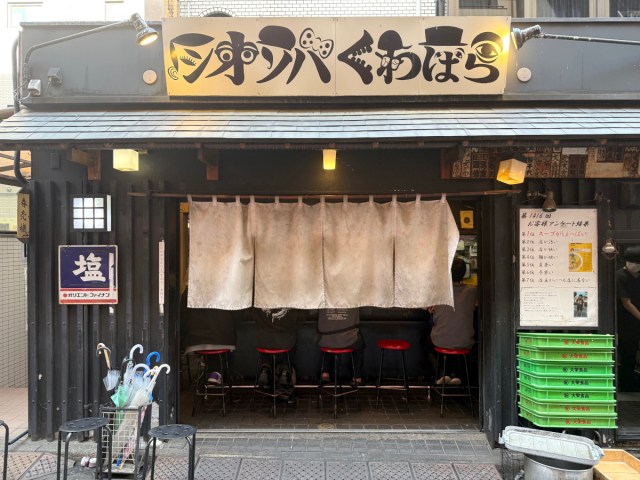
Shio Soba Specialty Shop Kuwabara has become the subject of intense online discourse and a pilgrimage site for thrill-seeking foodies. Its signature dish, the "Ikebukuro White," is not merely a meal; it is an endurance test. Marketed with a reputation for being the "saltiest ramen in Japan," the bowl has polarized diners, becoming a trending topic for its audacious, unapologetic, and frankly shocking flavor profile.
The Anatomy of the Ikebukuro White
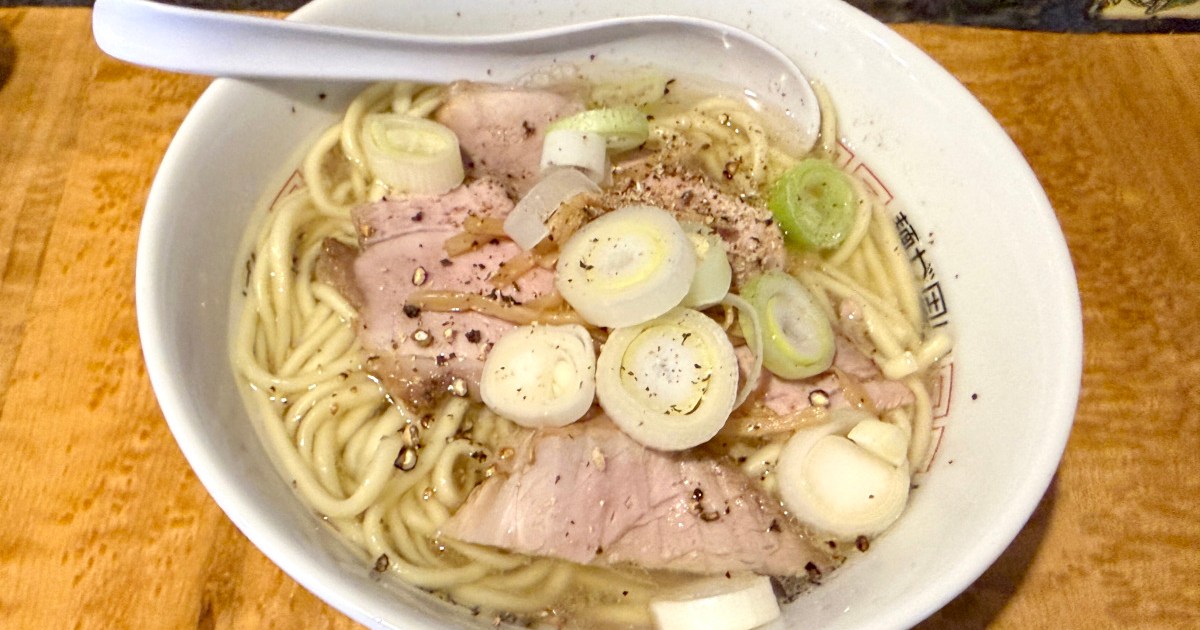
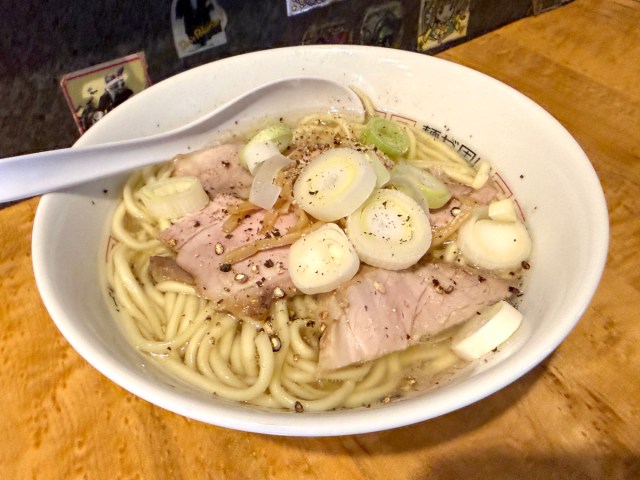
The "Ikebukuro White" is a testament to the versatility of shio (salt) ramen. In the Japanese ramen lexicon, shio is typically associated with a clean, light, and subtle broth—a showcase for the quality of the stock rather than the intensity of the seasoning. Kuwabara, however, flips this paradigm on its head.
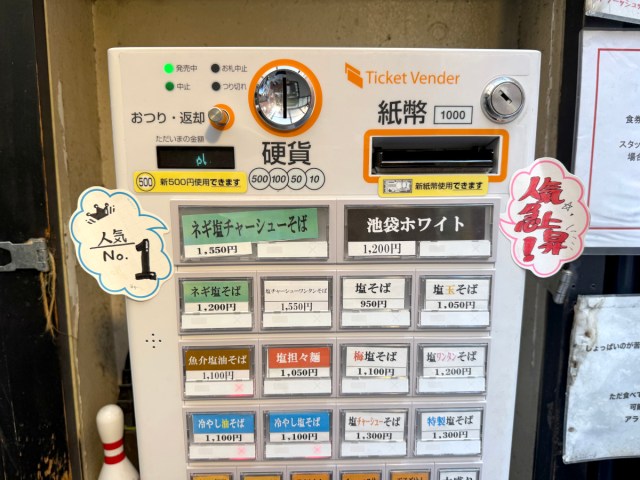
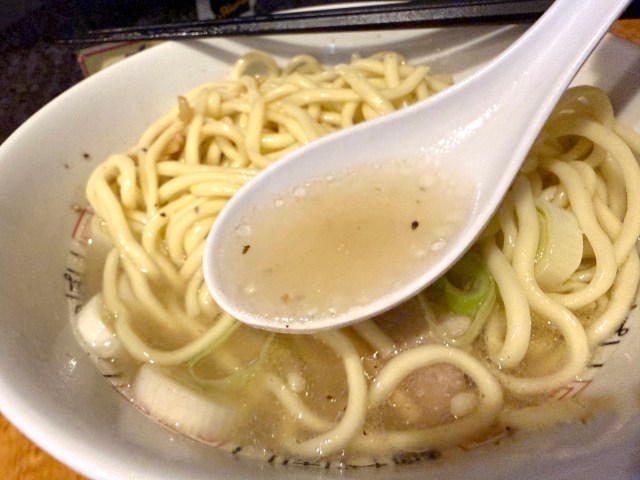
Upon ordering via the shop’s unassuming ticket machine, one is greeted by a black-and-white button priced at 1,200 yen (approx. $7.61 USD). It is a modest price for a dish that is rapidly gaining a reputation as a culinary anomaly. The broth, which appears unassuming at first glance, is a potent infusion of salt, sharp black pepper, and an intense garlic base. Unlike traditional soups that aim for a gentle harmony, the Ikebukuro White hits the palate with the force of a tidal wave.
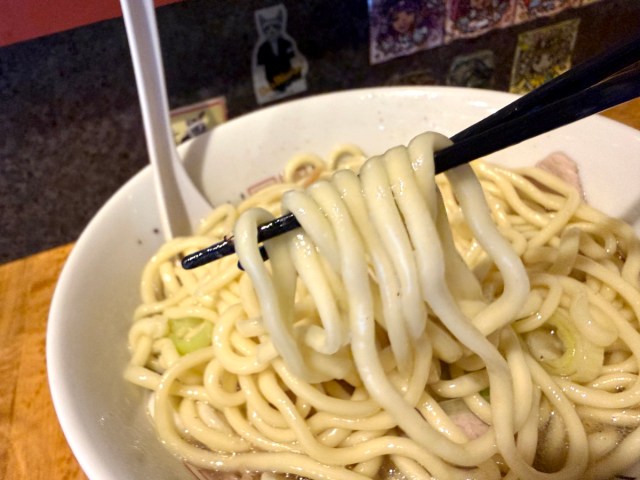
The noodles are flat, firm, and cooked to a precise al dente, a structural necessity designed to withstand the aggressive viscosity and intensity of the broth. Despite the noodles’ ability to provide a neutral canvas, they are insufficient to fully mute the salinity that defines every single slurp.
A Chronology of a Viral Sensation
The rise of Kuwabara’s reputation did not happen overnight. It was a gradual build, fueled by the organic feedback of Tokyo’s discerning ramen community.
- Early Development: When Kuwabara first opened its doors, it focused on traditional shio craftsmanship. However, the shop’s namesake owner began experimenting with higher salt concentrations to see how far the flavor could be pushed without losing the essential "ramen" experience.
- The Social Media Catalyst: As the "Ikebukuro White" reached its final form, diners began documenting their experiences on platforms like X (formerly Twitter) and Instagram. Descriptions such as "shockingly salty," "incredibly addictive," and "the saltiest ramen I’ve ever eaten" began to circulate.
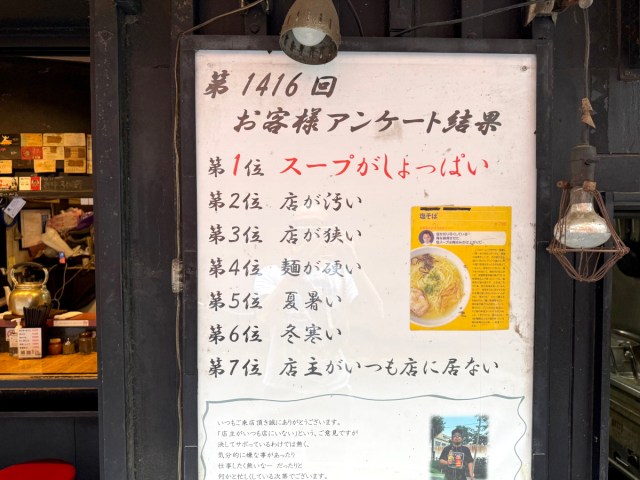
- The Sign of Recognition: The restaurant, clearly aware of its reputation, placed a sign out front documenting customer feedback. "The soup is salty" sits at the top of the list, written in bold, crimson ink—a badge of honor that serves as both a warning and a siren song for curious patrons.
- Modern Mainstream: Today, the shop faces a steady stream of curious visitors, from local salarymen seeking a sharp lunch to adventurous tourists who have heard whispers of the "saltiest bowl in the city."
Supporting Data: The Science of Sensory Overload
Why would a chef intentionally design a dish that teeters on the edge of "too salty"? The answer lies in the physiological response to high-sodium foods. The Ikebukuro White is crafted with a high concentration of sodium chloride and aromatic black pepper, which work in tandem to trigger the palate’s intensity receptors.
When a diner consumes the broth, the saltiness is so pronounced that it creates a form of "sensory shock." However, the addition of garlic and high-quality fats creates a savory feedback loop. This is known in food science as "hedonic salt intake"—a state where the saltiness is so high it is uncomfortable, yet the umami depth keeps the diner coming back for more.
Furthermore, the shop’s unique environment enhances the experience. The water served at Kuwabara is reported to taste exceptionally refreshing and "delicious" immediately after a bowl of Ikebukuro White, a result of the palate being so overwhelmed by salt that the sweetness of the water is artificially amplified.
The Culinary Philosophy of the Chef
While we have not received an official, written press statement from the head chef, the design of the restaurant and the menu itself act as a silent manifesto. In the world of ramen, there is a tendency toward "gentrification"—making bowls lighter, more elegant, and more refined.
Kuwabara stands as a counter-culture establishment. The owner’s philosophy seems to be that salt is not merely a seasoning, but a primary ingredient. By pushing the boundaries of what is considered "palatable," the chef is forcing the diner to confront the fundamental building blocks of Japanese flavor. There is no attempt to hide the salt behind complex spice blends or creamy fats; the salt is the star. It is a bold, uncompromising, and deeply confident way to approach cuisine.
Implications for the Tokyo Ramen Scene
The success of Kuwabara carries broader implications for the culinary landscape of Japan. It suggests that the market for "extreme" flavors is growing. As social media continues to dictate food trends, restaurants that provide a unique, "Instagrammable," or "challenge-worthy" experience are finding more success than those providing standard, reliable, but unexciting fare.
Furthermore, the Ikebukuro White challenges the "shio" stereotype. For decades, shio has been dismissed by some as the "boring" alternative to the heavy, pork-laden tonkotsu. By creating a shio dish that is more aggressive than most tonkotsu on the market, Kuwabara has effectively reclaimed the category. It has proven that shio can be as intense, as complex, and as addictive as any other ramen variety.
A Final Assessment: Should You Go?
Visiting Kuwabara is not for the faint of heart, nor for those with specific health restrictions regarding sodium. However, for the seasoned ramen enthusiast, it is a necessary stop. It is a dish that demands your full attention; you cannot eat it while distracted. It requires you to be present with every bite, to grapple with the salt, and to appreciate the craftsmanship that prevents the dish from sliding from "deliciously salty" into "simply inedible."
If you find yourself in Toshima-ku, and you are prepared to test your limits, the Ikebukuro White awaits. Just ensure you save room for a few extra glasses of water.
Restaurant Information
- Name: Shio Soba Specialty Shop Kuwabara (塩そば専門店 桑ばら)
- Location: 1-27-5 Higashi-Ikebukuro, Toshima-ku, Tokyo
- Operating Hours: 11:00 a.m. – 8:30 p.m.
- Closing Policy: Irregular closures (check social media for updates).
- Price Point: 1,200 JPY for the signature Ikebukuro White.
Disclaimer: This article is intended for informational purposes regarding culinary trends in Japan. As with any food high in sodium, please consume in moderation.


 Neng Nana