

Shibuya, the pulsing heart of Tokyo, is globally renowned for its neon-lit crosswalks, avant-garde youth fashion, and an unrelenting nightlife that sets the pace for the rest of Japan. However, beneath the surface of this hyper-modern metropolis lies an increasingly pressing challenge: the environmental footprint of a convenience-driven society. As Tokyo grapples with the massive volume of plastic waste generated by its thriving food service industry, a localized, innovative experiment is attempting to shift the paradigm.
Enter "Megloo," a circular economy service operated by Kaman Co., Ltd. Between January 24 and February 23, 2023, the Shibuya district served as a living laboratory for a pilot program designed to replace single-use plastic takeout containers with durable, multi-use alternatives. By partnering with local eateries, the Shibuya Cast building, food truck operators, and the delivery giant Wolt Japan, the Megloo initiative represents a significant step toward sustainable urban dining.
The Mechanics of a Circular Dining Ecosystem
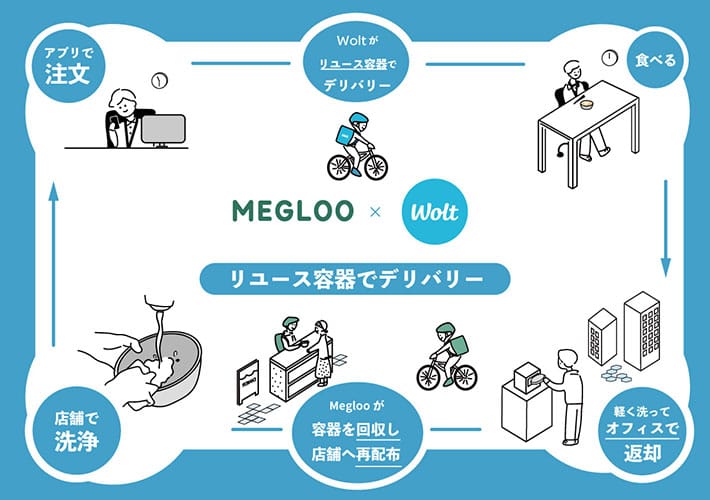
The concept behind Megloo is deceptively simple, yet it requires a high level of logistical coordination to function in a fast-paced urban environment. The "Megloo Cycle" is designed to integrate seamlessly into the daily routines of busy Tokyoites and tourists alike.
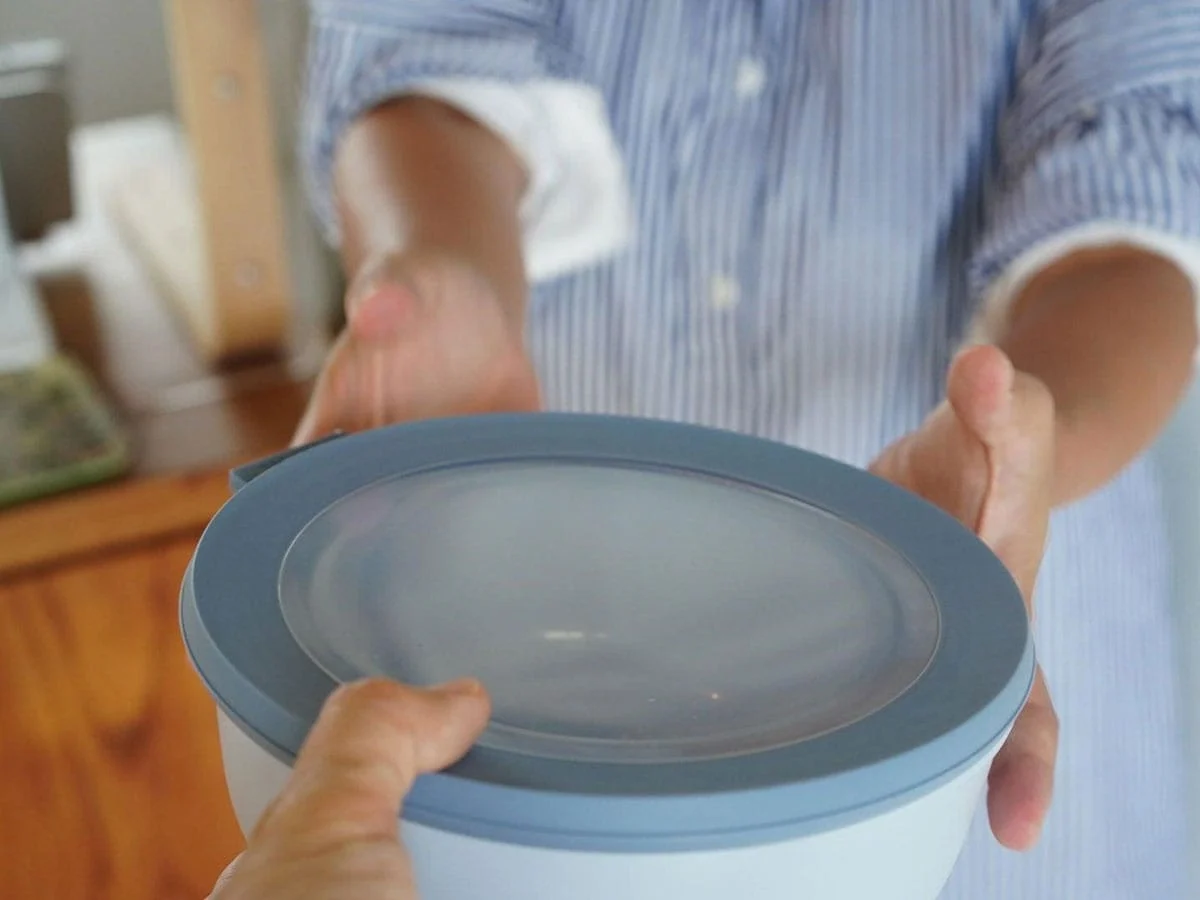
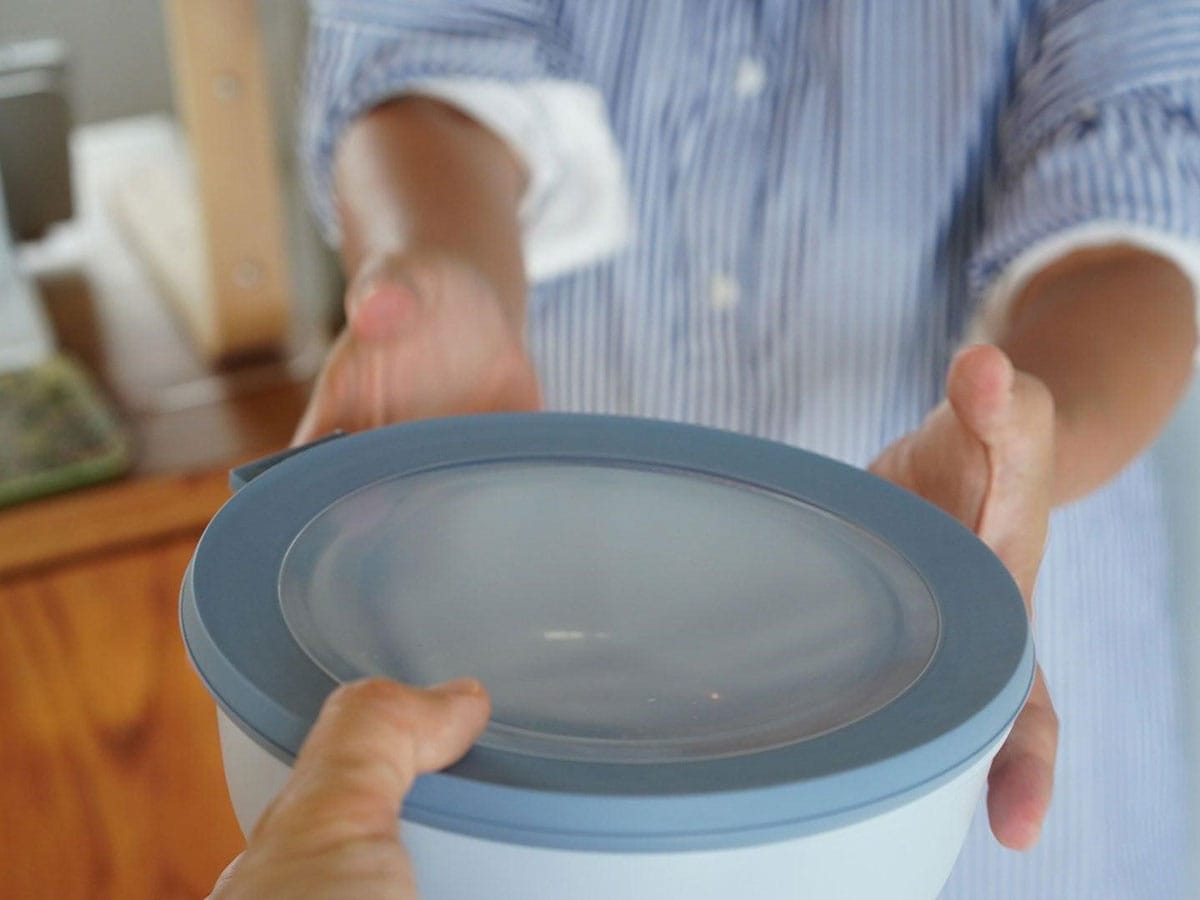
When a customer orders a meal from a participating eatery, they receive their food in a standardized, high-quality reusable container. After finishing their meal, the customer is asked to perform a simple task: rinse the container to remove food residue. Once prepared, the used container is deposited into a dedicated, branded "Megloo return box" stationed at strategic points throughout the Shibuya area.
From there, Kaman takes over. The containers are collected by the company, transported to a professional cleaning facility—or back to the original eateries, depending on the logistical arrangement—where they are sanitized to high safety standards before being reintroduced into the supply chain. This closed-loop system aims to eliminate the need for thousands of disposable plastic bowls, boxes, and lids that would otherwise contribute to Tokyo’s overflowing waste management systems.
Chronology of the Pilot Program
The Megloo pilot program was structured as a month-long intensive trial, running from late January to late February 2023.
- January 24, 2023: Official commencement of the trial. The service launched with 19 brick-and-mortar restaurants and five food trucks strategically located in and around the Shibuya Cast complex and the wider Shibuya district.
- Late January – Early February: The "Onboarding Phase." During this period, participating establishments introduced the containers to their regular customers. The rollout was staggered, allowing restaurant staff to adjust to the new workflow of managing reusable inventory alongside traditional single-use packaging.
- Mid-February: Data collection and feedback analysis. Kaman Co., Ltd. monitored return rates, customer satisfaction, and the durability of the containers under real-world conditions.
- February 23, 2023: Conclusion of the official test period. Following this date, the gathered data was slated to inform the future scalability of the project, with the potential for long-term integration into Shibuya’s permanent restaurant infrastructure.
Supporting Data: Why Shibuya?
Shibuya was chosen for this initiative for several critical reasons. Firstly, it is a high-density area with a massive concentration of "on-the-go" consumers. Whether it is office workers grabbing a quick lunch from a food truck or tourists wandering between the Shibuya Station area and Harajuku, the demand for takeout is constant.
Furthermore, the demographic profile of the area—younger, environmentally conscious, and tech-savvy—makes it the ideal testing ground for a mobile-integrated service like Megloo. The partnership with Wolt Japan, a popular delivery platform, was particularly strategic. By integrating reusable options into the digital ordering flow, Kaman could reach consumers who might not otherwise visit the physical storefronts.
Participating eateries spanned a diverse range of culinary styles, including:
- Contrail Shibuya: A staple for modern, urban dining.
- Marked Shibuya: Known for artisanal, fresh ingredients.
- Alishan Park Cafe (Yoyogi): A champion of organic and plant-based nutrition, aligning perfectly with the ethos of the Megloo program.
- Spicy Tacorice Cafeteria "S" (Omotesando): Representing the popular fusion of Okinawan and Mexican flavors that has become a staple of the Tokyo takeout scene.
Official Responses and Stakeholder Vision
The leadership at Kaman Co., Ltd. has framed the Megloo initiative not just as a waste-reduction project, but as a necessary shift in business operations. "Our goal is to build a frictionless system," a representative from Kaman stated during the launch. The burden of environmental stewardship, they argue, should not rest solely on the shoulders of the consumer, nor should it cripple the profit margins of small businesses. By providing the logistics for cleaning and redistribution, Kaman removes the biggest barrier to entry for local eateries.
The inclusion of food truck operators—typically the largest users of disposable plastics—was a bold move. Workstore Tokyo Do, a primary partner in the food truck sector, noted that the trial provided invaluable insight into the "wash-and-return" logistics required to keep a mobile food business efficient.
Wolt Japan’s involvement underscores the corporate responsibility trend currently sweeping through Japan’s delivery sector. As major platforms face scrutiny over the environmental cost of rapid, on-demand food delivery, participating in the Megloo trial allows them to signal to their user base that they are invested in carbon-neutral, low-waste solutions.
Implications for the Future of Urban Dining
The success of the Megloo pilot has far-reaching implications for Japan’s broader environmental policy. Japan has long struggled with its high per-capita plastic waste production, and while recent legislation has begun to curb the distribution of free plastic shopping bags, the food service industry remains a final frontier.
Scaling the Model
If the Megloo model proves economically viable, it could be replicated across other high-traffic districts in Tokyo, such as Shinjuku, Minato, or Ginza. The key to this scalability lies in the "infrastructure of return." For such a system to become permanent, return boxes must be as ubiquitous as the trash cans that are notoriously difficult to find in Tokyo.
Consumer Behavior
One of the most significant hurdles identified during the trial was the "rinse and return" requirement. Changing ingrained consumer habits—where convenience is prioritized above all—requires significant public education. The Megloo trial served as a proof-of-concept that Japanese consumers are willing to participate in circular economy practices if the process is intuitive and well-supported by local businesses.
Environmental Impact
The immediate impact of the one-month trial, while modest in absolute volume, provides a baseline for future sustainability reports. By quantifying the number of plastic containers saved, Kaman can present a compelling business case to the Shibuya Ward government for public subsidies or policy support, potentially turning the Megloo program into a municipal mandate for new food business licenses in the future.
Final Reflections: A Greener Shibuya?
As the 2023 trial concluded, the conversation in Shibuya shifted from "is this possible" to "how do we make this permanent?" The collaboration between Kaman, Wolt, and local restaurateurs serves as a blueprint for how a hyper-urban environment can begin to self-correct its waste issues.
For the traveler or the resident, the message is clear: the way we consume food in Shibuya is changing. The next time you find yourself near the Shibuya Cast building or wandering the backstreets of Yoyogi, look for the Megloo logo. It is more than just a brand; it is a sign of a shift in the city’s consciousness. While a month-long trial is only the beginning, the collaboration has planted the seeds for a future where enjoying the best of Tokyo’s culinary scene no longer requires leaving a trail of plastic waste in your wake.
For those looking to stay updated, keeping an eye on the Megloo Twitter account or checking in with your favorite local eateries remains the best way to see which restaurants have integrated these systems into their daily operations. As Japan continues its journey toward a more sustainable future, the lessons learned on the streets of Shibuya will undoubtedly serve as the foundation for a cleaner, greener, and more responsible urban experience.












No comments yet. Be the first to join the conversation!