

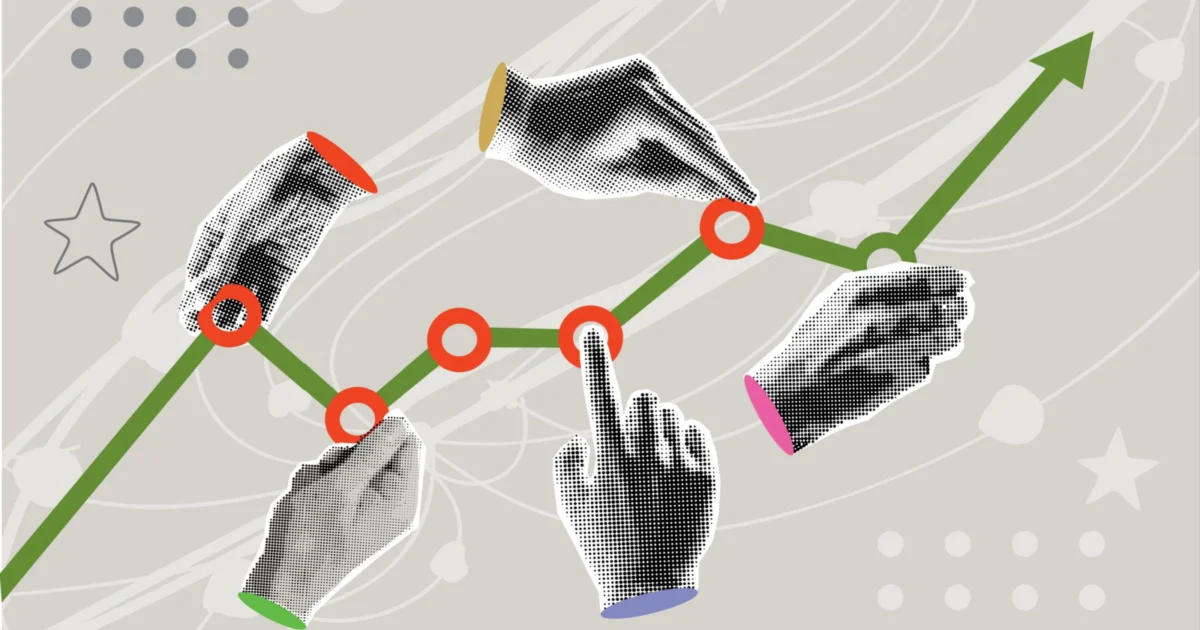
For decades, the marketing growth audit has been a ritualized performance—a corporate theater of sorts. A consultant arrives, armed with a polished slide deck, conducts a series of interviews with harried stakeholders, and eventually delivers a 40-page PDF report. Often, this document is destined for a digital drawer, never to be opened again. The team feels a brief flurry of activity for a few weeks, yet the underlying operational rot remains.
For those who have spent years in the trenches of marketing—from Fortune 200 boardrooms to the frantic environment of early-stage startups—this cycle is not just frustrating; it is a profound misuse of human capital. Today, a shift is underway. By integrating Artificial Intelligence into the discovery and diagnostic phases of growth consulting, agencies are compressing weeks of manual labor into days, turning audits from passive "souvenirs" into active, living blueprints for growth.
The Structural Failure of Traditional Audits
The fundamental problem with the legacy consulting model is one of perverse incentives. Traditional audits are often structured to maximize complexity because, in the eyes of many firms, complexity justifies a higher price tag. Consequently, the final deliverable becomes a sprawling, disconnected "laundry list" of potential improvements, ranked by nothing more than the consultant’s whim.
"I remember spending weeks preparing for a 30-minute meeting with a CEO," says one veteran growth consultant. "We spent more time polishing the deck than we did solving the problem. The decision was made in minutes, and the deck—the product of hundreds of hours of work—was never referenced again."
This experience highlights the critical flaw: traditional audits are designed to be artifacts rather than tools. To remain relevant in an AI-first economy, the output of an audit must function as a dynamic roadmap, not a static report.
The AI-Assisted Audit Framework: A New Methodology
Modern growth consultancy is moving toward a three-pillared diagnostic framework: an evaluation of the marketing organization, a deep dive into the technology stack, and an assessment of "AI readiness." This final pillar is a recent addition to the consulting lexicon, yet it is arguably the most vital. It determines the ceiling of a company’s operational efficiency—specifically, how much growth they can achieve without ballooning their headcount.
Phase 1: Intake and Context Building
In the pre-AI era, the "discovery" phase required a senior strategist to spend upwards of a week manually reviewing investor decks, board presentations, public marketing collateral, competitor creative, and even Glassdoor reviews. It was a tedious, synthesis-heavy process.
Today, this is handled through high-context AI processing. By feeding raw documentation—ranging from pricing pages to product screenshots—into models like Claude, consultants can generate a comprehensive diagnostic framework in a single day. This isn’t just a summary; it is a data-backed brief that identifies positioning gaps, messaging inconsistencies, and competitive white spaces. This allows consultants to enter stakeholder meetings with a sharp, informed point of view, fundamentally shifting the dynamic from "information gathering" to "strategic problem solving."
Phase 2: Tech Stack and Workflow Mapping
The average mid-stage startup is currently burdened by 15 to 30 disparate marketing tools. In nearly every audit, at least one-third of these tools overlap or remain largely unused, creating "tech debt" that slows down the entire organization.
The audit process now involves a rigorous mapping of every workflow, from campaign ideation to lead routing and reporting. Each step is then measured against AI-native alternatives. For instance, a common bottleneck is creative production. One client was previously losing 40 hours a week to manual briefing, design revisions, and platform-specific resizing. By implementing a custom-built automation pipeline, that same volume of creative output now requires only eight hours of human labor, shifting the team’s focus from production to high-level strategic review.
Phase 3: AI Readiness Assessment
The final phase is the most surprising to clients, as it moves away from technology and toward human dynamics. The assessment centers on three critical questions:
- Cultural Appetite: Does the team possess the curiosity to adopt AI, or is there institutional fear? Understanding the team’s internal sentiment is essential to preventing the resistance that often kills digital transformation.
- Data Hygiene: If a company’s CRM is fragmented or its attribution is broken, no amount of AI can save it. The audit identifies the necessary data infrastructure "clean-up" required before any automation can yield reliable ROI.
- High-Leverage Identification: The goal is not to replace humans but to optimize them. The audit identifies which tasks require human taste and judgment—the brand’s "soul"—and which tasks are better suited for AI agents.
The Deliverable: A Living Blueprint
The modern deliverable is not a PDF; it is a shared, collaborative document organized into four sections:
- Current State Diagnosis: An objective view of the firm’s standing.
- Prioritized Opportunity Map: A ranked list of initiatives based on impact and effort.
- 90-Day Implementation Roadmap: A month-by-month guide focusing on quick wins (Month 1), structural changes (Month 2), and team training (Month 3).
- Tool-by-Tool Recommendations: A list of software and automation strategies with clear cost-saving projections.
By making this a living document, clients are empowered to comment, push back, and reprioritize in real-time, ensuring that the audit remains a functional asset throughout the entire growth sprint.
Implications: Time Recaptured
The most significant ROI of an AI-integrated audit is not found in reduced ad spend or lower agency fees, though those are often collateral benefits. The true value is found in the recapture of time.
In many organizations, marketing teams spend upwards of 60% of their week on manual production and reporting. When AI automates these low-leverage tasks, that ratio is inverted. Suddenly, human beings are freed to focus on the work that actually drives growth: relationship-building, creative strategy, and complex decision-making.
Recent success stories demonstrate the potential: one firm cut their creative production cycle from three weeks to four days; another completely automated their weekly reporting, allowing senior analysts to finally perform analysis rather than just data entry. These outcomes were achieved without layoffs, proving that AI’s role is to act as a force multiplier for existing talent, not a substitute for it.
The Path Forward for Marketing Leaders
For those currently leading marketing teams, the message is clear: waiting for a perfect playbook is a losing strategy. The competitive advantage belongs to the experimenters.
"You don’t need a consultant to start," experts advise. "Identify one workflow that is repetitive, time-consuming, and low-risk. Map it out. Then, find an AI tool that can assist."
Start with reporting. Move to competitive research. Then, experiment with first-draft content generation. When a small win is secured, show the team what is possible. By the time a formal audit occurs, the team will already have the cultural readiness to scale those successes.
Ultimately, an audit is simply a structured way to confront the reality of how time is spent within an organization. AI has not changed the goal—it has simply made the path to a "better way" significantly more accessible. In an era of rapid technological flux, the firms that will win are those that look honestly at their operations, embrace the friction of change, and treat every internal process as a candidate for optimization. The era of the "drawer-ready" audit is over; the age of the operational blueprint has begun.












No comments yet. Be the first to join the conversation!