

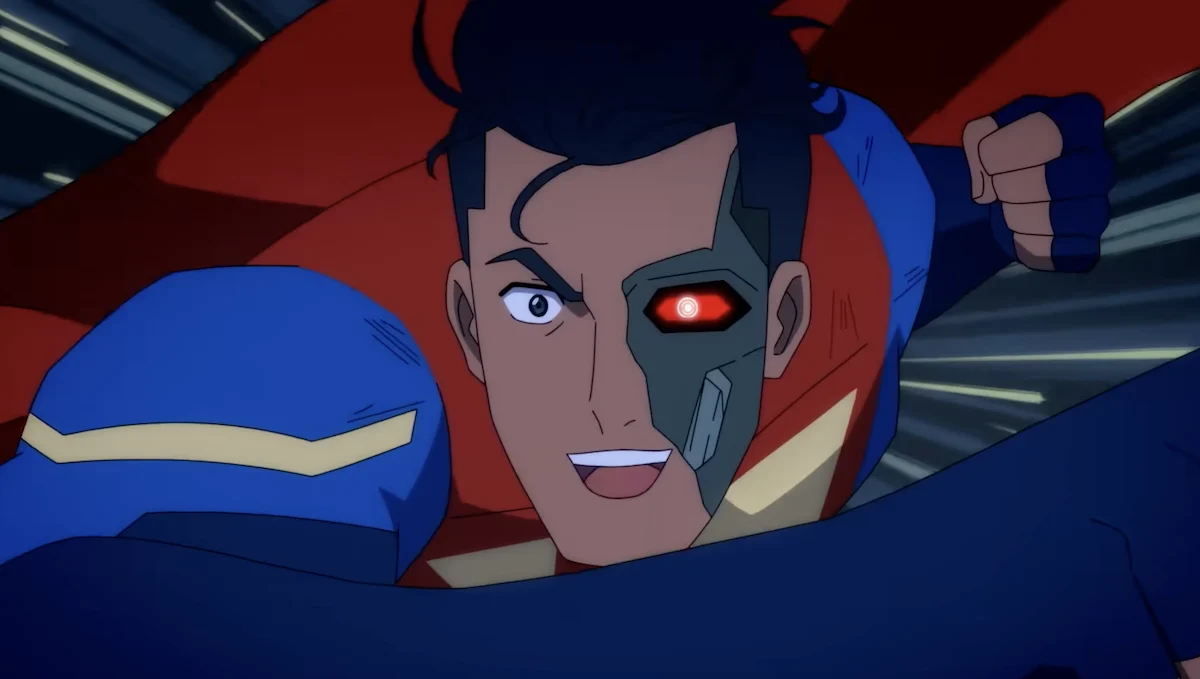
In the landscape of modern comic book adaptations, few tropes are as exhausted—or as misunderstood—as the death of a superhero. When My Adventures with Superman premiered the fifth episode of its third season, titled “The Death of Superman,” the creative team didn’t just nod to comic book history; they confronted the very industry mechanics that birthed the concept. By stripping away the 1990s excess and centering the narrative on the core values of Clark Kent, the series proves that the most famous “sales stunt” in comic history has evolved into an essential pillar of the Man of Steel’s mythology.
The Genesis of a Marketing Phenomenon
To understand the weight of this episode, one must look back to 1992. At the time, the Superman editorial team at DC Comics was facing a crisis of relevance. The character, once the undisputed king of the newsstand, was struggling to compete with the darker, grittier anti-heroes populating the medium.
The television landscape added further pressure. Lois & Clark: The New Adventures of Superman was in development, aiming to modernize the icon for a primetime audience. Seeking to create a synergistic buzz, DC executives pushed for a wedding between Lois and Clark. However, the showrunners of the television series were not ready to commit to the nuptials. Faced with a narrative stalemate and sagging sales, writer Jerry Ordway proposed the unthinkable: "Why don’t we just kill him?"
The resulting arc—The Death of Superman—was an immediate, runaway success. It was the quintessential sales stunt. The imagery of the blood-stained "S" shield became a cultural touchstone, broadcast on local news and featured in mainstream magazines. The subsequent "Funeral for a Friend" and "Reign of the Supermen" arcs ensured that the character remained at the center of the pop-culture conversation, culminating in his inevitable resurrection.
A Chronology of Reinterpretation
The success of The Death of Superman fundamentally altered the DNA of the comic book industry. It taught publishers that mortality, when used as a marketing lever, could generate massive spikes in revenue. Following the success of Superman’s death, the industry saw a flurry of "event-driven" character changes: Batman’s back was broken, Green Lantern turned to villainy, and Wonder Woman was replaced by a successor.
However, as the decades passed, the narrative utility of the story transcended its initial, cynical intent. The timeline of its adaptation is extensive:
- 1992–1993: The original comic book arc concludes, setting the template for the "hero dies, hero returns" narrative cycle.
- 2003: The Justice League animated series features "Hereafter," an episode that explores a world without Superman, deeply influencing the emotional resonance of the character’s absence.
- 2007: Smallville tackles the concept in its eighth season, focusing on the void left by a fallen hero.
- 2016: Batman v Superman: Dawn of Justice brings the battle with Doomsday to the silver screen, grounding the event in the friction between legacy and ideology.
- 2020–2024: Superman & Lois explores the emotional fallout of similar stakes, proving that audiences remain hungry for stories about the hero’s ultimate sacrifice.
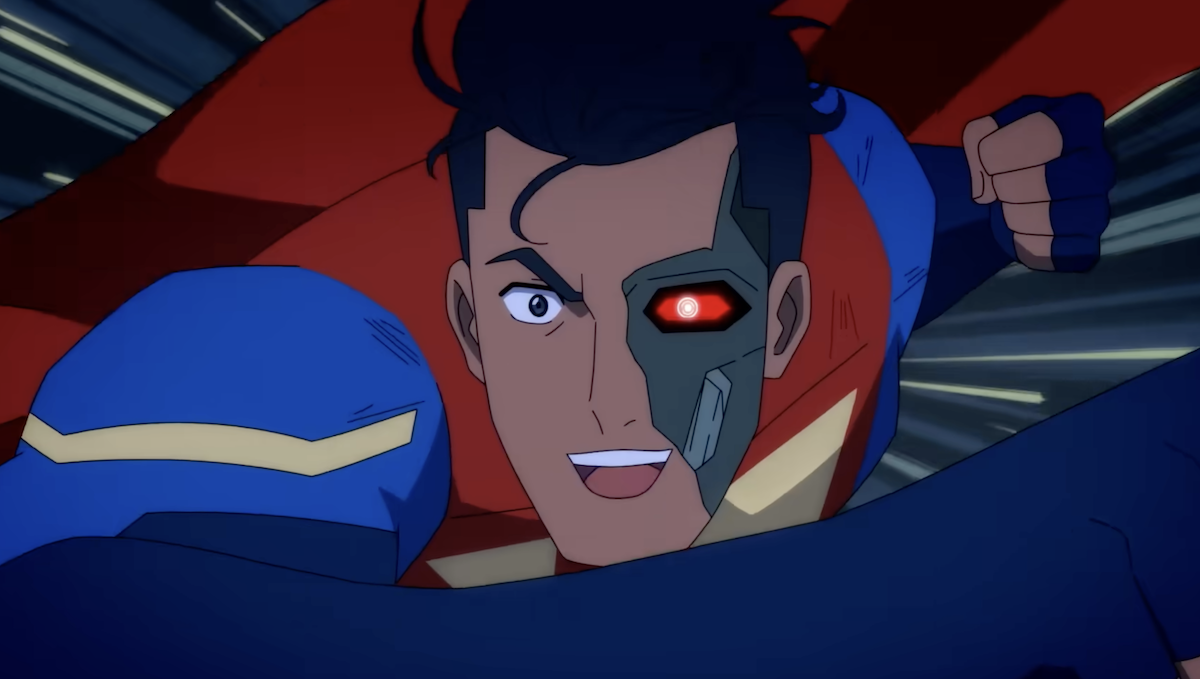
- 2026: My Adventures with Superman reimagines the event, removing the monster Doomsday and focusing on a character-driven conflict between Superman and an embittered Hank Henshaw.
Deconstructing the My Adventures with Superman Approach
The genius of the latest iteration in My Adventures with Superman lies in what it chooses to discard. By omitting the brute force of Doomsday and the complex, side-character-heavy cast of the 90s comics, the show centers on a philosophical clash. The conflict between the alien immigrant, Superman, and the human, Hank Henshaw, is a poignant reflection of contemporary anxieties regarding nationalism and xenophobia.
This is no longer just a spectacle; it is a meditation on what it means to belong. When the series replaces the comic-accurate clone Superboy with Jon Kent, it shifts the focus from "who is the replacement?" to "how does the next generation carry the torch?" This transition emphasizes themes of overcoming fear and the necessity of allowing successors to evolve, turning a marketing gimmick into a poignant character study.
Industry Implications and Cultural Resonance
Why do creators continue to return to this well? Critics often argue that the "death" of a superhero has lost its meaning because the audience knows the resurrection is inevitable. Yet, the persistence of the story suggests that the act of dying is not the point. The point is the test of character.
In every iteration, the story serves as a trial that forces Superman to answer one question: What does he stand for when he is at his most vulnerable? His goodness is not defined by his invulnerability or his ability to bench-press a planet. It is defined by his willingness to protect those around him, even when his powers fail him.
From a commercial standpoint, the "Death of Superman" also highlights the evolution of the superhero genre from a toy-selling, action-figure-driven medium—as seen in the 1984 Marvel Super Heroes Secret Wars—into a sophisticated vehicle for social commentary. Modern audiences are no longer fooled by simple stunts; they demand that their heroes grapple with themes of mortality, legacy, and identity.
Official Perspectives and The Road Ahead
While the creators of My Adventures with Superman have kept their long-term plans close to the vest, the implications of the Season 3, Episode 5 finale are clear. By leaving Superman depowered and introducing the blue-electricity motifs reminiscent of the "Electric Superman" arc—yet another 1990s stunt designed to boost sales—the show is signaling a commitment to mining the past for modern narrative growth.
The message is clear: The "Death of Superman" was a product of a desperate editorial room in 1992, but it has become a mythic framework that allows us to understand the fragility of our idols. By focusing on the emotional core of the Man of Steel, rather than the shock value of his demise, My Adventures with Superman ensures that the character remains relevant.
As the show continues to air on Adult Swim and Max, it invites fans to look past the "sales stunt" label. It invites them to see the story as it truly is: a testament to the fact that while the hero may fall, the ideals they represent are immortal. The "never-ending battle" continues, not because it must, but because it provides a blueprint for a better tomorrow.
My Adventures with Superman releases new episodes every Saturday at midnight on Adult Swim and is available for streaming on Max.










