The release of DC Studios’ Supergirl (2026) has sparked a polarized firestorm among comic book enthusiasts and cinephiles alike. Directed by Craig Gillespie and penned by Ana Nogueira, the film marks a pivotal, albeit shaky, expansion of the new DC Universe (DCU) under the stewardship of James Gunn. While the production serves as a bold attempt to ground the mythos of Kara Zor-El in a gritty, cosmic reality, it finds itself struggling under the weight of its own internal inconsistencies and a visual identity crisis that leaves audiences questioning the direction of the franchise.
Main Facts: A Cosmic Odyssey of Revenge and Regret
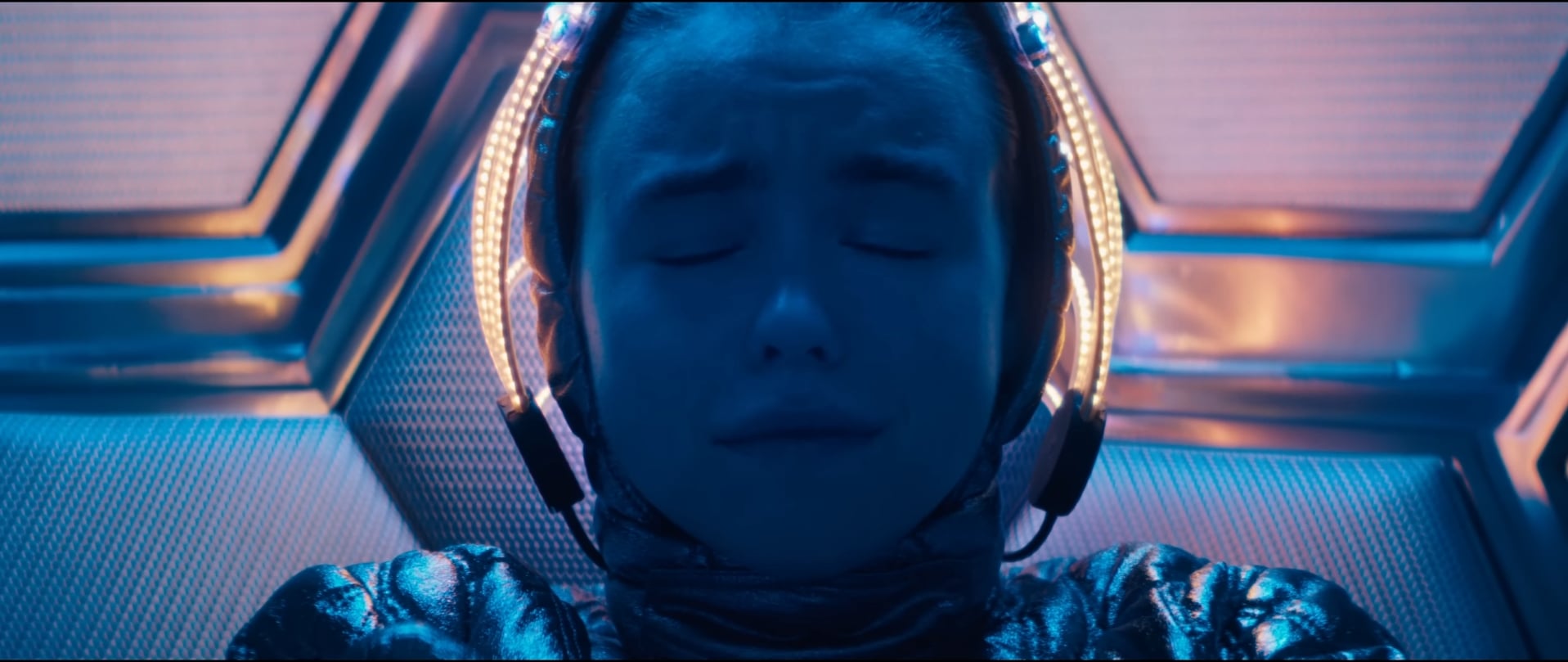
At its core, Supergirl is a road-trip narrative set against the sprawling backdrop of the galaxy. The film introduces us to Kara Zor-El, portrayed with a raw, restless vulnerability by Milly Alcock. Unlike the more traditional depictions of the character as a beacon of hope, this iteration of Kara is defined by trauma, alcohol dependency, and a deep-seated cynicism born from the destruction of Krypton.
The plot is set in motion when Kara, drowning her sorrows in the far reaches of space, is approached by Ruthye Marye Knoll, a young alien girl played by Eve Ridley. Ruthye is on a singular, bloody mission: to track down and execute the intergalactic pirate Krem of the Yellow Hills, played with menacing charisma by Matthias Schoenaerts. Krem’s crimes are as petty as they are brutal—having murdered Ruthye’s family over a dispute involving blades and, inexplicably, a pie. As the duo traverses the stars, their path intersects with the bounty hunter Lobo (Jason Momoa), further complicating a narrative that already feels stretched thin by its own eccentricities.
Chronology of a Disjointed Narrative
The film’s pacing reflects its fragmented development. The journey begins with a melancholic look at Kara’s birthday, an event that serves more as a catalyst for her downward spiral than a celebration of her heritage. As the story progresses, the lack of a cohesive through-line becomes glaringly apparent.
The narrative shifts from an intimate character study to a high-stakes revenge thriller, yet it fails to bridge the gap between these two modes. Key events—such as the theft of Kara’s ship and the poisoning of Krypto the Superdog—are presented with little emotional resonance, functioning merely as plot devices to force characters into new locations. By the time the film reaches its third act, which features a climactic, visually striking confrontation beneath the light of a green sun, the viewer is left struggling to reconcile the character development of the first hour with the action-heavy finale.
Supporting Data: The Gunn Influence and Aesthetic Mimicry
One of the most persistent criticisms leveled at Supergirl is its visual and tonal debt to James Gunn’s previous work in the Marvel Cinematic Universe, specifically the Guardians of the Galaxy trilogy. The film is saturated with "washed-out" color palettes, bizarre creature designs, and dive-bar settings that feel inextricably linked to the aesthetic of the MCU.
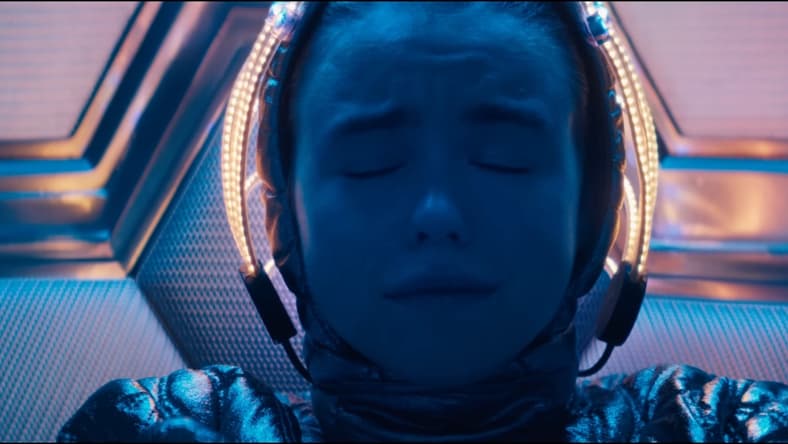
Critics have noted that the film feels less like a traditional Kryptonian epic and more like a spinoff of a Lobo-centric adventure. Jason Momoa’s presence, while charismatic, dominates the screen, leading many to speculate that the film’s identity was compromised during production. When a studio head’s "fingerprints" are so visible that costumes and set designs appear recycled or borrowed, it risks alienating fans who are looking for a distinct visual language for the new DCU.
Furthermore, the script’s failure to utilize established lore creates a logic gap. With Earth’s advanced genetic engineering capabilities—a premise firmly established in 2025’s Superman—the motivations of antagonists like Krem feel hollow. Why pursue a complex, multi-planetary vendetta when scientific solutions are readily available in the shared universe?
The "Nerfing" of an Icon: Heroic Inconsistency
Perhaps the most frustrating element of the film is the inconsistent portrayal of Kara’s powers. In comic lore, Kara Zor-El is a powerhouse capable of feats that rival or even surpass those of her cousin, Clark Kent. However, in the 2026 film, her abilities are frequently suppressed to serve the convenience of the script.

There are several instances where Kara’s inaction results in unnecessary tragedy. Despite possessing super-hearing and X-ray vision, she is often caught off-guard by threats she should, by all accounts, be able to detect from miles away. When the film forces her to act recklessly or "nerfs" her powers without a biological or environmental explanation—such as the rare presence of a red sun—it undermines her status as a hero. This creates a jarring disconnect: the audience is told she is a powerful Kryptonian, but the camera consistently captures a character who appears helpless, passive, or simply incompetent.
Official Responses and Creative Justification
While DC Studios has remained tight-lipped regarding specific criticisms of the script, director Craig Gillespie and writer Ana Nogueira have emphasized their intent to explore a "damaged" version of the character. The creative team argues that by stripping away the "hopeful" veneer of the Super-family, they are able to examine the psychological weight of being the last survivor of a lost civilization.
The decision to lean into alcohol dependency and a "punky," rebellious attitude is presented as a deliberate, modern interpretation of a survivor’s trauma. Whether this resonates with the wider audience remains to be seen, but the creative team stands by their decision to avoid the "perfect hero" archetype in favor of someone who is, quite literally, a hot mess.

Implications for the Future of the DCU
The implications of Supergirl’s reception are significant. As the first major project in the new DCU to receive such a divisive reaction, it places immense pressure on upcoming installments to prove that the studio has a coherent vision.
- Creative Autonomy: The "Gunn-esque" aesthetic risks creating a homogenized brand that feels derivative rather than revolutionary. Future directors may need to push for more distinct visual styles to avoid the perception of "recycling" sets and themes.
- Character Integrity: Fans of the source material are vocal about their desire for characters to retain their core power levels and personality traits. When a character’s abilities are artificially hampered for the sake of drama, it erodes the stakes of the action sequences.
- The "Lobo" Question: The overwhelming presence of supporting characters like Lobo suggests that the studio is testing the waters for side-character-led spin-offs. However, if these characters overshadow the protagonist, the studio risks losing the focus of its flagship films.
Conclusion: A Diamond in the Rough?
Despite the logistical failures, the nonsensical narrative gaps, and the questionable characterization, Supergirl is not a total loss. Milly Alcock delivers a performance that demands attention, capturing the restless, grieving energy of a woman who has lost everything. Her performance suggests that, under the right circumstances—and perhaps a more focused, consistent script—she has the potential to define this character for a new generation.
The film is an undeniably messy piece of science fiction that tries to do too much at once. It wants to be a gritty character study, a cosmic road trip, and a setup for a larger cinematic universe, all while struggling to define its own tone. While the internet may currently be ablaze with criticism, there is a core of genuine humanity within the performance of its lead that, if nurtured, could turn this "solar baby" into a compelling fixture of the DCU. For now, however, Supergirl serves as a cautionary tale about the perils of prioritizing style and "modern edges" over the foundational logic that makes comic book heroes work in the first place.