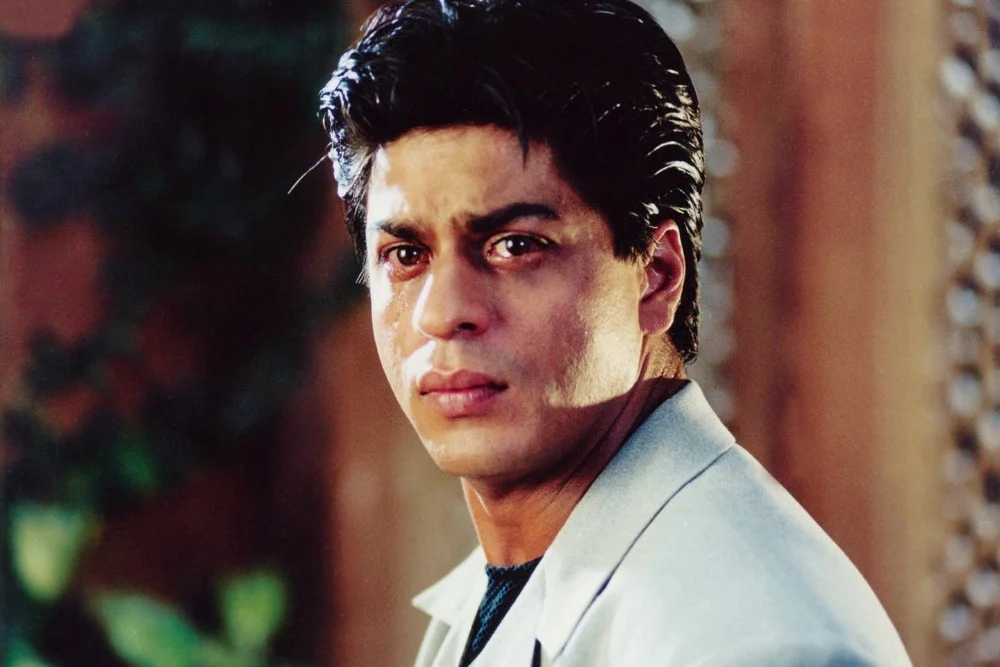
In a landmark announcement that bridges the cinematic traditions of Mumbai and the rugged landscapes of the North, the Edinburgh International Film Festival (EIFF) has revealed that it will host a special 30th-anniversary screening of the Bollywood classic Kuch Kuch Hota Hai in 2028. The film, which served as the directorial debut of Indian cinema titan Karan Johar, remains a seminal work in the history of Indian popular culture, and its return to Scotland serves as both a nostalgic tribute and a strategic pivot for international film collaboration.
The news was formalized following a high-level meeting at the Mumbai headquarters of Dharma Productions, where Johar met with Scotland’s First Minister, John Swinney, and David Smith, the interim executive director of Screen Scotland. The event promises to be a centerpiece of the 2028 festival, with Johar confirmed to be in attendance to celebrate the legacy of his genre-defining romance.
The Cultural Legacy of a Bollywood Icon
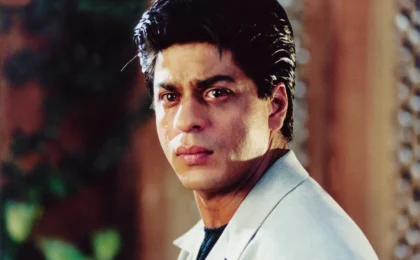
Released in 1998, Kuch Kuch Hota Hai fundamentally altered the trajectory of mainstream Indian cinema. Starring the formidable trio of Shah Rukh Khan, Kajol, and Rani Mukerji, the film navigated the complexities of love, friendship, and loss with a stylistic flair that defined the late nineties.
The plot—a poignant narrative of a widower, Rahul (Khan), whose young daughter attempts to reunite him with his college best friend, Anjali (Kajol)—captured the imagination of a generation. With Salman Khan appearing in a pivotal role as Anjali’s fiancé, the film became a box-office phenomenon, securing its place as an emotional touchstone for millions of fans globally.
Beyond the performances, the film is remembered for its aesthetic contribution. For many Indian audiences, Kuch Kuch Hota Hai was the first introduction to the ethereal beauty of the Scottish Highlands. By utilizing locations such as Eilean Donan Castle, the dramatic vistas of Glen Coe, the historic Tantallon Castle, and the serene Inchmahome Priory, Johar transformed the Scottish landscape into a character in its own right. This association created a lasting, tangible bond between Scotland’s natural beauty and the glamour of Bollywood, paving the way for decades of subsequent Indian film productions in the region.
Chronology of a Collaboration: From 1998 to 2028
The journey of Kuch Kuch Hota Hai from a 1998 production set to a 2028 festival highlight represents a thirty-year evolution in global film production.
- 1998: The film is released globally, becoming a massive commercial success and a cultural milestone. Its use of Scottish locations sets a new benchmark for Bollywood’s international production values.
- 1999–2020: The film’s popularity sustains, and it is frequently cited as one of the most influential romantic dramas in Indian history. It inadvertently turns the specific Scottish locations used in the film into "must-visit" destinations for Indian tourists.
- 2024: The Edinburgh International Film Festival undergoes a major strategic revival under the leadership of CEO Paul Ridd and producer Emma Boa, backed by the creative vision of Screen Scotland.
- 2025–2026: Discussions regarding the strengthening of ties between the Indian film industry and Scotland intensify, focusing on co-production, talent exchange, and regional economic growth.
- 2027: The festival prepares for its 80th anniversary, slated for August 12–18, setting the stage for long-term planning.
- 2028: The 30th anniversary of Kuch Kuch Hota Hai will be celebrated at the 81st edition of the EIFF, serving as a gala event to honor the film’s role in promoting Scottish tourism and cinematic synergy.
Strategic Implications: Scotland as a Global Creative Hub
The invitation extended to Karan Johar is not merely a nostalgic gesture; it is part of a deliberate effort by the Scottish government to position the nation as a premier destination for international film and television production. During his visit to Mumbai, First Minister John Swinney emphasized that Scotland’s screen industry is primed to act as a creative partner for the vast Indian market.
"Scotland’s screen industry has tremendous potential as a creative partner for Indian film and television," Swinney remarked. "We offer the infrastructure, the specialized expertise, and the world-class filming locations to support a wide range of productions."
This partnership aims to move beyond simple location scouting. The current discourse involves deep-level cooperation, including:
- Co-production Agreements: Formalizing frameworks that allow Indian and Scottish studios to share resources, funding, and talent.
- Infrastructure Investment: Expanding the capacity of Scottish studios to accommodate the specific needs of large-scale Indian productions, which often require extensive sets and complex logistical support.
- Cultural and Talent Exchange: Facilitating programs that allow technicians, writers, and actors from both regions to work on joint projects, thereby cross-pollinating creative styles.
For Screen Scotland, the goal is to leverage the enduring popularity of Bollywood to boost the local economy. The "Kuch Kuch Hota Hai" effect has already proven that films can drive tourism; now, the focus is on converting that attention into a sustainable pipeline of high-budget production activity.
Official Perspectives: A Vision for the Future
The enthusiasm surrounding the 2028 announcement is shared by both the Scottish government and the leadership of the EIFF. Paul Ridd, the festival’s CEO, articulated the festival’s forward-looking philosophy while acknowledging the importance of the retrospective.
"At EIFF, we are always thinking about the future and what’s next," Ridd stated. "So we jumped at an opportunity like this, to plant the seeds for a celebration of a legendary, much-loved film at our festival—a film featuring Scotland and some of the most iconic stars of Bollywood cinema on screen."
Ridd emphasized that while the 81st edition will celebrate the past, the core mission of the festival remains centered on innovation. "We can’t wait for what promises to be something truly special for our 81st edition in 2028. But in the meantime, watch this space for more news of our 80th next August."
First Minister Swinney echoed this sentiment, noting the emotional resonance of the film for the Scottish public. "It was a pleasure to meet Karan Johar in Mumbai, and I am delighted that he has accepted the Edinburgh International Film Festival’s invitation to celebrate the 30th anniversary of Kuch Kuch Hota Hai, which holds a special place in the hearts of communities across Scotland and beyond."
The Road Ahead: 80th Anniversary and Beyond
Before the glitz and glamour of the 2028 anniversary, the Edinburgh International Film Festival has a significant milestone on the immediate horizon. The 80th-anniversary celebrations are scheduled for August 12–18, 2027. This milestone is particularly significant, as it marks the festival’s successful transition into a new era of management and creative direction under Ridd and Boa.
The 2027 edition will serve as a bridge between the festival’s storied past and its future ambitions. With submissions opening in January, the festival is expected to draw a diverse slate of international entries. The organizers have promised that further details regarding programming, special guests, and industry events will be released in the coming months.
As the industry looks toward 2028, the inclusion of Kuch Kuch Hota Hai into the EIFF lineup acts as a symbol of the festival’s renewed confidence. By embracing both the avant-garde and the commercially iconic, the EIFF is positioning itself as a vital node in the global film circuit. For fans of Karan Johar’s work, the prospect of seeing the film on a Scottish screen once more—with the backdrop of the Highlands mirroring the locations that helped define the film’s visual identity—offers a rare chance to revisit a piece of cinematic history in the very place where its magic was first cultivated.
In summary, the announcement marks a synthesis of art, industry, and diplomacy. It honors a film that captured the hearts of millions while simultaneously laying the groundwork for a new chapter in Scotland’s role as a global film hub. As the countdown to 2027 and 2028 begins, the film industry will be watching closely to see how this ambitious collaboration evolves, and whether it can indeed spark a new wave of international cooperation between the vibrant, high-energy world of Bollywood and the historic, breathtaking landscapes of the Scottish Highlands.